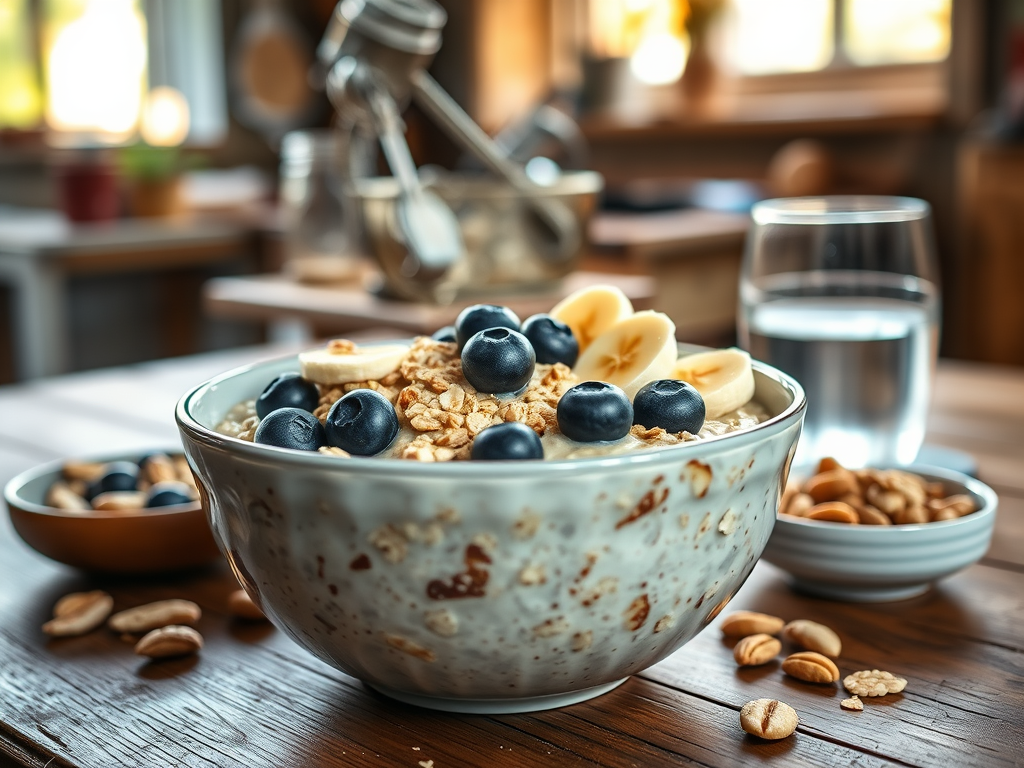


Can a simple bowl of oatmeal really change your heart health? Your cholesterol levels tell a lot about your heart health. The foods you eat every day play a big role in this.
Your body needs cholesterol for important tasks. The challenge is keeping unhealthy cholesterol levels low. Eating oatmeal can show a cool link between food and heart health.
Oatmeal is special because of its unique makeup. It has compounds that affect how your body handles cholesterol. Knowing this can help you make better food choices for your heart.
This guide explains how oatmeal affects cholesterol. You’ll learn about serving sizes, how to prepare it, and the importance of consistency. By understanding how oats work in your body, you can make better food choices.

Key Takeaways
- Oatmeal contains a powerful fiber called beta-glucan that lowers your blood cholesterol.
- Eating oatmeal involves a process where fiber binds to cholesterol in your digestive system.
- Just 1.5 to 2 grams of beta-glucan from oats can lower your LDL cholesterol.
- Different oat products contain varying amounts of beta-glucan, which affects their cholesterol-lowering power.
- Regular oatmeal eating supports digestive health, blood sugar control, and heart health.
- How you prepare your oatmeal affects how much nutritional benefit you get.
- Creating a regular oatmeal routine helps build lasting heart-healthy habits.
Understanding the Role of Beta-Glucan in Heart Health
Your heart health is linked to keeping cholesterol levels in check. Eating oatmeal is a great way to help with this. It’s packed with beta-glucan, a fiber that helps lower cholesterol by sending it to the liver for breakdown. This natural process protects your heart.
Oatmeal’s unique fiber is the key to its heart-healthy benefits. When you eat oatmeal, you get a big dose of this fiber. Your body responds by improving your overall health.

How Soluble Fiber Interacts with Your Digestive System
Soluble fiber in oatmeal turns into a gel-like substance in your stomach. This gel helps manage cholesterol levels. It binds to bile acids, which your body can’t recycle.
- Bile acids attach to the beta-glucan fiber
- Your body cannot reabsorb these trapped acids
- Your digestive system eliminates them naturally
- Your body must create new bile acids to replace them
The Process of Redirecting Cholesterol to the Liver
When your body makes new bile acids, it uses your cholesterol. This means your liver works harder and uses more cholesterol. Oatmeal’s beta-glucan fiber helps lower cholesterol by promoting its clearance from the liver.
Doctors suggest eating more soluble fiber because it really works. Each bowl of oatmeal helps lower cholesterol, making it an effective dietary choice for heart health.
What happens to your cholesterol when you eat oatmeal
Eating oatmeal regularly starts a natural process that helps manage cholesterol. It begins in your digestive system. The beta-glucan in oats works with your body’s systems to change your blood levels.
Your digestive tract is where big changes start. The soluble fiber in oatmeal binds to cholesterol and bile acids. This stops your body from reabsorbing cholesterol back into your blood.

After a few weeks of eating oatmeal, you’ll notice changes in your lipid panel. Your liver makes less cholesterol and gets rid of more of it. This is how oatmeal lowers cholesterol at a basic level.
The changes occur in these steps:
- Beta-glucan binds to cholesterol molecules in your digestive tract
- Your body eliminates more cholesterol through waste instead of reabsorbing it
- Your liver reduces cholesterol production in response
- LDL cholesterol levels begin to drop within 2-3 weeks
- Total cholesterol improvements continue with consistent oatmeal consumption
Consistency matters greatly for seeing these benefits. Eating oatmeal sporadically won’t produce the same results as making it a regular part of your daily routine. Your body needs continuous exposure to beta-glucan to maintain these cholesterol-lowering effects over the long term.
Determining the Ideal Daily Serving Size
Getting the right amount of oatmeal in your diet is key to seeing real benefits for your cholesterol levels. You might wonder, ” How much do you need to eat? The answer depends on understanding the specific compound that makes oatmeal so beneficial for your heart health. Your body responds best when you consume the proper daily amount of this powerful grain.
The good news is that you don’t need to eat massive portions to make a real difference. Research shows that modest, consistent amounts deliver impressive results for your cardiovascular system. By learning exactly what your body needs, you can create a simple daily routine that fits into your lifestyle.

Reaching the Recommended Grams of Beta-Glucan
Studies suggest that eating about 1 cup of cooked oatmeal daily (equivalent to 3 grams (g) of beta-glucan) can reduce LDL cholesterol by up to 10%. This specific target gives you a clear goal to work toward each morning. One cup of cooked oatmeal serves as your baseline for achieving meaningful health improvements.
To reach these recommended grams of beta-glucan, focus on high-quality oat varieties. Steel-cut oats and rolled oats both contain adequate amounts of this soluble fiber. Measuring your portions ensures you’re getting consistent benefits day after day.
- 1 cup of cooked oatmeal = approximately 3 grams of beta-glucan
- Potential LDL cholesterol reduction = up to 10%
- Best preparation = stovetop cooking to preserve fiber content
- Ideal timing = breakfast for sustained morning energy
Consistency and Long-Term Heart Health Goals
Sticking with your daily oatmeal routine matters more than eating larger amounts occasionally. Your cardiovascular system responds to regular, predictable intake of beta-glucan. When you commit to eating about 1 cup of cooked oatmeal every day, you build momentum toward lasting improvements in heart health.
Think of your cholesterol management as a marathon, not a sprint. Consistency transforms your LDL cholesterol levels over weeks and months. By maintaining this simple daily habit, you’re investing in your long-term wellness and giving your heart the support it deserves.
Comparing Different Varieties of Oat Products
When you’re in the grocery store, you might wonder: Is one oatmeal better than another? The answer depends on your health goals and lifestyle. Different oats have unique textures, cooking times, and nutrients. Knowing these differences helps you pick the best for your family.

There are several main types. Steel-cut oats are whole groats chopped into pieces. They cook in 20-30 minutes. Rolled oats are flattened groats that cook in 5-10 minutes. Instant oatmeal is pre-cooked and dried, needing just hot water. Oat bran, like oat bread, is high in fiber in smaller servings.
| Oat Variety | Cooking Time | Beta-Glucan Content | Texture |
|---|---|---|---|
| Steel-Cut Oats | 20-30 minutes | 8-10 grams per cup | Chewy, nutty |
| Rolled Oats | 5-10 minutes | 7-9 grams per cup | Smooth, creamy |
| Instant Oatmeal | 1-2 minutes | 6-8 grams per cup | Soft, mushy |
| Oat Bran | 5 minutes | 14-15 grams per cup | Fine, granular |
Reading labels is key to picking the most nutritious options. Look for whole oats first. Avoid products with added sugars or artificial flavors. Steel-cut and rolled oats keep more nutrients because they’re less processed. Oat bran has the most fiber per serving.
- Check ingredient lists for whole oats.
- Compare grams of dietary fiber per serving
- Avoid added sweeteners and artificial ingredients
- Consider your cooking schedule and time availability
- Select organic varieties when possible
Your choice affects your nutrition plan’s success. Steel-cut oats are great for meal prep. Rolled oats are perfect for busy mornings. Oat bran is good in smoothies or yogurt for fiber. The best oatmeal for you is one you’ll eat regularly to support your heart health.
Exploring Additional Health Benefits of Oats
Oats are known for helping manage cholesterol. But what are the other health benefits of oats? They offer many wellness advantages. Oats support your digestive system and help keep your energy levels stable.

Supporting Digestive Wellness and Regularity
Eating oats regularly is good for your digestive system. The high fiber in oats acts like a natural broom. It helps keep your digestive system running smoothly.
Here’s what happens in your body:
- Soluble fiber absorbs water and forms a gel-like substance
- This gel slows digestion and feeds good bacteria in your gut
- Your digestive system becomes more efficient and regular
- You experience fewer digestive discomforts
Most people notice better digestive regularity within a few weeks of eating oats.
Managing Blood Sugar Levels Throughout the Day
Your body needs steady energy to function well. Oats provide that steady energy. Unlike white bread or sugary cereals, oats digest slowly. This means your blood sugar rises gradually, not suddenly.
The benefits of this steady approach include:
- Sustained energy without afternoon crashes
- Reduced cravings for sugary snacks
- Better focus and concentration during work or school
- Less strain on your pancreas
Eating oats for breakfast helps you stay energized until lunch.
Maximizing Nutritional Value Through Preparation Methods
How you prepare your oats greatly affects their nutritional value. The cooking method impacts the levels of beneficial compounds in your meal. Knowing these differences helps you choose the best options for managing cholesterol.
Raw oat products like granola or muesli are tasty and easy to grab. But cooked oatmeal might be better for you. It has more beta-glucans than raw oatmeal. Cooking oats releases more soluble fiber into your meal.
Cooking oats makes beta-glucans more effective for your body. Heat activates these compounds, boosting their cholesterol-lowering power. Your digestive system can use more of the heart-healthy fiber when oats are cooked right.
Best Preparation Techniques for Maximum Benefits
Here are simple steps to optimize your oat preparation:
- Use hot water or milk to cook your oats fully
- Allow longer cooking times for steel-cut oats
- Stir occasionally to ensure even heat distribution
- Avoid extremely high temperatures that might damage nutrients
| Oat Type | Preparation Method | Beta-Glucan Content | Cooking Time |
|---|---|---|---|
| Steel-Cut Oats | Stovetop cooking with water | High | 20-30 minutes |
| Rolled Oats | Boiling water or milk | High | 5-10 minutes |
| Quick Oats | Hot liquid preparation | Moderate to High | 1-3 minutes |
| Raw Granola | No cooking required | Lower | None |
| Raw Muesli | Soak overnight optional | Lower | None |
Your cooking liquid also matters. Milk adds creaminess. Broth or plant-based milk adds extra nutrients. Longer cooking times help extract more soluble fiber from each oat grain.
Consistency in preparation becomes your secret weapon. Regularly preparing cooked oatmeal gives your body steady amounts of heart-protective compounds. This steady intake helps lower cholesterol better than occasional raw oat products.
Conclusion
Oatmeal is a natural way to control your cholesterol levels. The beta-glucan in oats helps lower bad cholesterol. Eating 3 grams of beta-glucan daily can improve your heart health.
Make oatmeal a regular part of your diet. Choose from steel-cut, rolled, or instant oats based on your preference. Enjoy it plain, with fruit, or with nuts. The important thing is to eat it every day.
Oatmeal does more than just manage cholesterol. It also improves digestion and keeps blood sugar stable. These benefits make oatmeal great for your overall health. Start your day with oatmeal for better heart health. This simple habit can greatly improve how you feel.

 trim down and shape up
Leave a comment