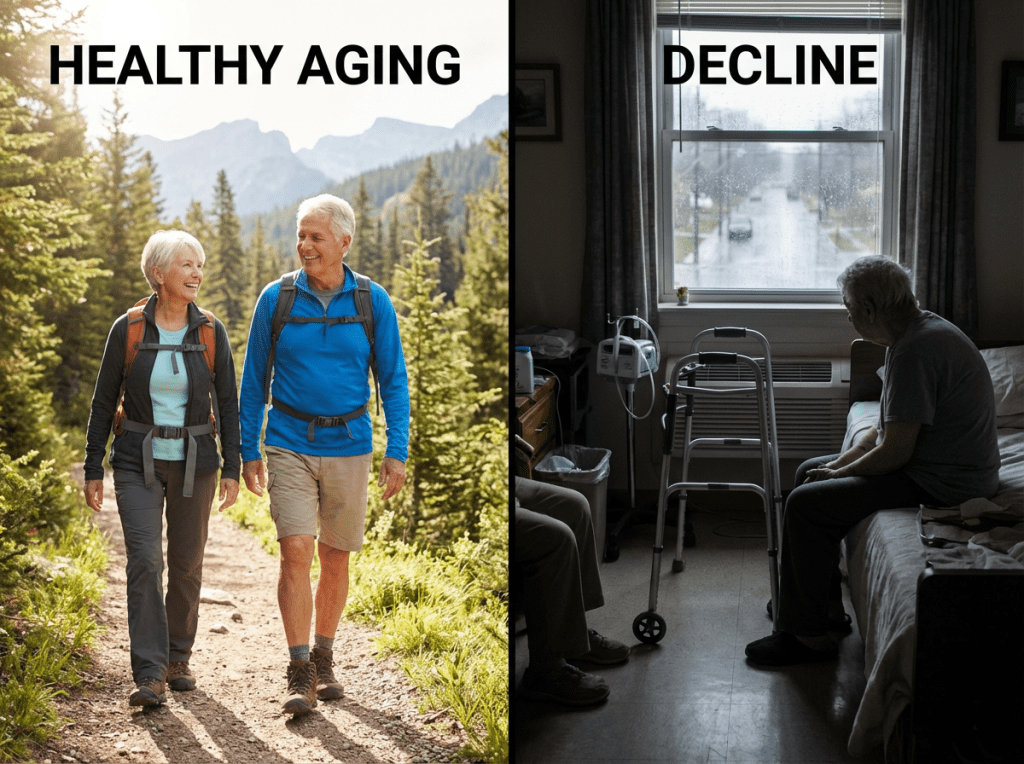


When your parent forgets where they put their keys or your spouse seems more tired than usual, you might brush it off as a normal part of aging. But what if these changes signal something more serious? It can be hard to tell if it’s just aging or a real health issue. This article will help you spot 5 red flags to pay attention to.
More than 5 million people in the United States are living with Alzheimer’s disease. It’s the 6th leading cause of death for Americans. Sadly, 1 in 3 seniors will die of Alzheimer’s or dementia. Early detection is key. It can give you and your loved ones more time with FDA-approved medications.
Your body and mind naturally change as you age. Some forgetfulness, slower movements, and reduced energy levels are normal. But not every change is a danger sign. Knowing which symptoms need a doctor’s check-up is crucial. Early action can help you stay independent and improve your quality of life.

This guide will show you five important red flags. These signs can point to Alzheimer’s disease, heart issues, or other serious health problems. You’ll learn what to look for in yourself and your loved ones. With this knowledge, you can seek help early and get better treatment options. Your health is important, and recognizing these signs helps you get the help you need.
Key Takeaways
- Normal aging includes minor memory lapses and reduced energy levels that don’t disrupt daily activities
- Severe memory loss that interferes with work, hobbies, or self-care represents a red flag requiring medical attention
- Unexplained pain, sudden weight changes, and persistent fatigue can signal underlying health conditions beyond typical aging
- Mood changes and social withdrawal often indicate depression, cognitive decline, or serious medical problems
- Early detection of Alzheimer’s disease and other conditions allows for medication and intervention to slow disease progression
- Medical evaluation becomes necessary when symptoms disrupt your daily functioning or represent sudden changes from your baseline
- Home assessments and professional medical tests help distinguish between normal aging and health concerns requiring treatment
Understanding the Difference Between Normal Aging and Serious Health Concerns
Knowing what is normal aging helps you tell expected changes from warning signs. Aging is not a disease—it’s a gradual process that affects everyone differently. Learning to recognize the difference between typical age-related changes and serious health problems keeps you informed and empowered about your health. This knowledge guides you toward making smart decisions about when to seek medical help.
What Is Normal Aging?
Common, generally harmless changes include experiences that most people face as they get older. These changes tend to occur gradually over time and don’t significantly interfere with daily life. You can still manage your responsibilities and enjoy activities you love.

- Mild joint stiffness, mainly in the morning, that improves with movement
- Slight memory lapses, like misplacing keys, but remembering where you left them later
- Reduced stamina or needing more rest after physical activity
- Thinner skin and slower healing of minor cuts or bruises
- Gradual vision or hearing decline managed with glasses or hearing aids
- Occasional confusion about exact dates, but recalling them with effort
- Small mistakes in everyday tasks, like checkbook entries, that you catch later
These normal changes develop gradually. You adjust naturally without major disruption to your independence or quality of life. Your body simply needs more time to recover and adapt.
When Aging Becomes a Health Issue
Serious health concerns show different patterns than normal aging. Changes that appear suddenly, worsen quickly, or severely limit your daily activities need medical attention. This is not normal aging.
| Normal Aging Changes | Concerning Health Changes |
|---|---|
| Gradual onset over months or years | Sudden changes within days or weeks |
| Manageable with minor adjustments | Significantly impacts daily activities |
| Stable or slowly progressive | Rapidly worsening symptoms |
| You adapt without losing independence | You lose the ability to do familiar tasks |
Healthy aging involves physical, mental, emotional, and social well-being. When changes cross from normal aging into concerning territory, your body is signaling that something needs professional evaluation. Dismissing serious symptoms as typical aging can delay important diagnosis and treatment. Treatable conditions sometimes progress unnecessarily when overlooked.
The distinction matters for your health. Normal aging is manageable. Serious health issues require medical expertise to address properly.
Memory Changes: Recognizing When Forgetfulness Crosses the Line
Forgetting where you placed your keys or struggling to recall a name happens to everyone. These slip-ups are a normal part of growing older. Understanding the difference between normal aging and concerning memory loss helps you know when to seek medical attention.
During normal aging, you experience slight memory lapses that don’t disrupt your daily activities. You might misplace your glasses and retrace your steps to find them. You could forget an appointment, but remember it later in the day. Occasionally, searching for the right word in conversation is typical. These moments are frustrating but manageable.

Memory loss becomes concerning when it changes your ability to function. Watch for these differences between normal aging and more serious issues:
- Putting items in unusual places, like keys in the refrigerator
- Forgetting what day or season it is
- Repeatedly asking the same questions despite hearing the answers
- Forgetting recently learned information regularly
- Needing family members to handle tasks you previously managed alone
- Getting lost in familiar places or forgetting how you arrived there
- Losing your train of thought mid-conversation with no recovery
If your forgetfulness is affecting your independence or safety, contact your doctor. Early evaluation of memory loss can identify treatable conditions and provide options to slow progression. Your healthcare provider can distinguish between normal aging changes and conditions requiring medical care.
Is it Old Age or Something Serious? 5 Red Flags
As we age, our bodies and minds change naturally. Some changes are just part of getting older. But other changes might mean serious health issues. It’s crucial to know the difference.
A key rule is to watch out for sudden, severe, or worsening symptoms. These are not normal signs of aging. They need immediate medical attention.
Knowing the 5 red flags for serious health concerns helps you stay alert. Here are key areas to watch as you age. This guide explains each warning sign and what you should do.

Red Flag One: Severe Memory Loss That Disrupts Daily Life
Forgetting where you put your keys is common. But severe memory loss is different. It could be a sign of serious issues like Alzheimer’s disease.
Watch for these signs:
- Forgetting recently learned information or important dates
- Asking the same questions repeatedly
- Needing memory aids for daily tasks
- Trouble following familiar recipes or tracking bills
- Difficulty driving to familiar locations
- Struggling to complete everyday activities
If memory loss affects your daily life, see a doctor right away.
Red Flag Two: Unexplained Pain and Physical Decline
Your body changes with age. Some joint stiffness and muscle weakness are normal. But knowing the difference between expected and dangerous pain is key.
Normal aging includes:
- Mild joint stiffness after activity
- Gradual muscle loss over time
- Slower recovery from exercise
Dangerous signs are persistent joint pain, sharp muscle weakness, or significant muscle loss. These need medical evaluation.
Red Flag Three: Persistent Fatigue and Weakness
Feeling tired after a busy day is normal. But knowing the difference between normal tiredness and an underlying illness is important.
Concerning symptoms include:
- Dizziness with minimal activity
- Feeling out of breath during light tasks
- Irregular heartbeat or chest swelling
- Prolonged illnesses lasting weeks
- Frequent infections
- Extreme weakness that limits activities
These signs suggest problems with the heart, immune system, or other body systems. See your doctor for testing.
Red Flag Four: Sudden or Unexplained Weight Changes
Your weight naturally shifts with age. Understanding the difference between gradual and unexplained weight changes is crucial for your health.
| Normal Weight Changes | Concerning Weight Changes |
|---|---|
| Gradual weight gain from less activity | Sudden weight loss without dieting |
| Slow weight loss from dietary changes | Rapid unexplained weight gain |
| Minor fluctuations year to year | Loss of more than 10 pounds in weeks |
| Weight changes matching lifestyle shifts | Weight changes with no clear reason |
Unexplained weight changes can signal cancer, thyroid problems, diabetes, or depression. Medical evaluation is important.
Red Flag Five: Mood Changes and Social Withdrawal
Aging brings life adjustments that affect emotions. Understanding the difference between normal mood changes and depression is key.
Normal aging adjustments may include:
- Sadness about life changes
- Missing friends who have moved away
- Reflecting on past experiences
Serious warning signs involve:
- Confusion or suspicious thinking
- Persistent depression or anxiety
- Fear or extreme irritability
- Withdrawing from hobbies and social activities
- Losing interest in friends and family
- Personality changes that worry loved ones
These changes may indicate dementia or serious mental health conditions. Social isolation increases dementia risk. Contact your healthcare provider when mood changes persist.
Recognizing these 5 red flags empowers you to take action. Sudden, severe, or worsening symptoms are not normal aging. Trust your instincts and get medical care when something feels wrong. Your health depends on paying attention to these important warning signs.
Physical Warning Signs You Shouldn’t Ignore as You Age
Your body sends important messages about your health. These messages are more than just signs of aging. They help you catch serious health problems early. Your muscles, heart, vision, and mobility give clues about your overall health.
One key indicator is your grip strength. A strong grip means better muscle mass, heart health, and a longer life. As you get older, your muscles naturally weaken. But if you find it hard to open jars or carry groceries, it’s a sign of a bigger problem. This is called sarcopenia, serious muscle loss that needs medical help.

Don’t ignore joint pain and stiffness that limit your movement. If joint pain gets worse or affects many parts of your body, it could be arthritis or another inflammatory condition. You’ll need treatment for this.
Warning Signs in Your Muscles and Heart
Your heart sends messages through specific signs. Feeling dizzy, short of breath, or very tired from little effort means your heart is struggling. Also, watch for irregular heartbeats or swelling in your legs and feet. These signs need an immediate medical check-up.
Balance and mobility problems often point to neurological or heart issues. Trouble staying balanced, stumbling a lot, or coordination problems mean you should see a doctor.
| Physical Warning Sign | Possible Concern | Action Needed |
|---|---|---|
| Persistent muscle weakness | Sarcopenia or neurological disorder | Schedule a doctor appointment |
| Joint pain affecting movement | Arthritis or inflammation | Seek medical evaluation |
| Shortness of breath with minimal activity | Heart problems or lung disease | Emergency care if severe |
| Dizziness or balance issues | Inner ear, brain, or heart condition | Contact a healthcare provider |
| Swelling in the legs or feet | Heart failure or circulation problems | Urgent medical attention |
| Irregular heartbeat | Arrhythmia or cardiac disease | Emergency evaluation needed |
Vision Changes That Signal Deeper Issues
Vision problems are important to watch. While cataracts are common with age, other vision issues may signal neurological problems. These can make driving unsafe and mean you need to see a neurologist.
- Trouble reading even with corrective lenses
- Difficulty judging distance when walking or driving
- Problems distinguishing colors or contrasts
- Blurred or distorted vision affecting balance
- Vision changes affecting your driving safety
Your body sends early warnings about your health. Don’t ignore symptoms like muscle weakness, joint pain, balance issues, or vision changes. They could mean serious health problems. Seeing your doctor early can greatly improve treatment outcomes.
Cognitive and Emotional Changes That Signal Something More Serious
Aging changes how your brain works. Forgetting a name or losing keys is normal. But a serious cognitive decline affects your daily life. It’s important to know the difference because some changes may indicate you have dementia.
Cognitive decline is more than just aging. Your brain handles thinking, remembering, and feeling. Noticeable changes in these areas are signs of serious issues. They need your attention and a talk with your doctor.

Confusion About Time and Place
Forgetting the date but remembering later is normal. But serious disorientation is different. It means losing track of seasons, forgetting where you are, or not knowing how you got somewhere.
Look out for these warning signs of confusion:
- Losing track of dates and seasons completely
- Trouble understanding things not happening immediately
- Forgetting where you are or how you got there
- Unable to retrace your steps to understand the arrival
- Disorientation that increases throughout the day
Difficulty with Familiar Tasks
Need help with new tech sometimes? That’s okay. But struggling with tasks you’ve done for years is not. It means your brain might need a check-up.
| Normal Aging | Signs of Serious Concern |
|---|---|
| Occasionally needing help with microwave settings | Trouble driving to familiar locations you visit regularly |
| Forgetting how to record a TV show sometimes | Difficulty organizing a simple grocery list |
| Temporarily forgetting familiar information | Forgetting the rules of games you’ve played for years |
| Taking extra time to complete routine tasks | Unable to complete basic daily tasks previously handled easily |
Your brain does thousands of tasks automatically. Persistent difficulty with tasks shows bigger changes. These changes often come with other warning signs.
Additional Cognitive and Emotional Warning Signs
Watch for symptoms like increased forgetfulness and poor concentration. Personality changes, like stopping mid-conversation, are also signs. Struggling with vocabulary or calling objects by the wrong names shows cognitive decline.
Emotional changes include poor judgment and neglecting personal grooming. These changes in behavior and personality need medical attention. Your emotions and how you present yourself show your brain’s health.
“The brain’s ability to manage familiar routines and maintain emotional stability depends on complex networks of neurons. When these networks weaken, even everyday activities become challenging.”
Recognizing these patterns early helps you get the care you need. The difference between normal aging and serious conditions like dementia is in frequency and impact. Changes that disrupt your independence need a doctor’s visit.
When to See a Doctor About Your Symptoms
Knowing when to see a doctor is key to your health. If you’ve noticed any warning signs, it’s time to schedule a check-up. Don’t think these changes are just part of aging. Your doctor can figure out what’s really going on.
Getting a diagnosis early is important. The sooner your doctor can diagnose you, the better your treatment options will be. Even though there’s no cure for Alzheimer’s, some medications can slow down symptoms. That’s why early evaluation is crucial.

Talking to your doctor about these changes might make you nervous. You might think it makes your symptoms seem worse. This fear shouldn’t stop you from seeking help. These are serious health issues that need professional care.
Signs That Demand Immediate Doctor Visits
Some symptoms need immediate attention. Call your doctor right away if you have:
- Sudden confusion or disorientation
- Severe headaches
- Chest pain or irregular heartbeat
- Unexplained significant weight loss
- Severe depression or thoughts of self-harm
- Sudden vision changes
- Any symptom that drastically disrupts your daily activities
Deciding when to see a doctor isn’t always easy. But trust your gut. Your check-up will help tell if it’s just aging or something serious. Early detection and diagnosis can lead to treatments that help manage symptoms and keep you independent for longer.
Simple Tests to Assess Your Health at Home
You don’t always need a doctor to check your health. Home health tests can show your strength, balance, and fitness. These tools help you see where you stand and what needs work. Remember, these tests are best with a doctor’s advice.

Self-assessment at home helps you manage your health. The tests below check important signs of aging and physical function. They help you stay independent and active.
Grip Strength Test
Your grip strength says a lot about your health. A strong grip means better muscle, heart health, and a longer life. You can test this easily at home.
Try these grip strength tests:
- Squeeze a tennis ball firmly for a few seconds, then release
- Wring out a wet towel with maximum effort
- Notice if you can hold items without dropping them
- Track changes over weeks and months
A weak grip or a decline over time may indicate muscle loss or health issues. Talk to your doctor about it.
Balance and Mobility Assessment
Your balance and mobility reflect how well you move each day. They affect your fall risk and your risk of injury. You can do these tests anywhere.
| Test Name | What to Do | What It Measures |
|---|---|---|
| Heel-to-Toe Walk | Walk where your heel touches the toes of your back foot with each step | Coordination and balance control |
| Single-Leg Stand | Stand on one foot with eyes open and arms out for 30 seconds | Balance and fall risk |
| Floor-to-Stand Rise | Sit on the floor and stand up without using your hands | Lower body strength and functional ability |
| Chair Sit-and-Stand | Sit in a chair and stand, then repeat 30 times | Leg strength and endurance |
| Skin Elasticity Check | Pinch skin on your hand between your thumb and first finger, then release | Hydration levels and skin health |
A hard time with these tests means you need to work on them. Balance issues raise fall risk, and standing weakness shows strength decline. Poor skin elasticity might mean dehydration. Use these results to talk to your doctor about your health and aging.
Conclusion
Aging brings natural changes to our bodies and minds. But there are five red flags that mean something serious is happening. These include severe memory loss, unexplained pain, and mood changes.
Recognizing these signs is key. It lets you get medical help before things get worse. This is crucial for your health.
Early detection is vital for your health. If you notice symptoms, don’t hesitate to see a doctor. It’s a smart move to protect your quality of life.
Conditions like Alzheimer’s and heart problems are easier to treat early on. Getting medical care early gives you more options and better results. You deserve to address health concerns quickly.
Start supporting healthy aging today. Do mental exercises like puzzles and word searches. Listen to music and stay social to avoid dementia.
Eat nutritious foods, like those in the Mediterranean Diet. Exercise regularly to improve blood flow to your brain. Good sleep is also important for memory.
Use home tests as health indicators, but don’t forget to see a doctor. Your goal is to stay independent and healthy for as long as you can. Trust your instincts and seek medical help when needed.
You now know how to spot serious health issues. Take control of your wellness and protect your future.


 trim down and shape up
Leave a comment