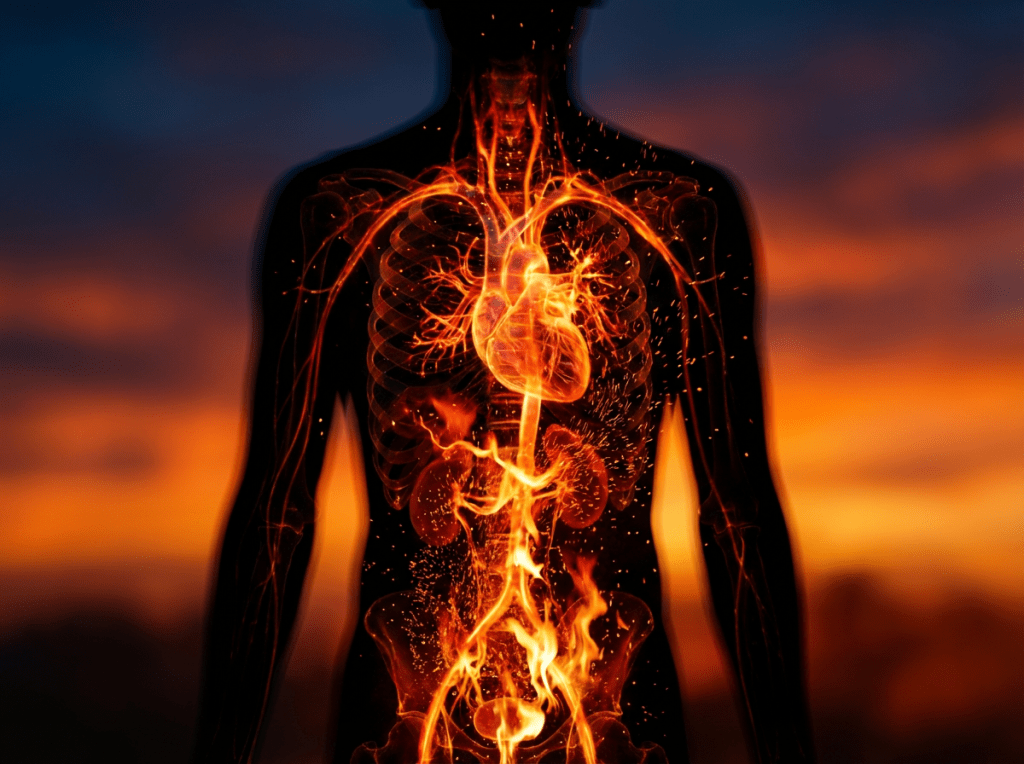


Studies show your metabolism can slow by 2-8% every decade after 30. This makes it harder to burn calories and keep a healthy weight. But you can fight this with proven strategies.
Your body’s ability to burn fat doesn’t have to go down with age. While it’s true that metabolism slows, you can stop it. By making lifestyle changes and exercising, you can boost your metabolism.
Getting regular exercise, adjusting your diet, and sleeping well can lower body fat. This supports long-term fat loss. The key is to make lasting changes, not quick fixes.
This article will show you 10 ways to keep your metabolism strong. You’ll learn how to burn fat efficiently at any age. It’s all about combining exercise, nutrition, and recovery for metabolic health.

Each strategy in this guide is science-backed and for real people. They help you maintain muscle, increase calorie burn, and achieve lasting fat loss.
Key Takeaways
- Your metabolism slows with age, but you can turn your body into a fat-burning machine with the right strategies.
- Regular exercise combined with dietary changes supports long-term fat loss better than fad diets.
- Getting 7+ hours of sleep nightly helps regulate body fat and supports metabolic health.
- Building and preserving muscle mass is essential for maintaining a strong metabolism as you get older.
- Sustainable lifestyle modifications work better than quick-fix solutions for permanent fat-burning results.
- Combining exercise, nutrition, and recovery strategies creates the most effective approach to boost metabolism as you age.
Understanding How Your Metabolism Changes with Age
Your metabolism is like the engine of your body. It helps you use food for energy, build muscle, and manage your weight. Knowing how metabolism works is key to staying healthy and burning fat.
When your metabolism slows down, losing fat gets harder. This is true even if you eat the same amount of food. Your body just doesn’t burn calories as well.
Your metabolic rate affects more than just your weight. It also impacts your energy levels, hormone balance, and disease prevention. A faster metabolism means you burn calories more efficiently. A slower one means more calories turn into fat.
This is why understanding how metabolism changes with age is important. It can change how you approach fitness and nutrition.

Why Metabolism Matters for Fat Burning
Your resting metabolic rate is how many calories you burn at rest. It’s about 70 percent of your daily calorie burn. The faster your resting metabolic rate, the more calories you burn without even trying.
When your metabolism is strong, your body prefers to burn calories for energy. Muscle tissue burns more calories than fat tissue. This is why keeping muscle is important as you get older.
The Science Behind Age-Related Metabolic Decline
Your metabolism starts to slow down around age 30 to 35. This is when your body starts to lose muscle mass and become less efficient. Several changes happen as you age:
- Decreasing muscle mass and strength
- Lower hormone production, such as growth hormone and thyroid hormones
- Reduced cellular energy production
- Less physical activity for many people
- Changes in mitochondrial function within cells
Research shows muscle mass and strength peak around age 30 to 35. After that, the decline is steady. For women, this decline speeds up after age 65. For men, it’s after age 70. This explains why weight gain gets easier with age.
| Age Range | Muscle Mass Decline | Metabolic Rate Change | Key Characteristics |
|---|---|---|---|
| 30-35 years | Peak muscle mass | Optimal metabolic rate | Highest calorie-burning capacity |
| 35-65 years | Gradual decline | Slow decrease | Linear, manageable decline with effort |
| 65+ years (women) | Rapid decline | Sharp decrease | Acceleration of muscle and metabolic loss |
| 70+ years (men) | Rapid decline | Sharp decrease | Acceleration of muscle and metabolic loss |
Hormonal changes cause your metabolism to slow down with age. Your body makes less growth hormone and testosterone. Your thyroid function may also decline. Your cells become less efficient at producing energy. All these changes slow your metabolism.
The good news is you can fight back against these changes. Understanding how aging affects your metabolism gives you the power to make changes. With the right strategies, you can slow or even reverse some of these changes.
How Aging Affects Your Body’s Ability to Burn Fat
As you age, your body changes in ways that affect calorie burning. Your ability to burn fat decreases for several reasons. Understanding these changes is key to maintaining a healthy weight and staying active.
Your body composition changes, making weight management harder. You naturally lose muscle mass, which lowers your resting calorie burn. This is because your body produces less growth hormone, testosterone, and thyroid hormones. These hormonal changes affect your metabolism, making it easier to gain weight.

With age, fat storage patterns change. Fat tends to collect more in your belly area. This type of fat, called visceral fat, is riskier than fat stored elsewhere. Your cells also burn fuel less efficiently, slowing your metabolism.
Moving around becomes harder for many older adults. About 30% of adults over 70 struggle with basic movements. These mobility issues reduce physical activity and calorie burn. When you move less, your body burns fewer calories, worsening metabolic challenges.
- Declining hormone levels slow your metabolic efficiency
- Loss of muscle reduces daily calorie burn
- Fat distribution shifts toward the belly area
- Mitochondrial function decreases in your cells
- Inflammation in your body increases with age
Understanding how your body changes with age helps you plan. Simple calorie counting doesn’t capture the full picture of aging’s effects.
The Critical Role of Muscle Mass in Maintaining Metabolism
Your muscle tissue is like a metabolic engine. It burns calories all the time, even when you’re resting. Fat tissue, on the other hand, is much less active. This difference is crucial as you get older.
Having more muscle means your body burns more calories at rest. This is called your resting metabolic rate. Losing muscle slows down your metabolism. Your body then burns fewer calories each day.

Understanding Sarcopenia and Its Impact on Fat Burning
Sarcopenia is the medical term for age-related loss of muscle mass and strength. It doesn’t just make you weaker. It also reduces the number of calories your body burns.
When sarcopenia takes hold, your body burns fat less efficiently. This makes it harder to keep a healthy weight. You need to work on keeping your muscles strong.
How Muscle Loss Accelerates After Age 65
Muscle decline starts around age 30 to 35. Your muscle mass and strength peak in your thirties. After that, you lose muscle slowly at first.
After age 65 for women and 70 for men, muscle loss accelerates. Research shows this is a real and significant change. But you can fight back.
| Age Range | Muscle Loss Rate | Impact on Metabolism |
|---|---|---|
| 30-65 Years | Slow, steady decline | Minimal immediate effect |
| 65+ Years (Women) | Rapid acceleration | Significant metabolism slowdown |
| 70+ Years (Men) | Rapid acceleration | Significant metabolism slowdown |
Resistance training for just four weeks can decrease body fat by an average of 1.46% while protecting your muscles. Staying active through strength work slows down muscle and strength decline. This keeps your metabolism strong and helps control your weight as you age.
- Muscle tissue burns calories at rest.
- Fat tissue remains metabolically inactive.
- Sarcopenia directly reduces your resting metabolic rate
- Muscle loss accelerates after 65 for women and 70 for men
- Resistance training effectively preserves lean muscle tissue
Your muscle mass and metabolism are deeply connected. Protecting your muscles through exercise and proper nutrition is essential for maintaining your fat-burning ability throughout your life.
10 Ways to Turn Your Body into a Fat-Burning Machine As You Age
Getting older doesn’t mean your body can’t burn fat well. You can change your metabolism with smart strategies. Your age is just one part of the equation. What really counts is how you make choices every day.
Studies show that combining different methods works better than using a single method. You’ll see big changes by combining exercise, diet, and lifestyle changes. These 10 ways to boost your metabolism work together, not separately.

The strategies below tackle many factors that slow your metabolism. Sleep, muscle, protein, exercise, and diet are all key. They all work together, supporting each other.
Here’s what you need to know about these metabolism boosters:
- They’re based on scientific research, not fad trends
- They work best when combined rather than used separately
- You can start implementing them gradually
- Consistency matters more than perfection
- Your individual needs shape how you apply them
Don’t try to change everything at once. Start with what feels easiest for you. Build up at your own speed. Each strategy builds on the last, helping you reach your goals. Your body can be a fat-burning machine at any age with the right approach.
Get Better Sleep to Boost Your Metabolic Rate
Sleep is a powerful tool for burning fat. When you sleep well, your body works better. Poor sleep can make you gain weight by messing with hunger and energy hormones.
Getting enough sleep is key to your metabolism. Without it, you store more fat and burn fewer calories. The CDC says adults need 7 hours of sleep a night for health and weight control.

How Sleep Deprivation Affects Fat Storage
Not enough sleep makes your body store fat. It changes your hunger hormones. You’ll want to eat more and crave unhealthy foods.
Research shows that less sleep means more belly fat. It also:
- Reduces insulin sensitivity, making your body store more fat
- Increases cortisol, a stress hormone that encourages abdominal fat storage
- Weakens your impulse control around food choices
- Decreases motivation for physical activity
“Sleep is not a luxury. It’s a biological requirement for maintaining a healthy metabolic rate and burning fat effectively.”
Optimal Sleep Duration for Metabolic Health
Your body needs consistent sleep to stay healthy. Most adults need 7 to 9 hours a night. Here are some tips to improve your sleep:
| Strategy | Benefit for Sleep and Metabolism | Implementation |
|---|---|---|
| Regular Sleep Schedule | Stabilizes your metabolic rate | Go to bed and wake up at the same time daily, even on weekends |
| Cool, Dark Environment | Promotes deeper, restorative sleep | Keep your bedroom between 60-67°F with blackout curtains |
| Limit Caffeine | Prevents sleep disruption | Stop consuming caffeine after 2 PM |
| Minimize Screen Time | Reduces blue light interference with sleep cycles | Put away phones and tablets 30 minutes before bed |
| Relaxing Bedtime Routine | Signals to your body that it’s time to rest | Try reading, stretching, or deep breathing exercises |
Good sleep boosts your metabolism. Your body burns fat better, and you stay full longer. This makes your weight loss efforts more effective.
Focus on Strengthening Exercises to Preserve Muscle
As you age, keeping your muscles strong is key to a healthy metabolism. Muscle burns calories even when you’re not moving. So, it’s important to include resistance training in your workout plan.
Resistance training means working your muscles against resistance. You can use free weights, machines, or even your body. The good news is you don’t need fancy equipment to start. Simple exercises like pushups, squats, and lunges can be done at home.

Studies show that strength training is very effective. Just 4 weeks of resistance training can cut body fat by 1.46%. Over time, your resting metabolic rate can increase by about 7% after 10 weeks of training.
The Physical Activity Guidelines suggest doing strength training two times a week. Each session should work on your major muscle groups.
| Training Duration | Body Fat Decrease | Metabolic Rate Increase |
|---|---|---|
| 4 weeks of resistance training | 1.46% average reduction | Baseline improvement |
| 10 weeks of resistance training | Significant reduction | Approximately 7% increase |
Without strength training, losing weight can mean losing muscle too. But, resistance training tells your body to keep muscle. This is important because muscle helps your body burn calories.
NIA researcher Roger A. Fielding found that walking and resistance training are best for staying fit. You don’t need to lift heavy to see results. Even moderate resistance can help a lot.
- Start with bodyweight exercises like pushups and squats
- Use resistance bands for affordable, portable training
- Progress gradually to dumbbells or machines
- Focus on proper form over heavy weight
- Aim for two sessions weekly, targeting all muscle groups
Committing to resistance training today helps your metabolism tomorrow. By making muscle exercises a part of your routine, you’re investing in a faster metabolism and a stronger body for the future.
Pump Up the Protein for Enhanced Fat Burning
Protein is key to turning your body into a fat-burning machine as you age. It gives your muscles the building blocks they need for strength and health. Muscle tissue burns more calories than fat tissue, so focusing on protein boosts your metabolism and fat burning.
Eating a high-protein diet has many benefits for losing fat. Your body burns more calories digesting protein than carbs or fats. Plus, protein keeps you full longer, helping you avoid overeating and reach your weight loss goals.

How Protein Supports Muscle Preservation
Protein’s amino acids are crucial for muscle repair and growth. Without enough protein, your body breaks down muscle for these amino acids. This slows your metabolism and makes fat burning harder. Eating enough protein prevents muscle loss and keeps your metabolism strong.
Protein also helps keep your blood sugar levels stable. This prevents energy crashes and bad food choices. It keeps your energy levels steady all day.
Daily Protein Requirements for Older Adults
The Dietary Guidelines suggest adults get 10 to 35 percent of daily calories from protein. For a 2,000-calorie diet, that’s 50 to 175 grams of protein daily. Studies show that eating more protein leads to better weight loss than the minimum.
Spread out your protein intake throughout the day, not just at dinner. This boosts muscle protein synthesis, which is important as you age. Here are some good protein sources:
- Lean meats and poultry
- Fish and seafood
- Eggs and dairy products
- Legumes and beans
- Tofu and tempeh
- Greek yogurt and cottage cheese
Mix animal and plant-based proteins for a balanced diet. This variety ensures you get all the nutrients you need while enjoying a range of meals that help you burn fat.
Start Walking to Activate Your Fat-Burning Potential
Walking is a simple way to start losing fat. It doesn’t need special equipment or a gym membership. It’s great for older people because it burns fat and is easy on the joints.
Walking is a steady-state aerobic exercise that uses fat for energy. This means your body burns fat while you walk. Studies from the American Heart Association show that walking 30 minutes a day, five days a week, can improve your body shape. The Physical Activity Guidelines for Americans recommend 150 to 300 minutes of moderate activity per week. Walking can help you reach this goal.

- Add inclines or hills to boost your metabolic cost by over 100% compared to flat terrain.
- Gradually increase your walking pace over time
- Incorporate intervals of faster walking between steady-paced segments
- Use a weighted vest to add resistance and challenge
- Track your daily steps to maintain consistency
The best thing about walking is that it’s easy to keep up with. Regular walks lead to better results than short, intense workouts. Walking is perfect for losing fat and staying healthy as you get older.
Incorporate Vitamin D for Metabolic Support
Vitamin D is key to burning fat and managing weight as you age. It does more than just support bones. Studies show it affects how your body stores fat and how muscles work. Many older adults don’t know that vitamin D deficiency can make weight loss harder.
Your body needs vitamin D to work well. Getting it from sunlight, food, or supplements boosts your metabolism. This is why older adults often struggle to lose weight.

The Connection Between Vitamin D and Body Composition
Vitamin D receptors are found in fat cells and muscle cells. It affects how your body stores fat and builds muscle. With enough vitamin D, your body composition improves.
Vitamin D deficiency leads to more body fat, mainly around the waist. Scientists are still learning how it works, but research shows it’s important.
| How Vitamin D Affects Your Metabolism | Impact on Fat Burning |
|---|---|
| Regulates calcium metabolism | Improves fat cell function and breakdown |
| Influences insulin sensitivity | Helps your body process sugar more effectively |
| Supports muscle protein synthesis | Builds lean muscle that burns more calories |
| Reduces inflammation | Allows metabolism to work without interference |
| Affects appetite hormones | Helps control hunger and food cravings |
Older adults have special challenges with vitamin D. Your skin makes less vitamin D from sunlight as you age. You might also eat fewer vitamin D-rich foods.
Getting Vitamin D: Practical Steps for Better Metabolism
Improving vitamin D levels is easy. Start with these simple steps:
- Get sensible sun exposure 10 to 30 minutes several times each week, depending on where you live
- Eat fatty fish like salmon and mackerel twice weekly
- Include fortified dairy products in your meals
- Add egg yolks to breakfast dishes
- Talk with your doctor about vitamin D supplementation if you live in cold climates
Vitamin D supplementation is good for those who can’t get enough naturally. Your doctor can suggest the right dose.
Vitamin D is one of the few nutrients that acts like a hormone in your body, influencing how every cell functions, including the ones that burn fat.
Vitamin D alone won’t change your body. It’s one piece of the metabolic puzzle. With enough vitamin D, exercise, good nutrition, and sleep, your body burns fat better as you age.
Additional Metabolism-Boosting Strategies for Aging Bodies
There are more ways to boost your metabolism beyond what you’ve learned. These tips can help you burn fat better. Making small changes daily can lead to big results over time.
Drinking cold water is good for your metabolism. It takes energy to warm it up, which burns calories. Drinking water also helps you feel full and supports your metabolism.
Being active is key. Standing more than sitting helps burn calories and improves insulin sensitivity. Sitting for too long slows down your metabolism. Try standing while working and taking short walks to boost your health.
Caffeine in coffee can help your metabolism. It increases your metabolic rate and aids in fat breakdown, even during exercise. Stick to black coffee or add a little milk to avoid adding extra calories.
Choosing healthy fats like coconut oil is smart. Coconut oil’s medium-chain triglycerides may boost your metabolism. Use olive oil, avocado oil, nuts, and seeds instead of fried foods and refined oils for better health.
| Metabolism-Boosting Strategy | How It Works | Daily Application |
|---|---|---|
| Cold Water Intake | Your body burns calories warming water to body temperature | Drink cold water with meals and throughout the day |
| Standing More | Burns more calories than sitting and improves insulin sensitivity | Stand while working, take walking breaks every hour |
| Coffee Consumption | Caffeine stimulates your nervous system and increases fat burning | Enjoy one to two cups of black coffee daily |
| Healthy Cooking Oils | MCTs in coconut oil may have a higher thermic effect than other fats | Use coconut oil, olive oil, or avocado oil for cooking |
These tips offer small but significant benefits. Aim for progress, not perfection. Start with one or two tips that fit your life. Gradually add more as they become habits. Your dedication to these changes will improve your fat-burning abilities as you age.
Creating a Sustainable Fat-Burning Lifestyle After 50
To build a lasting fat-burning lifestyle after 50, you need a mix of strategies. It’s not just about one thing. You must combine exercise, nutrition, sleep, and set realistic goals. This blend helps you maintain a healthy lifestyle for years.
Combining Exercise and Nutrition for Optimal Results
Exercise and nutrition should support each other. When you do resistance training, your muscles want to keep their strength. But without enough protein, they can’t do that. Protein gives your muscles the building blocks they need.
Cardio exercises burn calories and help your body use energy better. But you need the right food to burn fat, not muscle. The National Institute on Aging recommends 150 minutes of moderate exercise weekly. Even less can still improve your health.
- Resistance training preserves muscle mass during sustainable fat loss
- Walking improves cardiovascular health and burns daily calories
- Protein intake supports muscle preservation and recovery
- Sleep allows your body to repair and balance hormones
Eating smaller meals more often can help manage hunger and energy levels. This way, you keep your blood sugar steady and avoid big meals. It’s not just about how much you eat, but when.
Setting Realistic Goals for Long-Term Success
Setting realistic goals is key to managing weight long-term. Aim to lose 1 to 2 pounds per week. Slow weight loss keeps your metabolism healthy and helps you keep muscle.
Focus on process goals, like exercising regularly or eating veggies. These actions help you reach your goals naturally. Outcome goals depend on many things you can’t control.
| Goal Type | Examples | Benefits for Long-Term Success |
|---|---|---|
| Process Goals | Walk 30 minutes daily; eat protein at every meal; sleep 7-8 hours nightly | You control these actions; they build consistency and create positive momentum |
| Outcome Goals | Lose 20 pounds; fit into smaller clothes; lower cholesterol levels | These results follow when process goals become habits |
| Non-Scale Victories | Increased energy; better sleep quality; improved strength and endurance | These signs show real progress, even when the scale doesn’t move |
Don’t just look at the scale. Celebrate better sleep, more energy, or lifting heavier. These signs show your fat loss is working. It’s about being consistent, not perfect.
“Small changes lead to big improvements. The best approach combines walking, resistance training, and balanced nutrition into a lifestyle you enjoy and can maintain.”
Your goals shape your success in managing weight over the long term. Focus on building habits, not quick fixes. Small daily actions add up to big results over time. This approach makes a sustainable fat-burning lifestyle your new normal after 50.
Conclusion
Aging changes your body in many ways. Your metabolism shifts, muscle mass decreases, and energy needs change. But you can fight back. Building a fat-burning lifestyle is possible without stopping time. It requires action with the ten strategies from this article.
The journey to sustainable weight management begins with sleep. A good night’s rest is key to metabolic health. Strength training is next, preserving muscle and calorie burning.
Protein intake is crucial for muscle support. Walking is easy to add to your day and boosts fat burning. Vitamin D, coffee, and healthy fats complete your toolkit for weight management.
You don’t have to change everything at once. Start with one or two strategies. Research shows that active lifestyles slow the decline in strength and power. Combine walking with resistance training and proper nutrition for results.
Remember, it’s never too late to start. Every day offers a chance to improve metabolic health and age successfully. Consistency is more important than perfection. Small, sustainable habits lead to real change. Your lifestyle isn’t about extreme measures or quick fixes. It’s about working with your body’s needs as you age. This approach takes patience, but the rewards are clear: more independence, better health, and stronger years ahead.


 trim down and shape up
Leave a comment