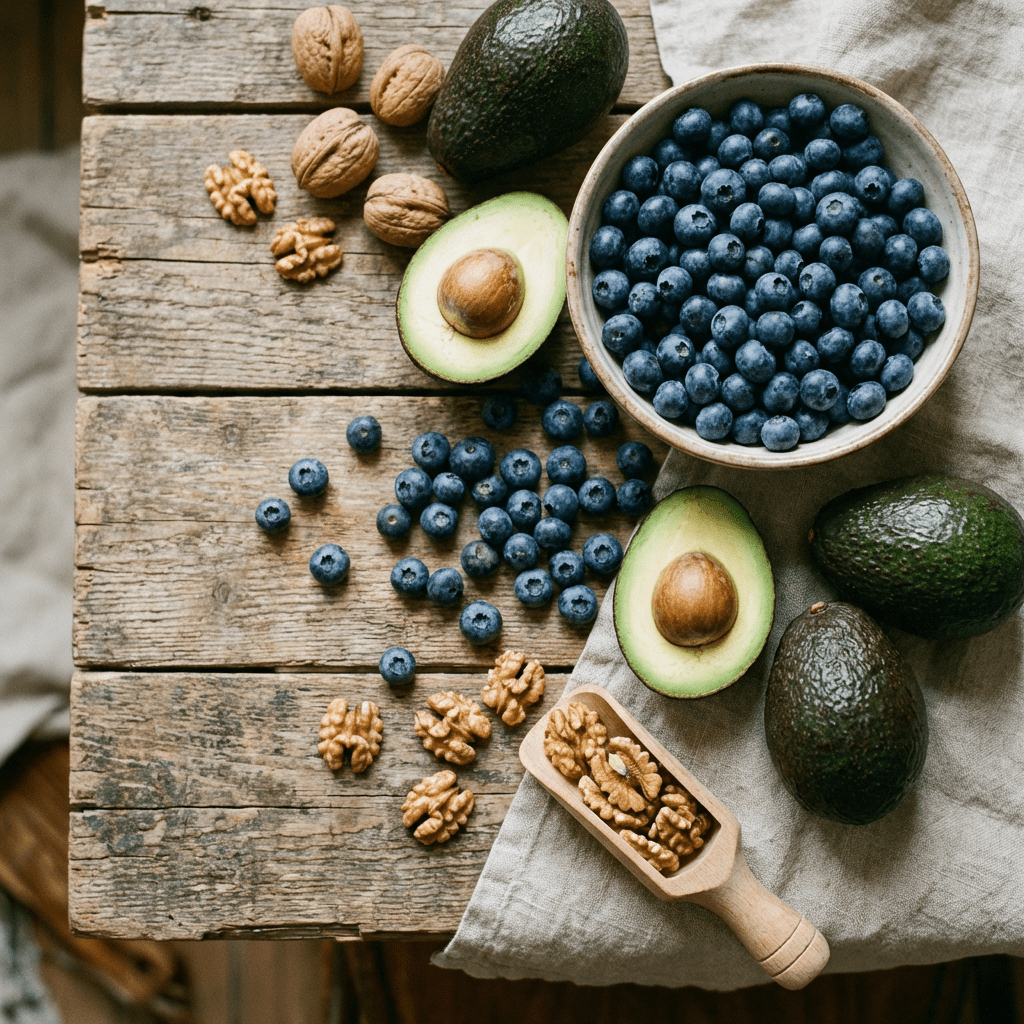


What if the secret to protecting your liver was in your kitchen? Your liver cleans up toxins and pulls nutrients from your food. When it’s overwhelmed, your body suffers. The good news is simple: eating the right foods can help.
You don’t need fancy supplements or hard meal plans. Research highlights three foods that help reduce liver fat and balance blood sugar and cholesterol. These foods can change your health from the inside. Today, we’ll dive into why they’re so powerful.

Your liver processes everything you eat. Choosing the right foods gives them the tools to work better. The three foods we’ll explore have compounds that fight inflammation and reduce liver fat.
Key Takeaways
- Your liver controls blood sugar and cholesterol levels, making diet choices critical for liver health
- Three specific foods have strong scientific backing for fighting liver fat and protecting liver function
- Blueberries contain antioxidants that shield your liver from damage at the cellular level
- Avocados provide healthy fats that reduce liver inflammation and support detoxification
- Walnuts offer omega-3 fatty acids that lower harmful cholesterol and protect liver tissue
- Adding these foods to your meals can help prevent non-alcoholic fatty liver disease
- Small dietary changes create big results when you choose liver-supporting foods consistently
Understanding Non-Alcoholic Fatty Liver Disease and Its Connection to Diet
Your liver is key in breaking down nutrients and energy from food. Eating too much unhealthy food leads to fat buildup in your liver. This condition, non-alcoholic fatty liver disease, is common and linked to being overweight. It affects millions in the U.S.
It’s now one of the top liver issues in the U.S. About 1 in 4 adults has it. Knowing about your liver’s health is crucial for your well-being.

What Happens When Fat Builds Up in Your Liver
Excess fat in your liver makes it harder for your liver to function properly. Being overweight or obese puts extra pressure on your liver. This can cause inflammation in your liver tissue.
If not treated, this inflammation can lead to scarring or cirrhosis. In bad cases, it might even cause liver cancer. Your diet is key to stopping this damage.
Common Symptoms and Risk Factors You Should Know
Many people with fatty liver disease don’t show symptoms. Some might feel:
- Fatigue and weakness
- Discomfort on the right side of your upper abdomen
- General feelings of being unwell
Several factors increase your risk of getting this condition:
| Risk Factor | Connection to Fatty Liver |
|---|---|
| Excess body weight | Extra weight around your waist strains your liver |
| Type 2 diabetes or insulin resistance | Disrupts how your liver processes sugar |
| High cholesterol and triglycerides | Increases fat storage in liver cells |
| Poor diet choices | High-fat and high-sugar foods worsen the accumulation |
Knowing these risk factors helps you see your own risk. The good news? Changing your diet can reverse early-stage fatty liver disease and stop serious problems.
3 Foods That Fight Liver Fat, Regulate Sugar and Cholesterol
If you’ve been worried about your liver health, there’s good news. Your body can heal itself with healthier choices. You don’t need to follow extreme diets or spend a lot on supplements. Simple food choices can greatly improve your liver’s function and your body’s handling of blood sugar and cholesterol.
Scientists have found that certain whole foods protect your liver. These foods aren’t just healthy; they’ve been studied and proven to fight liver damage. By knowing what these foods do, you can take charge of your health.

The 3 foods that fight liver fat, regulate sugar, and cholesterol work in different ways. One gives your liver antioxidants to protect it. Another has healthy fats that boost your metabolism. The third has omega fatty acids and protective compounds.
You’re about to learn which foods these are and how they help your liver. Each food is easy to find, affordable, and simple to add to your meals. Understanding why these foods are important can lead to real changes in your liver, blood sugar, and heart health.
- Antioxidant-rich options that protect liver cells
- Foods containing beneficial monounsaturated fats
- Sources of omega-3 and omega-6 fatty acids
Your journey to better liver health starts with learning about these three foods. They work together to support your body’s natural healing.
Blueberries: Small but Powerful Antioxidant Protection
Blueberries might not be the first thing you think of when protecting your liver. But they are small and powerful in fighting liver damage. These tiny fruits are packed with nutrients your liver needs. Inside each berry, there are compounds that help your liver work its best.
Your liver battles free radicals and inflammation every day. These harmful molecules damage your cells and can lead to fatty liver disease. Blueberries have special compounds that protect your liver cells. Knowing how these berries work can help you make better choices for your liver health.

How Polyphenols Shield Your Liver from Damage
Polyphenols in blueberries protect your liver cells. When you eat these berries, polyphenols start working right away. They neutralize harmful free radicals that could damage your liver tissue.
Think of polyphenols as bodyguards for your liver. They:
- Reduce oxidative stress that damages liver cells
- Fight inflammation that leads to fatty liver disease
- Support your liver’s natural detoxification processes
- Help your liver filter toxins more efficiently
Your liver works nonstop to process nutrients and remove toxins. Polyphenols give your liver the support it needs to handle this work without getting overwhelmed and storing fat.
The Science Behind Blueberries and Metabolic Health
Research shows blueberries may protect against metabolic dysfunction-associated steatotic liver disease (MASLD). This condition occurs when fat builds up in your liver due to a poor diet and metabolic problems. Blueberries are small but powerful defenders against this disease.
The antioxidants in blueberries improve your body’s sugar processing and cholesterol management. When your body processes sugar better, your liver doesn’t have to work as hard. This means less fat storage in liver cells and better overall metabolic function.
| Benefit | How It Helps Your Liver |
|---|---|
| Improved Insulin Sensitivity | Your liver stores less fat when insulin works properly |
| Better Blood Sugar Control | Stable blood sugar reduces fat accumulation in liver tissue |
| Reduced Inflammation | Less inflammation means slower progression of liver disease |
| Enhanced Antioxidant Defense | Protects liver cells from oxidative damage |
To add blueberries to your daily routine, try these simple options:
- Add a handful to your morning oatmeal or cereal
- Mix them into plain yogurt for a healthy snack
- Blend them into smoothies with spinach and protein powder
- Eat them fresh as a convenient on-the-go snack
If blueberries aren’t your favorite, other foods rich in polyphenols offer similar benefits. Dark chocolate, olives, and plums are good for your liver health. The key is finding options you’ll consistently eat. Your liver will thank you for choosing these nutrient-dense foods over processed snacks.
Avocado: The Creamy Superfood Your Liver Loves and Walnuts: The Crunchy Snack That Reduces Inflammation
Blueberries protect your liver with antioxidants. Now, let’s look at two more foods. Avocado and walnuts offer unique benefits for your liver health.
Avocado: The Creamy Superfood Your Liver Loves
Avocado contains compounds such as phenols and monounsaturated fatty acids. These fight inflammation and oxidative stress in your liver cells. A 2015 study showed it may lower blood lipids and prevent liver damage in people with non-alcoholic fatty liver disease.
Research from 2019 found that avocados can lower the risk of metabolic syndrome and heart disease. A 2022 study found avocado oil reduces fatty liver disease by improving energy production.
You can add avocado to your meals in simple ways:
- Spread it on whole-grain toast for breakfast
- Mix it into salads for lunch
- Blend it into smoothies
- Use it as a healthy fat replacement in recipes

Walnuts: The Crunchy Snack That Reduces Inflammation
Walnuts are special because they have high levels of omega-3 and omega-6 fatty acids. They also have antioxidants called polyphenols.
A 2019 study found that eating nuts lowers the risk of fatty liver disease. Walnuts were found to be very beneficial. A 2021 study showed that eating walnuts five or six times a week greatly reduces liver fat.
Add walnuts to your diet by:
- Sprinkling them on salads
- Mixing them into oatmeal
- Adding them to yogurt
- Eating a handful as a snack instead of processed foods
| Food | Key Compounds | Main Benefits | Study Results |
|---|---|---|---|
| Avocado | Phenols, Monounsaturated Fatty Acids | Reduces inflammation, decreases oxidative stress, and improves cell energy | Lowers blood lipids, prevents liver damage in NAFLD |
| Walnuts | Omega-3 and Omega-6 Fatty Acids, Polyphenols | Reduces inflammation, Fights oxidative stress, Improves insulin sensitivity | Greater liver fat loss with 5-6 weekly servings |
Avocado and walnuts support your liver health in different ways. Together with blueberries, they create a strong diet for managing liver fat and protecting your metabolic health.
Conclusion
You now know how to make a difference. Blueberries, avocados, and walnuts are easy to add to your meals. They’re packed with nutrients your liver loves. Just a few seconds to add blueberries to oatmeal, or a slice of avocado to your salad.
Snacking on walnuts is a healthier choice than junk food. Small changes can lead to big improvements over time.
Improving your liver health is possible through better lifestyle choices, such as a healthy diet. Your liver can heal itself with the right support. A balanced diet, exercise, and a healthy weight are key.
These actions help reduce liver fat and improve the handling of sugar and cholesterol. You don’t need expensive supplements or big changes to see benefits.
Remember, these dietary changes are powerful but part of a bigger healthy lifestyle. If you have advanced liver disease, diet alone might not reverse damage. Always talk to your doctor, and seek help if you notice unusual weight loss, fatigue, or abdominal pain.
Your effort to nourish your liver is an investment in your health. Eating these foods can regulate blood sugar, lower cholesterol, and reduce liver fat. Start today by adding one of these foods to your meal. Your liver will thank you, one bite at a time.


 trim down and shape up
Leave a comment