


What if everything you believed about protein sources was incomplete? Many people think you need meat for high-quality protein. But there’s a whole world of plant-based foods that are also packed with protein.
Your body needs protein to function well. It repairs and builds muscle cells. It also strengthens bones and the immune system. Plus, it regulates hormones and keeps you full longer. You don’t need animal products for these benefits.
Plant-based proteins come from beans, nuts, seeds, and soy. These foods offer protein and lots of fiber, antioxidants, vitamins, and minerals. Eating more plant-based foods may lower your risk for heart disease and diabetes.
Whether you’re vegan, vegetarian, or just looking for different protein sources, plant-based options are great. You can easily meet your daily protein needs with smart food choices. This guide will show you the best plant-based protein and why it’s good for your fitness and health.

Key Takeaways
- Plant-based proteins from beans, nuts, seeds, and soy deliver the high-quality protein your body needs.
- Protein builds muscle, strengthens bones, boosts immunity, and helps regulate hunger hormones.
- Plant proteins offer additional benefits, such as fiber and antioxidants, that meat cannot provide.
- A plant-forward diet lowers your risk for chronic diseases like heart disease and type 2 diabetes.
- You can meet your daily protein requirements entirely through a plant-based diet.
- Plant-based foods are rich in vitamins and minerals that support overall health and wellness.
- Adding plant proteins to your diet works for vegans, vegetarians, and meat-eaters wanting variety.
Why Plant-Based Protein Deserves a Place on Your Plate
Plant-based proteins do more than just help build muscle. They are great for everyone, whether you eat meat or are a vegetarian. Adults should aim for 20-40 grams of protein at each meal. Adding high-protein vegan and vegetarian foods to your diet can help meet this goal and offer health benefits that animal products can’t provide.
Plant-based proteins are packed with nutrients. They have fiber, antioxidants, vitamins, and minerals. These work together to boost your overall health.

The Health Benefits Beyond Muscle Building
Plant-based proteins offer many health benefits beyond muscle building. They support gut health, reduce inflammation, and lower cholesterol. Your heart also benefits, as these foods can improve blood sugar control and lower disease risk.
- Support healthy digestion and gut bacteria growth
- Reduce inflammation in your body
- Lower cholesterol and improve heart health
- Help regulate blood sugar levels
- Provide antioxidants that protect your cells
Complete vs. Incomplete Proteins: What You Need to Know
Some think plant proteins are “incomplete” because they lack certain amino acids. But this is a common myth. Complete proteins have all nine essential amino acids your body can’t make. Incomplete proteins lack one or more of these.
Don’t worry, your body doesn’t need every amino acid at every meal. Eating a varied diet with enough total protein throughout the day is key. This way, you can enjoy plant-based eating without worrying about pairing foods at each meal.
| Protein Type | Contains All 9 Amino Acids | Examples | Best Use |
|---|---|---|---|
| Complete Proteins | Yes | Soy, quinoa, hemp seeds | Single meal protein source |
| Incomplete Proteins | No | Beans, lentils, nuts | Combined throughout the day |
The Dietary Guidelines for Americans recommend that females aged 19 and older consume at least 46 grams of protein daily. Males aged 19 and older should aim for 56 grams. Many experts suggest active individuals eat even more, about half a gram per pound of body weight, to get the most protein benefits.
The No. 1 Healthiest Plant-Based, High-Protein Food
Looking for the top plant-based protein? Tempeh is your go-to. It packs 34 grams of protein per cup, leading all plant-based proteins. Tempeh is fermented soybeans pressed into a firm block. This process boosts digestibility and adds probiotics for your gut.
Tempeh’s texture crumbles like meat, making it super versatile. Use it in wraps, salads, or as a protein in curries and stews. Its nutty flavor is perfect for grilling after marinating.

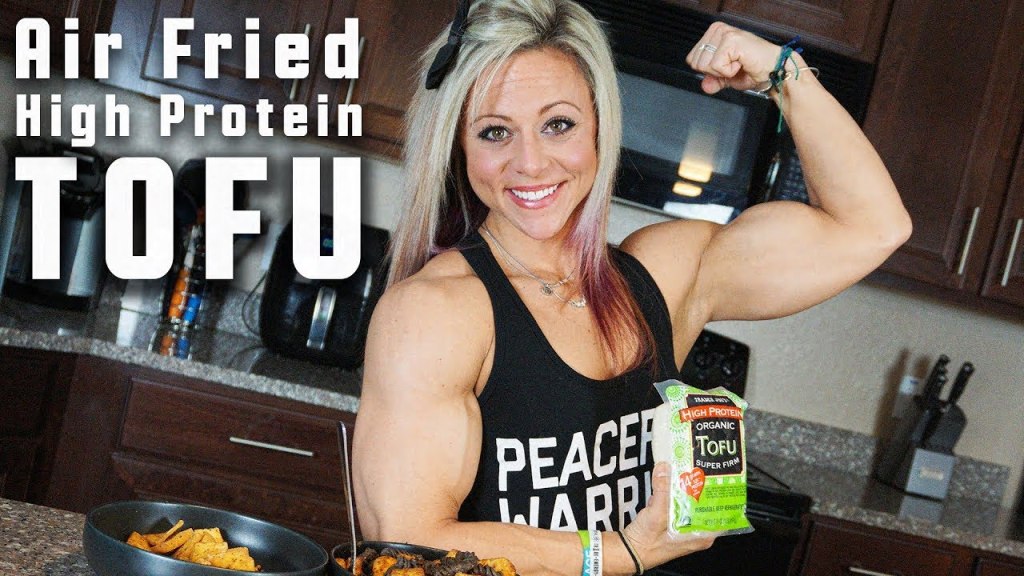
Tofu is your next best bet. It offers 20 grams of protein per cup and comes in several types:
- Silken tofu
- Soft tofu
- Firm tofu
- Extra-firm tofu
Tofu is great for those with digestive issues. It’s low in FODMAPs, avoiding gas and bloating. A quarter block has 15 grams of protein, plus iron and calcium.
Tofu is incredibly versatile. You can bake or pan-fry it for meals. Crumble it into pasta or air-fry it for a snack. It soaks up flavors well.
Both tempeh and tofu are complete proteins. They have all nine essential amino acids your body needs. This makes them as good as animal proteins for your diet.
Top Plant-Based Protein Sources to Add to Your Diet
You don’t need to stick to just one protein source for a strong plant-based diet. Trying new foods can add flavor and nutrition. There are many great options for different tastes and cooking styles.

Soy-Based Powerhouses: Tofu and Edamame
Soy products are complete proteins, meaning they have all nine amino acids your body needs. Edamame, those green soybeans, have 18 grams of protein per cooked cup. They also have fiber, magnesium, manganese, folate, vitamin K, and iron.
You can use edamame in many ways:
- Toss frozen shelled edamame into stir-fries and grain bowls
- Add them to salads for a protein boost
- Enjoy roasted edamame as a convenient on-the-go snack
- Mix them into soups and pasta dishes
Legumes and Lentils for Maximum Nutrition
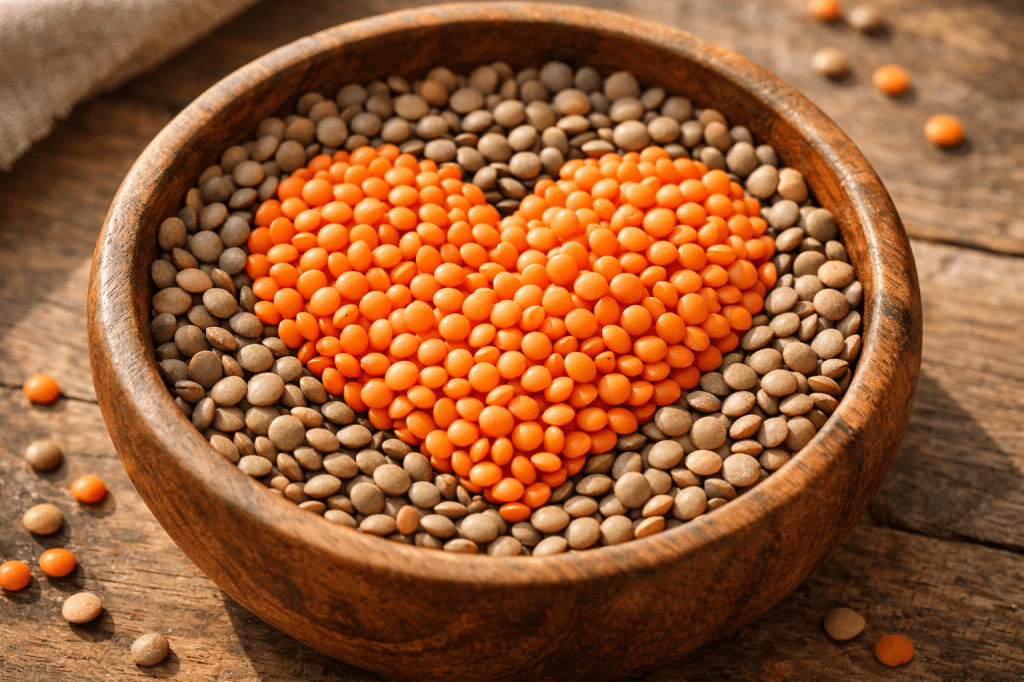
Lentils are affordable and versatile. One cooked cup has 18 grams of protein and 16 grams of fiber. They are also a good source of iron, important for plant-based eaters.
Dried lentils cook quickly and are great in:
- Soups and stews
- Pasta sauces
- Tacos and sloppy joes
- Rice bowls and salads
Chickpeas are another legume option with 15 grams of protein and nearly 13 grams of fiber per cooked cup.
Seeds and Grains That Pack a Protein Punch
Seeds and grains add nutrition to your meals. Hemp hearts have 10 grams of protein in just 3 tablespoons. They are also rich in iron, potassium, fiber, and omega-3 fats. Quinoa has 8 grams of protein per cooked cup with 5 grams of fiber.
| Food Source | Protein Per Serving | Key Nutrients | Best Uses |
|---|---|---|---|
| Pumpkin Seeds (1 oz) | 8 grams | Magnesium, zinc | Sprinkle on salads, yogurt, oatmeal |
| Sunflower Seeds (1 oz) | 5 grams | Polyunsaturated fat, fiber | Blend into smoothies, top grain bowls |
| Hemp Hearts (3 tbsp) | 10 grams | Omega-3 fats, iron | Add to smoothie bowls, breakfast dishes |
| Quinoa (1 cup cooked) | 8 grams | Complete amino acids, fiber | Base for bowls, side dishes, salads |
Adding seeds to oatmeal, yogurt, and salads or blending them into smoothies boosts protein. Mixing these foods into your diet meets your protein needs and adds vitamins, minerals, and healthy fats.
Conclusion
Now you know plant-based proteins are key to good nutrition. They should be as important as animal proteins. Tempeh is the top choice, with 34 grams of protein per cup and all essential amino acids.
Tofu and edamame are close seconds in the soy family. These foods prove that plant proteins are just as good as animal ones.
Plant-based proteins offer benefits that animal proteins can’t. Foods like lentils, chickpeas, hemp hearts, and quinoa add fiber, antioxidants, vitamins, and minerals. Eating more plant-based meals can lower disease risks.
These foods support your heart, digestion, and blood sugar. They’re a win-win for your health.
Start adding plant-based proteins to your meals today. If you’re new, start small. Try edamame in your stir-fry or lentils in pasta sauce. Tofu can be a fun new addition, too.
These small steps can lead to big health benefits. Mixing different plant proteins in your meals meets your protein needs and adds variety.
You’re ready to make smart choices about plant-based proteins. Your body will thank you. Plant proteins can help you reach your health and fitness goals. Explore this world and feel the energy of positive change.
 trim down and shape up
Leave a comment