-

Foods That Shorten Your Lifespan: Expert Insights
Diet significantly influences longevity, with certain foods accelerating aging and harming health. Experts recommend avoiding processed sugars, high-sodium items, and refined grains while favoring minimally processed plant foods. Understanding food…
-
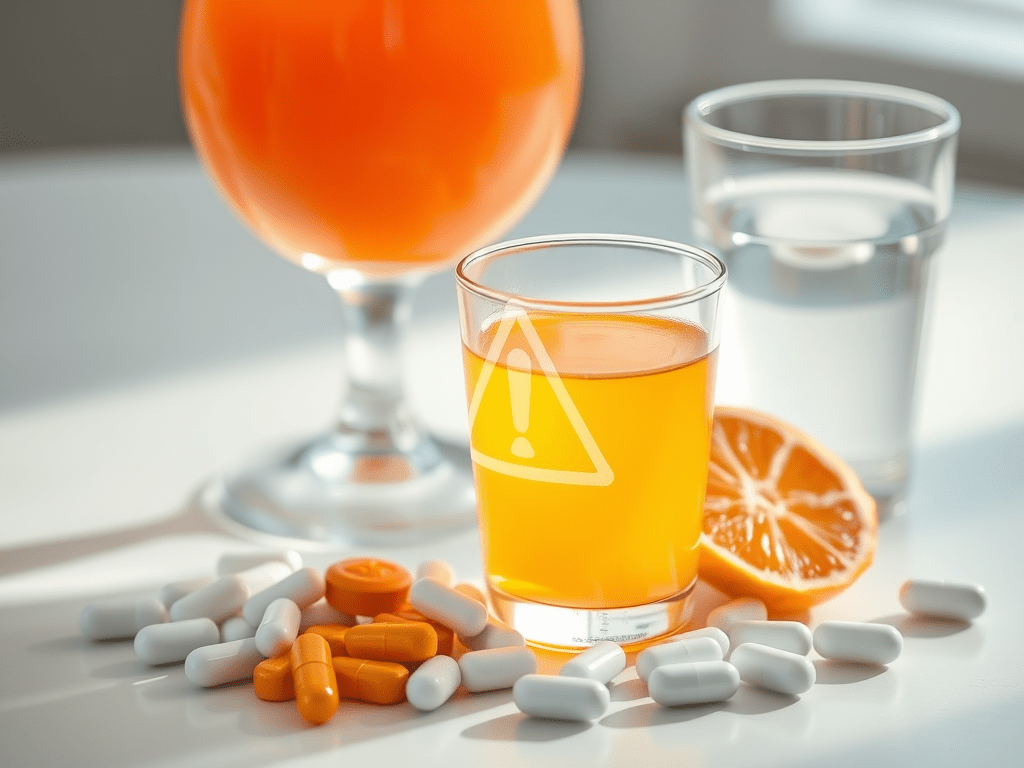
Avoid These Juices with Your Medications
Nearly 70% of Americans take daily medications, and certain fruit juices can dangerously interfere with them. Juices like grapefruit, orange, and cranberry may raise drug levels or inhibit absorption, potentially…
-
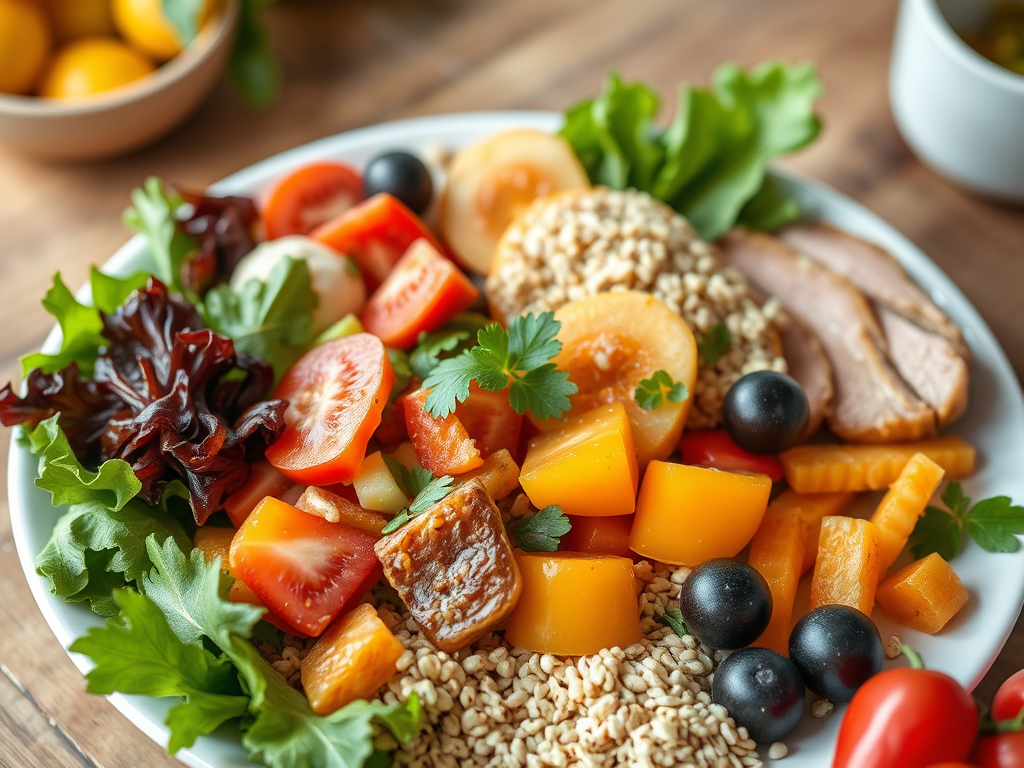
9 Foods Americans Should Avoid After Turning 50
As Americans turn 50, dietary choices become crucial for maintaining health and energy. A significant portion risks health problems due to poor food choices. This guide emphasizes avoiding nine specific…
-
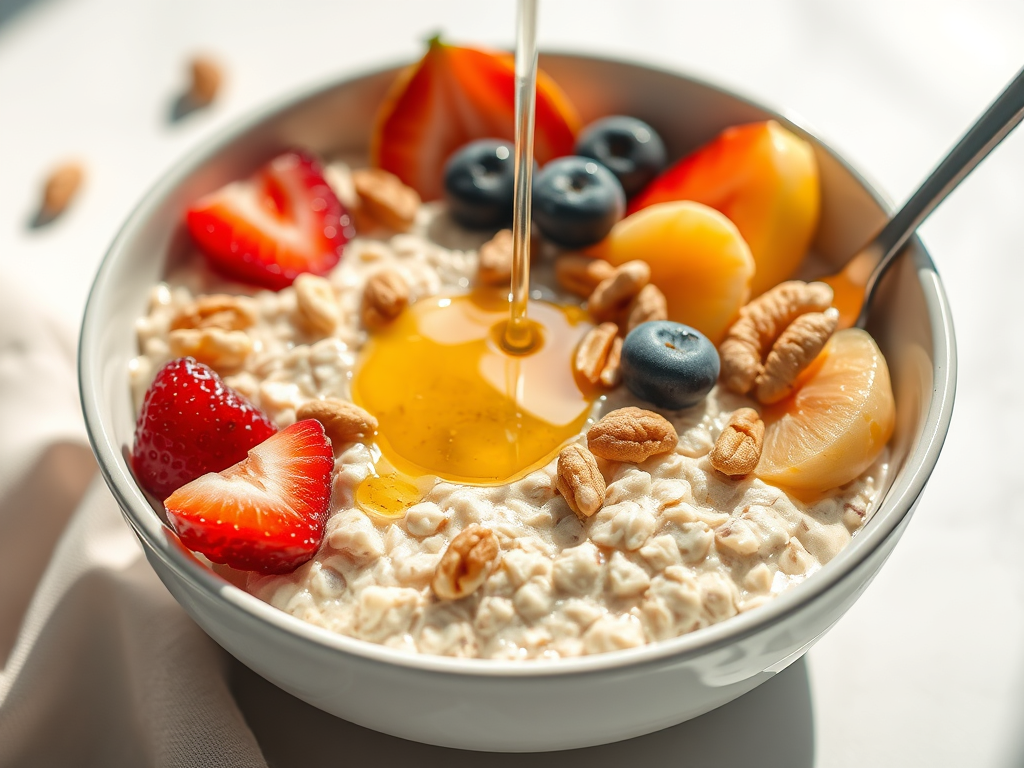
The Health Benefits of Eating Oatmeal for Breakfast
Seventy-five percent of Americans skip breakfast, missing out on nutritious opportunities like oatmeal. Oatmeal supports heart health, stabilizes blood sugar, and aids weight management due to its fiber content. Choosing…
-

5 Classic Strength Moves that Build More Muscle than Machines After 40
Men over 40 should prioritize strength training to combat age-related muscle loss, which can drop by 3-8% each decade. Classic compound exercises like squats, deadlifts, push-ups, and rows are more…
-
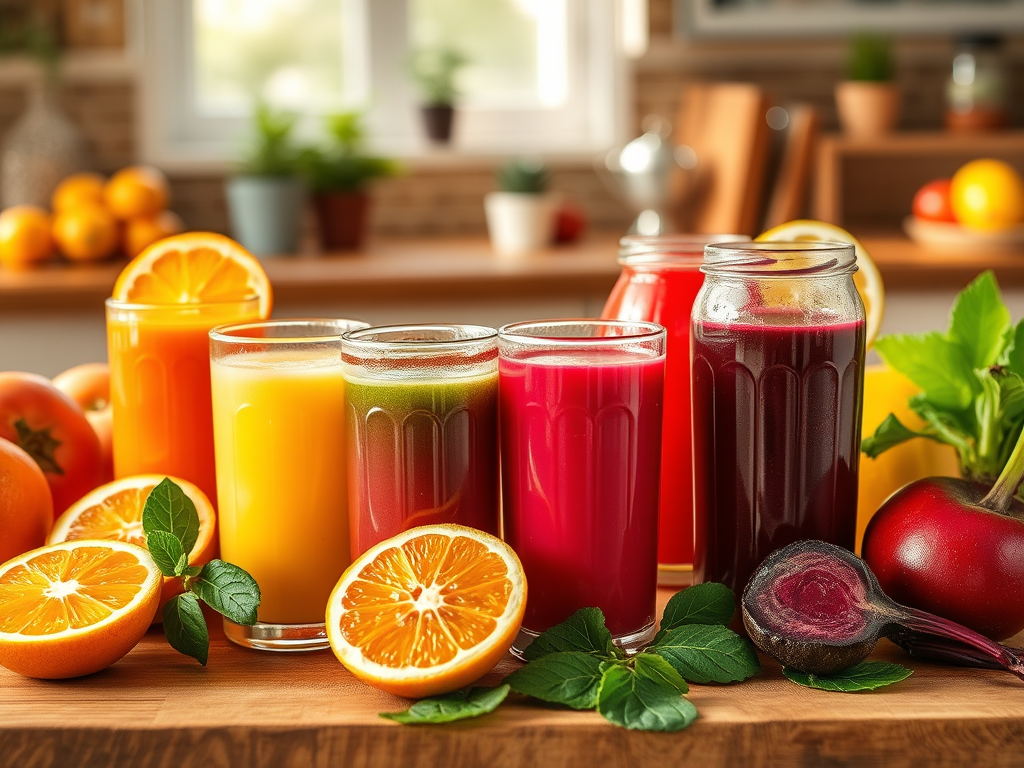
Top Juices for Cholesterol Management Explained
Recent research indicates that certain juices, like those from citrus and beets, can help manage cholesterol levels by providing antioxidants and plant nutrients. High cholesterol affects 71 million Americans, increasing…
-
Neurologists warn: These 3 common foods could quietly harm your brain over time
Neurologists warn that three common foods—sugary drinks, margarine, and fried foods—can harm brain health and cognitive function. A diet rich in whole, unprocessed foods, especially the Mediterranean diet, helps protect…
-

10-Second Balance Test: A Simple Longevity Predictor
The 10-second balance test is a simple yet significant health assessment that can indicate potential longevity. Research shows that individuals unable to balance for this duration face an 84% increased…
-
Ease Digestive Discomfort Naturally
This guide emphasizes natural solutions to enhance digestive health, addressing issues like bloating and irregularity without harsh medications. It outlines the importance of hydration, fiber-rich foods, probiotics, and lifestyle adjustments,…
-

How Cold Weather Affects Arthritis Symptoms
Cold weather exacerbates arthritis symptoms for 50 million Americans, causing increased stiffness and pain. Factors like synovial fluid thickening, reduced circulation, and muscle tension contribute to this discomfort. Effective management…


-
Subscribe
Subscribed
Have a WordPress.com account? Log in now.

