Exercise and fitness
Exploring various aspects of the wide world of exercise and physical fitness.
-

Exercising After 50, Here’s Some Things NOT to Do!
After turning 50, it’s crucial to exercise with caution to prevent injury and stay healthy. Avoid heavy weightlifting and intense cardio, and approach exercises like shoulder presses, leg extensions, and…
-
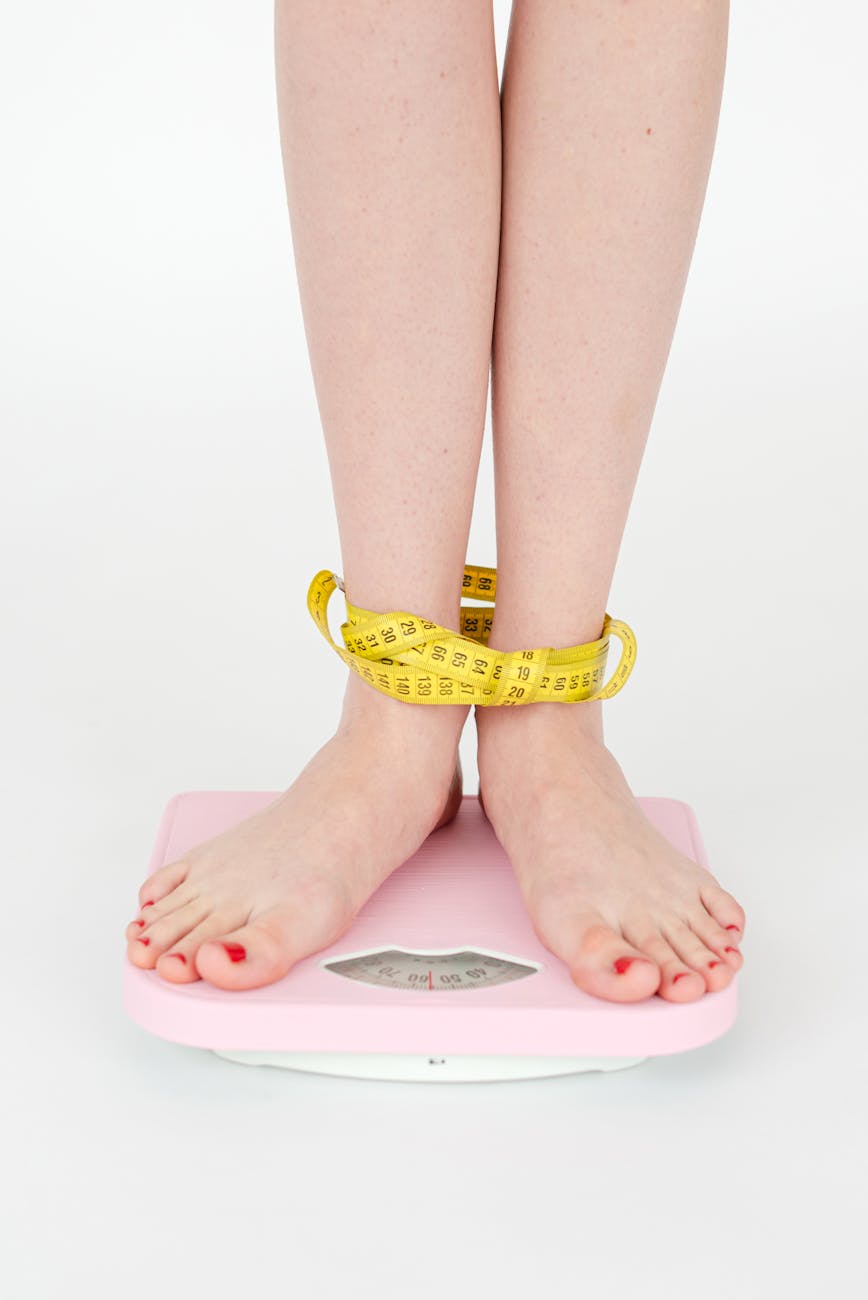
Lose Weight Naturally, Don’t Make This Harder Than It Is!
Losing weight can be challenging, especially due to factors like hormone imbalance and metabolism. Diet sodas can trigger cravings and addiction, hindering weight loss. Prioritizing protein-rich foods and staying hydrated…
-

For Muscle Growth Avoid These Nutritional Mistakes
Engaging in muscle-building activities can slow age-related cognitive decline and reduce the risk of neurodegenerative diseases. Building muscle also improves heart health, lowers the risk of cardiovascular diseases, and helps…
-

You Don’t Need any Pills or Videos, Just these 5 daily habits for optimal mental and physical health
Andrew Huberman, a Stanford neurobiology and ophthalmology professor, emphasizes five simple daily habits for optimal mental and physical health. These include adequate sleep, exposure to sunlight, regular movement, proper nutrition,…
-

Regular Runs Unleash a Barrage of Benefits for Your Brain
Regular running provides an immediate cognitive boost, defends against degenerative diseases, and enhances mental health. It sharpens focus, improves memory, and fosters emotional resilience. Running also preserves brain volume, enhances…
-
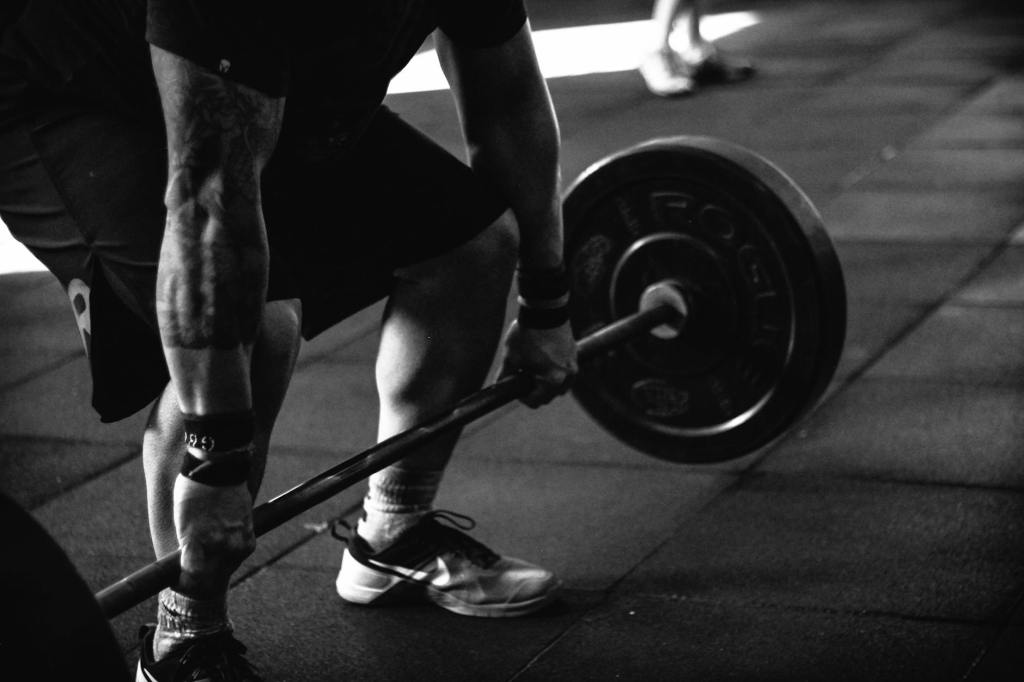
3 Game-Changing Tips if You’re Over 50 and Losing Muscle
As we age, muscle loss (sarcopenia) becomes more common. Resistance training and a proper diet with lean protein and complex carbs are crucial for reversing muscle loss. Checking hormone levels,…
-

Exercises That Help You Cheat Death
Regular exercise, such as brisk walking or running, reduces the risk of premature death by about a third. Mixing up your workout routine and enjoying different activities is crucial. Strength…
-
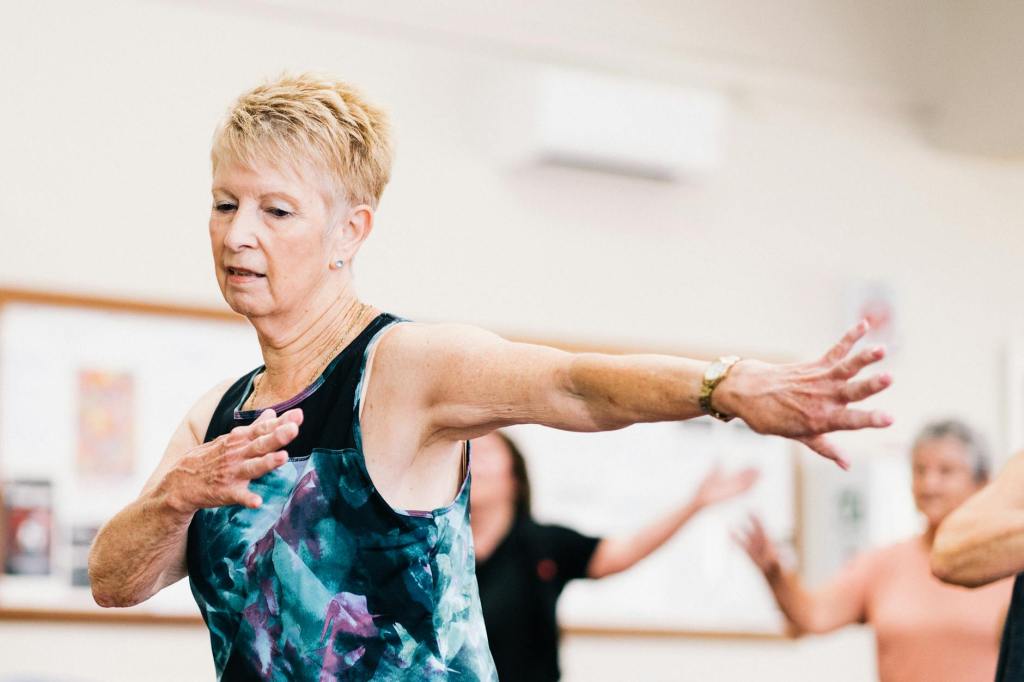
Controlling Menopause, The Key is Exercise Not Drugs
Regular exercise has been shown to be twice as effective as antidepressants in managing menopause symptoms and improving mental health. It releases endorphins, reduces stress, improves mood, and can alleviate…
-

Morning, Afternoon or Evening, Which One is the Best Time for Exercise?
Exercising at night may lower the risk of heart disease and mortality, while morning workouts can establish a fitness routine and improve sleep. Regardless of the specific hour, consistency is…
-

Simple Longevity Exercise for Anyone, No Gym Needed
Regular stability exercises improve flexibility, balance, and reaction time, fortifying your body against aging. They also enhance core strength, enabling better movement. Exercise plays a crucial role in achieving longevity,…


 trim down and shape up