mental-health
-
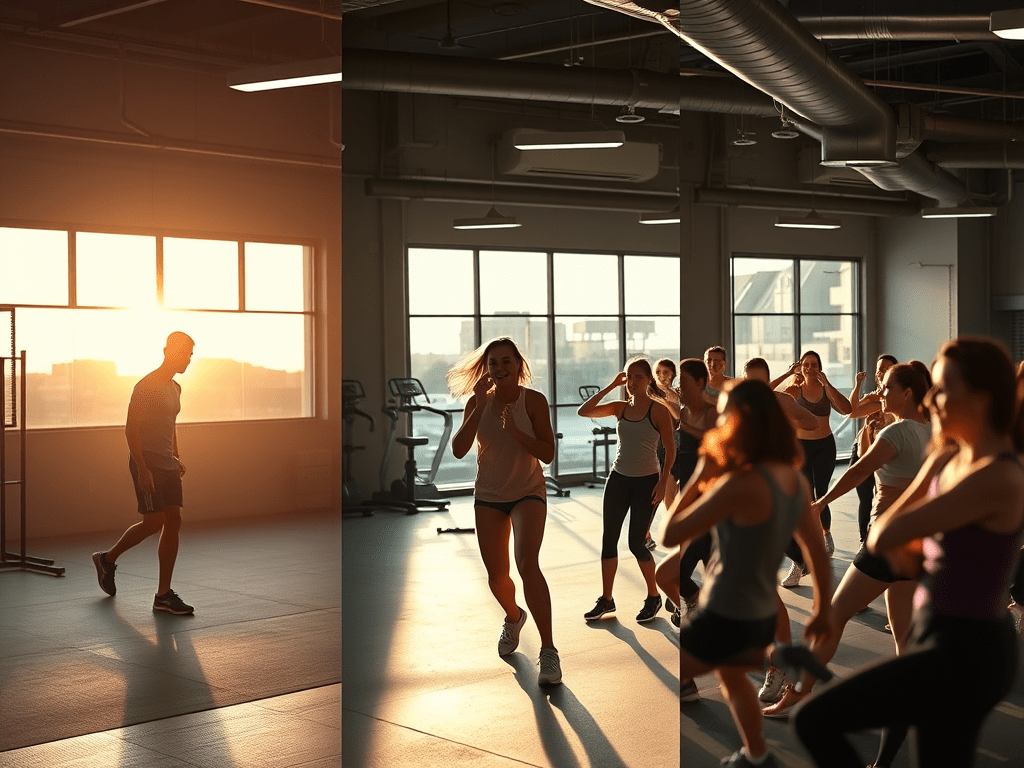
Is It Better to Work Out Alone, With a Friend, or in a Group?
The success of fitness routines often hinges on training styles: solo workouts, partner sessions, or group classes. Research shows group participants achieve a 95% success rate compared to 75% quit…
-

Can an Exercise Program Reverse Chronic Illness?
Chronic diseases account for 72% of global deaths, but structured physical activity can help reclaim health. Research shows movement provides systemic benefits comparable to medication, reducing risks of heart disease,…
-
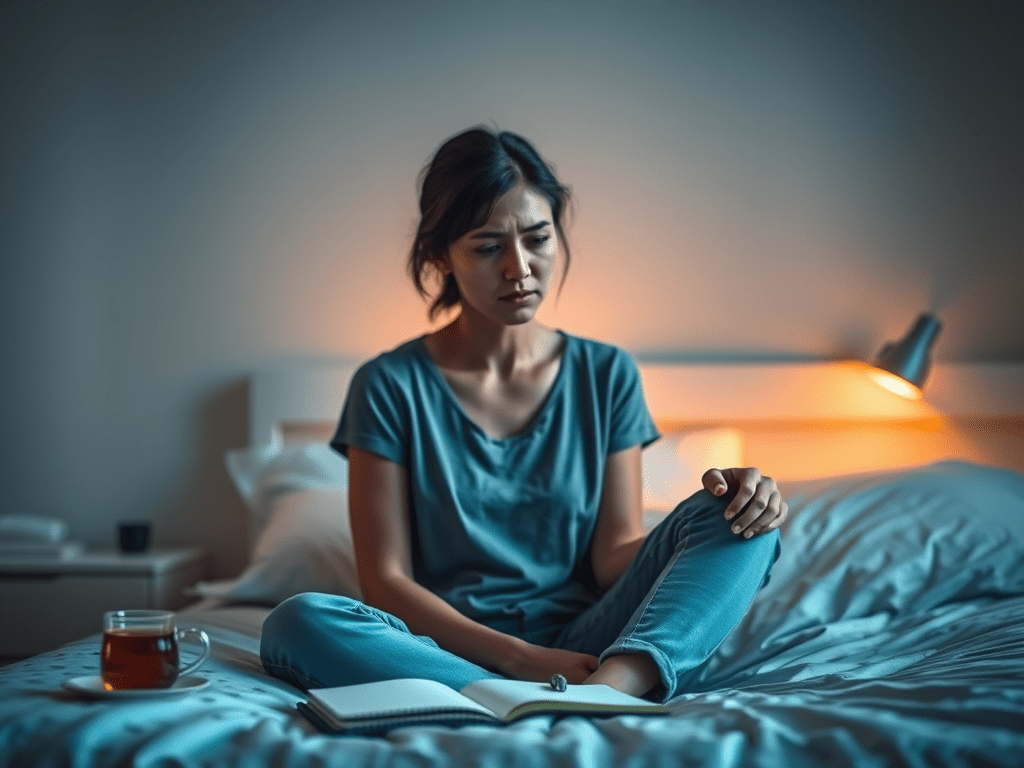
Interstitial Cystitis: Symptoms, Causes & Treatment Options
Interstitial cystitis, affecting 3-8 million in the U.S., causes chronic bladder discomfort similar to UTIs but is not bacterial. Primarily impacting women, it disrupts daily life, inducing pain and urgency.…
-

Peripheral Neuropathy: Causes, Symptoms, Treatment & Prevention
Over 20 million Americans face nerve damage, particularly affecting those over 45. Peripheral neuropathy disrupts sensory and motor functions, resulting in symptoms like pain, weakness, and abnormal sensations. Risks include…
-

Improve Your Work-Life Balance: 8 Signs to Recognize & Solutions
The content discusses the detrimental effects of poor work-life balance, particularly in remote work environments. It highlights how constant connectivity leads to increased work hours, burnout, and strained relationships. Practical…
-

Harmful Foods & Drinks That Can Negatively Impact Mental Health
Poor dietary habits could lead to 65 million people facing dementia by 2030. Nutrition affects brain function and emotional health, with sugar, alcohol, and processed foods boosting inflammation and mood…
-

Vitamin K2: The Overlooked Superstar for Total Wellness
Vitamin K2 is a vital nutrient often overlooked, playing crucial roles in blood clotting and bone metabolism. It activates proteins like osteocalcin for calcium regulation in bones. Found in fermented…
-

Wake Up Well: A Healthier Morning Routine Made Simple
A structured morning routine significantly enhances productivity and well-being, reducing stress and boosting energy. Key elements include hydration, exercise, mindfulness, and limiting technology use. Personalizing these habits can create clarity…



 trim down and shape up