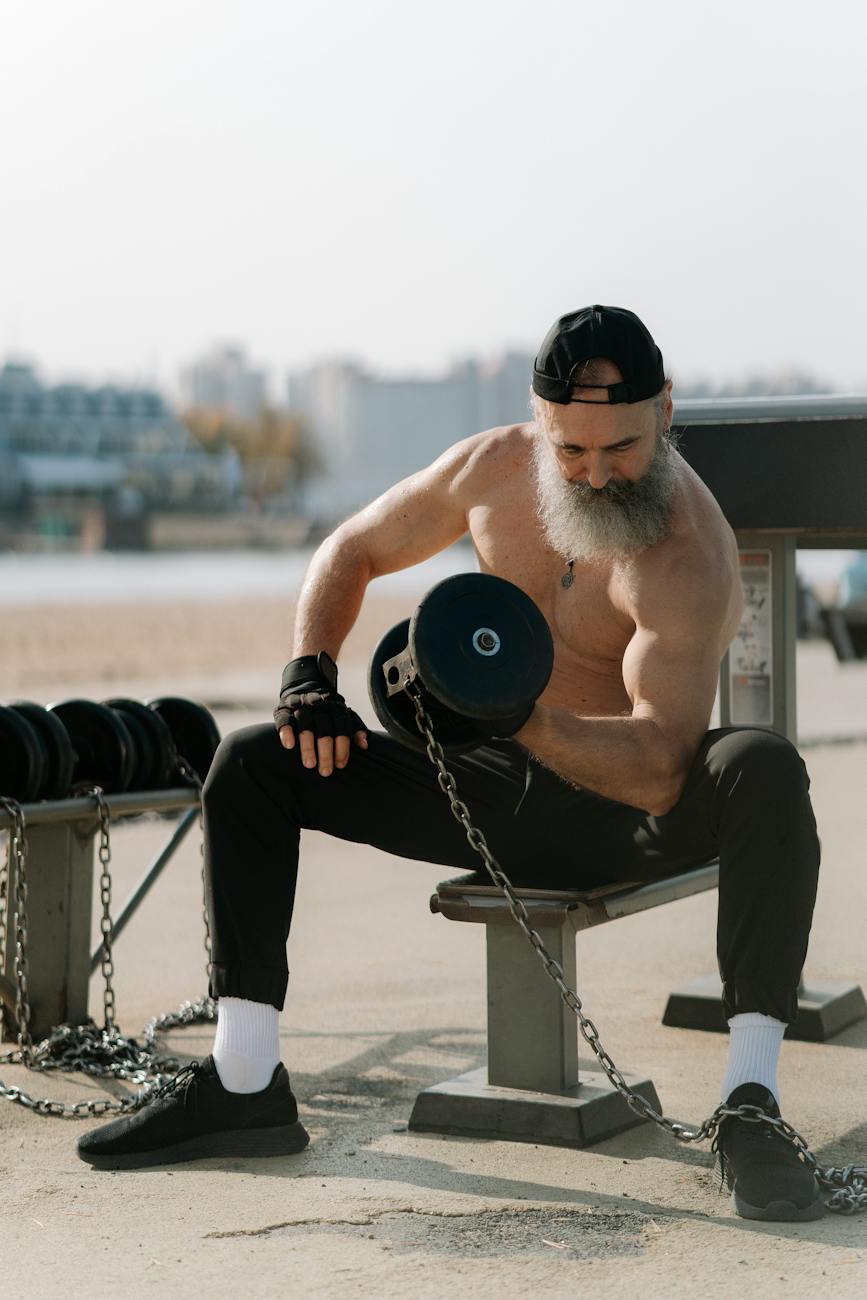


Aging is an inevitable part of life that can impact your physical and mental health. However, incorporating fitness, nutrition, and supplements into your lifestyle can greatly improve your overall well-being as you age.
Regular exercise helps strengthen your muscles and bones, supports brain health, boosts your immune system, and extends your lifespan. Proper nutrition, including adequate protein intake, is crucial for preserving muscle mass and function. Additionally, certain supplements like creatine and omega-3 fatty acids can enhance muscle health in older adults. By emphasizing these aspects of a healthy lifestyle, you can contribute to healthy aging and enjoy a vibrant and fulfilling life as you grow older.
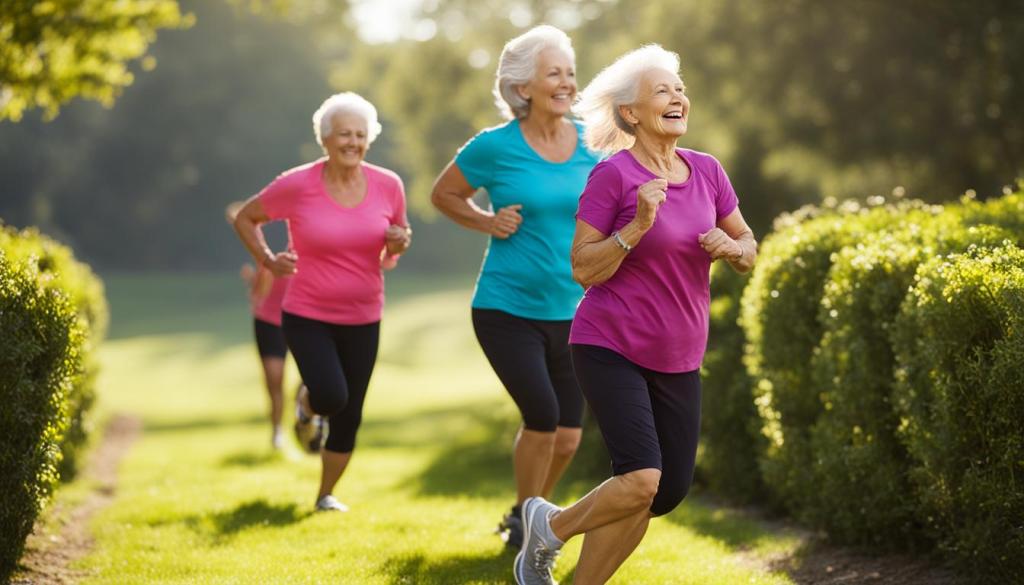
Key Takeaways:
- Fitness, nutrition, and supplements are essential for healthy aging.
- Regular exercise strengthens muscles and bones, supports brain health, boosts the immune system, and extends lifespan.
- Adequate protein intake is crucial for preserving muscle mass and function.
- Certain supplements like creatine and omega-3 fatty acids can enhance muscle health in older adults.
- Taking a holistic approach to healthy aging involves considering all aspects of your lifestyle, including exercise, nutrition, and overall well-being.
Stronger Muscles and Bones
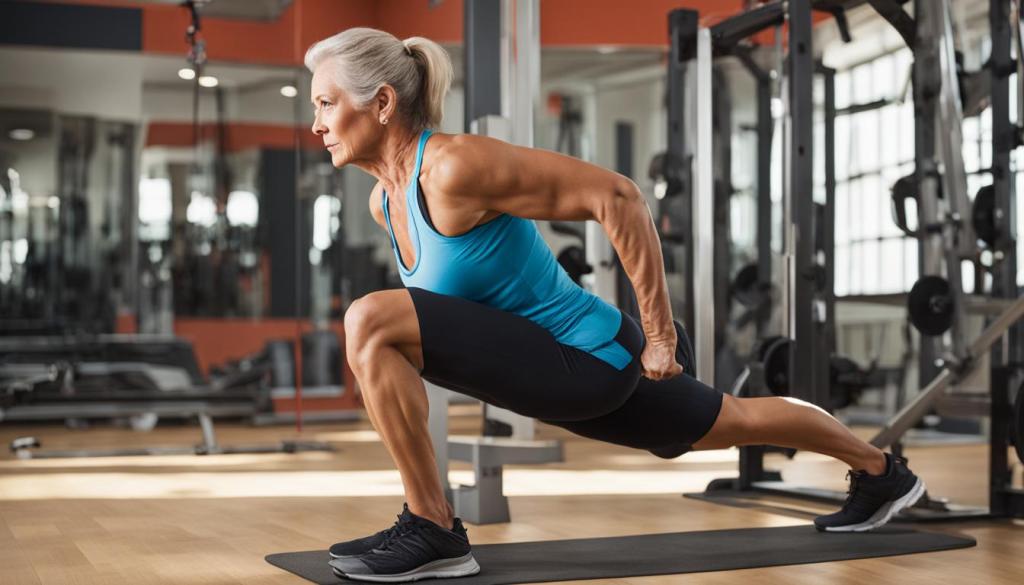
Aging can often lead to a loss of muscle mass and bone density, which can make it challenging to maintain an active lifestyle. However, incorporating regular exercise, especially strength training and weight-bearing exercises, can help prevent muscle decline and maintain muscle strength and power. It also contributes to the maintenance of bone density, reducing the risk of conditions such as osteoporosis and fractures.
Strength training exercises, such as lifting weights or using resistance bands, specifically target and strengthen the muscles. These exercises stimulate muscle growth and promote the retention of muscle mass, both essential for maintaining strong and functional muscles as we age. Weight-bearing activities, such as walking, jogging, or dancing, create resistance against gravity, which helps to strengthen bones and improve bone density.
By engaging in regular strength training and weight-bearing exercises, you can actively combat the natural muscle and bone decline that accompanies aging. These exercises not only help improve your physical fitness but also enhance your overall quality of life by increasing mobility, strength, and independence.
The Benefits of Strength Training:
- Prevents muscle decline
- Increases muscle strength and power
- Improves bone density
- Reduces the risk of osteoporosis and fractures
- Enhances mobility, strength, and independence
Incorporating strength training and weight-bearing exercises into your fitness routine is crucial for maintaining strong muscles and bones as you age. Speak with a fitness professional or trainer to develop a personalized exercise plan that suits your needs and abilities.
“Strength does not come from physical capacity. It comes from an indomitable will.” – Mahatma Gandhi
| Strength Training | Weight-Bearing Exercises |
|---|---|
| Targets specific muscles | Engages multiple muscle groups |
| Uses external resistance (weights, resistance bands) | Resistance provided by body weight and gravity |
| Improves muscle strength and power | Improves bone density and strength |
| Can be done with equipment or bodyweight | Can be done anywhere, no equipment required |
Learn more about rejuvenating your body while you sleep!
Healthier Brain
Aging can have an impact on cognitive function, including memory, attention, and thinking abilities. Age-related cognitive decline is a common occurrence, but regular exercise can significantly reduce the risk of cognitive decline and conditions such as Alzheimer’s disease. Studies have shown that intense or moderate exercise can slow down brain aging by up to 10 years. By engaging in physical activity, you can promote better blood flow to the brain, enhance neuroplasticity, and improve cognitive function, ultimately contributing to a healthier brain as you age.
Research has demonstrated the positive effects of exercise on cognitive function. In a study published in the journal Neurology, researchers found that individuals who engaged in regular physical activity had a 39% lower risk of developing Alzheimer’s disease compared to those with low physical activity levels.
“Exercise is one of the best-studied cognitive enhancers and can provide numerous benefits for brain health.”
Physical activity promotes neurogenesis, the growth of new neurons, and enhances synaptic plasticity, which is vital for learning and memory processes. It also stimulates the release of neurotrophic factors, such as brain-derived neurotrophic factor (BDNF), which support the survival and function of neurons.
Exercise and Cognitive Enhancement
Exercise plays a crucial role in cognitive enhancement, benefiting individuals of all ages. Regular physical activity has been shown to improve attention, executive function, and information processing speed. It can also enhance memory consolidation and retrieval, leading to better overall cognitive performance.
Additionally, exercise has a positive impact on mood and mental well-being. The release of endorphins during exercise promotes feelings of happiness and reduces stress and anxiety, contributing to cognitive health.
Benefits of Exercise on Cognitive Function
| Benefits | Explanation |
|---|---|
| Improved Memory | Exercise promotes the growth of new neurons and enhances memory consolidation and retrieval. |
| Enhanced Attention and Focus | Regular physical activity improves attention and information processing speed. |
| Increased Executive Function | Exercise positively impacts cognitive processes, including decision-making and problem-solving. |
| Reduced Risk of Age-related Cognitive Decline | Engaging in physical activity can significantly reduce the risk of cognitive decline and diseases like Alzheimer’s. |
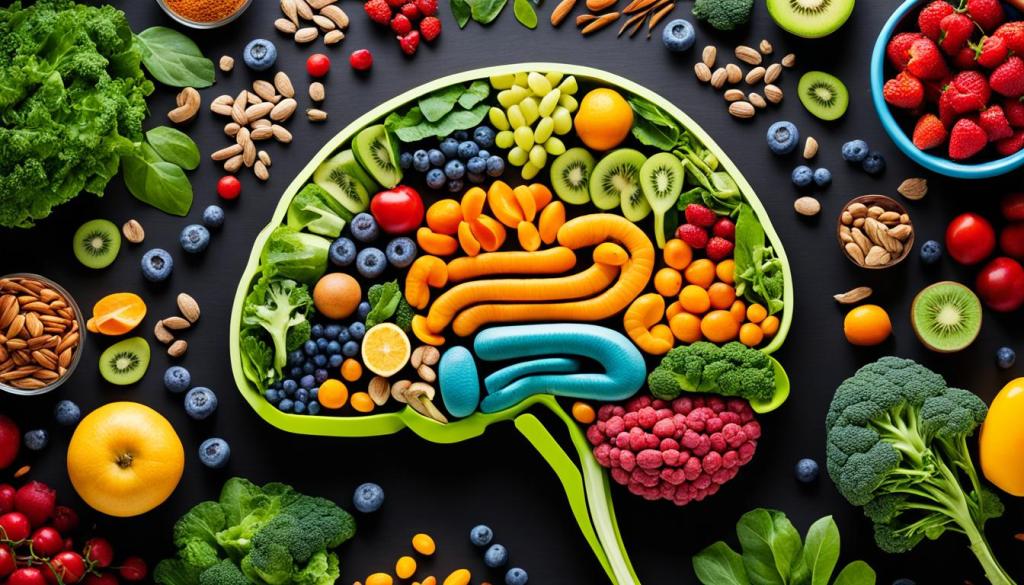
The benefits of exercise on cognitive function are well-established. Incorporating physical activity into your routine can contribute to a healthier brain and overall cognitive well-being. Whether it’s brisk walking, dancing, or participating in your favorite sport, finding enjoyable ways to stay active is key to maintaining cognitive vitality as you age.
More Robust Immune System
The immune system naturally weakens as we age, making older adults more susceptible to infections and diseases. However, regular exercise has been shown to have a positive impact on the immune system. Research suggests that older adults who engage in regular exercise exhibit immune systems that resemble those of younger individuals. Exercise helps maintain a healthy immune system by promoting the production of T cells, which play a crucial role in defending against illnesses and infections. By incorporating regular exercise into your routine, you can support a more robust immune system and reduce the risk of age-related health issues.
Exercise enhances the immune system in several ways:
- Increased circulation: Physical activity improves blood flow, allowing immune cells to travel more efficiently throughout the body, delivering necessary nutrients and removing waste products.
- Stress reduction: Exercise reduces stress levels, which can have a positive impact on the immune system. Chronic stress can weaken immune function, making individuals more susceptible to illness.
- Inflammation control: Regular exercise helps regulate the body’s inflammatory response. Chronic inflammation can impair immune function and contribute to the development of age-related diseases.
- Better sleep: Exercise can improve sleep quality, which is vital for a healthy immune system. During sleep, the body repairs and regenerates immune cells.
By prioritizing exercise and physical activity, you can strengthen your immune system and safeguard your health as you age.
| Strength Training | Weight-Bearing Exercises |
|---|---|
| Targets specific muscles | Engages multiple muscle groups |
| Uses external resistance (weights, resistance bands) | Resistance provided by body weight and gravity |
| Improves muscle strength and power | Improves bone density and strength |
| Can be done with equipment or bodyweight | Can be done anywhere, no equipment required |
Learn more about rejuvenating your body while you sleep!

| Benefit | Description |
|---|---|
| Increased production of T cells | Exercise promotes the production of T cells, which are essential for immune defense and fighting off infections. |
| Enhanced circulation | Regular physical activity improves blood flow, allowing immune cells to navigate the body more efficiently. |
| Reduced inflammation | Exercise helps regulate the body’s inflammatory response, supporting a healthy immune system and reducing the risk of chronic inflammation. |
| Improved stress management | Physical activity reduces stress levels, which can have a positive impact on immune function. |
| Better sleep quality | Exercise promotes better sleep, allowing the body to repair and regenerate immune cells during the restorative sleep cycles. |
Longer Life
Engaging in regular physical activity is crucial for promoting a longer and healthier life. Numerous studies have shown that maintaining an active lifestyle reduces the risk of various illnesses, including heart disease, type 2 diabetes, and certain types of cancer. These conditions are among the leading causes of death in the United States, highlighting the importance of physical activity for overall mortality.
Research consistently demonstrates that regular exercise is associated with an extended lifespan. By prioritizing physical activity, individuals can enhance their chances of living a longer and more fulfilling life.
One fascinating finding is that highly active individuals tend to have longer telomeres. Telomeres are protective caps at the ends of chromosomes that naturally shorten as we age. Longer telomeres are associated with a younger biological age and a slower aging process at a cellular level. This suggests that physical activity plays a role in slowing down the aging process and promoting longevity.

By integrating regular exercise into your routine, you can reap the benefits of physical activity and increase your chances of enjoying a longer and healthier life. Whether it’s moderate-intensity activities like brisk walking or more intense exercises like running or weightlifting, finding activities that you enjoy and can realistically incorporate into your lifestyle is key.
Benefits of Regular Physical Activity:
- Reduced risk of heart disease, type 2 diabetes, and certain cancers
- Enhanced cardiovascular health
- Improved weight management
- Increased strength and endurance
- Better mood and mental well-being
- Improved cognitive function and memory
- Enhanced quality of sleep
- Stronger bones and reduced risk of osteoporosis
- Boosted immune system function
Regular physical activity is a powerful tool for promoting longevity and overall well-being. Alongside other healthy lifestyle habits such as proper nutrition and adequate sleep, it forms a foundation for healthy aging.
It’s Never Too Late to Start
Many people believe that it’s too late to start exercising as they get older. However, research shows that it’s never too late to reap the benefits of physical activity. Even if you start later in life, getting active can significantly improve your health and well-being.
The Centers for Disease Control and Prevention recommends at least 150 minutes of moderate-intensity activity per week for individuals aged 65 and older. It’s essential to tailor your workout routine to your current ability level and consult with a healthcare professional if you have any underlying health conditions. Remember, any level of activity is better than none when it comes to staying fit and healthy.
“It’s never too late to start taking care of yourself. Movement, no matter how small, can make a big difference in your quality of life.” – Dr. Sarah Johnson, Geriatrician
Exercise Guidelines for Older Adults:
- Consult with your healthcare professional before starting any exercise program.
- Aim for at least 150 minutes of moderate-intensity aerobic activity per week, such as brisk walking or cycling.
- Include muscle-strengthening activities on two or more days a week, focusing on major muscle groups.
- Engage in activities that improve balance and flexibility, such as yoga or tai chi.
- Listen to your body and adjust intensity and duration based on your comfort level.
- Stay hydrated and wear appropriate clothing and footwear for exercise.
Regardless of your age, starting an exercise routine can be a positive step towards improving your health and well-being. Don’t let the misconception of age hold you back from reaping the benefits of physical activity. Remember, it’s never too late to prioritize your fitness and take control of your health.
Other Keys to Healthy Aging
While fitness and exercise are crucial for maintaining a healthy lifestyle, there are other factors that play a significant role in healthy aging. By incorporating these key elements into your daily routine, you can enhance the benefits of exercise and promote overall well-being.
Avoid Smoking and Excessive Alcohol Consumption
One of the most important aspects of a healthy lifestyle is avoiding harmful habits such as smoking and excessive alcohol consumption. Smoking has severe negative effects on your health, including an increased risk of heart disease, cancer, and respiratory problems. Similarly, excessive alcohol intake can lead to liver damage, cardiovascular issues, and increased cognitive decline. By abstaining from smoking and practicing moderation in alcohol consumption, you can significantly improve your chances of healthy aging.
Follow a Well-Rounded and Nutritious Diet
Another crucial aspect of healthy aging is following a well-rounded and nutritious diet. A balanced diet rich in fruits, vegetables, whole grains, lean proteins, and healthy fats can provide your body with the necessary nutrients to function optimally. It is essential to fuel your body with vitamins, minerals, and antioxidants, which not only support physical health but also contribute to brain health and mental well-being. By making conscious choices and incorporating nutrient-dense foods into your diet, you can promote healthy aging and enhance the benefits of exercise.
Get Adequate Sleep
Sleep plays a vital role in rejuvenating and repairing the body. Getting adequate sleep is essential for healthy aging as it supports brain function, immune system health, and overall physical well-being. Aim for 7-9 hours of quality sleep every night, and establish a regular sleep routine to ensure a restful night’s sleep. Create a calming environment in your bedroom, limit electronic device usage before bedtime, and practice relaxation techniques such as meditation or deep breathing to promote better sleep quality.
| Strength Training | Weight-Bearing Exercises |
|---|---|
| Targets specific muscles | Engages multiple muscle groups |
| Uses external resistance (weights, resistance bands) | Resistance provided by body weight and gravity |
| Improves muscle strength and power | Improves bone density and strength |
| Can be done with equipment or bodyweight | Can be done anywhere, no equipment required |
Learn more about rejuvenating your body while you sleep!
Nurture Meaningful Social Connections
Strong social connections and a robust support system are essential for healthy aging. Maintaining relationships with friends, family, and community members provides a sense of belonging, reduces the risk of loneliness and depression, and improves overall mental well-being. Engage in social activities, volunteer, join clubs or groups that align with your interests, and prioritize spending quality time with loved ones. Cultivating and nurturing meaningful social connections can contribute to a happier and healthier life as you age.
| Lifestyle Factors | Benefits for Healthy Aging |
|---|---|
| Avoiding smoking | Reduced risk of heart disease, cancer, and respiratory problems |
| Moderate alcohol consumption | Lower chance of liver damage, cardiovascular issues, and cognitive decline |
| Following a balanced diet | Improved physical health, brain function, and mental well-being |
| Getting adequate sleep | Enhanced brain function, immune system health, and overall well-being |
| Nurturing social connections | Reduced risk of loneliness, depression, and improved mental well-being |
By holistically addressing these aspects of a healthy lifestyle—avoiding smoking and excessive alcohol consumption, following a nutritious diet, getting adequate sleep, and nurturing meaningful social connections—you can unlock the key to healthy aging. Embrace these factors alongside regular exercise and fitness practices to promote optimal physical and mental health as you age.
Dietary Protein
Adequate protein intake is crucial for preserving muscle mass and promoting muscle protein synthesis (MPS). While the general recommendation for protein intake in adults is 0.8 grams per kilogram of body weight, athletes and older adults may benefit from a higher protein intake to support muscle repair and growth.
Research suggests that after exercise, older adults require approximately 40% more dietary protein than younger adults to maximize MPS. To ensure optimal muscle preservation and growth, older adults should aim for a protein intake ranging between 1.2 to 1.6 grams per kilogram of body weight per day.
Combining exercise with protein consumption can enhance the benefits of both. Protein provides the necessary building blocks for muscle tissue repair and helps stimulate muscle protein synthesis, which is the process by which muscles grow and adapt to training.
By prioritizing protein intake, athletes and older adults can support their muscle health and ensure optimal performance and functionality as they age.
Key Points:
- Adequate protein intake is essential for preserving muscle mass and promoting muscle protein synthesis.
- A higher protein intake may be beneficial for athletes and older adults to support muscle repair and growth.
- Older adults require approximately 40% more dietary protein after exercise to maximize muscle protein synthesis compared to younger adults.
- An optimal protein intake for older adults is between 1.2 to 1.6 grams per kilogram of body weight per day.
- Combining exercise with protein consumption enhances the benefits of both for muscle preservation and growth.
Other Nutrients and Dietary Supplements
In addition to proper nutrition, certain dietary supplements can assist in maintaining muscle health in older adults. These supplements provide additional support for muscle health and function, helping you stay strong and active as you age.
The Benefits of Creatine
Creatine monohydrate supplementation has been shown to enhance muscle strength and increase lean body mass when combined with resistance training. It works by providing extra energy during high-intensity exercise, allowing you to push harder and build more muscle. Creatine is particularly beneficial for older adults who may experience age-related muscle loss.
“Creatine supplementation can enhance muscle strength and help combat the natural decline in muscle mass that occurs with aging.”
When choosing a creatine supplement, look for a reputable brand and follow the recommended dosage instructions. As always, consult with a healthcare professional before starting any new dietary supplement regimen.
The Power of Omega-3 Fatty Acids
Long chain omega-3 polyunsaturated fatty acids (n-3 PUFAs) have also been associated with improved muscle health in older individuals. These essential fatty acids play a crucial role in muscle protein synthesis and can help preserve muscle mass.
Omega-3 fatty acids are found in fatty fish like salmon, mackerel, and sardines. If you’re not able to consume enough omega-3-rich foods, consider taking a purified fish oil supplement. These supplements provide concentrated doses of omega-3 fatty acids.
“Omega-3 fatty acids can support muscle health and contribute to better overall well-being as you age.”
A Holistic Approach to Muscle Health
While creatine and omega-3 fatty acids have shown promise in supporting muscle health, it’s important to remember that they should be seen as supplements to a well-rounded diet and healthy lifestyle. To maintain optimal muscle health, ensure you’re consuming a balanced diet with adequate protein, engaging in regular exercise, and getting enough sleep.
Here is an example of a table showcasing some dietary sources of creatine and omega-3 fatty acids:
| Dietary Sources | Creatine | Omega-3 Fatty Acids |
|---|---|---|
| Red meat | ✓ | |
| Fatty fish (salmon, mackerel) | ✓ | |
| Eggs | ✓ | |
| Supplements | ✓ | ✓ |
Remember, it’s always important to consult with a healthcare professional before starting any new dietary supplements, especially if you have any underlying health conditions or are taking medications.
By combining proper nutrition, regular exercise, and the right supplements, you can support your muscle health and enjoy an active and vibrant life as you age.
| Strength Training | Weight-Bearing Exercises |
|---|---|
| Targets specific muscles | Engages multiple muscle groups |
| Uses external resistance (weights, resistance bands) | Resistance provided by body weight and gravity |
| Improves muscle strength and power | Improves bone density and strength |
| Can be done with equipment or bodyweight | Can be done anywhere, no equipment required |
Learn more about rejuvenating your body while you sleep!
Conclusion
Fitness, nutrition, and supplements are essential components of a holistic approach to healthy aging. By incorporating regular exercise into your lifestyle, you can improve muscle and bone strength, boost brain health, enhance immune system function, and potentially even extend your lifespan. Pairing exercise with a well-rounded and nutritious diet, including adequate protein intake, is key to preserving and promoting muscle growth. Additionally, certain supplements like creatine and omega-3 fatty acids have shown promising results in enhancing muscle health in older adults.
However, it’s important to remember that healthy aging goes beyond just fitness, nutrition, and supplements. Taking a holistic approach involves considering all aspects of your lifestyle, including sleep, stress management, and fostering social connections. By addressing these factors, you can support your overall well-being and enjoy a vibrant and fulfilling life as you grow older.
Embracing a healthy lifestyle that encompasses fitness, nutrition, and supplements is the key to unlocking the full potential of healthy aging. By prioritizing your physical and mental health, you can age gracefully and maintain an active and fulfilling lifestyle. Remember, it’s never too late to start prioritizing your well-being and making positive choices that contribute to your overall health and happiness.
FAQ
How can fitness, nutrition, and supplements contribute to healthy aging?
Fitness, nutrition, and supplements are key factors in promoting healthy aging. Regular exercise helps strengthen muscles and bones, supports brain health, boosts the immune system, and extends lifespan. Proper nutrition, including adequate protein intake, preserves muscle mass and function. Certain supplements like creatine and omega-3 fatty acids can enhance muscle health in older adults.
How does exercise help maintain muscle mass and bone density as we age?
Regular exercise, especially resistance training and weight-bearing activities, helps prevent muscle decline and maintain muscle strength and power. It also encourages bone density maintenance, reducing the risk of conditions like osteoporosis and fractures.
Can exercise improve cognitive function and reduce the risk of age-related cognitive decline?
Yes, exercise can be a powerful tool in reducing the risk of cognitive decline and diseases like Alzheimer’s. Physical activity promotes better blood flow to the brain, enhances neuroplasticity, and improves cognitive function, ultimately contributing to a healthier brain as we age.
How does regular exercise impact the immune system in older adults?
Regular exercise has a positive impact on the immune system. Older adults who engage in regular exercise exhibit immune systems that resemble those of younger individuals. Exercise helps maintain a healthy immune system by promoting the production of T cells, which play a crucial role in defending against illnesses and infections.
Can regular exercise help prevent common illnesses and extend lifespan?
Yes, regular physical activity is associated with a lower risk of heart disease, type 2 diabetes, certain cancers, and overall mortality. Highly active individuals have longer telomeres, markers of biological age, suggesting that being physically active can help slow down the aging process at a cellular level.
Is it too late to start exercising as we get older?
No, it’s never too late to reap the benefits of physical activity. Even if you start later in life, getting active can significantly improve your health and well-being. The Centers for Disease Control and Prevention recommends at least 150 minutes of moderate-intensity activity per week for individuals aged 65 and older.
Are there other lifestyle factors to consider for healthy aging?
Yes, maintaining a healthy lifestyle involves avoiding smoking or excessive alcohol consumption, following a well-rounded and nutritious diet, getting adequate sleep, and fostering meaningful social connections. These factors contribute to overall well-being and enhance the benefits of exercise and fitness.
How much protein intake is essential for muscle preservation in older adults?
Adequate protein intake is crucial for preserving muscle mass and promoting muscle protein synthesis. For older adults, the optimal protein intake ranges between 1.2 to 1.6 grams per kilogram of body weight per day. This is approximately 40% more than the general recommendation for protein intake in adults.
Can dietary supplements assist in maintaining muscle health in older adults?
Yes, certain dietary supplements can help maintain muscle health in older adults. Creatine monohydrate supplementation has been shown to enhance muscle strength and increase lean body mass when combined with resistance training. Omega-3 fatty acid supplements have also been associated with improved muscle health in older individuals.
How do fitness, nutrition, and supplements contribute to healthy aging?
Fitness, nutrition, and supplements play integral roles in promoting healthy aging. Regular exercise improves muscle and bone strength, brain health, immune system function, and extends lifespan. A well-rounded and nutritious diet, along with adequate protein intake, supports muscle preservation and growth. Certain supplements like creatine and omega-3 fatty acids can enhance muscle health in older adults. Taking a holistic approach to healthy aging involves considering all aspects of our lifestyle, including exercise, nutrition, and overall well-being.
| Strength Training | Weight-Bearing Exercises |
|---|---|
| Targets specific muscles | Engages multiple muscle groups |
| Uses external resistance (weights, resistance bands) | Resistance provided by body weight and gravity |
| Improves muscle strength and power | Improves bone density and strength |
| Can be done with equipment or bodyweight | Can be done anywhere, no equipment required |
Learn more about rejuvenating your body while you sleep!



 trim down and shape up
Leave a comment