


Did you know a single kettlebell swing can work up to 600 muscles in your body? This exercise has become popular among fitness experts for its effectiveness. Kettlebell swings offer a full-body workout that’s intense yet quick.
Experts like Lauren Kanski and Danielle Gray say kettlebell swings are great for strength and cardio. They can change your fitness routine, no matter your skill level. Learning to do a kettlebell swing can transform your workouts.
This exercise is simple yet works many muscles at once. It targets your glutes, hamstrings, core, and shoulders. This makes it a powerful training tool.
Key Takeaways
- Activates over 600 muscles in a single movement
- Combines strength training and cardiovascular conditioning
- Suitable for multiple fitness levels
- Requires minimal equipment
- Improves overall body strength and mobility
Why Kettlebell Swings Deserve a Place in Your Fitness Routine
Kettlebell swings are a game-changer for your fitness routine. They offer many benefits in a single, space-saving workout. This makes them a great choice for anyone looking to improve their fitness.
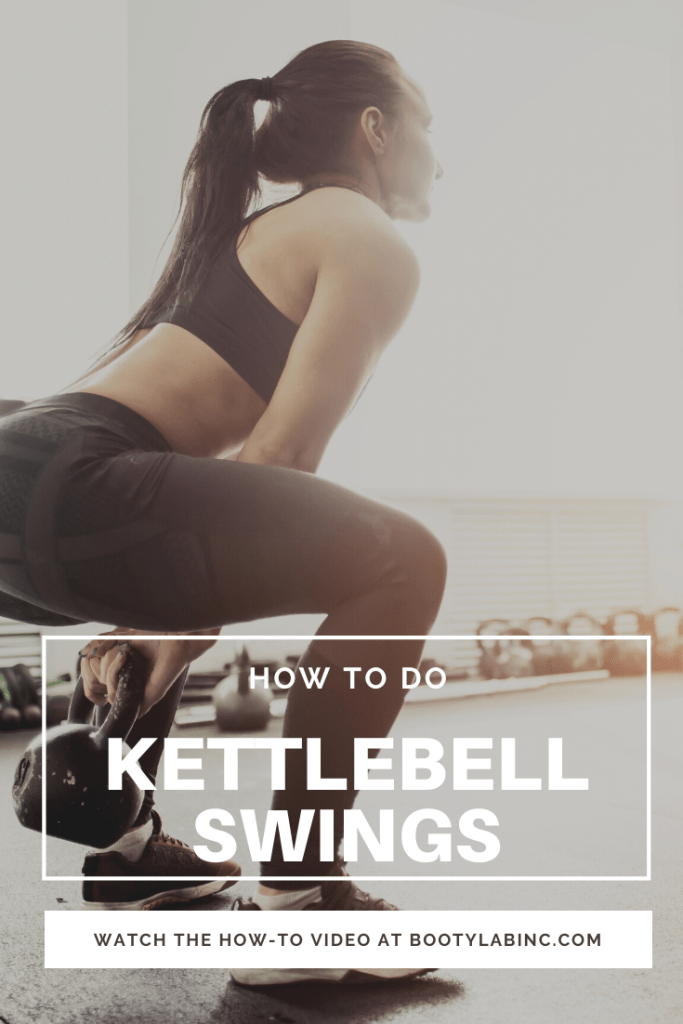
Fitness lovers are finding out how amazing kettlebell swings are. They are a true powerhouse in the world of exercise. Let’s see why they should be a key part of your workout plan.
Full-Body Power in One Dynamic Movement
Imagine an exercise that works many muscles at once. Kettlebell swings do just that. They create full-body power through a single, smooth motion. This motion engages:
- Glutes and hamstrings
- Core muscles
- Shoulders and back
- Cardiovascular system
Calorie Burn That Rivals High-Intensity Cardio
A 20-minute kettlebell swing workout can burn up to 400 calories. This metabolic boost rivals high-intensity cardio exercises. It also builds strength and reduces joint stress, unlike high-impact workouts.
Better Posture Through Posterior Chain Strengthening
Every day strength begins with a strong posterior chain. Kettlebell swings target the muscles down your back. This helps you:
- Counteract desk-job posture
- Develop muscular balance
- Improve overall body alignment
Research shows that consistent kettlebell swing training can significantly increase both maximal and explosive strength.
Kettlebell swings are perfect for those looking for a space-saving workout. They also offer a wide range of fitness benefits. This makes them an unparalleled training experience.
Understanding the Muscles Worked During Kettlebell Swings
Kettlebell swings are a powerful exercise that works many muscles at once. When you do this exercise, you’re not just lifting a weight. You’re getting a full-body workout that targets important muscles very well.

The muscles worked by kettlebell swings include a wide range of groups. This makes the exercise very effective:
- Glutes: The main power generators during the swing
- Hamstrings: Key for explosive hip extension
- Core muscles: Keeping the body stable during the movement
- Back muscles: Helping to stabilize and support the motion
- Shoulders: Controlling the kettlebell’s path
Your backside is the main focus of this exercise. The glutes, hamstrings, and lower back work very hard. As you push the kettlebell forward, your hips create a lot of power. This creates an explosive movement that tests your whole body.
| Muscle Group | Primary Function | Engagement Level |
|---|---|---|
| Glutes | Power Generation | High |
| Hamstrings | Hip Extension | High |
| Core | Stabilization | Moderate to High |
| Shoulders | Movement Control | Moderate |
Trainers say using the right technique is key to working muscles well. Your goal is to make a strong hip thrust to push the kettlebell forward. This makes sure all muscles help with the exercise’s success.
Essential Movements to Master Before Your First Swing
Before you grab that heavy kettlebell, make sure you’ve got the basics right. Learning these moves first will help you swing safely and effectively. Experts say getting ready is crucial to avoid injuries and get the most out of your workout.
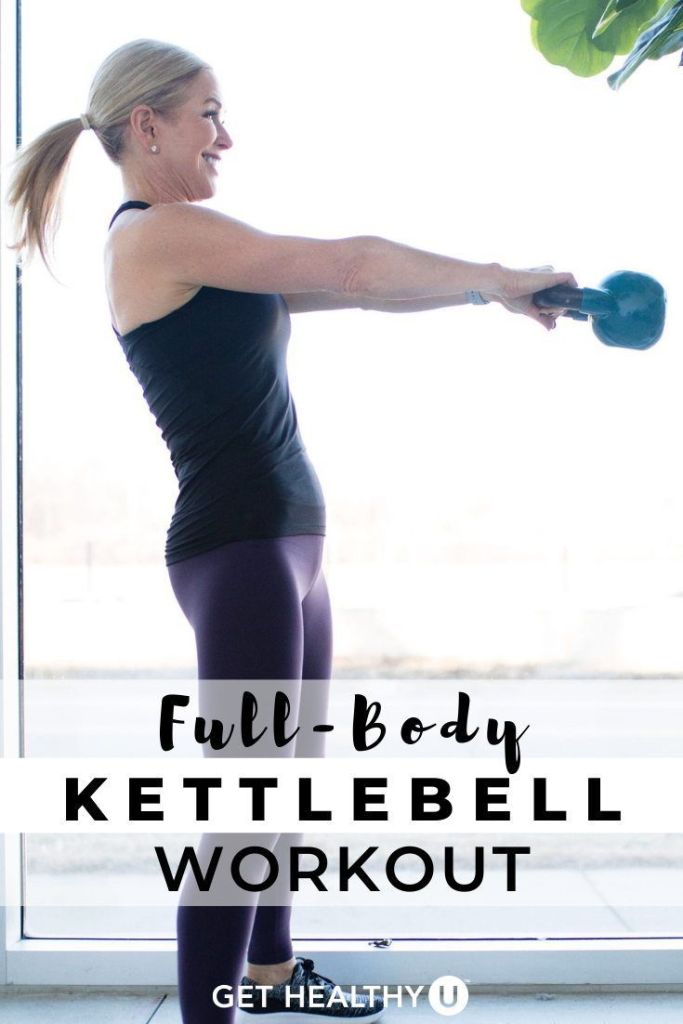
Your kettlebell journey starts with three key foundational movements. These will boost your strength and technique:
Perfecting the Hip Hinge
The hip hinge is the base of kettlebell swings. Here’s how to get it right:
- Stand with feet hip-width apart
- Push your hips back like you’re closing a door with your butt
- Maintain a flat back and proud chest
- Stand back up and squeeze your glutes hard
Practice bodyweight good mornings to improve this movement:
- Stand tall with your hands behind your head
- Perform a hip hinge, keeping your back straight
- Push your hips back until you feel a stretch in the hamstrings
- Grip the floor with your toes simultaneously
- Return to the starting position
Building Core Stability with Plank Holds
A strong core is key to kettlebell swings. Hold a plank for 30 seconds, keeping your body straight. Try an advanced version by holding the plank while someone presses on your lower back.
Developing Shoulder Control Through Negative Shrugs
Shoulder stability is vital for safe kettlebell use. Do negative shrugs by lifting your shoulders to your ears, then pulling them down. This strengthens your lats and upper body.
“Master these preparatory movements, and you’ll set yourself up for kettlebell swing success.” – Fitness Expert
Choosing the Right Kettlebell Weight for Your Fitness Level

Choosing the right kettlebell weight is key to a good workout. Many beginners pick weights that are too light. This makes their workouts less effective.
“You need a heavy load to use your hips for the swing, instead of your upper body,” explains fitness expert Lauren Kanski.
Here are some tips for picking the right kettlebell weight:
- Minimum recommended weight: 12 kg (25 pounds)
- Ideal beginner weight: 30-35-pound kettlebell
- Weight range for women: 16 kg (35 pounds)
- Weight range for men: 24 kg (53 pounds)
To check if your kettlebell is the right weight, try this test. Hold a plank on your feet and hands, keeping your core tight. Then, try a front raise with the kettlebell. If you can lift it to shoulder height easily, it’s too light.
Experts say to pick a weight that challenges your hip drive and momentum. Doing a plank can help you check your core strength before picking a kettlebell. As you get better, increase the weight to keep challenging your muscles and improving your technique.
“Heavier weight will give you momentum as you learn the movement,” says trainer Jacquelyn Baston.
The goal is to work your posterior chain well, not to struggle with too heavy a weight. Start with a smart choice, focus on form, and see your strength and technique grow.
Kettlebell Swings Are One of the Best Full-Body Exercises. Here’s the Right Way
Mastering the kettlebell swing is all about the right technique. Each part of the movement works together to make it a great full-body exercise. Let’s go through the perfect kettlebell swing technique step by step.

The Setup Position
Your starting position is key. Stand with your feet a bit wider than hip-width apart. Hold the kettlebell about 6 inches in front of you. Here’s how to get ready for the swing:
- Hinge at your hips to grip the kettlebell
- Ensure elbow pits face forward
- Keep your back flat
- Engage your lats under your armpits to pull your shoulders down away from your ears
The Hike Phase
The hike is where power starts. Think of it like a football center snapping the ball. Key points for the hike include:
- Maintain a flat back
- Keep your chest up
- Pass the kettlebell through the ‘A’ shape of your legs
- Perform negative shoulder shrugs to feel the proper shoulder positioning
The Drive and Top Position
Power comes from your hips, not your arms. During the drive:
- Explosively drive your hips forward
- Let your hips generate 90% of the acceleration
- Swing the kettlebell to chest or nipple height
- Feel the momentary weightlessness at the top
The Return Movement
Controlling the descent is as important as the upward swing. Focus on:
- Using your lats to guide the kettlebell
- Timing your hip hinge perfectly
- Preparing for the next repetition
- Maintaining a fluid, rhythmic motion
Pro tip: To help you feel the exaggerated movement, first shrug up to your ears and then down. This will help you understand proper shoulder positioning during the swing.
Warming Up Properly for Kettlebell Swing Training
A good kettlebell swing warmup is key to avoiding injuries and getting the most out of your workout. It gets your body ready for the movements you’ll do, focusing on the muscles and flexibility needed for kettlebell swings.
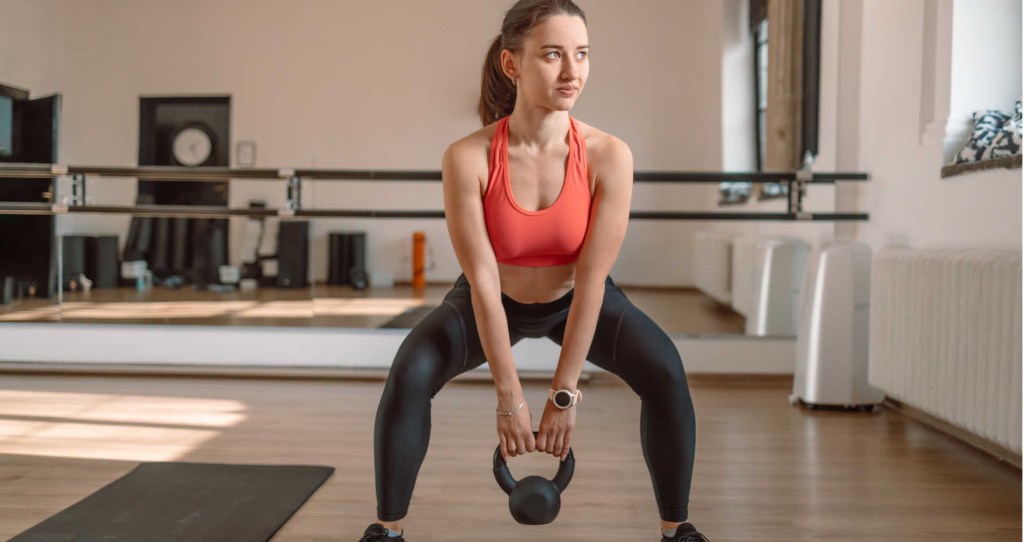
Before you start with your kettlebell, make sure to do these important warm-up steps:
- Dynamic mobility exercises to activate your posterior chain
- Joint mobility work for hips, shoulders, and spine
- Muscle activation techniques
A good kettlebell swing warmup should include:
- World’s Greatest Stretches (2 on each side)
- Bodyweight hip hinges (10 repetitions)
- Bodyweight squats (10 repetitions)
- Arm circles (10 forward, 10 backward)
- Bodyweight good mornings (10 repetitions)
| Warmup Exercise | Primary Purpose | Duration/Reps |
|---|---|---|
| World’s Greatest Stretches | Hip and thoracic spine mobility | 2 per side |
| Plank Hold | Core activation | 30 seconds |
| Negative Shoulder Shrugs | Shoulder stability | 20 repetitions |
Make sure to spend at least 10 minutes on your kettlebell swing warmup. Focus on slow, controlled movements. This will help raise your body’s temperature and get your muscles ready for the workout. Your warmup is a crucial investment in your performance and safety.
Common Kettlebell Swing Mistakes and How to Fix Them
Mastering kettlebell swings needs precision and technique. Even skilled athletes can make common mistakes. These mistakes can make the exercise less effective and unsafe. Knowing these errors helps you swing better and safer.

Trainers spot several key errors that can mess up your swing. We’ll look at the most common mistakes and how to fix them. This will help you swing more powerfully and efficiently.
Squatting Instead of Hinging at the Hips
One big mistake is squatting instead of hinging at the hips. This turns the swing into a weak leg exercise instead of a strong hip movement. Your body should move at the hips, not bend like in a squat.
- Keep your shins relatively vertical
- Push your hips back while keeping a slight knee bend
- Aim for a 45-degree torso angle during the movement
Using Your Arms to Lift the Weight
Another mistake is using arm strength to lift the kettlebell. Remember, your arms should just connect, not do the work. The real power comes from your hips.
- Think of arms as ropes connecting your body to the kettlebell
- Focus on the explosive hip snap at the bottom of the movement
- Let hip momentum propel the kettlebell upward
Letting Your Back Round During Movement
Rounding your back during swings can cause serious harm. Keeping your spine neutral is key to protecting your core and using your muscles correctly.
- Keep chest proud and shoulders pulled back
- Engage core muscles throughout the entire movement
- Reduce weight if you cannot maintain proper form
By practicing these corrections, you can turn your kettlebell swing into a powerful exercise for your whole body.
Beginner-Friendly Kettlebell Swing Workout to Get Started

Starting your kettlebell swing workout needs a careful plan. Focus on learning the right technique and slowly getting better. This way, you avoid injuries and build strength and endurance.
For your first workout, keep these tips in mind:
- Start with a light kettlebell (8-12 kg for most beginners)
- Do 3 sets of 10 controlled swings
- Rest for 60 seconds between each set
- Reset your stance after each swing
Your first workouts should focus on doing each swing right. Quality is more important than how many you do. Experts say it’s better to do a few swings perfectly than many poorly.
“It’s better to do 10 perfect swings than 50 sloppy, dangerous ones.”
As you get better, you can do more swings and rest less. Here’s a four-week plan:
- Week 1: 3 sets of 10 reps with full resets
- Week 2: 3 sets of 15 reps with shorter resets
- Week 3: 3 sets of 20 reps with connected swings
- Week 4: 3 sets of 25 reps with minimal rest
Doing a 15-minute kettlebell swing session can burn about 200 calories. It keeps your heart rate up, making it a great workout for beginners.
Advanced Variations to Challenge Your Strength
Once you’ve got the basic kettlebell swing down, it’s time to step up your game. Try out challenging variations that will test your limits. These moves will help you overcome plateaus, work different muscles, and keep your workouts fresh.
Single-Arm Kettlebell Swings
Single-arm swings really focus on your core strength and stability. Switching to one-handed swings will:
- Challenge your core’s anti-rotation abilities
- Identify and correct strength imbalances
- Improve overall unilateral strength
Begin with a lighter weight than your two-handed swing. Keep your non-working arm straight for balance. Focus on not letting your torso rotate.
American Swings for Overhead Power
American swings take your kettlebell workout to new heights by going all the way overhead. This move requires:
- Enhanced shoulder mobility
- Greater core strength
- Increased power output
At the peak, your kettlebell should be right above your head with arms fully extended. Caution: Only attempt this after mastering standard swings and confirming adequate shoulder mobility.
Staggered Stance Swings for Unilateral Development
Staggered stance swings add an asymmetrical challenge that targets muscles in a unique way. By setting your feet with one in front and one in back, you’ll:
- Channel power through specific leg muscles
- Address potential strength imbalances
- Add variety to your training routine
These advanced swings will change your kettlebell workout. They offer intense challenges that keep your body on its toes and improve continuously.
Incorporating Kettlebell Swings Into Your Weekly Training Schedule
Adding kettlebell swings to your workout plan needs careful planning. Experts say to mix them well to get the most benefits without overdoing it.
Plan your kettlebell swing workouts with care. Try to do swings two to three times a week. Make sure to have a full day off in between. This lets your muscles heal and keeps you safe from injuries.
- Option 1: Dedicated Kettlebell Days
- Focus mainly on kettlebell swings
- Add exercises like goblet squats
- Include Turkish get-ups or overhead presses
- Option 2: HIIT-Style Circuit Integration
- Pair swings with bodyweight exercises
- Make high-intensity intervals
- Combine with pushups, planks, and squats
Experts say to pick the right time for your workouts. Morning or early afternoon is best. Avoid late-night swings to keep your sleep good.
Remember: Kettlebell swings are a powerful conditioning tool, but they shouldn’t completely replace your existing training regimen.
Your training should stay balanced. If you’re a runner, keep running. If you’re working on pull-ups, keep practicing. Kettlebell swings boost your conditioning and strengthen your backside, making a great addition to your routine.
Conclusion
Kettlebell swings are a powerful exercise that can change your fitness journey. By learning the basics, focusing on form, and pushing yourself, you’ll see big gains in strength and fitness.
Success with kettlebell swings comes from patience and smart training. Start with two-handed swings and work on your hip hinge. Gradually add more complexity. Always listen to your body and approach each workout with care.
Kettlebell swings are great for everyone, from beginners to advanced athletes. They help fix muscle imbalances, boost strength in the back, and improve overall fitness. Consistent and correct practice is key.
Your fitness journey is special. Focus on learning proper technique, not just doing a lot of reps. Enjoy the journey of kettlebell swings and watch your strength and fitness soar.





Leave a Reply