


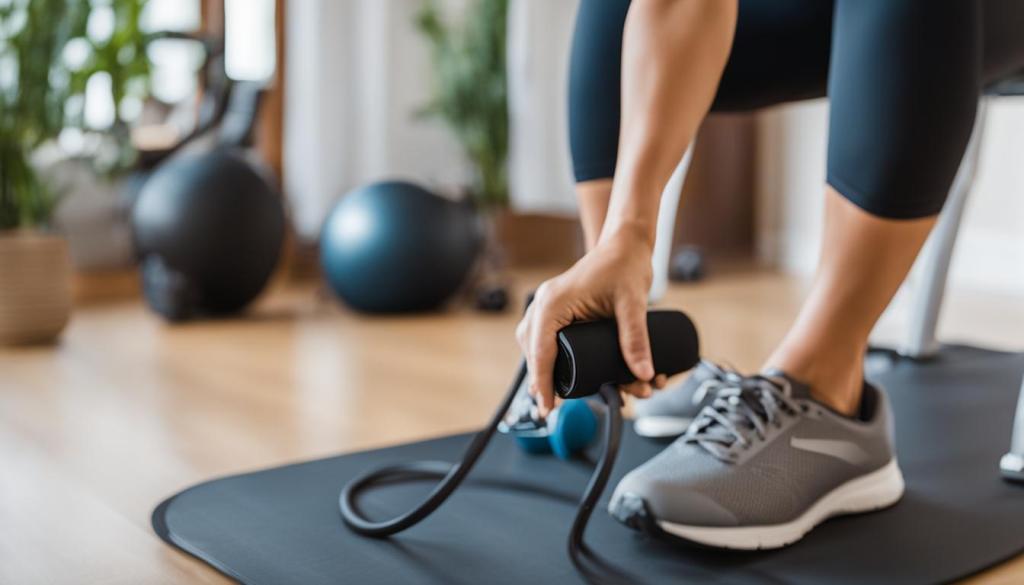
Regular exercise can have significant benefits for individuals with high blood pressure. Studies have shown that exercise can lower both systolic and diastolic blood pressure, with reductions ranging from 3 to 12 mm Hg. Exercise also helps to strengthen the heart, improving its ability to pump blood and reducing the force on the arteries. Additionally, exercise plays a role in maintaining a healthy weight, which is important for blood pressure control. Furthermore, exercise has been found to have anti-aging effects, promoting longevity and preserving functional capacity in older adults.
Key Takeaways:
- Exercise can lower blood pressure in individuals with high blood pressure.
- Regular exercise strengthens the heart and reduces the force on the arteries.
- Maintaining a healthy weight is important for blood pressure control.
- Exercise has anti-aging effects and promotes longevity.
- Older adults can benefit from exercise in preserving functional capacity.
The Relationship Between Exercise and Blood Pressure
Exercise has been shown to have a positive effect on blood pressure levels. Studies have demonstrated that aerobic exercise, resistance training, and a combination of both can lead to reductions in both systolic and diastolic blood pressure.
The American College of Cardiology and the American Heart Association recommend at least 150 minutes of moderate aerobic activity or 75 minutes of vigorous aerobic activity per week for blood pressure control. Activities such as walking, swimming, cycling, and dancing can all be beneficial. Resistance training, such as weightlifting, can also help lower blood pressure.
It is important for individuals with high blood pressure to consult with their healthcare provider before starting an exercise program.
Learn how to lower your Blood Pressure and rejuvenate your body while you sleep!

Exercise and Anti-Aging Benefits
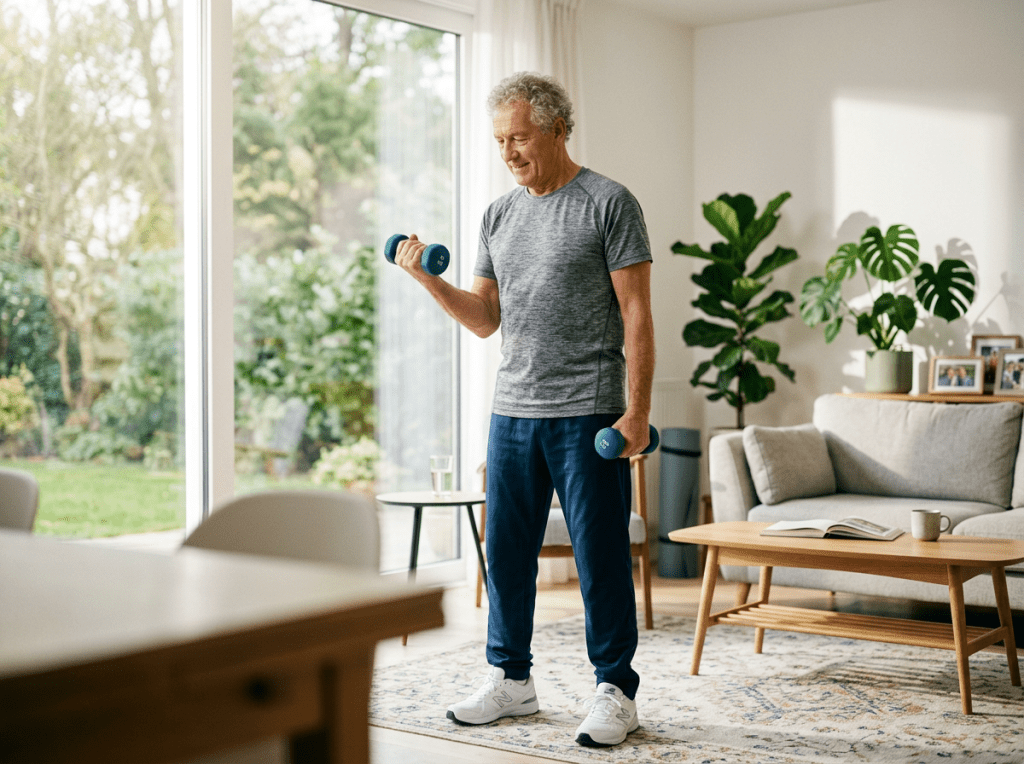
Exercise offers more than just cardiovascular benefits—it also has remarkable anti-aging effects. When you engage in regular physical activity, you can improve muscle strength, flexibility, balance, and overall functional capacity, particularly in older adults. These benefits go a long way in helping to maintain independence and a high quality of life as you age.
But that’s not all—a consistent exercise routine can also have a positive impact on cognitive function. Studies have shown that exercise reduces the risk of age-related cognitive decline, promoting better brain health and preserving cognitive abilities. So, by adding exercise to your daily routine, you can support both your physical and mental well-being.
Exercise doesn’t just work wonders on the inside, it also has a direct effect on your mood and well-being. When you work out, your body releases endorphins, also known as “feel-good” hormones. These endorphins can enhance your mood, alleviate stress, and boost overall well-being, giving you a more positive outlook on life.
Incorporating a variety of exercises is key to reaping the full anti-aging benefits of exercise. Aerobic activities such as walking, swimming, or cycling help to improve cardiovascular health and endurance. Resistance training, including weightlifting, can enhance muscle strength and bone density, which tend to decline with age. Additionally, flexibility exercises like yoga or stretching routines can maintain joint mobility and prevent muscle stiffness.
Remember, exercise is not just about looking good—it’s about feeling good and living a vibrant life throughout the years.
Exercise as a Long-Term Strategy
Engaging in regular exercise is not only beneficial in the short term, but it also has long-term advantages for your health and longevity. Studies have shown that maintaining an active lifestyle throughout your lifespan can help prevent chronic diseases such as high blood pressure, heart disease, and diabetes.
Exercise has even been associated with an increased lifespan and a reduced risk of premature mortality. By incorporating exercise into your daily routine, you can improve your overall health and well-being, and enhance your chances of living a longer and healthier life.
It’s important to note that the benefits of exercise are not limited to a specific age group. Even if you haven’t been physically active in the past, you can still enjoy the anti-aging effects of exercise, which can help you maintain a youthful vitality as you age.
Incorporating a variety of exercises, including aerobic activity, resistance training, and flexibility exercises, can maximize the longevity and anti-aging benefits of exercise. Remember, it’s never too late to start exercising and reaping the rewards it offers for your overall health and well-being.
Learn how to lower your Blood Pressure and rejuvenate your body while you sleep!

Regular exercise is a long-term investment in your health and longevity. It can help prevent chronic diseases, improve overall health, and promote anti-aging effects. Start incorporating exercise into your daily routine today, and enjoy the benefits of a healthier and longer life.
Detraining and the Importance of Consistency
Consistency is key when it comes to exercise and reaping its long-term benefits. When you stop exercising, a phenomenon known as detraining can occur, causing the improvements you’ve gained to gradually fade away. This can have negative implications for both your blood pressure levels and cardiovascular fitness.
Research studies have shown that after a period of detraining, blood pressure levels can increase, putting you at a higher risk for developing high blood pressure. Additionally, your cardiovascular fitness may decline, affecting your overall health and well-being. However, there is good news. With the resumption of regular exercise, you can regain these improvements.
By maintaining a long-term commitment to an active lifestyle, you can effectively combat the detraining effect and continue to enjoy the health benefits and anti-aging effects of exercise. Consistency is crucial in preserving the positive changes you’ve made and ensuring that your exercise routine remains effective in improving your blood pressure and promoting overall longevity.
“Consistency is the key to unlocking the potential of exercise.” – Dr. Samantha Smith
Remember, the detaining effect can be minimized or prevented by staying consistent with your exercise regimen. Make exercise a regular part of your routine and prioritize your long-term health and well-being.

Continued dedication to exercise will help you maintain your hard-earned progress and enhance your longevity.
Considerations and Precautions
While exercise is generally safe and beneficial for most individuals, it is important to take certain precautions, especially if you have high blood pressure or other underlying health conditions. It is always advisable to consult with a healthcare provider before starting an exercise program, particularly if you have specific concerns related to blood pressure or cardiovascular health.
“Regular exercise is one of the best ways to control high blood pressure, but it’s important to do it safely and effectively. Consulting with a healthcare provider who understands your medical history and individual needs can help ensure that the exercise plan you choose is appropriate for you.”
– Dr. Sarah Johnson, Cardiologist
This is especially crucial for individuals with a history of heart disease, high cholesterol, or other cardiovascular risk factors. By working with a healthcare provider, you can receive personalized recommendations and guidance to ensure that your exercise routine is safe and effective for you. They can help you determine the right types of exercises, intensity levels, and duration that suit your current health status and goals.
It’s also important to listen to your body during exercise. If you experience any concerning symptoms such as chest pain, dizziness, excessive shortness of breath, or irregular heartbeat, it is essential to stop exercising immediately and seek medical attention.
Remember, your healthcare provider is your best resource for understanding how exercise can impact your specific health conditions and will help you develop a tailored exercise plan that aligns with your goals and abilities.
Learn how to lower your Blood Pressure and rejuvenate your body while you sleep!
Conclusion
Regular exercise plays a crucial role in improving the health and well-being of individuals with high blood pressure. By engaging in exercise, you can effectively lower your blood pressure, enhance your cardiovascular health, maintain a healthy weight, and promote longevity. To achieve optimal results, it is recommended to incorporate a variety of exercise types, including aerobic activity, resistance training, and flexibility exercises. However, consistency is key. If exercise is discontinued, the benefits gained may gradually diminish. Therefore, it is essential to consult with a healthcare provider before starting an exercise program, particularly if you have high blood pressure or other underlying health conditions. By prioritizing regular exercise in your lifestyle, you can experience improved health and enjoy a more youthful vitality.
FAQ
Does exercise help lower high blood pressure?
Yes, regular exercise has been shown to lower both systolic and diastolic blood pressure, with reductions ranging from 3 to 12 mm Hg.
What types of exercise are beneficial for high blood pressure?
Both aerobic exercise, such as walking and swimming, and resistance training, like weightlifting, have been found to help lower blood pressure.
Can exercise have anti-aging effects?
Yes, exercise can have anti-aging effects by improving muscle strength, flexibility, and overall functional capacity in older adults, as well as reducing the risk of cognitive decline.
Is exercise a long-term strategy for health and longevity?
Yes, maintaining an active lifestyle throughout the lifespan has been associated with increased lifespan and a reduced risk of chronic diseases.
What happens when you stop exercising?
After a period of inactivity, blood pressure levels may increase, and cardiovascular fitness may decline. However, these improvements can be regained with the resumption of regular exercise.
Are there any precautions to take when exercising with high blood pressure?
It is important to consult with a healthcare provider before starting an exercise program, especially if you have high blood pressure or other underlying health conditions.
What are the key takeaways about exercise and high blood pressure?
Regular exercise can help lower blood pressure, improve cardiovascular health, maintain a healthy weight, and promote overall longevity.
Learn how to lower your Blood Pressure and rejuvenate your body while you sleep!


 trim down and shape up
Leave a reply to Azamfarooq Cancel reply