


If you or someone you know is suffering from an enlarged prostate, also known as benign prostatic hyperplasia (BPH), you’re not alone. This common condition affects many men and can cause urinary issues that impact daily life. The good news is that there are various treatment options available, and recent advancements in medical research have shown promising results in nonsurgical treatments for enlarged prostate.
Key Takeaways:
- Prostate hyperplasia, or enlarged prostate, is a common condition that affects men’s urinary health.
- The exact cause of prostate hyperplasia is unknown, but hormonal imbalances and age-related changes are believed to contribute to its development.
- Symptoms of prostate hyperplasia may include frequent urination, weak urine flow, and difficulty emptying the bladder.
- Treatment options for prostate hyperplasia range from lifestyle modifications and medication to surgical interventions, depending on the severity of the symptoms.
- Recent advancements in medical research are exploring nonsurgical treatment options for enlarged prostate, providing hope for improved outcomes and quality of life for patients.
Understanding Prostate Hyperplasia
Prostate hyperplasia, also known as benign prostatic hyperplasia (BPH), is a common condition that primarily affects older men. It refers to the non-cancerous enlargement of the prostate gland, which is located just below the bladder and surrounding the urethra. The prostate gland plays a crucial role in the male reproductive system, producing fluid that nourishes and protects sperm.
The exact cause of prostate hyperplasia is unknown, but hormonal imbalances and age-related changes in the prostate gland are believed to play a role in its development. As men age, the levels of certain hormones, such as testosterone and estrogen, fluctuate, which can lead to the growth and enlargement of the prostate gland. The exact mechanisms behind these hormonal changes and their effects on the prostate gland are still being studied.
Prostate hyperplasia can cause various urinary symptoms due to the enlargement of the prostate gland. These symptoms may include:
“Frequent urination: You may experience the need to urinate more often than usual, both during the day and at night.”
“Weak urine flow: Your urine stream may become weak or stop-start, making it difficult to empty your bladder fully.”
“Difficulty emptying the bladder: You may have the sensation of not being able to completely empty your bladder, leading to residual urine and a feeling of incomplete voiding.”
If you are experiencing any of these symptoms, it is important to consult with a healthcare professional for an accurate diagnosis and appropriate treatment plan. While prostate hyperplasia is not cancerous and does not increase the risk of prostate cancer, it can still significantly impact your quality of life, so seeking medical advice is crucial.
Next, we will explore the causes of prostate hyperplasia in more detail and discuss the potential treatment options available.
Causes of Prostate Hyperplasia
The exact causes of prostate hyperplasia are not fully understood. However, several factors are believed to contribute to the development of the condition. These include age, hormonal imbalances, family history of prostate hyperplasia, and certain lifestyle factors such as obesity and lack of physical activity.
As you age, the risk of developing prostate hyperplasia increases. Hormonal imbalances, specifically changes in testosterone and estrogen levels, may also play a role in the development of the condition. Additionally, if you have a family history of prostate hyperplasia, you may be at a higher risk of developing the condition yourself.
Lifestyle factors can also influence the development of prostate hyperplasia. A sedentary lifestyle with little physical activity and obesity have been associated with an increased risk of prostate hyperplasia. Therefore, maintaining a healthy weight and engaging in regular exercise may help reduce the risk of developing the condition.
“Age, hormonal imbalances, family history, obesity, and lack of physical activity are all potential causes of prostate hyperplasia.”
It is important to note that while these factors may contribute to the development of prostate hyperplasia, the exact mechanisms are still being studied. Each individual’s experience with the condition may vary, so it is essential to consult with a healthcare professional for an accurate diagnosis and appropriate treatment plan.
Next, we’ll explore the common symptoms associated with prostate hyperplasia and how to diagnose the condition.
Symptoms of Prostate Hyperplasia
The symptoms of prostate hyperplasia can vary from person to person. Common symptoms include:
- Frequent urination: You may experience an increased need to urinate, especially at night (nocturia).
- Weak urine flow: You may have difficulty maintaining a strong and steady stream of urine.
- Difficulty starting and stopping urination: You may struggle with initiating urination or have trouble stopping once it has started.
- Dribbling at the end of urination: You may experience leakage or dribbling of urine after you have finished urinating.
- Feeling of incomplete bladder emptying: You may have a sensation that your bladder is not completely empty even after urinating.
In some cases, prostate hyperplasia can lead to complications such as urinary tract infections or bladder stones. It is important to be aware of these symptoms and seek medical advice if you experience any persistent or severe symptoms related to prostate hyperplasia.
It is recommended to consult with a healthcare professional for an accurate diagnosis and appropriate treatment plan for prostate hyperplasia.
Diagnosis of Prostate Hyperplasia
To accurately diagnose prostate hyperplasia, a healthcare professional will conduct several tests and examinations. These diagnostic procedures help determine the size and condition of the prostate gland and rule out other potential causes of urinary symptoms.
One of the primary methods used in the diagnosis of prostate hyperplasia is a digital rectal exam (DRE). During this procedure, the healthcare professional inserts a gloved, lubricated finger into the rectum to feel the prostate gland for any abnormalities or enlargement. The DRE allows the doctor to assess the size and texture of the prostate, providing valuable information about the presence of hyperplasia.
In addition to the DRE, healthcare professionals may also recommend other tests to gather more information about the condition. One such test is the prostate-specific antigen (PSA) blood test. The PSA test measures the levels of a protein produced by the prostate gland in the bloodstream. Elevated PSA levels may indicate the presence of prostate hyperplasia or other prostate conditions. However, it is important to note that the PSA test is not definitive and may produce false-positive or false-negative results.
Another diagnostic procedure that may be performed is an ultrasound of the prostate. This imaging test uses sound waves to create detailed images of the prostate gland. The ultrasound can help identify the size and shape of the prostate and evaluate the presence of any abnormalities, such as nodules or tumors.
By conducting these tests, healthcare professionals can accurately diagnose prostate hyperplasia and determine the severity of the condition. This information is crucial for developing an effective treatment plan tailored to the individual’s needs and symptoms.
Treatment Options for Prostate Hyperplasia

The treatment for prostate hyperplasia depends on the severity of the symptoms and the impact on your quality of life. In mild to moderate cases, lifestyle changes can be effective in managing the condition. These include:
Avoiding caffeine and alcohol
Practicing bladder-training exercises
Maintaining a healthy weight
In addition to lifestyle modifications, medications may also be prescribed to alleviate symptoms. Commonly used medications for prostate hyperplasia include:
- Alpha-blockers – These medications help relax the muscles in the prostate and bladder, improving urine flow.
- 5-alpha reductase inhibitors – These medications work by reducing the size of the prostate gland, relieving symptoms.
In more severe cases of prostate hyperplasia, surgical interventions may be necessary. Some common surgical treatments for the condition include:
- Transurethral resection of the prostate (TURP) – During TURP, the surgeon removes part of the prostate gland to relieve symptoms and improve urine flow.
- Laser therapy – This minimally invasive procedure uses laser energy to heat and destroy excess prostate tissue, reducing the size of the gland.
When determining the most suitable treatment option for you, it’s important to consult with a healthcare professional who can evaluate your symptoms and recommend the best course of action.
Lifestyle Modifications for Prostate Hyperplasia
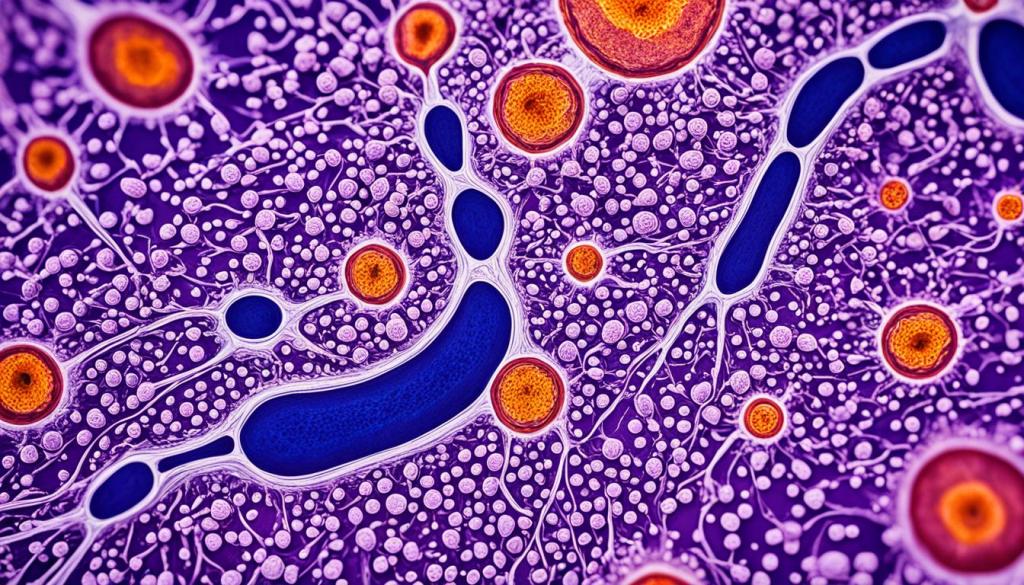
When it comes to managing the symptoms of prostate hyperplasia and promoting overall prostate health, making certain lifestyle modifications can be beneficial. By incorporating these changes into your daily routine, you can take control of your urinary issues and enhance your quality of life.
Avoiding caffeine and alcohol: If you have an enlarged prostate or are experiencing urinary issues, it’s essential to limit your consumption of caffeine and alcohol. These substances can irritate your bladder and increase the frequency of urination. Try to reduce or eliminate your intake, especially before bedtime, to minimize nocturnal trips to the bathroom.
Engaging in regular physical activity: Exercise can play a crucial role in maintaining prostate health and alleviating urinary issues. Engaging in regular physical activity, such as brisk walking, cycling, or swimming, can improve blood flow to the prostate gland and help alleviate symptoms associated with prostate hyperplasia. Aim for at least 30 minutes of moderate-intensity exercise on most days of the week.
Maintaining a healthy weight: Obesity has been linked to an increased risk of prostate hyperplasia and urinary symptoms. By adopting a healthy diet and engaging in regular exercise, you can maintain a healthy weight and reduce the strain on your prostate gland. Incorporate fruits, vegetables, whole grains, lean proteins, and healthy fats into your diet to support prostate health.
By following these lifestyle modifications, you can effectively manage the symptoms of prostate hyperplasia and promote overall prostate health. Remember to consult with a healthcare professional for personalized advice based on your specific condition.
“Taking control of your lifestyle habits is an important step towards managing the symptoms of prostate hyperplasia and improving your quality of life.”
Natural Remedies for Prostate Hyperplasia
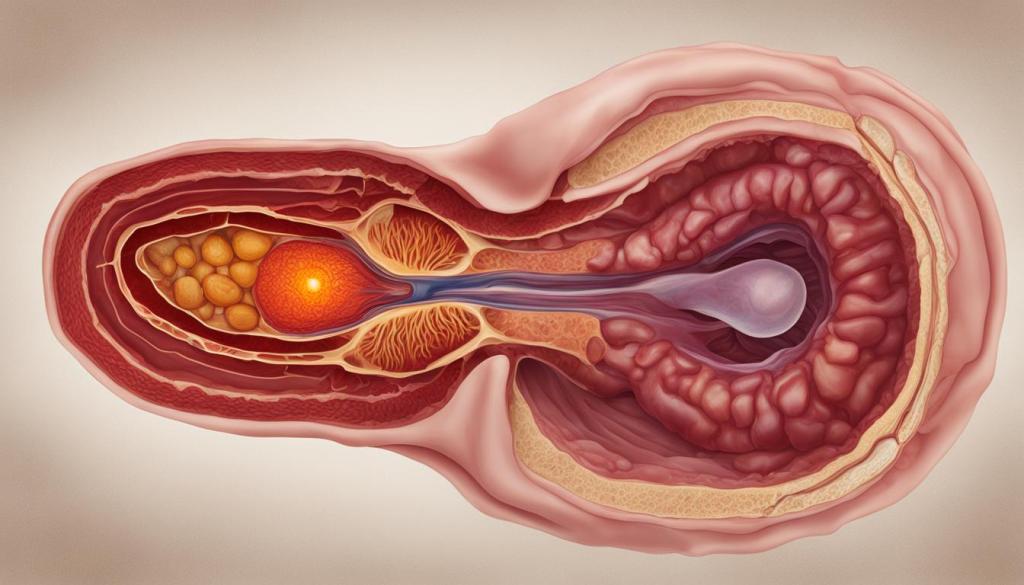
When it comes to managing prostate hyperplasia, there are natural remedies that may help alleviate the symptoms. One of the most popular natural remedies is the use of herbal supplements. Saw palmetto, pygeum, and stinging nettle root extract are commonly recommended for their potential benefits in reducing prostate enlargement and improving urinary function.
“Saw palmetto, pygeum, and stinging nettle root extract are herbal supplements that may help alleviate the symptoms of prostate hyperplasia.”
However, it’s important to note that natural remedies should be approached with caution. Before starting any herbal supplements, it is essential to consult with a healthcare professional. They can evaluate your specific condition, medications you are currently taking, and potential side effects or interactions with the remedies. Your healthcare provider will guide you on the suitability and appropriate dosage of these supplements.
In addition to herbal remedies, making certain lifestyle modifications can also contribute to the management of prostate hyperplasia. Maintaining a healthy diet that includes fruits, vegetables, and whole grains can provide essential nutrients and support overall prostate health. Regular exercise, such as brisk walking or cycling, can help improve blood flow and promote a healthy prostate gland.
“Consult with a healthcare professional before starting any natural remedies for prostate hyperplasia, as they may interact with medications or have side effects. Lifestyle modifications, such as a healthy diet and regular exercise, can also contribute to managing the condition.”
Remember, while natural remedies may offer potential benefits, they should not replace medical advice or prescribed treatments. Always consult with your healthcare provider to develop a comprehensive and personalized plan for managing prostate hyperplasia.
Potential Complications of Prostate Hyperplasia

If left untreated, prostate hyperplasia can lead to several complications that can significantly impact your quality of life. These complications include:
Urinary Tract Infections (UTIs): The enlargement of the prostate can obstruct the normal flow of urine, creating an environment where bacteria can thrive and cause infections.
Bladder Stones: The presence of an enlarged prostate can lead to the formation of bladder stones, which can cause pain and discomfort.
Acute Urinary Retention: In some cases, the enlarged prostate can obstruct the urethra to the point where you are unable to urinate, leading to a condition known as acute urinary retention. This requires immediate medical attention.
Kidney Damage: If the flow of urine is severely obstructed by an enlarged prostate, it can lead to kidney damage over time.
These complications can have a significant impact on your daily life and may require additional medical interventions. It is essential to seek medical attention if you experience any persistent or severe symptoms of prostate hyperplasia. Early diagnosis and appropriate treatment can help manage the condition and potentially prevent these complications from occurring.
Seeking medical assistance is crucial to prevent complications of prostate hyperplasia.
Conclusion
Prostate hyperplasia, also known as benign prostatic hyperplasia (BPH), is a prevalent condition that can impact men’s urinary health, particularly as they age. While the exact causes of prostate hyperplasia are not fully understood, hormonal imbalances and age-related changes in the prostate gland are believed to contribute to its development.
The symptoms of prostate hyperplasia can vary but commonly include frequent urination, weak urine flow, and difficulty emptying the bladder. It is important to consult with a healthcare professional for an accurate diagnosis and appropriate treatment plan for managing prostate hyperplasia.
Treatment options for prostate hyperplasia encompass a range of approaches. Mild to moderate cases may be managed through lifestyle modifications such as maintaining a healthy weight and avoiding caffeine and alcohol. Medications, including alpha-blockers and 5-alpha reductase inhibitors, may also be prescribed to alleviate symptoms. In more severe cases, surgical interventions such as transurethral resection of the prostate (TURP) or laser therapy may be necessary to reduce the size of the prostate gland.
If you are experiencing symptoms of prostate hyperplasia, it is crucial to seek medical attention as left untreated, it can lead to complications such as urinary tract infections, bladder stones, acute urinary retention, and kidney damage. Your healthcare professional can provide an accurate diagnosis and guide you towards the most suitable treatment plan to manage your condition effectively.
FAQ
What is prostate hyperplasia?
Prostate hyperplasia, also known as benign prostatic hyperplasia (BPH), is a common condition characterized by the non-cancerous enlargement of the prostate gland, which can lead to urinary issues.
What are the causes of prostate hyperplasia?
The exact causes of prostate hyperplasia are not fully understood, but hormonal imbalances and age-related changes in the prostate gland are believed to play a role. Other factors include family history, certain lifestyle factors, and changes in hormone levels.
What are the symptoms of prostate hyperplasia?
Common symptoms of prostate hyperplasia include frequent urination (especially at night), weak urine flow, difficulty starting and stopping urination, dribbling at the end of urination, and the feeling of incomplete bladder emptying.
How is prostate hyperplasia diagnosed?
To diagnose prostate hyperplasia, a healthcare professional may perform a physical examination, such as a digital rectal exam, and recommend additional tests like a prostate-specific antigen (PSA) blood test or an ultrasound to gather more information about the condition’s severity.
What are the treatment options for prostate hyperplasia?
Treatment options for prostate hyperplasia depend on the severity of symptoms and their impact on an individual’s quality of life. Mild to moderate cases can be managed with lifestyle changes, medication, or surgical interventions such as transurethral resection of the prostate (TURP) or laser therapy.
What lifestyle modifications can help with prostate hyperplasia?
Lifestyle modifications such as avoiding caffeine and alcohol, practicing bladder-training exercises, maintaining a healthy weight, and engaging in regular physical activity can help manage the symptoms of prostate hyperplasia.
Are there natural remedies for prostate hyperplasia?
Some natural remedies, such as herbal supplements like saw palmetto, pygeum, and stinging nettle root extract, may help alleviate the symptoms of prostate hyperplasia. However, it is important to consult with a healthcare professional before starting any natural remedies.
What are the potential complications of prostate hyperplasia?
If left untreated, prostate hyperplasia can lead to complications such as urinary tract infections, bladder stones, acute urinary retention (inability to urinate), and kidney damage.
What should I do if I experience symptoms of prostate hyperplasia?
It is important to seek medical attention if you experience any persistent or severe symptoms of prostate hyperplasia to receive an accurate diagnosis and appropriate treatment plan.



 trim down and shape up
Leave a comment