


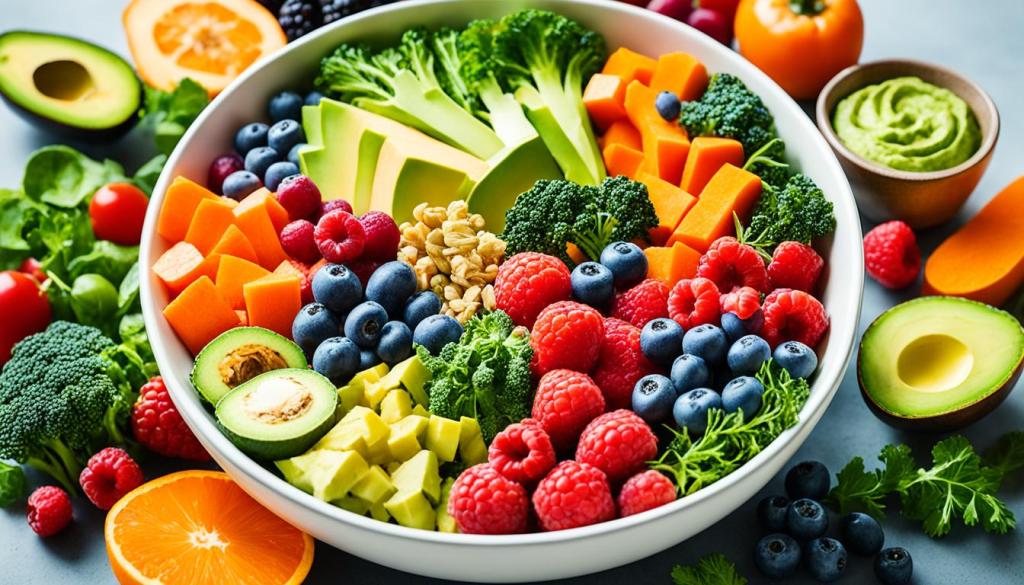
Have you ever heard the phrase “food is medicine”? Well, there’s an abundance of scientific evidence to suggest that — when it comes to joint issues — it is! Modifying your eating habits can help reduce joint pain and inflammation. Certain foods, spices, and supplements have been shown to have anti-inflammatory properties and can make a big difference in joint health.
Key Takeaways:
- Consuming fish, cruciferous veggies, turmeric, yogurt, ginger, and green tea may help ease joint pain and reduce inflammation.
- These foods are natural remedies and can be considered as anti-inflammatory foods for healthy joints.
- Incorporating these foods into your diet can contribute to overall joint health and provide relief from joint issues.
- It is important to consult with a healthcare provider or registered dietitian before making any significant changes to your diet.
- Combining a healthy diet with regular exercise and maintaining a healthy weight can further enhance joint health and overall wellness.
How what you eat affects joint health

Your diet has a significant impact on your joint health. While it cannot reverse the effects of osteoarthritis, it can help alleviate joint pain and reduce inflammation. By focusing on a carefully curated diet that aims to minimize inflammation, you can supplement other treatment approaches like medications, exercise, and physical therapy to improve your joint health.
When it comes to joint health, paying attention to your eating habits is essential. Certain foods have been shown to possess anti-inflammatory properties and can contribute to healthier joints. Incorporating these foods into your diet can aid in reducing inflammation and managing joint pain.
“The food you choose to consume can either promote or inhibit inflammation in your body. By making the right choices, you can positively impact your joint health and overall well-being.” – Maxine Smith, Registered Dietitian
Following a diet that focuses on reducing inflammation can complement other treatment approaches and contribute to your joint health. It is vital to consult with a healthcare professional or a registered dietitian to create a plan tailored to your specific needs and condition.
While diet plays a crucial role, it is important to remember that it is just one piece of the puzzle in maintaining optimal joint health. Alongside a healthy eating regimen, incorporating exercise and adopting an overall wellness approach can further enhance your joint health and overall quality of life.
What is inflammation?

Inflammation is a normal immune response that helps protect the body from infection and promote healing. When tissues are damaged, the immune system releases chemicals that increase blood flow to the area, resulting in redness, heat, and swelling.
However, chronic inflammation can have detrimental effects on the body, including joint conditions like arthritis. It occurs when the immune system is constantly triggered, leading to persistent inflammation even when there is no injury or threat present.
“Chronic inflammation can cause long-term damage to the body’s tissues and organs, including the joints,” says Dr. Emily Johnson, a rheumatologist specializing in joint conditions. “In arthritis, the immune system mistakenly attacks the joints, resulting in ongoing inflammation and pain.”
The key is not to eliminate inflammation completely, as it is an important part of the immune response, but rather to reduce it and make it more manageable. This can be achieved through various approaches, including lifestyle modifications such as dietary changes.
“Certain foods have been shown to possess anti-inflammatory properties, making them beneficial for individuals with chronic inflammation and joint conditions,” explains Dr. Johnson.
By incorporating these anti-inflammatory foods into your diet, you can help support your immune system and reduce inflammation in the body.
Fish

When it comes to promoting joint health, incorporating fish into your diet can be incredibly beneficial. Fish, especially those rich in omega-3 fatty acids, have powerful anti-inflammatory properties that can help reduce joint pain and inflammation. Omega-3 fatty acids are essential nutrients that the body cannot produce on its own, so it’s important to obtain them through dietary sources.
Salmon, trout, mackerel, herring, and European anchovies are excellent choices as they are high in omega-3 fatty acids. These fatty acids work by reducing the production of inflammatory chemicals in the body, helping to alleviate joint discomfort.
“Including fish in your diet can provide you with the omega-3 fatty acids your body needs to fight inflammation and promote joint health.”
While fish is a great addition to your meal plan, it’s important to be mindful of mercury levels. Some larger fish, such as swordfish and shark, tend to have higher mercury content. To minimize your exposure to mercury, it is advisable to choose fish that are low in mercury and high in omega-3 fatty acids.
By incorporating fish such as salmon, trout, mackerel, herring, and European anchovies into your diet, you can enjoy their omega-3 fatty acid content while minimizing exposure to mercury. If you prefer not to consume fish, fish oil supplements can also be considered. However, it’s always best to consult with a healthcare provider before starting any new supplements.
Cruciferous vegetables
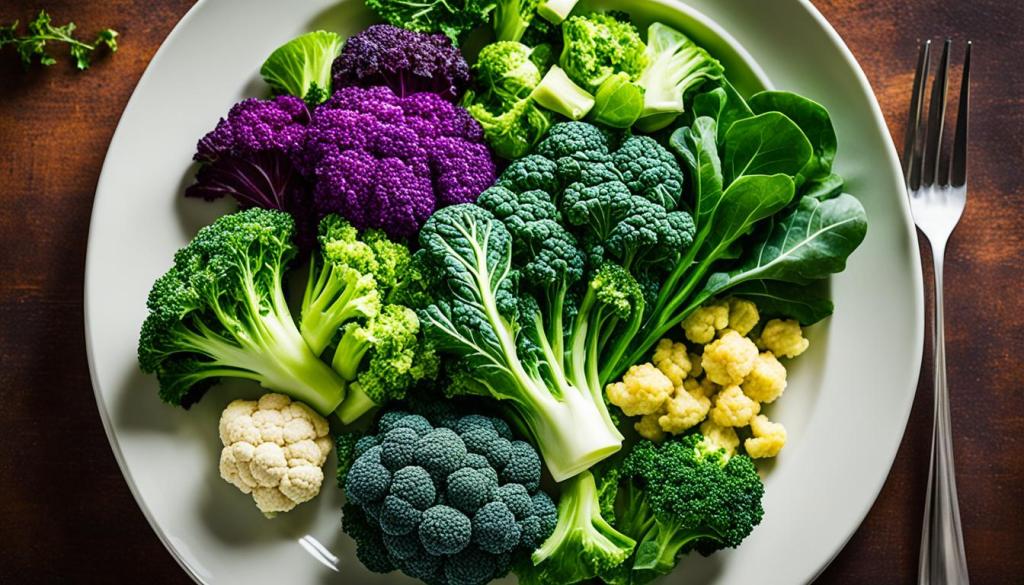
When it comes to reducing inflammation in your body, incorporating cruciferous vegetables into your diet is a smart choice. Vegetables like broccoli, cauliflower, Brussels sprouts, and kale are not only delicious but also packed with important nutrients and health benefits.
These cruciferous vegetables contain a powerful compound called sulforaphane, which has been shown to have anti-inflammatory properties. Sulforaphane works by reducing the production of certain inflammatory enzymes in the body, helping to ease joint pain and promote overall joint health.
Adding these vegetables to your meals can be as simple as steaming or roasting them alongside your favorite protein or incorporating them into stir-fries and salads. Their mild and versatile flavor makes them an excellent addition to a variety of dishes.
“Including cruciferous vegetables like broccoli, cauliflower, Brussels sprouts, and kale in your diet can provide a natural and delicious way to combat inflammation and support your joint health.”
If you’re looking to enjoy the benefits of cruciferous vegetables in a convenient and satisfying way, you can also try incorporating them into homemade smoothies or juicing them for a nutrient-rich beverage. However, it’s important to note that cooking these vegetables lightly can help preserve more of their nutrients.
The next time you’re at the grocery store, don’t forget to pick up some cruciferous vegetables and start reaping their anti-inflammatory benefits. Your joints will thank you!
Turmeric

When it comes to natural remedies for reducing joint pain and inflammation, turmeric takes the spotlight. Turmeric contains an active compound called curcumin, which possesses potent anti-inflammatory properties.[1]
Curcumin has been found to inhibit the production of inflammatory enzymes in the body, helping to alleviate joint discomfort and swelling. Incorporating turmeric into your diet can be a beneficial way to support joint health.[1]
To maximize the absorption of curcumin, it is recommended to consume turmeric with black pepper and healthy fats. Black pepper contains a compound called piperine, which enhances curcumin’s bioavailability, allowing your body to reap its full benefits.[1]
One convenient way to incorporate higher doses of curcumin into your routine is through a concentrated turmeric supplement. However, it’s essential to consult with a healthcare professional before adding any supplements to your regimen.[1]
A close-up of vibrant turmeric. Turmeric contains the powerful anti-inflammatory compound curcumin, which can support joint health.
By harnessing the anti-inflammatory properties of turmeric and curcumin, you can take a proactive approach to maintain healthy joints and reduce discomfort. Consult with your healthcare provider to determine the best way to incorporate turmeric into your joint health regimen.
Next, let’s explore the benefits of another joint-supporting food: yogurt.
Sources:
[1] Smith, M. (2021, September 30). 6 Foods to Eat for Healthy Joints.
Yogurt

When it comes to promoting a healthy gut microbiome, yogurt and other fermented foods are excellent choices. These probiotic-rich options provide your body with beneficial bacteria that can contribute to a healthy digestive system.
Why are live and active cultures important?
Yogurt with live and active cultures contains beneficial bacteria that are still alive, unlike other processed dairy products. These live cultures, such as Lactobacillus and Bifidobacterium, help populate your gut with healthy bacteria, supporting digestion and overall gut health.
Choosing the right yogurt:
When selecting yogurt, opt for plain and unsweetened varieties. Flavored yogurts often contain added sugars, which can contribute to inflammation. Instead, enhance the flavor of plain yogurt by adding fresh fruits or a drizzle of honey.
Enjoying yogurt regularly can be a tasty and convenient way to support a healthy gut and overall well-being.
Ginger
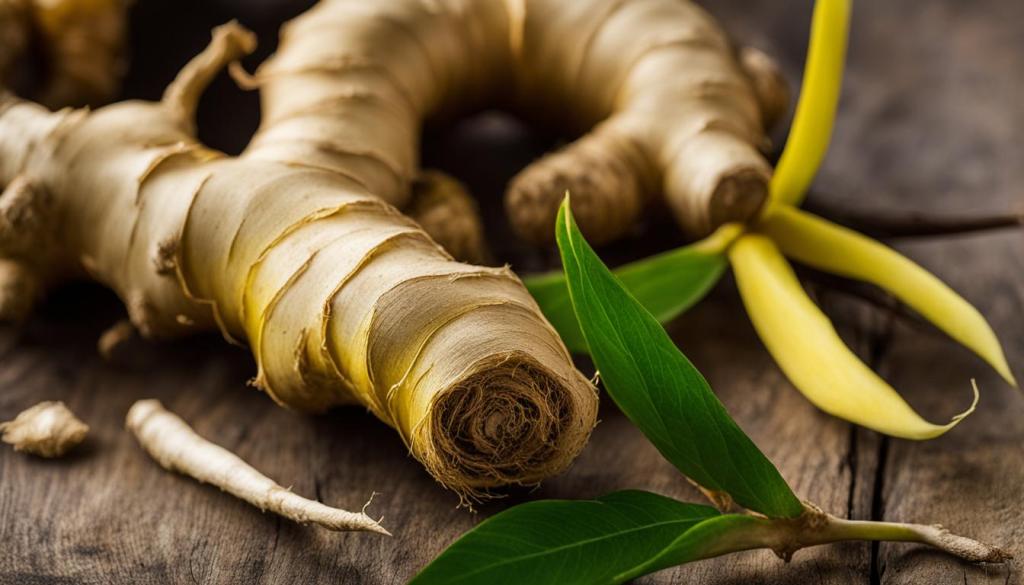
Ginger, a popular spice known for its distinct flavor, offers more than just a tasty addition to your meals. It also contains powerful antioxidants that can benefit your health, including your joints. One key component of ginger is gingerol, which possesses antioxidant properties and has been found to reduce inflammatory enzymes in the body.
Heating ginger can convert gingerol into shogaols, which have even stronger anti-inflammatory potential. This means that incorporating ginger into your diet, especially in heated dishes like curries and soups, can provide you with significant anti-inflammatory benefits.
To fully harness the benefits of ginger, try incorporating it into your daily meals. You can add sliced or grated ginger to stir-fries, marinades, or salad dressings for a flavorful kick. Additionally, enjoy a cup of ginger tea or infuse ginger into your water for a refreshing twist.
“Ginger’s antioxidant properties and ability to reduce inflammatory enzymes make it a valuable addition to your diet for joint health.”
Remember to choose fresh ginger root or ground ginger powder from reputable sources. Consider adding ginger to your grocery list to enhance both the taste and health benefits of your meals.
Green tea
Green tea is a popular beverage known for its numerous health benefits. It contains polyphenolic compounds that have been found to have anti-inflammatory properties, making it a great choice for promoting joint health. The polyphenols in green tea help reduce inflammation in the body, thereby potentially alleviating joint pain and discomfort.
To maximize the benefits of green tea, it is recommended to choose high-quality loose-leaf tea. Loose-leaf tea retains more of the natural polyphenolic compounds compared to tea bags. Additionally, rinsing the tea leaves before steeping can help minimize exposure to pesticides and herbicides that may be present.
“Green tea is not only a soothing and refreshing beverage, but it also offers powerful anti-inflammatory effects. By choosing loose-leaf tea and rinsing it before brewing, you can ensure you are getting the most out of its polyphenolic compounds.”
When selecting green tea, opt for organic-certified options whenever possible. Organic tea is free from synthetic pesticides and herbicides, ensuring a higher quality product without potential harmful chemical residues. Choosing organic-certified green tea ensures that you are getting a pure and organic source of polyphenolic compounds.
By incorporating green tea into your daily routine, you can enjoy its potential anti-inflammatory benefits and support your joint health naturally.
The Mediterranean diet and joint pain
The Mediterranean diet is well-known for its numerous health benefits, and one area where it can make a significant impact is in reducing joint pain and inflammation. This diet, inspired by the traditional eating habits of people from countries like Greece, Italy, and Spain, focuses on whole, unprocessed foods that are rich in nutrients and low in inflammation-promoting ingredients.
The Mediterranean diet emphasizes the consumption of:
Fruits and Vegetables: These are high in antioxidants and phytochemicals that can help reduce inflammation in the body.
Legumes: Legumes like beans, lentils, and chickpeas are excellent sources of plant-based protein and fiber, which can support joint health.
Plant-Based Fats: The diet encourages the use of plant-based fats like olive oil, which are rich in monounsaturated fats and have anti-inflammatory properties.
Whole Grains: Whole grains such as quinoa, brown rice, and whole wheat bread are packed with fiber and essential nutrients that support overall health and can help alleviate joint pain.
Fish: The Mediterranean diet includes regular consumption of fatty fish like salmon, tuna, and sardines, which are rich in omega-3 fatty acids known to have anti-inflammatory effects.
Herbs and Spices: Flavorful herbs and spices like basil, oregano, turmeric, and ginger are used abundantly in Mediterranean cooking, offering additional anti-inflammatory benefits.
By following the Mediterranean diet, you can reduce your intake of foods that promote inflammation, such as processed foods, red meat, alcohol, refined grains, and added sugars. These foods have been linked to an increased risk of joint pain and inflammation, so minimizing their consumption can be beneficial for your joint health.
So, why not give the Mediterranean diet a try? Incorporating these delicious and wholesome foods into your daily meals can not only improve your joint health but also support your overall well-being.
Foods to avoid
While incorporating foods that promote joint health into your diet is important, it is equally crucial to steer clear of certain foods that can increase inflammation and worsen joint pain. Avoiding these foods can help reduce symptoms and improve your overall joint health.
Sugars
Sugars, especially those found in processed foods and sugary beverages, can contribute to inflammation in the body. These added sugars can increase the production of inflammatory chemicals, leading to joint pain and discomfort. It’s important to limit your consumption of sugary foods and opt for healthier alternatives.
Refined Grains
Refined grains, such as white bread, pasta, and rice, have been stripped of their nutritional value and fiber. These grains can cause a spike in blood sugar levels, promoting inflammation in the body. Instead, choose whole grains like quinoa, brown rice, and whole wheat bread, which are rich in nutrients and have a lower impact on blood sugar.
Unhealthy Fats
Unhealthy fats, such as trans fats and saturated fats, can contribute to inflammation and joint pain. These fats are commonly found in fried foods, processed snacks, and high-fat dairy products. Opt for healthier fats like those found in avocados, nuts, and olive oil, which have anti-inflammatory properties.
Omega-6 Fatty Acids
While omega-6 fatty acids are essential for the body, excessive consumption can lead to inflammation. Common sources of omega-6 fatty acids include vegetable oils, such as corn oil and soybean oil, as well as processed foods that contain these oils. It’s important to strike a balance between omega-3 and omega-6 fatty acids in your diet.
Processed Foods
Processed foods, such as packaged snacks, fast food, and pre-packaged meals, often contain high levels of unhealthy fats, sugars, and additives. These ingredients can contribute to inflammation and worsen joint pain. Opt for whole, minimally processed foods to reduce your intake of these inflammatory substances.
Dairy
Some dairy products, particularly those high in saturated fats, can promote inflammation in the body. While not everyone experiences negative effects from dairy consumption, it may be worth reducing or eliminating dairy products if you notice a correlation between your joint pain and dairy intake.
“Avoiding foods that increase inflammation can help reduce joint pain and improve overall joint health.”
By being mindful of the foods you consume, you can minimize inflammation and support your joint health. Making these dietary changes, along with other lifestyle modifications, can have a significant impact on reducing joint pain and improving your overall well-being.
Conclusion
Maintaining healthy joints involves a combination of a healthy diet and regular exercise. By incorporating specific foods into your diet, you can reduce inflammation, strengthen connective tissue, and promote bone density, all of which contribute to joint health. It is important to avoid processed foods, sugar, and unhealthy fats, as these can exacerbate joint issues. Additionally, maintaining a healthy weight is crucial for reducing stress on the joints and preventing further damage.
Incorporating exercise into your routine is another essential aspect of maintaining joint health and overall wellness. Regular physical activity helps improve joint function, flexibility, and strength. Engaging in low-impact activities such as swimming, walking, and cycling can be particularly beneficial for your joints.
Remember, taking care of your joint health is not only about preventing pain and discomfort but also about ensuring your overall well-being. By following a healthy diet, engaging in regular exercise, and maintaining a healthy weight, you are setting yourself up for a healthier and more active lifestyle that promotes joint health and longevity.
FAQ
What are some foods that are beneficial for healthy joints?
Some foods that are beneficial for healthy joints include fish, cruciferous veggies, turmeric, yogurt, ginger, and green tea.
How does what you eat affect joint health?
What you eat can affect joint health by reducing inflammation and alleviating joint pain.
What is inflammation?
Inflammation is a normal immune response that helps protect the body from infection and promote healing. However, chronic inflammation can lead to joint conditions like arthritis.
How does fish benefit joint health?
Fish rich in omega-3 fatty acids have anti-inflammatory properties and can help reduce joint pain. Opt for fish like salmon, trout, mackerel, herring, and European anchovies.
How do cruciferous vegetables contribute to joint health?
Cruciferous vegetables like broccoli, cauliflower, Brussels sprouts, and kale are rich in anti-inflammatory compounds like sulforaphane, which can benefit joint health.
What are the anti-inflammatory properties of turmeric?
Turmeric contains curcumin, which has potent anti-inflammatory properties. It is often recommended to consume turmeric with black pepper and healthy fats for improved absorption.
How does yogurt promote joint health?
Yogurt and other fermented foods provide healthy bacteria that promote a healthy gut microbiome. Choose plain and unsweetened yogurt with live and active cultures for maximum benefits.
What are the anti-inflammatory benefits of ginger?
Ginger has antioxidant properties and reduces inflammatory enzymes. Including ginger in your diet, especially in heated dishes like curries and soups, can provide anti-inflammatory benefits.
How does green tea help reduce inflammation?
Green tea contains polyphenolic compounds that help reduce inflammation. Choose high-quality loose-leaf tea and look for organic-certified options for maximum benefits.
How does the Mediterranean diet benefit joint pain?
The Mediterranean diet, which emphasizes fruits, vegetables, legumes, plant-based fats, whole grains, fish, and herbs and spices, is known for its anti-inflammatory properties and can help reduce joint pain.
What foods should I avoid for joint pain?
It is important to avoid foods that increase inflammation, such as sugars, refined grains, unhealthy fats, omega-6 fatty acids, processed foods, and certain dairy products.
How can I maintain healthy joints?
Maintaining healthy joints involves a combination of a healthy diet, including foods that promote joint health and avoiding foods that increase inflammation, as well as regular exercise and maintaining a healthy weight.



 trim down and shape up
Leave a comment