


A new study conducted by the Smidt Heart Institute at Cedars-Sinai reveals a significant gender gap in exercise between men and women. The findings, published in the Journal of the American College of Cardiology (JACC), demonstrate that women can achieve greater cardiovascular gains despite exercising less frequently than men.
The study challenges the notion that the amount of exercise is directly proportional to the benefits gained, particularly in terms of cardiovascular health. It suggests that women can derive significant advantages from exercise even with less effort, allowing them to live healthier, longer lives.
Key Takeaways:
- Women can achieve greater cardiovascular gains from exercise compared to men, even with less frequent workouts.
- The gender gap in exercise highlights the need for further research and targeted interventions to promote physical activity among women.
- Empowering women to overcome barriers and feel comfortable in gym environments is crucial for promoting equal access to the benefits of exercise.
- Strength training plays a significant role in improving women’s health, reducing the risk of chronic diseases, and promoting overall physical strength and empowerment.
- Addressing gender disparities in strength training requires a multifaceted approach, including policy changes, educational initiatives, and the creation of inclusive and supportive gym environments.
The Physical Activity Gap
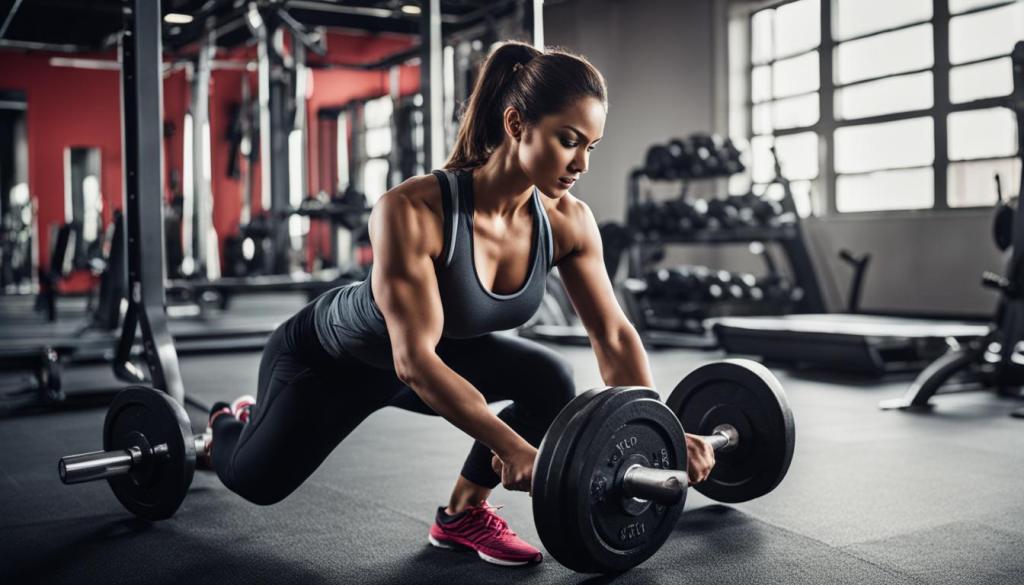
Globally, women are less likely than men to meet recommended cardio and strength activity levels. In the United States, only 49% of women meet these guidelines, compared to 57% of men. This discrepancy highlights the existence of a gender gap when it comes to physical activity. It becomes even more pronounced when considering guidelines for both aerobic and muscle-strengthening activities. This disparity has significant implications for women’s health and contributes to health inequities.
“The gender gap in meeting recommended activity levels emphasizes the need for targeted interventions to address this disparity.” – Dr. Emily Thompson, Exercise Science Researcher
The physical activity gap between men and women is a global phenomenon, and it has far-reaching ramifications. Women who fall short of meeting recommended activity levels are at higher risk of developing chronic diseases such as cardiovascular disease, diabetes, and osteoporosis. They may also experience decreased muscle strength and stamina, leading to reduced overall fitness.
It is essential to understand the factors contributing to this gap in order to bridge the divide and enable women to achieve better results from their workouts.
The Role of Social Factors
Multiple factors contribute to the lower physical activity levels among women. Societal norms and expectations often place a greater emphasis on women’s appearance rather than their physical capabilities. This emphasis on beauty standards can discourage women from engaging in activities that build strength and endurance.
“The pressure on women to conform to societal ideals often discourages them from pursuing activities that promote strength and empowerment.” – Emma Johnson, Women’s Fitness Advocate
In addition, women tend to have greater household and caregiving responsibilities, which can limit their time and energy for exercise.
Barriers in Gym Environments
Gym environments can also contribute to the physical activity gap. Many women report feeling intimidated or uncomfortable in weight rooms dominated by men. This discomfort stems from a variety of factors, including perceived judgments about their physical abilities and body image concerns.
“Creating inclusive spaces within gyms is essential for empowering women to engage in strength training.” – Dr. Sarah Martinez, Exercise Psychologist
Furthermore, access to appropriate athletic wear and equipment designed for women’s bodies plays a crucial role in facilitating their participation in strength activities.
Breaking down these barriers and promoting gender equality in gym settings is vital for encouraging women to engage in both cardio and strength training exercises.
By addressing the physical activity gap and empowering women to participate in strength and cardio exercises, individuals can achieve better results while maintaining their health and well-being.
Gender Lines in the Gym
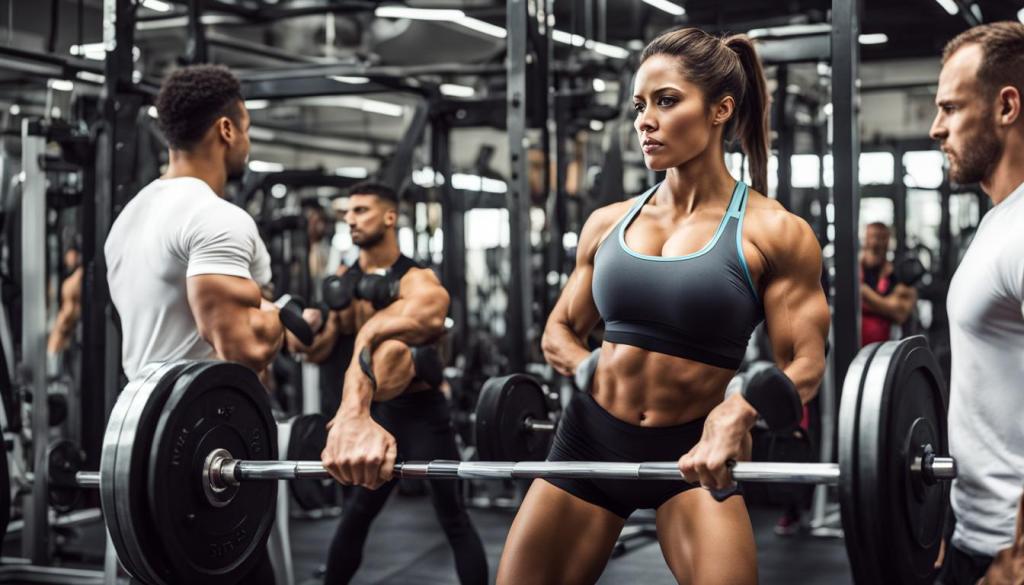
When it comes to the gym, women often face unique challenges and deterrents that can hinder their participation, particularly in strength training. One major obstacle is the presence of gender-specific stereotypes and social attitudes that reinforce gender lines and discourage women from accessing weight racks.
“Women may feel self-conscious and judged in male-dominated weight rooms, leading to lower participation in strength training.”
Weight stigma and harassment are prevalent issues that women frequently encounter in gym environments. Such experiences can create an intimidating and uncomfortable atmosphere, making it difficult for women to fully engage in strength training.
“The design and social attitudes in gyms also reinforce gender lines, discouraging women from accessing weight racks.”
Gyms have historically been designed with a focus on male-dominated activities, leaving women with limited space and equipment options. This lack of representation and the perception that certain areas are “male-dominated” can deter women from exploring strength training opportunities.
Overcoming these barriers is crucial for promoting gender equality in the gym. By addressing gender-specific deterrents, we can create a more inclusive and supportive environment that encourages women to participate in strength training and reap the benefits.
“It’s important to recognize that women can excel in strength training and achieve impressive results. By breaking down gender stereotypes and providing equal opportunities, we can empower women to embrace the potential of their bodies and challenge traditional norms.”
The image above represents the challenges women may face when it comes to gym intimidation and the importance of overcoming these barriers.
Barriers to Women’s Exercise
When it comes to exercise, women face various barriers that can limit their participation and hinder their progress in achieving their fitness goals. These barriers encompass both physical and societal factors, and addressing them is essential in promoting women’s physical activity and overall well-being.
Body image concerns play a significant role in preventing women from engaging in exercise. The pressure to conform to societal beauty standards can lead to low self-esteem and body dissatisfaction, making women feel uncomfortable and self-conscious in gym settings. As a result, they may avoid certain types of exercise, such as strength training, where they fear being judged or compared to others.
In addition to body image concerns, gendered athletic wear can also pose a barrier to women’s exercise. Ill-fitting or impractical workout attire can make women feel uncomfortable, restricted in movement, or even excluded from certain activities. The lack of suitable options may discourage women from fully embracing their fitness journey and exploring different forms of exercise.
Feelings of exclusion and discomfort in gym and outdoor environments are another significant barrier for women. The predominantly male-dominated spaces can evoke a sense of intimidation, leading to hesitation or avoidance of these areas. Women may feel judged, stared at, or unwelcome, which can hamper their motivation to engage in strength training or other activities traditionally associated with men.
Time and energy constraints are additional barriers that women often face. With the disproportionate burden of household and childcare responsibilities, finding the time and energy to exercise can be challenging. Balancing work, family commitments, and personal well-being leaves little room for dedicated workout sessions, making it difficult for many women to prioritize their own health.
To address these barriers, it is crucial to create inclusive and supportive environments that prioritize women’s comfort and well-being. This includes promoting body positivity and self-acceptance, providing a diverse range of athletic wear options, and offering women-only sections or hours in gyms to foster a sense of safety and empowerment. Additionally, providing resources and support for managing time and energy constraints can help women overcome these challenges and make physical activity a regular part of their lives.
Overcoming the barriers to women’s exercise is vital for promoting their physical and mental well-being. By creating inclusive spaces, addressing body image concerns, and supporting women in balancing their responsibilities, we can empower women to embrace the benefits of cardio and strength training. Let us make exercise accessible and enjoyable for all, contributing to a healthier and more active society.
The Influence of Social Media

Research shows that social media, particularly platforms like Instagram, can have a significant impact on women’s body image and self-perception. With the constant exposure to carefully curated images of flawless bodies, women often compare themselves to unrealistic standards set by celebrities and peers. This can lead to feelings of dissatisfaction with their own bodies, affecting their confidence and self-esteem. Unfortunately, this negative body image can also discourage women from embracing physical activity, including engaging in cardio and strength training.
The idealized images portrayed on social media platforms can create a distorted perception of what a person’s body should look like. Driven by the desire to conform and gain approval, many women feel pressured to achieve a certain level of attractiveness based on these unattainable standards. This can create a cycle of self-doubt and negative self-talk, impacting their motivation and willingness to participate in activities that promote their overall health.
“The constant exposure to unrealistic beauty standards on social media can take a toll on women’s mental health and body image. It’s important to remember that these images are often heavily edited and filtered, presenting an unattainable reality. Embracing your own unique beauty and focusing on what feels good for your body is key.” – Dr. Amanda Johnson, Psychologist
Women may hesitate to engage in physical activity and strength training because they fear not being able to achieve the perceived ideal body shape or size. This can discourage them from even trying to improve their fitness level. The prevalence of comparison culture on social media exacerbates these concerns, as women constantly see others who they perceive as having achieved their desired physique.
However, it’s important to recognize that physical fitness and body image are not necessarily correlated. Engaging in cardio and strength training can have numerous benefits beyond appearance, such as improving cardiovascular health, increasing strength and endurance, and boosting overall well-being. By shifting the focus from aesthetics to the positive impact that exercise can have on their overall health, women can reclaim their power and overcome the negative influence of social media.
To combat the negative effects of social media on body image, it is crucial to cultivate an understanding of real bodies and promote a more diverse and inclusive representation of beauty. This includes following accounts that celebrate body positivity, sharing images of real women engaging in various forms of exercise, and highlighting the mental and physical benefits of a healthy lifestyle.
Intimidation and Harassment

Women face intimidation and harassment in both gym and outdoor exercise environments. This issue is particularly prevalent when it comes to running, as women often find themselves exposed to various risks, including harassment and fear for their safety. These negative experiences can have a significant impact, discouraging women from engaging in regular running and accessing outdoor exercise spaces.
Creating safe and inclusive environments is paramount to ensuring that women feel comfortable and empowered during their workouts. By addressing the underlying factors contributing to intimidation and harassment, we can promote a more positive exercise culture where women can confidently pursue their fitness goals.
“As a woman, I’ve often experienced harassment while running, which made me hesitant to continue. It’s essential to prioritize safety and create spaces where women feel supported and protected.”
Challenges in Gym Culture
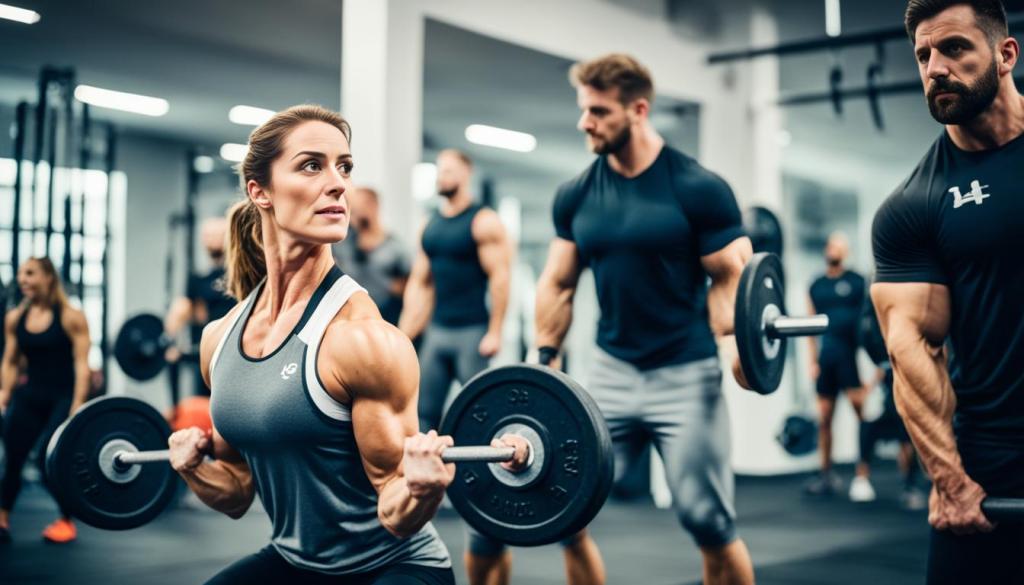
Gym culture can often be daunting, especially for women. Many gyms have traditionally been dominated by male clientele, creating an environment that can feel unwelcoming or intimidating for women. This dynamic can discourage women from participating in strength training and weight lifting activities, despite the numerous benefits they offer.
Entering a male-dominated weight room can make women feel like they don’t belong or face judgment from others. The prevailing gym culture may perpetuate gender stereotypes and contribute to feelings of inadequacy or self-consciousness. However, it is essential to recognize that women excel in cardio and strength training and often achieve better results than men.
“Strength training is not reserved for a specific gender. Women can hold their own in weight lifting and should feel empowered to do so,” says fitness trainer and advocate, Jessica Simmons. “Strength training not only improves physical strength but also boosts confidence and overall well-being.”
To promote inclusivity and overcome gender barriers in gym culture, it is crucial to increase female representation and support in weight lifting and strength training. This can be achieved through various initiatives, such as:
- Offering women-specific training programs and classes that focus on strength development.
- Highlighting successful female weightlifters and athletes as role models through social media and fitness campaigns.
- Establishing mentorship programs where experienced female lifters can guide and support new-comers.
Acknowledging and celebrating the accomplishments of women in weight lifting helps to challenge stereotypes and break down gender barriers. Providing a supportive and inclusive environment in the gym encourages women to embrace strength training and harness its many benefits.
Empowering Women in the Gym
Through increased female representation in weight lifting and strength training, we can redefine and reshape the gym culture into a more inclusive and empowering space. By focusing on cultivating an environment that supports and encourages women, we can ensure that every individual feels comfortable and motivated to reach their fitness goals.
The Importance of Strength Training for Women

Strength training is a critical component of a well-rounded fitness routine for women. It offers numerous benefits that go beyond just building muscles. By incorporating strength training into your workout regimen, you can enhance your overall health and well-being.
One of the key benefits of strength training for women is the ability to build and maintain bone density. As women age, they become more susceptible to osteoporosis, a condition characterized by weak and brittle bones. Regular strength training exercises, such as weightlifting, help stimulate bone growth and reduce the risk of osteoporosis.
“Strength training helps build and maintain bone density, reducing the risk of osteoporosis.”
Strength training also plays a vital role in preventing cardiovascular disease and diabetes. While cardiovascular exercises like running and cycling primarily focus on improving the heart and lung health, strength training provides additional benefits. It helps lower blood pressure, improve cholesterol levels, and enhance insulin sensitivity, reducing the risk of developing cardiovascular disease and type 2 diabetes.
“Strength training reduces the risk of developing cardiovascular disease and diabetes, more so than cardio alone.”
Beyond the physical benefits, strength training empowers women by promoting overall physical strength, confidence, and self-esteem. As you witness your progress and see yourself becoming stronger, it boosts your confidence in other areas of life as well. The sense of accomplishment and empowerment derived from strength training can positively impact your mental well-being.
Incorporating both cardiovascular exercises and strength training into your fitness routine can help you achieve optimal results. While cardio exercises are essential for improving endurance and burning calories, strength training provides unique benefits that women should not overlook.
So, whether you choose to lift weights, use resistance bands, or perform bodyweight exercises, make sure to prioritize strength training as part of your fitness journey. By embracing the power of strength training, you can unlock a stronger, healthier, and more empowered version of yourself.
Additional Quote:
“Strength training promotes overall physical strength, confidence, and empowerment among women.”
Overcoming Barriers to Women’s Strength Training
Creating inclusive and welcoming gym environments is essential for overcoming barriers to women’s strength training. Women often face unique challenges and obstacles that can discourage them from engaging in strength training exercises. However, with the right approach and support, these barriers can be addressed and overcome, empowering women to embrace the benefits of strength training.
“Providing a safe and inclusive space for women to engage in strength training is crucial. By implementing policies against harassment and creating a supportive environment, we can ensure that women feel comfortable and confident in accessing the weight areas of the gym.” – Fitness expert, Sarah Thompson
Implementing policies against harassment: Harassment and judgement can be significant deterrents for women who want to participate in strength training. Gym owners and managers can play a vital role in creating a safe and inclusive environment by implementing strict policies against harassment. This includes addressing any misconduct promptly and ensuring that all gym members, regardless of gender, are treated with respect and dignity.
Providing diverse and inclusive athletic wear options: Women deserve access to athletic wear that makes them feel confident and comfortable during their strength training workouts. Gym facilities can expand their selection of athletic wear to include a wide range of sizes, styles, and designs that cater to the needs of women of all body types and preferences. This inclusivity promotes body positivity and encourages more women to engage in strength training.
Designing gym spaces that break down gender lines: Many women may feel intimidated by the presence of male-dominated spaces in the gym. By redesigning gym spaces to be more inclusive, with designated areas for strength training that are welcoming to all genders, women can feel more at ease and confident in accessing these areas. This promotes a sense of equality and encourages more women to incorporate strength training into their fitness routines.
Women-only sections or hours:
Offering women-only sections or dedicated hours can further enhance women’s comfort and confidence in engaging in strength training. These designated spaces or times provide an environment where women can focus on their workouts without feeling self-conscious or judged. Such initiatives can help overcome social barriers and create a supportive community of women who can inspire and motivate each other.
To further foster a welcoming environment for women in strength training, it’s crucial for gym owners, trainers, and fitness professionals to provide education and support. Offering workshops, classes, and resources that specifically address the benefits and techniques of strength training for women can empower them to overcome their initial barriers and develop the skills and confidence needed to achieve their fitness goals.
By addressing these barriers and creating inclusive and supportive gym environments, we can empower women to overcome challenges and fully embrace the benefits of strength training. Women’s strength training not only enhances physical strength and overall health but also promotes confidence, empowerment, and longevity. Together, let’s break down barriers and champion women’s strength!
College-Related Barriers to Women’s Strength Training
Research suggests that women in college face specific barriers to engaging in strength training. When it comes to using campus recreational facilities, particularly weight areas, women may find themselves feeling uncomfortable. Lack of knowledge, crowded spaces, and unsolicited advice from male peers can contribute to this discomfort.
For many college women, the weight areas of the gym can be intimidating. They may have limited experience with strength training and may not know how to properly use the equipment. This lack of knowledge can make them feel self-conscious and prevent them from incorporating strength training into their workout routines.
“I didn’t feel like I knew what I was doing, so I avoided the weight area altogether. It was easier to stick to cardio because it felt familiar.” – Sarah, college student
Crowded gym spaces can also be a deterrent for women looking to engage in strength training. The weight areas are often dominated by male athletes or weightlifters, which can make women feel out of place. The lack of female representation in these spaces creates an additional barrier for women who want to participate in strength training.
Furthermore, unsolicited advice from male peers can further contribute to the discomfort that women may feel in the weight area. This can range from well-intentioned but unwanted suggestions on form and technique to outright mansplaining. Such encounters can make women less likely to return to the weight area, hindering their progress in strength training.
College administrators and policymakers have an important role to play in addressing these barriers and creating inclusive and supportive environments for all students’ physical activity. By implementing programs and initiatives that educate and empower women in strength training, colleges can help bridge the gender gap in fitness.
Colleges can also prioritize creating designated spaces for women’s strength training, ensuring that they have access to equipment and resources that cater to their needs. Additionally, offering workshops and training sessions specifically tailored for women can help build their confidence and knowledge in strength training.
By breaking down these barriers and providing support, colleges can encourage more women to engage in strength training and reap the benefits it offers.
Overcoming Gender Disparities in Strength Training
Providing equal opportunities for women in strength training requires a multifaceted approach. By implementing policies and design changes in gym facilities, we can improve the visibility and accessibility of weight areas, creating a more inclusive environment for all. Women-only sections or hours can also play a significant role in helping women feel more at ease and supported during their workouts.
Education and empowerment are key to overcoming gender disparities in strength training. By educating women about the benefits of strength training, we can help them understand how it contributes to overall health and well-being. Empowering women with the knowledge and confidence to engage in strength training will break down barriers and promote gender equality in the gym.
Conclusion
Addressing the gender gap in the gym is crucial for promoting women’s overall health and well-being. Studies consistently show that when it comes to cardio and strength training, women can achieve better results than men with less effort. However, they face unique challenges and barriers that limit their participation in these activities.
By breaking down these barriers and fostering inclusive environments, we can create equal opportunities for women to access the benefits of cardio and strength training. Empowering women to embrace a healthy and active lifestyle not only improves their physical fitness but also contributes to longer and more fulfilling lives.
It is essential to create gym environments where women feel comfortable, accepted, and supported. This includes implementing policies against harassment, providing diverse and inclusive athletic wear options, and designing gym spaces that break down gender lines. Women-only sections or hours can also play a significant role in encouraging women to engage in strength training.
Through education and empowerment, we can overcome the gender gap in the gym and ensure that all individuals, regardless of their gender, have equal access to the transformative benefits of cardio and strength training. Together, let’s work towards a future where women thrive in the gym and lead healthier, happier lives.
FAQ
How can women get better results than men with less effort?
Women can achieve better results with less effort by incorporating both cardio and strength training into their fitness routines. Strength training, in particular, offers numerous benefits for women’s health and can lead to better overall results compared to cardio alone.
What is the gender gap in the gym?
The gender gap in the gym refers to the disparity in physical activity levels between men and women. Women are less likely to meet recommended aerobic and muscle-strengthening activity levels, leading to health inequities and increased risk of chronic diseases.
Why do women feel intimidated in the gym?
Many women feel intimidated in the gym due to factors such as weight stigma, harassment, and male-dominated environments. These barriers often discourage women from participating in muscle-strengthening activities like weight training.
What are the barriers to women’s exercise?
Women face various barriers to exercise, including body image concerns, gendered athletic wear, feelings of exclusion or discomfort in gym environments, and the challenges of balancing household and childcare responsibilities.
How does social media impact women’s exercise?
Social media, particularly platforms like Instagram, can negatively impact women’s body image and self-perception. Comparisons to unrealistic standards set by celebrities and peers can deter women from engaging in physical activity, including strength training.
How does intimidation and harassment affect women’s exercise?
Intimidation and harassment in gym and outdoor environments can discourage women from exercising, particularly in activities like running. Fear for safety and negative experiences can hinder women’s participation in physical activity.
What challenges do women face in gym culture?
Women may feel like they don’t belong or are judged in male-dominated gym culture. Misogynistic conversations and a lack of female representation can create an unwelcoming environment for women in weight lifting and strength training.
What are the benefits of strength training for women?
Strength training provides numerous benefits for women’s health, including building and maintaining bone density to reduce the risk of osteoporosis. It also reduces the risk of cardiovascular disease and diabetes and promotes overall physical strength, confidence, and empowerment.
How can women overcome barriers to strength training?
Creating inclusive and welcoming gym environments, implementing policies against harassment, providing diverse athletic wear options, and breaking down gender lines in gym spaces are essential steps in overcoming barriers to women’s strength training.
What are the college-related barriers to women’s strength training?
In college settings, women may feel uncomfortable using weight areas in recreational facilities, face crowded spaces, and receive unsolicited advice from male peers. College administrators and policymakers can play a role in creating inclusive and supportive environments for all students’ physical activity.
How can we overcome gender disparities in strength training?
Overcoming gender disparities in strength training requires a multifaceted approach, including implementing policies and design changes in gym facilities, providing equal opportunities and support, and educating and empowering women about the benefits of strength training.
Is addressing the gender gap in the gym important?
Yes, addressing the gender gap in the gym is essential for promoting women’s overall health and well-being. By overcoming barriers, fostering inclusive environments, and providing equal opportunities, women can access the benefits of both cardio and strength training, leading to longer and more fulfilling lives.


 trim down and shape up
Leave a comment