


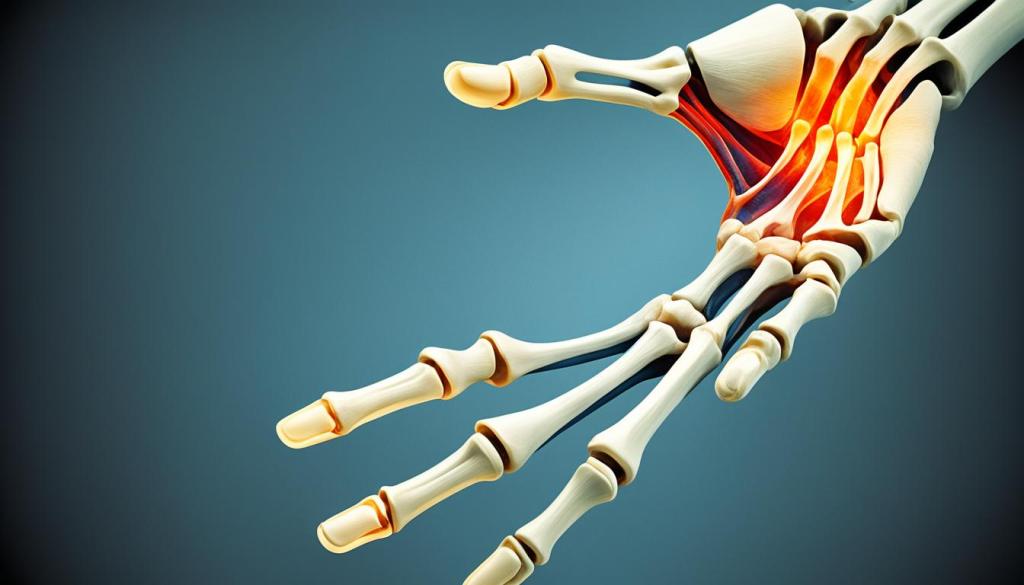
If you’re one of the millions of Americans living with arthritis, you know how debilitating joint pain can be. The good news is that there are lifestyle changes you can make to manage your symptoms, including a healthy diet and regular exercise. In this article, we’ll explore the impact of physical activity on arthritis pain and how it can help improve your joint health.
Key Takeaways:
- Maintaining a healthy weight through exercise can alleviate joint pain and reduce inflammation.
- Low-impact exercises like swimming, walking, and yoga can improve joint flexibility and function.
- Avoiding certain foods, such as processed meats and sugary treats, can help manage arthritis symptoms.
- Consult with your healthcare provider before starting any new exercise routine or making drastic dietary changes.
- Physical activity can improve your overall quality of life and mental well-being.
Understanding Arthritis: Types and Causes
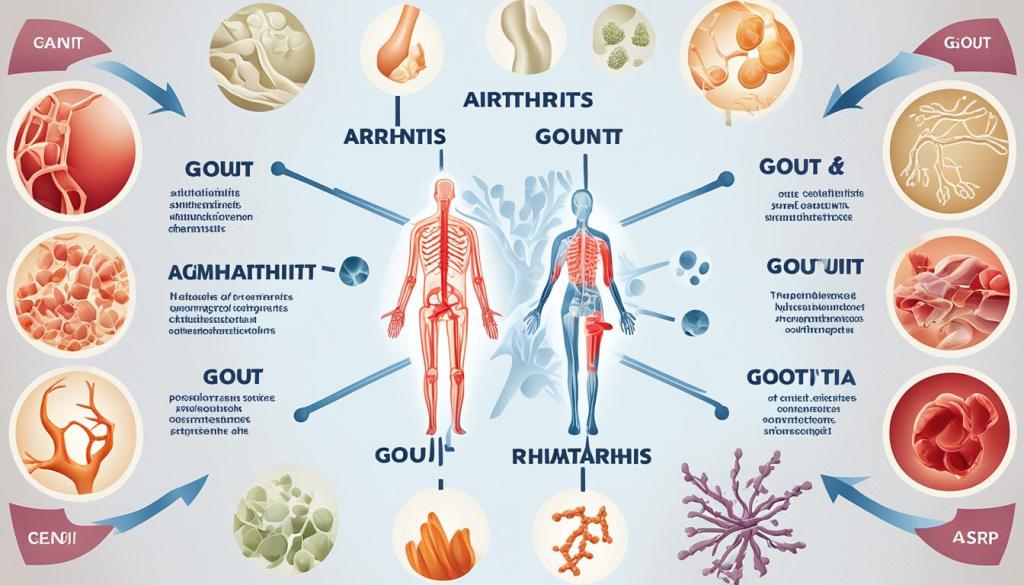
Arthritis is a common condition that can cause inflammation and pain in your joints. Whether you’re experiencing joint pain or have been diagnosed with arthritis, gaining a deeper understanding of the different types and causes can help you effectively manage your symptoms and improve your quality of life.
There are two primary types of arthritis: rheumatoid arthritis and osteoarthritis. Rheumatoid arthritis is an autoimmune disease where your body’s immune system mistakenly attacks the lining of your joints, leading to inflammation and joint pain. On the other hand, osteoarthritis is a degenerative joint disease that occurs when the protective cartilage that cushions the ends of your bones wears down over time, resulting in pain, stiffness, and swelling.
Knowing the type of arthritis you have is crucial because the causes and treatment approaches can vary. Rheumatoid arthritis is thought to be caused by a combination of genetic and environmental factors, whereas osteoarthritis is often associated with aging, joint trauma, obesity, and joint overuse.
By understanding the underlying causes of your arthritis, you can work closely with your healthcare provider to develop a tailored management plan that suits your needs. This may include a combination of lifestyle changes, medications, physical therapy, and other treatments to alleviate pain, manage inflammation, and improve joint function.
It is important to remember that arthritis is a complex condition, and each individual’s experience may vary. Consulting with a healthcare professional will provide you with personalized guidance and support on how to effectively manage your arthritis, reduce joint pain, and enhance your overall well-being.
The Impact of Diet on Arthritis
Certain foods can have a significant impact on arthritis and joint pain. While some foods can contribute to inflammation and worsen symptoms, others can help reduce inflammation and support joint health. By making smart dietary choices, you can effectively manage your arthritis and promote overall joint well-being.
Eating a diet rich in fruits, vegetables, whole grains, and lean proteins can provide essential nutrients that support joint health. On the other hand, certain foods should be avoided or consumed in moderation to minimize inflammation and manage arthritis symptoms. These include:
Eggs: While eggs are a good source of protein, they contain arachidonic acid, which can trigger inflammation in some individuals with arthritis.
Dairy: Some people with arthritis may experience worsened symptoms when consuming dairy products, especially if they have a sensitivity or intolerance to lactose or casein.
Processed meat: Processed meats, such as sausage, bacon, and deli meats, often contain high levels of saturated fats and sodium, which can contribute to inflammation and joint pain.
Sugar: High consumption of sugar has been linked to increased inflammation in the body, which can exacerbate arthritis symptoms.
Fried foods: Deep-fried foods are typically high in unhealthy fats, which can promote inflammation and lead to joint discomfort.
Refined grains: Foods made with refined grains, such as white bread, pasta, and pastries, have a high glycemic index and can prompt the body to release pro-inflammatory compounds.
By reducing or eliminating these foods from your diet, you may notice a reduction in joint pain and inflammation associated with arthritis.
Instead, focus on incorporating anti-inflammatory foods into your meals. These include:
Fatty fish: Fish rich in omega-3 fatty acids, such as salmon, mackerel, and sardines, have been shown to have anti-inflammatory properties and can help manage arthritis symptoms.
Colorful fruits and vegetables: Fruits and vegetables with vibrant colors, such as berries, cherries, spinach, kale, and broccoli, contain antioxidants and anti-inflammatory compounds that promote joint health.
Nuts and seeds: Almonds, walnuts, chia seeds, and flaxseeds are rich in omega-3 fatty acids and can reduce inflammation in the body.
Olive oil: Olive oil contains a compound called oleocanthal, which has similar anti-inflammatory effects as nonsteroidal anti-inflammatory drugs (NSAIDs).
Turmeric: Curcumin, the active component in turmeric, has potent anti-inflammatory properties and can help relieve arthritis symptoms.
Remember to consult with a healthcare professional or a registered dietitian before making any significant dietary changes, especially if you have specific dietary restrictions or medical conditions.
The Role of Exercise in Managing Arthritis

Regular exercise plays a crucial role in managing arthritis and reducing joint pain. Engaging in low-impact exercises can provide relief, increase flexibility, and improve joint function. By incorporating activities like walking, swimming, yoga, and stretching into your routine, you can effectively manage your arthritis symptoms and improve overall joint health.
Low-impact exercises are particularly beneficial for individuals with arthritis as they put less stress on the joints while still providing a challenging workout. They also help maintain cardiovascular health and strengthen the muscles around the affected joints, providing added support and stability.
Good posture is essential during exercise to prevent further strain on the joints and maintain proper alignment. Focus on maintaining a neutral spine and engaging your core muscles. This will help distribute weight evenly and reduce the impact on your joints.
Stretching is another important component of an arthritis exercise routine. It helps improve flexibility and range of motion, relieving stiffness in the joints. Incorporate gentle stretches before and after your exercise session to warm up the muscles and prevent injury.
Remember to start slowly and gradually increase the intensity and duration of your exercises. Listen to your body and rest when needed. If you experience severe pain or discomfort during exercise, consult with your healthcare provider for guidance.
“Exercise is medicine for arthritis. It improves pain, reduces fatigue, increases mobility, and enhances overall quality of life.” – Dr. John Marshall
Incorporating regular low-impact exercises, maintaining good posture, and including stretching in your routine are all key to effectively managing arthritis and promoting optimal joint health. Don’t let arthritis hold you back from enjoying an active and fulfilling life.
Quit Smoking for Better Joint Health

Smoking has a detrimental impact on your joint health, exacerbating the symptoms of arthritis and increasing the risk of developing rheumatoid arthritis. Quitting smoking is not only beneficial for your overall health but can also significantly reduce inflammation and joint pain.
“Studies have shown that smoking is associated with an increased risk of developing rheumatoid arthritis.”
Smoking has been linked to systemic inflammation, which can further aggravate the inflammation in your joints. This increased inflammation can lead to more severe joint pain and faster progression of arthritis.
By quitting smoking, you can significantly improve your joint health and reduce the frequency and intensity of arthritis symptoms. Quitting smoking can also slow down the progression of arthritis and prevent further damage to your joints.
It’s important to seek support when quitting smoking. Talk to your healthcare provider about smoking cessation programs or resources that can help you quit successfully. Remember that quitting smoking is a journey, and it may take time and effort, but the benefits to your joint health are immense.
Quitting smoking is a crucial step in managing arthritis and promoting better joint health. Take the first step towards healthier joints by giving up smoking today.
Managing Depression and Arthritis

Living with chronic pain from arthritis can be a daily struggle. Not only do you have to manage the physical symptoms and limitations, but it can also take a toll on your mental health. Joint pain can often lead to feelings of depression and anxiety, making it important to address both the physical and mental aspects of arthritis.
One way to manage depression and arthritis is by seeking support. Talking to family, friends, or joining a support group can provide an outlet to share your experiences and feelings with others who understand what you’re going through. Sometimes, simply being able to express your emotions can provide relief and comfort.
Engaging in self-care activities can also play a significant role in managing both your physical and emotional well-being. Taking time each day to do something you enjoy, such as reading a book, listening to music, or practicing relaxation techniques, can help alleviate stress and boost your mood. It’s important to prioritize self-care and make it a regular part of your routine.
“Engaging in self-care activities can provide an outlet to release stress and improve your overall well-being. Take time for yourself and do something you enjoy.”
In some cases, therapy or counseling may be beneficial. A mental health professional can help you develop coping strategies to manage depression and anxiety related to your arthritis. They can also provide a safe space for you to express your emotions and work through any challenges or concerns you may have.
When dealing with both arthritis and depression, it’s important to remember that you are not alone. There are resources available to assist you in managing both aspects of your health. By seeking support, engaging in self-care activities, and considering therapy or counseling, you can take steps towards managing both the physical and emotional impact of arthritis.
The Impact of Excess Weight on Joint Health
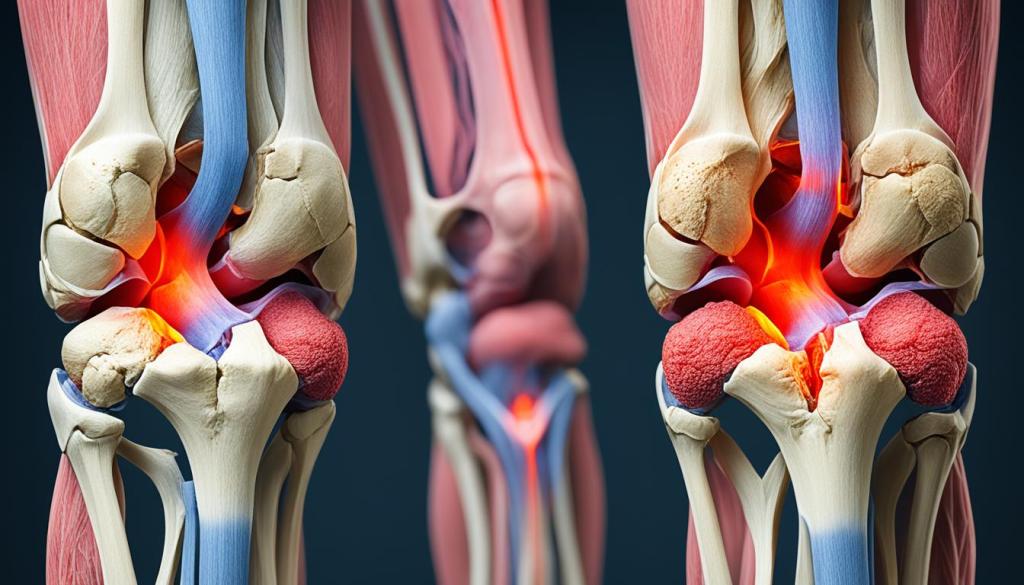
Carrying excess weight puts added stress on the joints, leading to increased pain and inflammation. When you have arthritis, this additional strain can make your symptoms worse. The extra weight puts pressure on the already compromised joints, causing more discomfort and difficulty with movement. It becomes a cycle of pain and limited mobility.
However, the good news is that you can break this cycle by taking steps to manage your weight. Losing weight can alleviate joint pain and improve overall joint health. A combination of a healthy diet and regular exercise is key to achieving and maintaining a healthy weight.
When it comes to your diet, focus on consuming nutritious foods that support joint health. Include plenty of fruits, vegetables, whole grains, lean proteins, and healthy fats in your meals. Avoid or limit foods that are high in saturated fats, added sugars, and processed ingredients. Maintaining a balanced diet can help reduce inflammation and promote optimal joint function.
Regular physical activity is also crucial for managing your weight and improving joint health. Engaging in low-impact exercises like swimming, cycling, or walking can help you lose weight without putting excessive strain on your joints. Strength training exercises can also be beneficial for building muscle to support and protect your joints.
Remember to consult with your healthcare provider before starting any weight loss program or exercise routine, especially if you have any underlying health conditions. They can provide guidance specific to your needs and help you set realistic goals.
Dietary Supplements for Joint Health

If you’re living with arthritis and struggling with joint pain, there are dietary supplements that may help ease your discomfort. While these supplements may not work for everyone, some individuals have found relief from inflammation and improved joint health by incorporating certain natural remedies into their daily routine. It’s important to note that before starting any new supplements, you should consult with your doctor to ensure they are safe and effective for you.
“Adding dietary supplements to your arthritis management plan may offer additional support and enhance your overall joint health.”
One popular supplement is turmeric, which contains a compound called curcumin known for its anti-inflammatory properties. Incorporating turmeric into your diet, either through cooking or as a supplement, may help reduce joint pain and inflammation associated with arthritis.
Ginger, another natural ingredient, has also shown promise in managing joint pain. Ginger’s anti-inflammatory properties can help alleviate discomfort and improve joint mobility. Consider adding fresh ginger to your meals or enjoy it as a tea.
Collagen, a protein found in the body, is essential for joint health and elasticity. As we age, our natural collagen production decreases, leading to joint stiffness and pain. Taking collagen supplements may help support cartilage health and improve overall joint function.
Glucosamine and chondroitin are commonly used together in dietary supplements for joint health. These compounds are naturally found in the body and are key building blocks for cartilage. Many individuals with arthritis have reported reduced pain and improved joint movement after taking glucosamine and chondroitin supplements.
Vitamin D plays a crucial role in bone health and may contribute to joint health as well. It is essential for calcium absorption, which is important for maintaining strong bones and joints. Adequate Vitamin D levels can help reduce the risk of bone and joint problems associated with arthritis.
Omega-3 fatty acids, commonly found in fish oil supplements, have anti-inflammatory properties that may help reduce joint pain and stiffness. The fatty acids found in Omega-3s can help reduce inflammation in the body, providing relief for individuals with arthritis.
Remember, while dietary supplements can be a beneficial addition to your arthritis management plan, they should not be used as a substitute for medical treatment or medication prescribed by your doctor. For the best results, combine dietary supplements with a healthy diet, exercise, and other lifestyle changes that are recommended by your healthcare provider.
Lifestyle Tips for Managing Arthritis
In addition to diet and exercise, there are other lifestyle changes that can help you effectively manage arthritis symptoms and improve your overall joint health. Incorporating these lifestyle tips into your daily routine can help reduce inflammation, relieve joint pain, and enhance your quality of life.
Rest is crucial for your joints. Make sure to give your body enough time to recover and rest between physical activities. Adequate rest allows your joints to heal and reduces the risk of further damage. Listen to your body and take breaks when needed.
To manage stress, prioritize stress management techniques such as deep breathing exercises, meditation, or engaging in activities that you find relaxing. Chronic stress can worsen inflammation and contribute to increased joint pain. Taking care of your mental well-being is just as important as managing your physical symptoms.
Heat and Cold Therapy
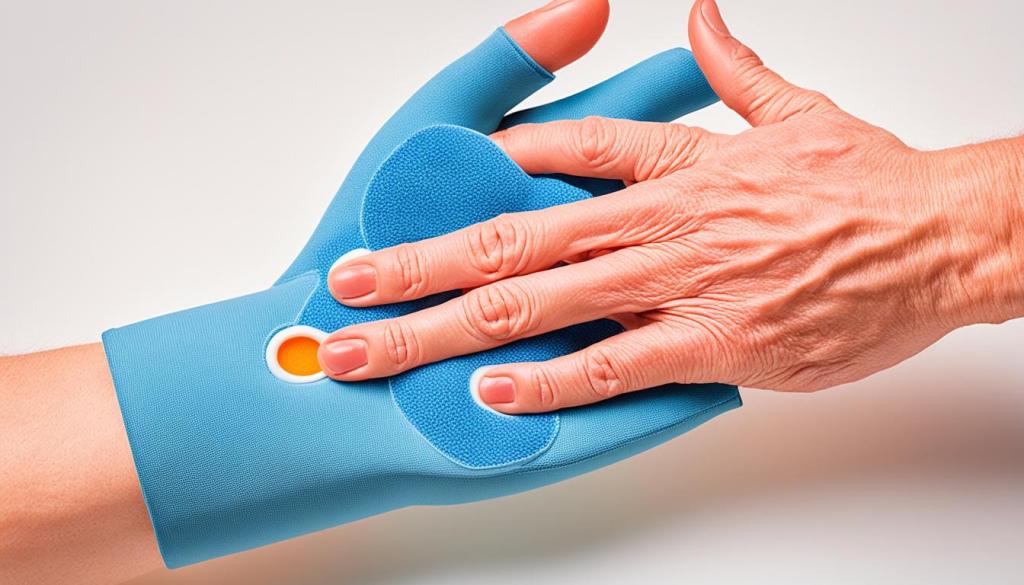
Heat and cold therapy can provide temporary relief for arthritis pain and inflammation. Applying a warm compress, such as a heating pad or warm towel, can help relax your muscles and increase blood flow to the affected joints. On the other hand, cold therapy, such as ice packs or cold compresses, can help reduce swelling and numb pain. Experiment with both to see which provides the most relief for you.
Remember, managing arthritis is a holistic approach that involves various aspects of your lifestyle. By prioritizing rest, stress management, and utilizing heat and cold therapy, you can effectively manage your arthritis symptoms and improve your joint health.
Seeking Medical Treatment for Arthritis

While lifestyle changes can be effective in managing arthritis, there are also medical treatments available. Depending on the severity and type of arthritis you have, your healthcare provider may recommend different approaches to help alleviate joint pain and improve your quality of life.
Medications: In some cases, your doctor may prescribe medications to reduce inflammation and relieve pain caused by arthritis. These medications can help manage symptoms and improve joint function. It is important to follow your doctor’s instructions and take medications as prescribed.
Physical Therapy: Physical therapy can play a crucial role in improving joint function and reducing pain associated with arthritis. A physical therapist will work with you to develop a personalized exercise program that includes stretching, strengthening, and range-of-motion exercises. These exercises can help improve flexibility, build muscle strength, and enhance joint stability.
Surgery: For individuals with severe arthritis that doesn’t respond to other treatments, surgery may be an option. Joint replacement surgery involves removing the damaged joint and replacing it with an artificial joint. This can help relieve pain, restore mobility, and improve overall joint function. Your doctor will assess your condition and discuss the benefits and risks of surgery with you.
If you’re considering medical treatment for arthritis, it’s important to have open and honest discussions with your healthcare provider. They will evaluate your specific needs and develop a treatment plan tailored to your condition and lifestyle.
Conclusion
Living with arthritis can be a challenging experience, but there are several strategies you can implement to effectively manage your symptoms and improve your overall quality of life. By making changes to your diet, incorporating regular exercise, quitting smoking, managing your weight, and seeking appropriate medical care, you can reduce joint pain, alleviate inflammation, and enhance your joint health.
Avoiding or reducing the consumption of inflammatory foods such as eggs, dairy, processed meat, sugar, fried foods, and refined grains can help manage arthritis symptoms. Additionally, incorporating low-impact exercises like walking, swimming, yoga, and stretching into your routine can promote joint flexibility and reduce pain. Quitting smoking not only improves your overall health but also helps reduce inflammation and joint pain caused by arthritis.
Managing your weight is crucial for joint health as excess weight puts additional stress on your joints. By maintaining a healthy weight through a balanced diet and regular exercise, you can alleviate pressure on your joints, reduce inflammation, and improve your overall joint function.
While lifestyle changes play a significant role in managing arthritis, it is important to consult with your healthcare provider for personalized advice and treatment options. They can provide you with additional guidance, recommend appropriate medications, physical therapy, or even surgical interventions if necessary. Remember, every individual’s journey with arthritis is unique, and finding the right approach may require a combination of strategies tailored to your specific needs.
FAQ
Can lifestyle changes help manage arthritis and joint pain?
Yes, lifestyle changes such as adopting a healthy diet and incorporating regular exercise can help reduce inflammation, manage pain, and improve joint health.
What are the different types of arthritis?
There are different types of arthritis, including rheumatoid arthritis and osteoarthritis, each with its own causes and symptoms.
Does diet affect arthritis symptoms?
Yes, certain foods can contribute to inflammation and joint pain. It is recommended to avoid or reduce consumption of foods like eggs, dairy, processed meat, sugar, fried foods, and refined grains to manage arthritis symptoms and support joint health.
How can exercise help manage arthritis?
Regular exercise, especially low-impact exercises like walking, swimming, yoga, and stretching, can reduce joint pain, increase flexibility, and improve joint function.
Does smoking worsen arthritis symptoms?
Yes, smoking has been linked to an increased risk of developing rheumatoid arthritis and can worsen symptoms in individuals with existing arthritis. Quitting smoking can help reduce inflammation and joint pain.
Can arthritis lead to depression?
Living with chronic pain from arthritis can lead to feelings of depression and anxiety. It is important to address both the physical and mental aspects of arthritis by seeking support, engaging in self-care activities, and considering therapy or counseling if necessary.
Does excess weight affect joint health?
Yes, carrying excess weight puts added stress on the joints, leading to increased pain and inflammation. Losing weight through a combination of a healthy diet and regular exercise can help alleviate joint pain and improve joint health.
Can dietary supplements help with arthritis?
Certain dietary supplements, such as turmeric, ginger, collagen, glucosamine, chondroitin, Vitamin D, and Omega 3, have shown promise in reducing inflammation and improving joint health in some individuals with arthritis. It is important to talk to your doctor before starting any supplements.
What other lifestyle changes can help manage arthritis?
In addition to diet and exercise, getting enough rest, managing stress, using heat and cold therapy, and practicing good posture can all contribute to reducing inflammation and relieving joint pain.
Are there medical treatments available for arthritis?
Yes, medical treatments for arthritis may include medications to reduce inflammation, physical therapy to improve joint function, or in some cases, surgery to repair or replace damaged joints.
How can I effectively manage arthritis symptoms?
By making changes to your diet, incorporating exercise, quitting smoking, managing your weight, and seeking appropriate medical care, you can effectively manage arthritis symptoms, reduce joint pain, and improve your overall quality of life. Remember to consult with your healthcare provider for personalized advice and treatment options.




 trim down and shape up
Leave a reply to Cooking With The Chefs Cancel reply