


When urinating comes with burning, stinging, or another kind of pain or discomfort, it’s a pretty blatant sign that something isn’t right. Most individuals will experience dysuria, or painful urination, at least once in their life. Painful urination could be a sign of a number of different infections, some of which require treatment. Here are a few things your healthcare provider will be looking for that could be causing your painful urination as well as how to ease or end it.
Key Takeaways:
- Urinary tract infections (UTIs), sexually transmitted diseases (STDs), cystitis, kidney infections, kidney or bladder stones, and vaginal issues are common causes of painful urination.
- If you experience persistent or severe pain during urination, it is important to seek medical attention to diagnose the underlying cause.
- Treatment options for painful urination depend on the specific condition and may include antibiotics, medication, or surgery.
- Prevention measures such as maintaining good hygiene, staying hydrated, and practicing safe sex can help reduce the risk of painful urination.
- Knowing when to seek medical attention and receiving proper diagnosis and treatment is crucial for alleviating discomfort and preventing further complications.
Common Causes of Painful Urination
Painful urination, also known as dysuria, can be caused by various factors. Understanding the common causes can help you identify the underlying issue and seek appropriate treatment.
1. Urinary Tract Infections (UTIs)
UTIs are one of the most prevalent causes of painful urination, particularly in women. These infections occur when bacteria enter the urinary tract, leading to symptoms such as burning sensation, frequent urge to urinate, and cloudy urine. UTIs can affect different parts of the urinary tract, including the bladder (cystitis) and urethra (urethritis).
2. Sexually Transmitted Diseases (STDs)
STDs, such as chlamydia and gonorrhea, can cause painful urination in both men and women. These infections are transmitted through sexual contact and can affect the urinary tract, leading to discomfort and pain during urination. It is essential to seek medical attention and get tested if you suspect an STD may be the cause.
3. Cystitis
Cystitis refers to the inflammation of the bladder, often caused by a bacterial infection or irritation. It can result in painful urination, lower abdominal pain, and frequent urination. While UTIs are a common cause of cystitis, other factors like bladder stones, radiation therapy, or certain medications can also contribute to its development.
Aside from UTIs, STDs, and cystitis, other factors can lead to painful urination. These include kidney infections, kidney or bladder stones, vaginal infections, and certain medical conditions like interstitial cystitis or diabetes. Identifying the root cause is crucial to determine the most effective treatment approach.
It is important to consult a healthcare provider if you experience persistent or severe pain during urination. They can conduct a thorough examination and order diagnostic tests to pinpoint the underlying cause. Remember, early detection and treatment are key to resolving painful urination and improving your overall urinary health.
| Common Causes | Associated Symptoms |
|---|---|
| Urinary Tract Infections (UTIs) | Burning sensation, frequent urge to urinate, cloudy urine |
| Sexually Transmitted Diseases (STDs) | Discharge, painful intercourse, genital sores |
| Cystitis | Pain in the lower abdomen, frequent urination |
| Other Causes | Additional symptoms vary depending on the underlying condition |
Kidney Infections and Bladder Stones
Painful urination can also be attributed to kidney infections and bladder stones. Kidney infections occur when bacteria infect the kidneys, leading to symptoms such as fever, nausea, and dark-colored urine. Bladder stones, on the other hand, can cause intense pain in the lower abdomen and can obstruct the flow of urine.
If you suspect a kidney infection or bladder stones as the cause of your painful urination, it is important to seek medical attention. A healthcare provider can perform diagnostic tests, such as urine analysis and imaging tests, to confirm the diagnosis and recommend appropriate treatments.
Treatment for Kidney Infections
Kidney infections are typically treated with a course of antibiotics to eliminate the bacterial infection. It is important to complete the full course of antibiotics prescribed by your healthcare provider to ensure the infection is fully eradicated. In severe cases or if complications arise, hospitalization may be necessary.
Treatment for Bladder Stones
The treatment for bladder stones depends on the size and location of the stones. Small stones may pass out of the body on their own without intervention. However, larger stones may require medical procedures such as extracorporeal shock wave lithotripsy (ESWL) or cystolitholapaxy to break the stones into smaller fragments or remove them completely. In some cases, surgery may be necessary to remove the stones from the bladder.
It is important to follow your healthcare provider’s recommendations for treatment and make any necessary lifestyle changes to prevent recurrent kidney infections or bladder stones. This may include staying hydrated, practicing good hygiene, and maintaining a healthy diet.
Remember, if you are experiencing painful urination, it is crucial to consult with a healthcare professional for proper diagnosis and treatment. Prompt medical attention can help alleviate discomfort and prevent further complications.
| Treatment | Description |
|---|---|
| Antibiotics | Prescribed to eliminate bacterial infection in kidney infections |
| Extracorporeal Shock Wave Lithotripsy (ESWL) | A non-invasive procedure that uses shock waves to break bladder stones into smaller fragments |
| Cystolitholapaxy | A procedure that involves breaking bladder stones and removing them through a scope inserted into the bladder |
| Surgery | Necessary for larger bladder stones or complications from kidney infections |
Vaginal Issues and Painful Urination
Painful urination can also be caused by vaginal issues, such as bacterial vaginosis and vaginal tears. Bacterial vaginosis occurs when there is an overgrowth of certain bacteria in the vagina, leading to symptoms like itching, burning, and pain during urination. This condition can disrupt the natural balance of bacteria in the vagina, causing discomfort and irritation.
Vaginal tears, on the other hand, can occur as a result of childbirth or injury. These tears can cause discomfort and pain while urinating, especially if they are deep or located near the urethra. It is important to note that vaginal tears generally heal on their own with proper care and hygiene.
Seeking medical attention is recommended if you experience persistent painful urination or if the symptoms worsen. A healthcare provider can diagnose the underlying cause of your symptoms and provide appropriate treatment options to alleviate discomfort and promote healing.
If you suspect that vaginal issues may be contributing to your painful urination, it is important to maintain good hygiene and follow a gentle cleansing routine. Avoid using harsh soaps or douches, as they can disrupt the natural pH balance of the vagina and potentially worsen symptoms.
Additionally, wearing breathable cotton underwear and avoiding tight-fitting clothing can help promote airflow and reduce moisture, creating a less favorable environment for bacterial growth. It is also recommended to urinate before and after sexual intercourse to help flush out any potentially harmful bacteria and reduce the risk of vaginal irritation.
“Maintaining good vaginal hygiene and seeking timely medical attention can help alleviate painful urination caused by vaginal issues.”
Diagnosis of Dysuria
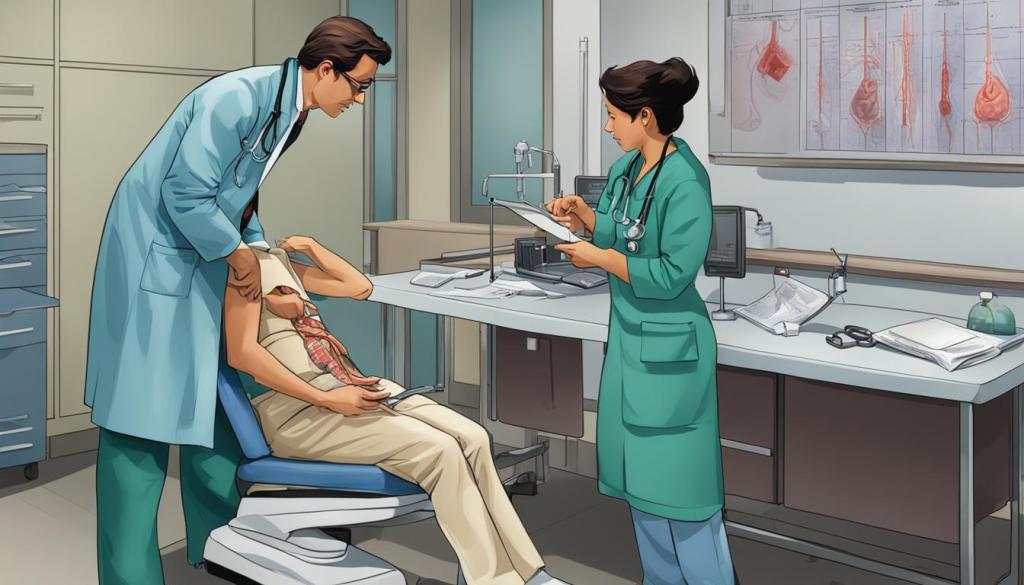
If you experience painful urination, it is important to see a healthcare provider for proper diagnosis. They will review your medical history, conduct a physical examination, and may perform tests such as urine analysis and cultures to check for infections or other underlying medical conditions that may be causing the dysuria.
To diagnose the cause of your dysuria, your healthcare provider will start by asking you about your symptoms and medical history. This information will help them understand if there are any risk factors that could contribute to your condition, such as previous urinary tract infections (UTIs), sexually transmitted diseases (STDs), or bladder problems.
During the physical examination, your healthcare provider may examine your genital area and perform a pelvic exam in women. These exams can help identify any visible signs or abnormalities that may indicate the cause of your dysuria.
In addition to the physical examination, your healthcare provider may request various tests to help diagnose the underlying cause of your dysuria. Urine analysis is a common test that checks for the presence of infection or other abnormalities in your urine. A urine culture may also be performed to identify the specific bacteria causing an infection, which can help determine the appropriate antibiotic treatment.
If your healthcare provider suspects a sexually transmitted disease, they may request additional tests such as blood tests or swabs from the genital area. These tests can help identify the specific STD and guide the appropriate treatment.
Common Diagnostic Tests for Dysuria
| Diagnostic Test | Purpose |
|---|---|
| Urine analysis | Checks for infection or abnormalities in urine |
| Urine culture | Identifies specific bacteria causing an infection |
| Blood tests | Detects antibodies or markers indicating certain infections |
| Genital swabs | Collects samples for testing for sexually transmitted diseases |
Based on the results of these tests, your healthcare provider will be able to diagnose the underlying cause of your dysuria. This diagnosis will guide the appropriate treatment to alleviate your symptoms and address any underlying medical conditions.
Treatment Options for Painful Urination

Treatment for painful urination depends on the underlying cause. In most cases, the primary cause of painful urination is a urinary tract infection (UTI) or another bacterial infection. In such instances, antibiotics are usually prescribed to kill the bacteria and alleviate the symptoms.
If the cause of painful urination is bladder stones or kidney infections, more invasive treatment methods may be necessary. In these situations, surgery may be required to remove the stones or address the underlying infection. It is essential to consult with a healthcare provider to determine the most appropriate course of action.
For individuals experiencing painful urination due to vaginal issues, such as bacterial vaginosis or vaginal tears, the treatment approach may involve medications or other interventions. Medications can help restore the balance of bacteria in the vagina, while vaginal tears may require specific treatments or procedures to heal properly.
It is important to note that the specific treatment options for painful urination will vary depending on the individual’s condition and medical history. A healthcare provider will assess the underlying cause and recommend the most suitable treatment plan.
| Treatment | Underlying Cause |
|---|---|
| Antibiotics | UTIs and bacterial infections |
| Surgery | Bladder stones and kidney infections |
| Medications | Vaginal issues |
Taking prompt and appropriate action is crucial when experiencing painful urination. Seeking medical advice from a healthcare provider will ensure an accurate diagnosis and an effective treatment plan. With the right treatment, uncomfortable symptoms can be alleviated, and overall health and well-being can be restored.
Prevention of Painful Urination

Painful urination can be distressing and uncomfortable. Fortunately, there are several steps you can take to prevent this discomfort.
Maintain Good Hygiene
Hygiene plays a crucial role in preventing urinary tract infections (UTIs), a common cause of painful urination. Remember to:
- Clean the genital area thoroughly using mild soap and water.
- Always wipe from front to back after using the toilet, to prevent the spread of bacteria.
- Avoid using harsh or scented products, as they can irritate the delicate tissues around the urethra.
Stay Hydrated
Drinking an adequate amount of water helps maintain the health of your urinary system and can reduce the risk of UTIs. Aim to drink at least eight glasses of water a day to stay properly hydrated.
Empty Your Bladder Regularly
Holding in urine for a prolonged period can increase the risk of bacterial growth in the urinary tract. Make it a habit to empty your bladder regularly throughout the day.
Practice Safe Sex
Practicing safe sex is essential in preventing sexually transmitted infections (STIs) that can cause painful urination. Use barrier methods, such as condoms, during sexual intercourse to reduce the risk of contracting STIs.
Urinate Before and After Sexual Intercourse
For women, urinating before and after sexual intercourse can help flush out any bacteria that may have entered the urethra during sexual activity, reducing the risk of UTIs.
By following these preventive measures, you can significantly reduce the likelihood of experiencing painful urination and the associated discomfort.
When to Seek Medical Attention

If you experience persistent or severe pain during urination, it is important to seek medical attention. This is especially true if you have other symptoms such as fever, chills, or blood in your urine. A healthcare provider can properly diagnose the underlying cause and recommend the appropriate treatment.
Painful urination can be a sign of a serious medical condition. It is crucial to consult a doctor or healthcare provider to rule out any potential complications and receive timely treatment. Ignoring or delaying medical attention may lead to further health problems.
When you visit your healthcare provider, they will perform a thorough evaluation to determine the cause of your pain. They may ask you about your symptoms, medical history, and any recent activities or exposures that may be relevant. They will likely conduct a physical examination and may order additional tests, such as urine analysis or imaging studies, to gather more information.
Based on the findings, your doctor or healthcare provider will develop a treatment plan tailored to your specific needs. This may include prescribing medications, recommending lifestyle changes, or referring you to a specialist for further evaluation.
When to Seek Emergency Care
In some cases, painful urination may be a sign of a severe or life-threatening condition that requires immediate medical attention. It is important to go to the emergency room or call emergency services if you experience any of the following:
- Severe pain during urination
- Uncontrollable bleeding
- Inability to pass urine
- High fever
- Severe abdominal pain
- Fainting or loss of consciousness
These symptoms may indicate a serious infection, blockage, or other critical condition that needs urgent medical intervention.
Remember, your healthcare provider is there to help you. If you have any concerns about your symptoms, do not hesitate to seek medical attention. Prompt diagnosis and treatment can alleviate your pain and promote a faster recovery.
Conclusion
Painful urination can have various causes, including UTIs, STDs, bladder or kidney infections, and vaginal issues. If you experience persistent or severe pain during urination, it is important to seek medical attention. This discomfort can be an indication of an underlying medical condition that requires proper diagnosis and treatment to prevent further complications.
By consulting with a healthcare provider, you can receive a thorough evaluation and appropriate treatment tailored to your specific condition. Whether it’s antibiotics for UTIs, surgical intervention for kidney or bladder infections, or medication for vaginal issues, the right approach can alleviate discomfort and help you regain your quality of life.
Remember, painful urination is a symptom that should not be ignored. Identifying the causes and addressing them promptly can make a significant difference in your overall health and well-being. Take the necessary steps to seek medical assistance and find relief from the discomfort associated with painful urination.
FAQ
Why does it hurt when I pee?
Painful urination, also known as dysuria, can be caused by various factors such as urinary tract infections (UTIs), sexually transmitted diseases (STDs), cystitis, kidney infections, bladder stones, and vaginal issues.
What are the common causes of painful urination?
The most common causes of painful urination include UTIs, STDs, and cystitis.
How do kidney infections and bladder stones contribute to painful urination?
Kidney infections occur when bacteria infect the kidneys, leading to symptoms like fever, nausea, and dark-colored urine. Bladder stones can cause intense pain in the lower abdomen and obstruct the flow of urine.
How do vaginal issues contribute to painful urination?
Vaginal issues such as bacterial vaginosis and vaginal tears can cause discomfort and pain while urinating.
How is dysuria diagnosed?
To diagnose dysuria, a healthcare provider will review your medical history, conduct a physical examination, and may perform tests such as urine analysis and cultures to check for infections or other underlying medical conditions.
What are the treatment options for painful urination?
The treatment for painful urination depends on the underlying cause. UTIs and bacterial infections are typically treated with antibiotics. Bladder stones or kidney infections may require surgery. Vaginal issues can be managed with medications or other interventions.
How can painful urination be prevented?
Preventive measures for painful urination include maintaining good hygiene, staying hydrated, emptying the bladder regularly, and practicing safe sex. For women, urinating before and after sexual intercourse can help reduce the risk of UTIs.
When should I seek medical attention for painful urination?
If you experience persistent or severe pain during urination, especially with other symptoms like fever, chills, or blood in your urine, it is important to seek medical attention from a healthcare provider.
Can painful urination be a sign of other medical conditions?
Painful urination can be a symptom of various medical conditions, including UTIs, STDs, bladder or kidney infections, and vaginal issues. Proper diagnosis and treatment are necessary to alleviate discomfort and prevent further complications.




 trim down and shape up
Leave a reply to himalayaheart Cancel reply