


“Functional nutrition” means your diet gives your body the best stuff to run smoothly. It focuses on eating high-nutrient, unprocessed foods. This, along with good lifestyle habits, boosts your health and wellness.
Muscle building and fat loss are big goals for many. The good news is you can work on both at the same time. We’ve got 10 tips rooted in health science and expert advice to guide you. They use the idea of functional nutrition to help you get fit.
The advice here is from deep research and trusted experts. It’s your go-to for reliable info on your fitness journey. Stick to these tips and use functional nutrition. You’ll hit your body goals.
Key Takeaways:
- Functional nutrition emphasizes eating nutrient-rich, whole foods and positive daily habits.
- You can increase muscle and cut fat together with effective approaches.
- This article provides 10 tips based on functional nutrition for your fitness journey.
- Use advice from trusted sources for better body changes. Implementing these tips helps.
- Functional nutrition boosts your health and wellness overall.
What Is Body Recomposition and Why Is It Important?
Have you heard about body recomposition in your fitness journey? It’s not just about losing weight. It combines fat loss with muscle gain. This method changes your body by reducing fat and increasing muscle at the same time.
Losing weight in the traditional way can lead to losing muscle too. This is not good for your fitness goals. It can hurt your metabolism, making it harder to keep off the weight you lost.
But, body recomposition tries to keep your muscles while you lose fat. This helps you get a leaner body and keeps your metabolism healthy. A good metabolism helps your body burn calories well, helping you stay fit over time.
Body recomposition doesn’t just look at your weight. It focuses on how you want your body to look. Pure weight loss can make you lose muscle, which might make you look less toned than you’d like.
Choosing body recomposition can make a big difference in how you look and feel. It’s a smart way to work towards a fit, toned body while keeping your muscles strong.
The Body Recomposition Process
To start a body recomposition plan, know these important parts:
- Calorie Deficit:
- Muscle-Building Exercises:
- Protein-Rich Diet:
- Nutrient Timing:
- Progressive Overload:
The Benefits of Body Recomposition
Body recomposition offers more than losing weight. It comes with several advantages:
- Muscle Retention: Focusing on keeping your muscles helps you stay or become stronger while losing fat.
- Improved Metabolic Rate: Body recomposition makes sure your metabolism stays healthy. This means you can keep burning calories well, even when you’re not working out.
- Toned and Defined Appearance: It shapes your body into a more athletic and toned look.
- Increased Strength and Functionality: With more strength comes better performance in physical activities.
- Enhanced Body Confidence: Getting to the body you want can really boost your confidence.
It’s easy to see why choosing body recomposition is a smart move. It can help you change your body in great ways. And it’s good for your overall health and fitness.
The Role of Nutrition in Building Muscle and Losing Fat
Nutrition is vital for both building muscle and losing fat. To achieve this, keep a calorie deficit and get enough macronutrients. Notably, protein is important. Also, eat whole foods, watch your portions, and stay away from processed food.
Proper nutrition is essential for your body goals. Eating the right foods helps muscles grow and burns fat. It’s the best way to help your body change.
For building muscle, focus on getting enough protein. It contains amino acids needed for muscle growth and repair. Try to eat 1.2-2.0 grams of protein for every kilogram you weigh.
It’s also key to eat fewer calories than you burn to lose fat. But make sure your diet is balanced. This helps you lose weight in a healthy way without losing muscle.
Start with whole foods for your meals. They’re full of vitamins, minerals, and fiber. This helps keep you full. A good meal includes fruits, vegetables, lean proteins, and fats.
Watching portion control is important for your diet. Know how much you’re eating and pay attention to when you’re hungry or full. This can lead to a better relationship with food and prevent overeating.
Avoid ultra-processed foods because they’re not good for you. These foods have too much sugar, unhealthy fats, and not enough nutrients. Instead, go for food that’s real and nourishing.
Balancing Macronutrients for Muscle Building and Fat Loss
It’s smart to make sure your meals have a mix of protein, carbohydrates, and healthy fats.
| Macronutrient | Role | Food Sources |
|---|---|---|
| Protein | Supports muscle repair and growth | Lean meats, poultry, fish, tofu, eggs, beans, dairy products |
| Carbohydrates | Fuel for workouts and replenish glycogen stores | Whole grains, fruits, vegetables, legumes |
| Healthy Fats | Aids in hormone production and nutrient absorption | Avocados, nuts, seeds, olive oil, fatty fish |
Stay in a Calorie Deficit to Support Fat Loss
To lose fat effectively, keep eating fewer calories than you burn. This sets up a calorie deficit. Your body then starts using stored fat to make up the difference.
It’s vital to find a smart balance and not cut too many calories. A huge drop in what you eat could harm you. You might lose muscle, feel tired, and slow down your metabolism.
It’s smart to consult with a nutrition expert to set a good calorie goal. They look at your lifestyle, health, and more to find the right plan. With their help, you can lose fat without losing muscle, staying healthy.
| Benefits of Stay in a Calorie Deficit to Support Fat Loss | Challenges of Stay in a Calorie Deficit to Support Fat Loss |
|---|---|
| – Promotes weight loss | – Risk of muscle loss |
| – Helps reduce body fat | – Decreased energy levels |
| – Enhances weight management | – Slower metabolism |
| – Supports overall health |
Remember, a calorie deficit is one part of a healthy way to lose fat. Add in regular exercise and watch what you eat. This mix helps you reach your fat loss targets and keeps you healthy long-term.
Prioritize Protein to Support Muscle Building
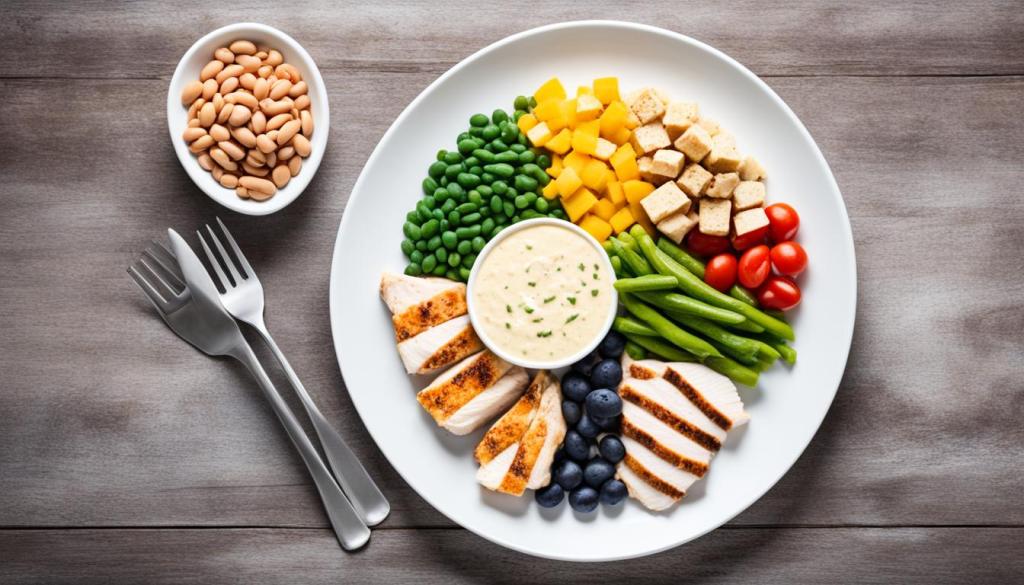
Protein is key when you’re trying to build muscle. It contains amino acids that your muscles need. Studies show that eating enough protein helps grow and keep muscles even when dieting.
Aim for 1.2-2.0 grams of protein per kilogram of your body weight. This amount will change based on what you’re trying to achieve. Eat many protein-rich foods to get all the amino acids.
Protein provides the necessary amino acids that serve as the building blocks for muscles.
Eat meats like chicken, turkey, and beef, and fish such as salmon and tuna. For plant-based options, try tofu, tempeh, beans, lentils, and quinoa. Eggs, Greek yogurt, and cottage cheese are also great sources.
Make sure to have protein in every meal and snack. It helps your body build and keep muscles. Combine protein with carbs and healthy fats in your diet. Keep up with regular exercise for the best muscle-building results.
Benefits of Adequate Protein Intake for Muscle Building
Prioritizing protein has many benefits when building muscle. Let’s look at these important advantages:
- Promotes Muscle Growth: Eating enough protein helps your muscles grow and heal. This leads to stronger muscles after working out.
- Supports Muscle Recovery: Protein is vital for your muscles to recover. Having protein after exercise helps you feel better and less sore.
- Aids in Weight Management: Protein makes you feel full and curbs your appetite. Adding protein to your meals can help you eat less and manage your weight better.
- Preserves Muscle Mass During a Calorie Deficit: When losing weight, you want to keep your muscles strong. Enough protein helps you lose fat, not muscle.
Putting protein first is crucial for anyone wanting more muscle. With a mix of protein sources, you give your body what it needs for growth and repair.
Choose Whole Foods for Nutrient Density
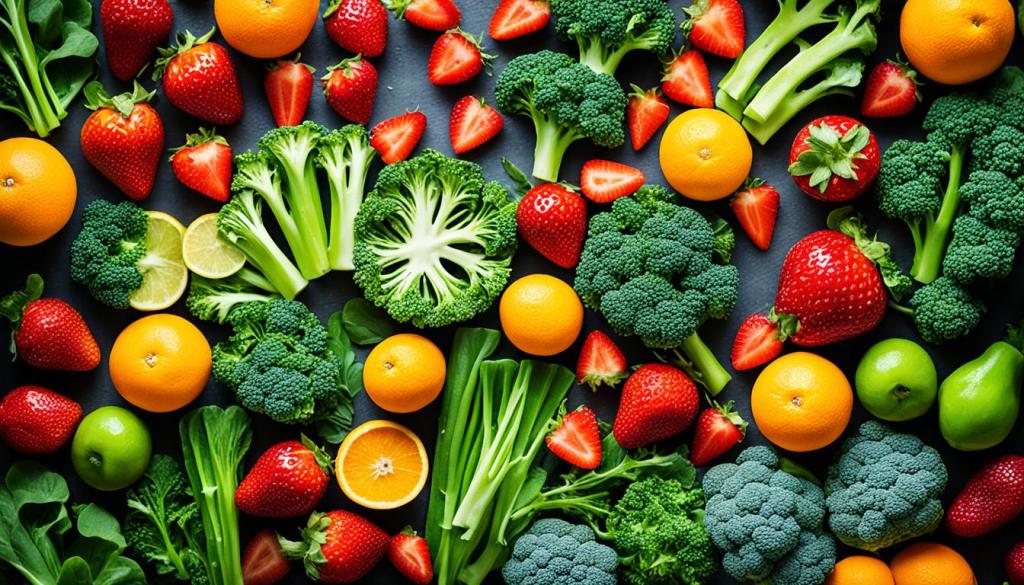
Eating whole foods is crucial for health. They are rich in vitamins, minerals, and fiber. This includes fruits, vegetables, lean proteins, and whole grains.
Whole foods support your health better than processed foods. They give your body what it needs to be its best. Adding them to your diet can help you reach your fitness goals.
Benefits of Whole Foods
Whole foods benefit your body and mind in many ways. They:
- Nutrient Density: Whole foods are full of important nutrients like vitamins and minerals. These nutrients help your body work well.
- Greater Satiety: They make you feel full longer because they are high in fiber. This can prevent overeating.
- Better Digestion: Whole foods aid digestion and prevent constipation because of their fiber content.
- Improved Energy Levels: They give you steady energy throughout the day, helping you to stay focused and productive.
- Reduced Risk of Chronic Diseases: A diet with whole foods lowers the risk of serious diseases like heart disease and certain cancers.
To start, focus on the store’s perimeter. There you’ll find fresh items like fruits, veggies, and grains. Cooking with these ingredients at home boosts your nutrient intake and supports healthy eating.
Sample Whole Foods Meal Plan
Here’s a meal plan with whole, nutrient-dense foods:
| Meal | Food Choices |
|---|---|
| Breakfast | Steel-cut oats topped with berries and a spoonful of almond butter |
| Lunch | Grilled chicken breast with steamed broccoli and quinoa |
| Snack | Carrot sticks with hummus |
| Dinner | Baked salmon with roasted sweet potatoes and a side salad |
| Snack | Greek yogurt topped with sliced almonds and a drizzle of honey |
Remember, you don’t have to drop all processed foods to eat whole. It’s about balance. Mix in more whole foods over time. This helps you create a plan that’s both nourishing and doable.
Incorporate Mindful Eating to Prevent Overeating

Mindful eating can help you reach your muscle-building and fat-loss goals. It means focusing completely on your meals. You pay attention to taste, texture, and how satisfied you feel after each bite. This helps stop overeating, control portions, and feel full longer.
It’s all about slowing down and enjoying your food. This lets you pay better attention to when you’ve had enough to eat. Being mindful helps you make choices that healthily align with your goals. You stop just eating and start feeding your body what it really needs.
Try using all your senses when you eat. Look at the food before eating it and pay attention to the colors and how it feels. As you eat, really taste and smell each bite. Chew slowly and enjoy the textures in your mouth. By doing this, you learn to love and appreciate the food that fuels you.
Mindful eating has many good points. It can make your food relationship healthier. It fights emotional eating and stops you from eating too much. By focusing on the now and your body’s signs, you will make better choices for your health.
To make mindful eating a habit, try these tips:
- Don’t eat with the TV or your phone on. This helps you pay attention.
- Take small bites and chew slowly to fully enjoy your food.
- Stop and think after each bite about how full you feel. This helps you avoid overeating.
- Know when you’re comfortably full and don’t eat more than that.
- Thank the food you have, knowing it helps you stay healthy.
These simple tips can help change how you eat and think about food. Remember, it takes time to build new habits. Stay patient and don’t be hard on yourself.
Enjoy your meals slowly. Mindful eating can help you avoid eating too much. It also makes you better at managing your portions and staying satisfied, helping your health goals.
| Benefits of Mindful Eating | How to Practice Mindful Eating |
|---|---|
| Prevents overeating | Eat without distractions |
| Improves portion control | Take small bites and chew thoroughly |
| Enhances satiety | Pause between bites to assess hunger and fullness levels |
| Cultivates a healthier relationship with food | Listen to hunger and fullness cues |
| Reduces emotional eating | Practice gratitude for the food you eat |
Hydrate with Adequate Water Intake

It’s crucial to stay hydrated for good health. Drinking enough water can boost your efforts to build muscle and lose fat. Hydration is key for your body to work well.
It helps with metabolism, digesting nutrients, and muscle function. The rule of thumb is to drink half your body weight in water ounces daily.
Drinking water is key for managing weight. It makes you feel full, which can stop you from eating too much. Plus, it helps your body use nutrients efficiently.
Always have a water bottle with you. This will remind you to drink water, even when you’re busy. Try to drink water regularly throughout the day, not just when you’re thirsty.
Benefits of Adequate Hydration for Weight Management
Staying hydrated has many weight management benefits.
- Drinking enough water can speed up your metabolism, helping you burn more calories.
- It makes you feel full, which means you’re less likely to eat too much or snack on junk food.
- Water is crucial for digestion, making it easier to break down food and get all the nutrients you need.
- It’s also important for your muscles to work well, reducing cramps and fatigue.
- Water carries nutrients around your body, making sure you get the most from your food.
Prioritize drinking enough water to meet your weight goals and improve your health. Always listen to your body’s signals and drink water regularly.
Enhance Recovery and Reduce Inflammation with Omega-3s

Omega-3 fatty acids are in foods like salmon, flaxseeds, and chia seeds. They fight inflammation and help muscles recover. Eating these fats cuts down body inflammation, making muscles heal and grow better. So, adding omega-3 rich foods or a good fish oil supplement to your diet boosts your health and fitness.
Want to recover better and quash inflammation? Include omega-3 fatty acids in your meals. They are heart-healthy fats well known for their good effects. Omega-3s are great at tackling the long-term swelling that slows down muscle healing.
Foods loaded with omega-3s, like salmon and sardines, are natural sources of these fats. For vegetarian or vegan eaters, there are plant options such as flaxseeds and chia seeds.
Omega-3s do more than fight inflammation. They boost how well you work out and keep your heart strong. These fats can make your blood flow better, cut muscle pain after exercise, and keep your joints moving freely. This helps you push harder in training and bounce back quicker.
Sometimes, getting enough omega-3s from meals alone is hard. That’s where a good fish oil supplement comes in. Pick one from a trusted brand that’s third-party tested for quality. This ensures you get all the benefits without worry.
Choosing omega-3s for your diet helps more than just muscle recovery. These essential fats fight inflammation naturally, supporting your fitness journey in a wholesome way.
Boost Immune Function with Antioxidants

Eating foods high in antioxidants can really make your immune system stronger. This keeps you healthy. Antioxidants are special substances that save your cells from harm by free radicals.
Fruits and veggies, especially the colorful ones, are full of antioxidants. These foods help your muscles recover and keep your immune system strong. Eating lots of colorful fruits and veggies helps your body get the antioxidants it needs.
| Antioxidant-rich Foods | Benefits |
|---|---|
| Berries | Blueberries, strawberries, and raspberries have antioxidants like vitamin C. They help fight inflammation and boost your immune system. |
| Leafy Greens | Spinach, kale, and other greens have antioxidants like vitamins A, C, and E. They help your immune system and protect against cell damage. |
| Citrus Fruits | Oranges, lemons, and grapefruits are full of vitamin C. This antioxidant strengthens your immune system and helps in making collagen for healthy skin. |
| Cruciferous Vegetables | Broccoli, cauliflower, and Brussels sprouts have vitamins A, C, and E. They contain phytochemicals that fight chronic diseases and keep your immune health in check. |
| Colorful Bell Peppers | Red, orange, and yellow peppers are rich in antioxidants. They protect your cells, boost your immune system, and keep your skin healthy. |
Include a mix of these antioxidant foods in your meals every day for a healthy immune system. Have a salad, put berries in your breakfast, or munch on bell peppers with hummus for a tasty immune boost.
Harness the Power of Vitamin D and Sunshine for Mood and Health

Vitamin D is the sunshine vitamin and key for good health. It helps with mood, keeps bones strong, and boosts your immune system.
Getting outside for sunshine is the best way to get enough vitamin D. The sun’s rays on your skin make this vitamin. It’s linked to feeling happier and less likely to be depressed, plus it’s good for your whole body.
But, if you can’t get a lot of sun, taking a vitamin D supplement can help. Talk to your doctor to pick the right amount for you.
Eating foods rich in vitamin D can also make you feel good. Fish like salmon, mackerel, and trout are great sources. So are milk, yogurt, and mushrooms. They help, especially if you don’t eat meat.
The Benefits of Vitamin D for Mood
Many studies have shown that vitamin D boosts mood. Having enough of it might lower your risk of getting depressed and help you feel better overall.
“Low vitamin D has been linked to more depression. Having enough vitamin D can keep your mind healthy.” – Dr. Emily Roberts, Psychiatrist
Vitamin D may help you feel happier by building serotonin. This chemical is key for feeling good. Not having enough vitamin D can lead to more winter blues and depressive signs.
The Role of Vitamin D in Holistic Health
Vitamin D does a lot more than just improve your mood. It helps your bones stay strong and fights off sickness.
- Vitamin D is a friend to your bones, helping your body use calcium well. This keeps your bones from getting weak.
- It’s also important for your immune system, keeping you safe from germs and diseases.
- Vitamin D might help your heart, mind, and even reduce the risk of some cancers.
Having enough vitamin D is key for feeling your best and staying healthy.
Be smart about the sun, though. You need some for vitamin D, but too much can hurt your skin. Wear sunscreen and cover up when it’s sunny to prevent damage.
Let vitamin D and sunshine work for you. They can make you happier, healthier, and full of energy. By giving your body the vitamin D it needs, you help it work better all around.
Conclusion
Achieving two main goals, building muscle while losing fat, is doable with smart nutrition. Focus on eating fewer calories, more protein, and whole foods. Add omega-3s, antioxidants, and vitamin D for muscle growth and better health.
Getting advice from a nutrition coach is key. They can make a plan just for you. This plan will help you keep making good choices for the long haul.
It’s not just about the look. Real success is about feeling and living better every day. Stick to smart choices and a balanced lifestyle. This way, you get what you want and stay healthy. Enjoy a life that’s good all around.
FAQ
What is body recomposition?
Body recomposition changes your body by losing fat and gaining muscle. It’s a focused way to reshape.
How does nutrition play a role in building muscle and losing fat?
Good nutrition is key for muscle growth and fat loss. Eating less calories but enough protein helps muscle grow and fat burn.
How important is staying in a calorie deficit for fat loss?
It’s critical to eat fewer calories than you burn for losing fat. This forces your body to use fat stores for energy.
Why is protein important for muscle building?
Protein gives your muscles what they need to grow. Eating enough protein helps your body build and maintain muscle.
How can whole foods support muscle building and fat loss?
Whole foods offer more nutrients and make you feel full longer than processed foods. Eating them helps you eat less but get all you need for health.
What is mindful eating and how can it help with muscle building and fat loss?
Mindful eating means enjoying each bite and being fully present while you eat. It can stop you from overeating and make you better at controlling how much you eat.
How important is staying hydrated for muscle building and fat loss?
Drinking enough water is vital for health and reaching muscle and fat goals. It helps your body work better, burn fat easier, and feel full longer.
How can omega-3s aid in muscle recovery and inflammation?
Omega-3 fats fight inflammation and help muscles heal. Add omega-3 foods like fish to your diet or take a supplement to help your body recover from exercise.
Why are antioxidants important for immune function?
Antioxidants boost health by protecting your immune system. Eat colorful fruits and vegetables to add these important nutrients to your diet.
How does vitamin D and sunshine affect mood and health?
Vitamin D is vital for many processes in the body, including mood. Getting enough has been linked to a better mood, lower depression risk, and feeling good overall.



 trim down and shape up
Leave a comment