


What you eat directly affects your brain health and how clear you think. A nutritional psychiatrist warns against five foods. These foods can damage your brain’s functions.
Unhealthy foods hurt your brain in many ways. They kill brain cells and slow down your mind. Your memory and concentration also suffer. It’s key to protect your mental sharpness by watching what you eat.
Key Takeaways:
- Consuming certain foods can have a major impact on brain health and function.
- Avoiding specific foods can help maintain memory, focus, and cognitive function.
- Unhealthy foods can kill brain cells and impair memory and concentration.
- The quality of blood cells is crucial for mental acuity.
- Being mindful of our diet is essential for optimal brain health.
Foods made with industrial and processed seed oils
Many processed and convenience foods use oils like vegetable, rapeseed, corn, and soybean. Sadly, these oils are not good for your brain.
Overeating these oils can upset the balance of fatty acids in your body. They are rich in omega-6 fatty acids. This can lead to brain inflammation, which might harm your memory and focus.
Instead of using these harmful oils, try healthier choices like olive, coconut, or avocado oil.
Healthy oils help keep your omega-3 and omega-6 levels in check, helping your brain work better. They also bring good things like fighting off inflammation and having lots of antioxidants.
| Foods made with industrial and processed seed oils | Healthier Alternatives |
|---|---|
| French fries | Baked sweet potato fries with olive oil |
| Packaged snacks | Nuts or seeds seasoned with herbs and baked in avocado oil |
| Store-bought salad dressings | Homemade dressings using extra virgin olive oil |
| Pastries and baked goods | Healthy homemade options using coconut oil or grass-fed butter |
Choosing healthier oils over processed ones can protect your brain. It’s key to eating foods that keep your brain healthy and working well. A diet that’s good for your brain is important for your memory and focus.
Foods with added and refined sugars
Too much added and refined sugar is bad for the brain. It can cause issues like memory loss. The hippocampus, a key part of the brain, may also suffer. This area helps with making and keeping memories.
Be cautious of processed foods as they often hide extra sugars. Things like pasta sauce, ketchup, dressings, and soups can be sweetened too much. These sugars sneak into not just sweet foods, but also into savory ones.
Make your own food at home to avoid a sugar overload. This lets you choose what goes into your meals and treats. Also, checking food labels for hidden sugars is a smart move.
Eating too many processed foods with added sugars can harm your brain. Being mindful of your diet can help keep your brain working well. It benefits both your mind and body.
| Processed Foods with Hidden Added Sugars | Alternatives |
|---|---|
| Store-bought pasta sauces | Homemade pasta sauce using fresh tomatoes |
| Ketchup | Homemade ketchup made with natural sweeteners |
| Salad dressings | Homemade dressings using olive oil and vinegar |
| Canned soups | Homemade soups with fresh vegetables and herbs |
Processed foods
Eating a lot of processed foods can hurt your body and your mind. Even though they’re quick and cheap, they might not be the best for us. It’s good to think about how these foods might affect us.
Processed foods are changed a lot from their original form. They’re made to last longer and taste better. However, they end up with a lot of sugar, bad fats, and other things that can harm us.
These foods can mess with our brain health, too. Studies show they might make us more likely to get diseases like Alzheimer’s. These diseases can mess with our memory and thinking.
Sadly, eating lots of processed foods could make us a little depressed, too. The stuff they put in these foods can throw off our brain’s natural chemistry. That can lead to feeling down sometimes.
So, if you want a healthy brain, cut down on these foods. Try to eat more fresh, whole foods. They have what your brain really needs to stay sharp and feel good.
Many processed foods skip sugar and use fake sweeteners instead. But, these sweeteners might not be much better.
Negative Effects of Artificial Sweeteners
Fake sugars are in a lot of foods that say “sugar-free.” They’re meant to be a low-calorie sweetener. But, some research worries about whether they’re safe for us.
They might harm the good bacteria in our gut, which might make us sad or anxious. Your gut health is really important for your body and brain to work right.
Some reports say these sweeteners could make you gain weight. They could mess up how your body keeps eating in check. This might lead to eating too much and gaining extra weight.
To keep your brain and body in good shape, watch how much processed food and artificial sweeteners you eat. Picking whole foods over processed ones is a good rule. And try to stay away from heavily processed eats and drinks.
| Processed Foods | Artificial Sweeteners |
|---|---|
| High in added sugars and unhealthy fats | May disrupt gut bacteria |
| May increase the risk of degenerative diseases | Linked to weight gain and metabolic disorders |
| Can contribute to mild depression | Can disrupt the body’s calorie intake regulation |
Foods with artificial sweeteners
Artificial sweeteners, like saccharin and aspartame, are popular sugar substitutes. They are in diet sodas, sugar-free treats, and low-calorie snacks. But, they may harm your health, affecting gut bacteria and brain function.
Studies suggest they might disturb gut bacteria. This can affect digestion and even raise the risk of anxiety. Aspartame, found in many sweeteners, has ties to anxiety and memory issues.
These sweeteners also pose a risk for the brain. Oxidative stress, caused by an imbalance of free radicals and antioxidants, can harm cells. Aspartame has been known to trigger this in the brain.
Choosing natural sweeteners can be a healthier move. Honey, monk fruit extract, and coconut sugar are great choices. They avoid the downsides of artificial ones and come with added nutrients and antioxidants.
The Impact of Artificial Sweeteners
“Artificial sweeteners can disrupt gut bacteria and increase the risk of anxiety. Aspartame has been directly linked to anxiety and can cause oxidative stress in the brain.”
Natural Sweetener Alternatives
- Honey
- Monk fruit extract
- Coconut sugar
| Artificial Sweetener | Negative Effects |
|---|---|
| Saccharin | Potential disruption of gut bacteria |
| Sucralose | Potential disruption of gut bacteria |
| Aspartame | Increased risk of anxiety and oxidative stress in the brain |
Fried foods

Our brain health is closely tied to what we eat. Fried foods are particularly harmful, linked to memory loss and cognitive decline.
Fried foods are common in many diets. However, they can harm our brains. Studies show eating a lot of fried foods might lower our thinking skills and raise the risk of brain diseases.
There are many reasons why fried foods are bad for the brain. For one, they often use oils that are bad for us. This can lead to a bad balance of certain fats in our bodies. This imbalance might cause brain problems because of inflammation and stress.
Also, frying foods at high heat makes them create toxic substances. These include AGEs and acrylamide, which can damage the brain and cause issues with our thinking.
To keep your brain healthy, cut down on fried foods. Choose other cooking styles like baking or steaming instead. You can still enjoy your favorite meals without hurting your brain as much.
Switching to healthier cooking options is a smart move. It helps keep your brain working well over the years.
The impact of unhealthy foods on brain health
Unhealthy foods hurt both our body and mind. What we eat affects how well our brain works, our memory, and brain health. Too much unhealthy food can hurt our thinking and make us more likely to get dementia.
Eating lots of processed foods, sugars, fake sugars, and certain oils is bad for our brain. These can cause brain swelling, stress, and help make bad substances that harm our brain, which can lower our thinking power.
Foods that are processed, like fast food, have unhealthy fats, a lot of salt, and extra stuff. These can make blood vessels not work well, reducing blood to the brain and hurting thinking. They also lack important brain-boosting nutrients.
Sugars and fake sugars can also lower how well we think. Too much of these can make our body not react to insulin, cause swelling, and mess up the good bacteria in our gut. It’s smart to watch for hidden sugars and pick natural sweet foods when we can.
“The choices we make in our diet can directly influence our cognitive function, memory, and overall brain health.”
Fried foods are also bad for the brain. They’re full of not-good fats that can cause swelling and stress. These can harm brain cells and make thinking worse.
Eating right is key to keeping our brain in good shape. We should eat lots of whole foods with antioxidants, omega-3 fats, vitamins, and minerals. This means lots of greens, fish, nuts, seeds, and berries to help our brain and keep our memory sharp.
The importance of a neuroprotective diet
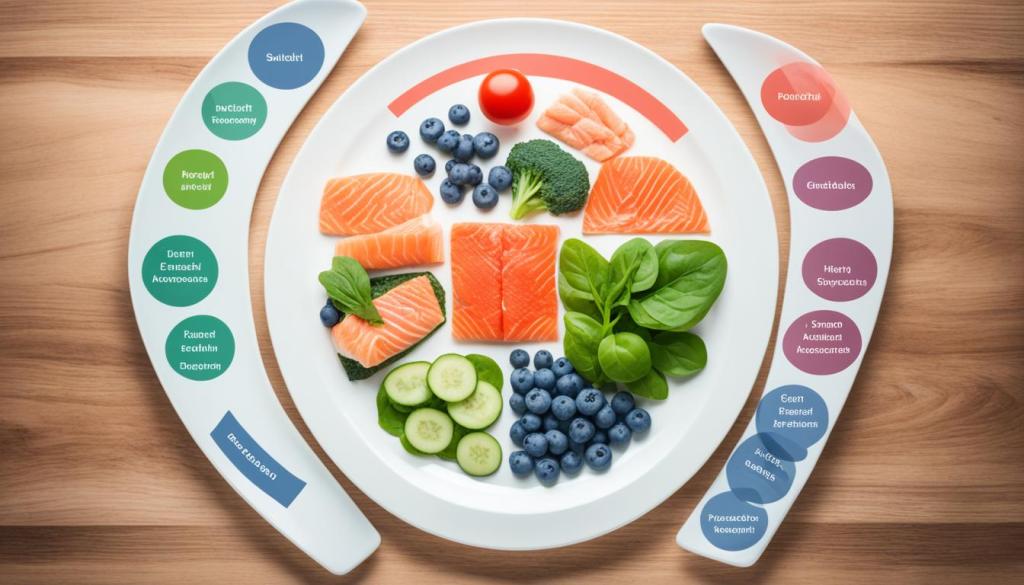
A diet that protects our brain is very important. It helps keep our brain healthy and lowers the chances of dementia. Such a diet is about eating foods that help our brain work, fight stress in the brain, and lower swelling.
Following a brain-protective diet gives our brain the right nutrients for top function. This helps our blood vessels, lowers swelling, and helps make brain chemicals needed for memory and thinking.
Studies show that sticking to this diet can cut down the risk of memory loss and dementia. In one study, people who ate lots of fruits, veggies, grains, lean meat, and healthy fats were less likely to get Alzheimer’s.
A brain-healthy diet is good not just for the brain but for us all around. Making careful food choices can better our thinking, memory, and daily life quality.
Other factors to consider for brain health
Aside from food, there’re other ways to keep our brain working well. Regular exercise, low stress, good sleep, staying mentally sharp, and having friends all help keep our mind in top shape.
It’s important to pair a brain-boosting diet with a healthy life. Together, these steps can protect our brain and lessen risks of memory loss and dementia.
In taking care of our brain early, we enjoy better health and a brighter life as we get older.
The importance of a neuroprotective diet
A neuroprotective diet is vital for top brain health and to ward off Alzheimer’s disease. Eating certain foods every day can boost your brain’s ability and fight off memory loss.
Try to eat foods packed with nutrients that help your brain. Leafy greens like spinach and kale have a lot of antioxidants. Antioxidants lower damage from oxidative stress and lower inflammation in your brain. Adding in bright fruits and vegetables, like blueberries and tomatoes, is also a good idea. These are full of vitamins, minerals, and other plant compounds that keep your brain sharp.
Seafood, especially fish like salmon and sardines, offers omega-3 fats needed for your brain. Omega-3s cut down the chances of losing your memory and support how your memory works. Nuts, beans, and seeds are full of protein, good fats, and more antioxidants, all of which are perfect for your brain.
Remember that a diet focused on your brain can help keep Alzheimer’s and memory issues away. But, it’s not just about what you eat. Regular exercise, sleep, stress management, and being social are also key for a healthy brain.
Choosing a brain-boosting diet can really help how well you think and feel. Start by changing a few things in what you eat, then slowly add more brain-healthy foods. Taking care of your brain now will pay off in the future.
| Neuroprotective Foods | Benefits |
|---|---|
| Leafy greens (spinach, kale) | Rich in antioxidants that reduce oxidative stress and inflammation in the brain |
| Colorful fruits and vegetables (blueberries, tomatoes) | High in vitamins, minerals, and phytochemicals that support cognitive function |
| Seafood (salmon, sardines) | Provides omega-3 fatty acids essential for brain health and memory function |
| Nuts, beans, and seeds | Excellent sources of protein, healthy fats, and antioxidants |
Other factors to consider for brain health
Eating the right food is key. But, healthy brain habits go beyond diet. It’s also about the choices we make every day. So, focusing on certain aspects of life can boost brain health. And this may help prevent memory loss.
Regular exercise
Exercise is a big deal for your brain. It brings more blood to your brain and helps make new brain cells. Steps matter here. You should try to be active for about 150 minutes a week. Or go hard for 75 minutes instead.
Not smoking
Smoking harms your body, including your brain. It hurts blood vessels and slows blood flow to your brain. It might make you more likely to have memory problems and dementia. Stopping smoking is a great way to take care of your brain.
Maintaining normal blood pressure and cholesterol levels
High blood pressure and cholesterol can hurt your brain. They mess up your blood vessels, which can cause stroke and memory loss. Stay on top of your health with diet, exercise, and if needed, meds to protect your brain.
Getting enough sleep
Your brain really needs sleep. This is when it sorts memories and learns new things. Skipping on sleep is bad news. It might lead to memory problems, Alzheimer’s, or other issues. Try to get 7-9 hours of sleep each night. Your brain will thank you.
Following these tips, alongside eating right, can do wonders for your brain. It helps keep your mind sharp as you get older. That’s great for your quality of life.
Conclusion
Keeping your brain healthy is very important. It helps your body overall and lowers the chances of memory loss or thinking problems later in life. Choosing the right foods can make a big difference. This way, your memory and focus can stay strong.
Foods with certain types of oils, lots of added sugars, and processed stuff are bad for your brain. It’s best to eat less of these or not at all.
But, if you eat lots of fruits, veggies, whole grains, and healthy fats, your brain will get what it needs to work well. It’s not just about food, though. Moving, sleeping well, handling stress, and being with others also help your brain.
Always remember not to go overboard with changes in what you eat. Find a good balance, know what your body needs, and talk to a doctor or dietitian for advice. Making your brain health a priority is a smart way to take care of yourself and stay sharp as you grow older.
FAQ
What are five foods to avoid for optimal brain health?
For best brain health, stay away from certain foods. Skip highly processed oils, foods with added sugars, and fried meals. Also, avoid artificial sweeteners and processed foods.
Why should I avoid highly processed oils?
Oils like vegetable and soybean can harm your brain. They’re high in omega-6 fats, which may cause brain inflammation. This can affect your memory and focus.
What foods have added and refined sugars?
Hidden sugars are in many store-bought items like pasta sauces and soups. Choose homemade versions using whole foods. This will cut down on added sugars.
Why should I avoid processed foods?
Processed foods may lead to serious health issues and even mild depression. They often have artificial sweeteners. These can hurt your gut and make you feel more anxious.
What artificial sweeteners should I avoid?
Stay away from sweeteners like aspartame, saccharin, and sucralose. They can harm your gut health and increase anxiety. Aspartame is also linked to greater anxiety and brain cell damage.
Why should I avoid fried foods?
Fried dishes are bad for the brain. They’re linked to poor memory and thinking skills. Cook your food by baking, steaming, or air-frying for a better brain health choice.
How do unhealthy foods affect brain health?
Junk food can damage your brain directly. It slows down thinking, harms memory, and weakens your blood vessels. This can increase your chances of dementia and thinking problems.
What is a neuroprotective diet?
Eating to protect your brain means picking certain foods. Opt for leafy greens, colorful fruits and veggies, seafood, nuts, beans, and seeds. This diet supports healthy brains and cuts Alzheimer’s risk.
What other factors should I consider for brain health?
Besides food, lifestyle choices matter for your brain. Stay active, don’t smoke, and keep your blood pressure and cholesterol in check. Getting good sleep is crucial too. These steps help your brain work well and avoid dementia.
How can I support my brain health and maintain memory and focus?
To keep your brain sharp, focus on the right foods and lifestyle. That means a healthy diet, exercise, and enough sleep. Remember, balance is important in everything you do.
Source Links
- A Harvard nutritionist and brain expert says avoid these 5 foods to keep your ‘memory and focus sharp’ – https://www.cnbc.com/2022/12/02/harvard-nutritionist-and-brain-expert-shares-worst-foods-that-weaken-memory-and-focus.html
- The 7 Worst Foods for Your Brain – https://www.healthline.com/nutrition/worst-foods-for-your-brain
- Five foods to avoid if you want to keep your ‘memory and focus sharp’ – https://www.mirror.co.uk/news/uk-news/five-foods-avoid-you-want-30996722



 trim down and shape up
Leave a comment