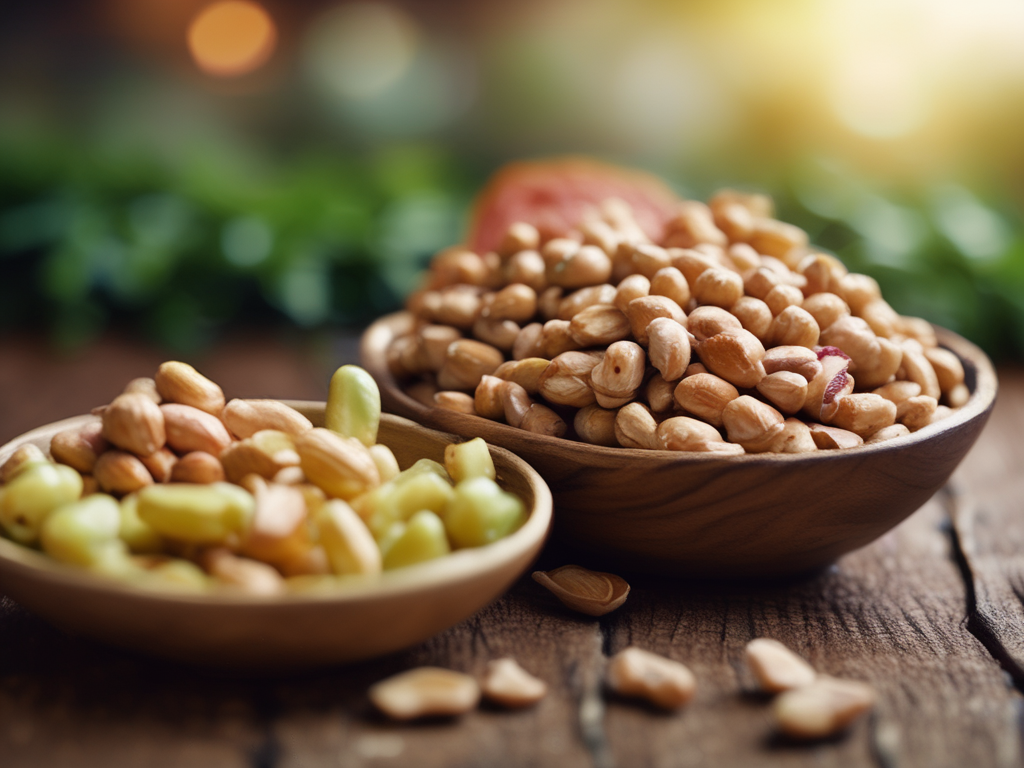


Protein is often linked with meat, like chicken or beef. But it’s cool to know there are many other ways to get protein. We can get this key nutrient from foods like tofu, yogurt, nuts, and seeds. So, you can fill your diet with protein without eating meat.
Having enough protein is vital for good health. But you don’t have to eat meat to get it. There are lots of yummy vegetarian options that offer plenty of protein. We’re going to talk about how a high-protein, meat-free diet can be a great choice. Plus, we’ll share some top sources of plant-based protein.
Key Takeaways:
- Protein is essential for cell growth and repair in the body.
- There are numerous plant-based sources of protein that can replace meat in your diet.
- A high protein, vegetarian diet can offer numerous health benefits.
- Options such as eggs, nuts, legumes, soy, and yogurt are excellent sources of protein.
- Incorporating mushrooms and experimenting with different flavors can add variety to your protein-rich meals.
The Benefits of a High Protein, Vegetarian Diet

Research shows that a diet low in bad fats decreases the risk of heart disease and other health issues. High protein, vegetarian choices bring vitamins, minerals, and fiber not seen in meat. With plant-based proteins, you can eat well and stay healthy.
A high protein, vegetarian diet means you get the protein you need without the risks of too much meat. Plant proteins are packed with important amino acids. This is good for keeping muscle mass and your general health.
Vegetarian plans with peas, soy, nuts, and eggs give your body everything it needs. You won’t miss any important proteins.
Eggs are full of protein and easy to fit into any meal. You can have them alone or in many dishes to get all the nutrients they offer.
Tree nuts like almonds, cashews, and walnuts are rich in protein, healthy fats, and antioxidants. They’re great for your heart and keeping you full.
Beans, lentils, and chickpeas are full of protein and fiber. They are versatile in dishes like soups, salads, and stews.
Soy has all the essential amino acids you need, making it a top plant protein choice. Tofu, tempeh, and edamame are great meat and dairy alternatives.
Yogurt is a good source of protein, calcium, and probiotics. It supports your gut health.
Try different vegetarian proteins for a mix of tastes and health benefits. Foods like quinoa, chia seeds, and cottage cheese boost your protein and meal quality.
In summary, a high protein, vegetarian approach can lower your heart disease risks. It provides essential nutrients and focuses on eco-friendly proteins. With smart choices, vegetarian diets can be both delicious and healthy.
Eggs: A Protein-Packed Option
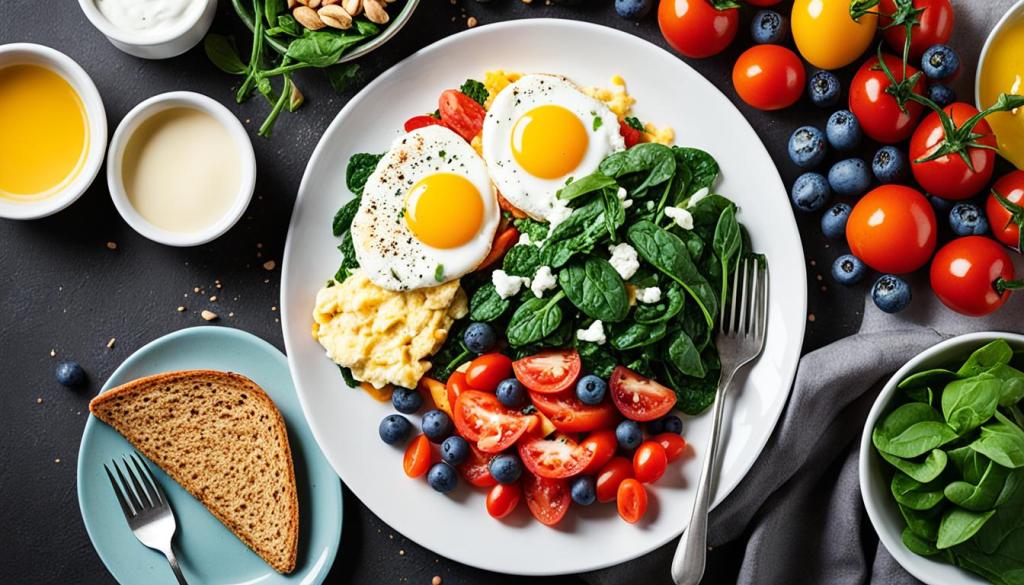
Eggs are an amazing choice for getting protein in a vegetarian diet. They are full of important amino acids. This makes them a top pick when you’re looking to add more protein.
Eating eggs is not bad for most people. It’s safe to have them every day. Research shows they are beneficial for our health. Eggs have nutrients like choline, which is good for the brain and may lower breast cancer risk.
“Eggs are an affordable and accessible source of high-quality protein, making them a great choice for vegetarians seeking to meet their protein needs.”
A single large egg has 6 grams of protein. This makes them a quick way to up your daily protein. Eggs can be cooked in many ways. You can have them alone as a snack or use them in recipes.
Add eggs to dishes like omelets or salads. They can be the heart of your meal and add a good amount of protein. You can also put them in veggie burgers. They work well in topping off grain bowls too.
Try to choose organic or pasture-raised eggs. These are healthier and more nutritious.
| Eggs | Protein | Choline | Calories (per large egg) |
|---|---|---|---|
| 1 large egg | 6 grams | 147 mg | 72 |
Tree Nuts: A Nutrient-Dense Powerhouse
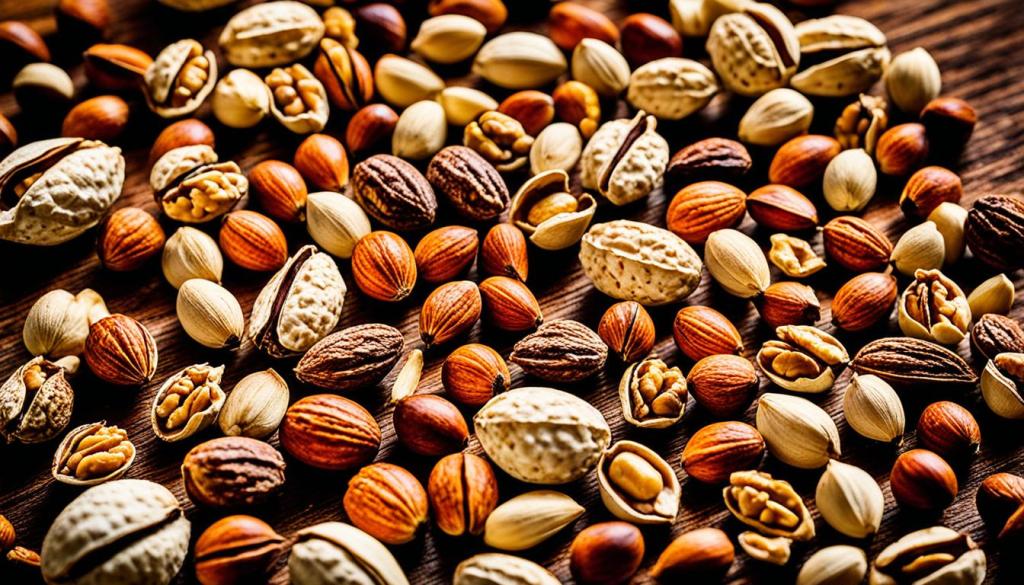
Tree nuts like almonds, walnuts, and pecans are excellent for adding plant-based protein to your diet. They bring essential nutrients to help you eat healthily. Plus, they taste great!
They’re packed with protein, making them perfect for those wanting more plant protein. You can easily add tree nuts to your meals for a tasty, protein-rich boost.
Tree nuts are not just about protein. They also have healthy fats like omega-3s. These fats are good for your heart, helping lower the risk of heart disease. They even lower cholesterol.
Furthermore, they’re full of fiber which is good for your digestion and keeping a healthy weight. It makes you feel full and satisfied, so you’re less likely to eat too much.
Tree nuts also have lots of antioxidants. These protect your body from damage and inflammation, keeping you healthy. They are a source of vitamins and minerals too, supporting your body in many ways.
There are many ways to enjoy tree nuts. Add almonds to your oatmeal or walnuts to a salad. They make any dish more interesting and nutritious.
Tree nuts are really good for you, offering many health benefits. They improve the quality and taste of your meals. So, don’t forget to include them in your diet for a healthier and yummier life.
Legumes: Protein-Packed Beans and Peas
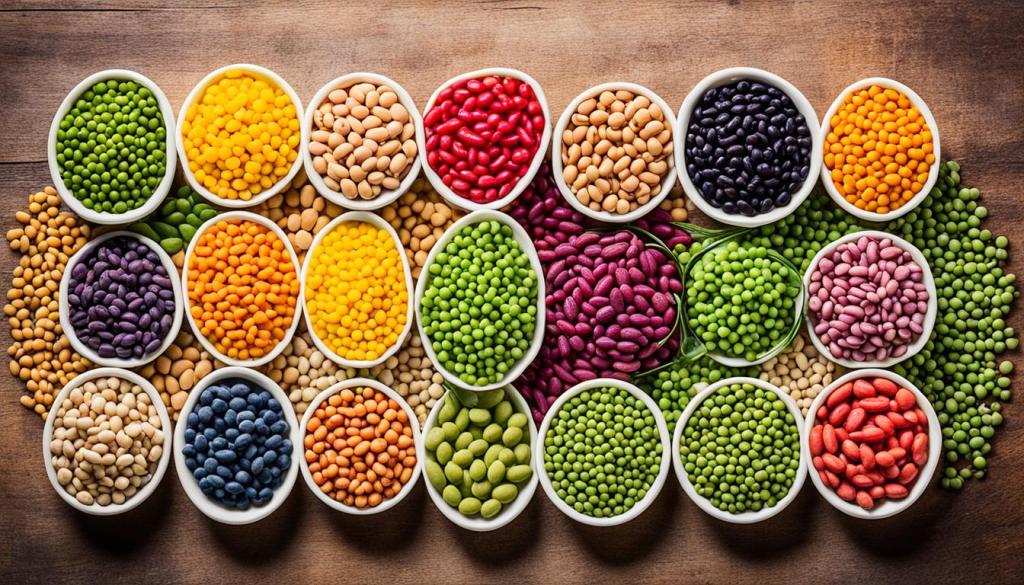
Legumes, like black beans, chickpeas, and lentils, are tasty and packed with nutrition. They’re great for vegetarians and those looking for high-protein meals. Legumes also bring calcium, potassium, and iron to your diet.
One big plus of eating legumes is they help keep your blood sugar steady. Their low glycemic index means sugar levels in your blood rise slowly. This can prevent sudden high or low sugar levels.
They can also lower your cholesterol. The soluble fiber in legumes cuts how much cholesterol your body absorbs. This is good news for your heart.
Plus, eating legumes regularly can lower your cancer risk. They have special compounds that may help fight cancer, such as saponins and phytic acid.
What’s really cool about legumes is how many ways you can use them. Add them to soups, stews, salads, burgers, or chilli. Use mashed chickpeas instead of mayo or as a creamy salad dressing.
Ready to try cooking with legumes? Here are some great recipes:
1. Black Bean and Quinoa Salad
- Ingredients:
- 1 cup cooked black beans
- 1 cup cooked quinoa
- 1 bell pepper, diced
- 1 small red onion, finely chopped
- 1 avocado, diced
- Handful of fresh cilantro, chopped
- Instructions:
- Combine black beans, quinoa, pepper, onion, avocado, and cilantro in a bowl.
- Mix everything gently.
- Add salt and pepper to taste.
- Chill and enjoy this protein-packed salad.
2. Chickpea Curry
- Ingredients:
- 1 can chickpeas, drained and rinsed
- 1 onion, chopped
- 2 cloves of garlic, minced
- 1 bell pepper, diced
- 1 can coconut milk
- 2 tablespoons curry powder
- Salt and pepper to taste
- Instructions:
- Saute onion and garlic in a pan until they smell great.
- Add the bell pepper and cook a bit more.
- Mix in chickpeas, coconut milk, curry powder, salt, and pepper.
- Cook for 15-20 minutes to blend the flavors.
- Enjoy with rice or naan for a filling vegetarian dish.
Adding legumes to your meals means great taste and lots of protein. They’re also a rich source of key nutrients.
So, why not dive into the world of legumes for tasty, protein-packed dishes? They offer endless meal possibilities!
Soy: Complete Plant-Based Protein
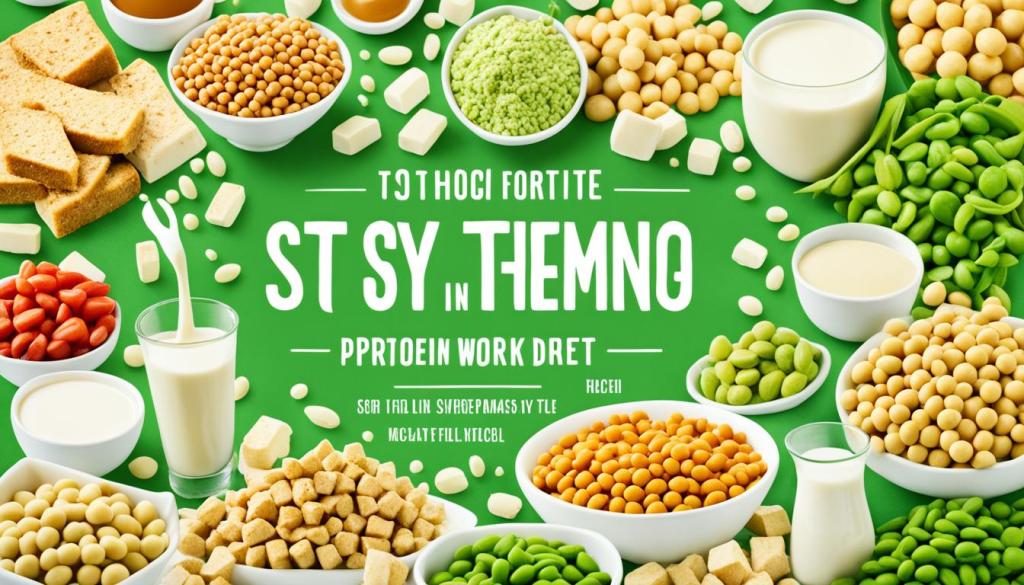
Soy shines as a top choice for high-protein, vegan diets. Foods like edamame, tofu, tempeh, and soy milk offer complete plant proteins. They are tasty too.
Soy stands out because it has all the essential amino acids. This is great news for vegans and vegetarians. It supports a healthy diet for them.
Moreover, soy is good for the heart. It is low in bad fat and has no cholesterol. Using soy in meals can help you stay healthy.
Tofu is versatile. You can grill it, stir-fry it, or add it to bowls. Edamame is perfect for snacking or as an addition to salads and pastas. Tempeh is a good meat alternative in sandwiches or wraps, after cooking.
Soy Milk: A Versatile Dairy Alternative
Soy milk is a great substitute for dairy. It works in smoothies, cereal, and by itself. You can also make tasty desserts with it, like puddings or ice creams.
Make soy part of your diet for more protein and better health. It’s a great choice for vegans, those wanting more plant protein, or anyone wanting to change up their meals. Soy brings a nutritious twist to your food.
Yogurt: A Protein-Rich Dairy Option
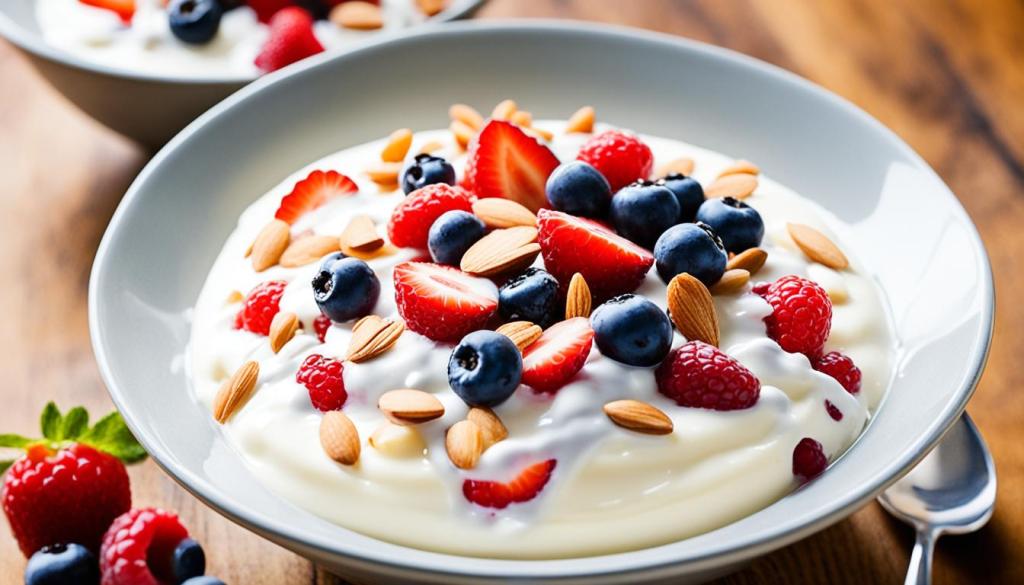
Yogurt, especially Greek yogurt, is full of protein, making it perfect for vegetarians. It helps with muscle growth and repair. This is good news for anyone wanting to avoid meat but still get enough protein.
Greek yogurt is well-known for being thick and creamy with lots of protein. A 6-ounce portion can give you 15-20 grams of protein. It’s a great way to boost protein without eating meat.
Yogurt is not just about protein. It is also packed with calcium. We know calcium is important for our bones and teeth. If you’re a vegetarian, yogurt can help you get this important nutrient.
Another good thing about yogurt is the live cultures it has. Known as probiotics, they are good for your gut. They help digest food and keep your digestive system healthy.
Yogurt is so versatile. You can eat it by itself or add it to other dishes. Try it in smoothies, overnight oats, or as a salad dressing. It goes well with nuts and fruits for a healthy meal or snack.
“Yogurt, especially Greek yogurt, can be a valuable addition to vegetarian diets by providing a significant protein content, essential nutrients like calcium, and promoting a healthy digestive system.”
Yogurt is a great choice for vegetarians. It’s not just a snack but a beneficial part of your diet. By adding yogurt, you can make sure you get enough protein and other health benefits it offers.
Benefits of Yogurt:
- High in protein, which supports muscle growth and repair
- Rich in calcium for bone health
- Contains live cultures that promote a healthy digestive system
- Versatile ingredient for a range of recipes and snacks
| Yogurt Type | Protein Content per Serving (6 oz) |
|---|---|
| Greek Yogurt | 15-20 grams |
| Regular Yogurt | 8-12 grams |
Incorporating Other Vegetarian Protein Sources
There are more vegetarian protein sources for your diet. They offer different flavors, nutrients, and textures. This variety can make your meals more interesting and fulfilling.
Quinoa: A Complete Protein
Quinoa is a versatile, grain-like seed. It’s a complete protein, containing all nine essential amino acids. This makes it a great choice for vegetarians. You can use it in salads, stir-fries, or as a side dish.
Nuts and Seeds: Protein-Packed and Nutrient-Dense
Nuts and seeds are excellent for protein. They also offer healthy fats, vitamins, and minerals. Use peanuts, walnuts, sunflower seeds, and pumpkin seeds in snacks, salads, or recipes.
Dairy: Protein-Rich Options
Dairy products are another source of protein for vegetarians. Cheese and milk are protein-rich and versatile in cooking. Greek yogurt, high in protein, is great for snacks, smoothies, or sauces.
Fish: Protein and Omega-3 Fatty Acids
For pescatarians, fish is a protein source that also includes omega-3 fatty acids. White fish and salmon are good choices for overall health. They benefit brain function and heart health. Try to include fish several times a week for a protein variety.
Use these vegetarian sources to meet your protein needs. They bring variety to your meals. Try different recipes to make meals that are high in protein and delicious.
Exploring Texture and Flavor with Mushrooms
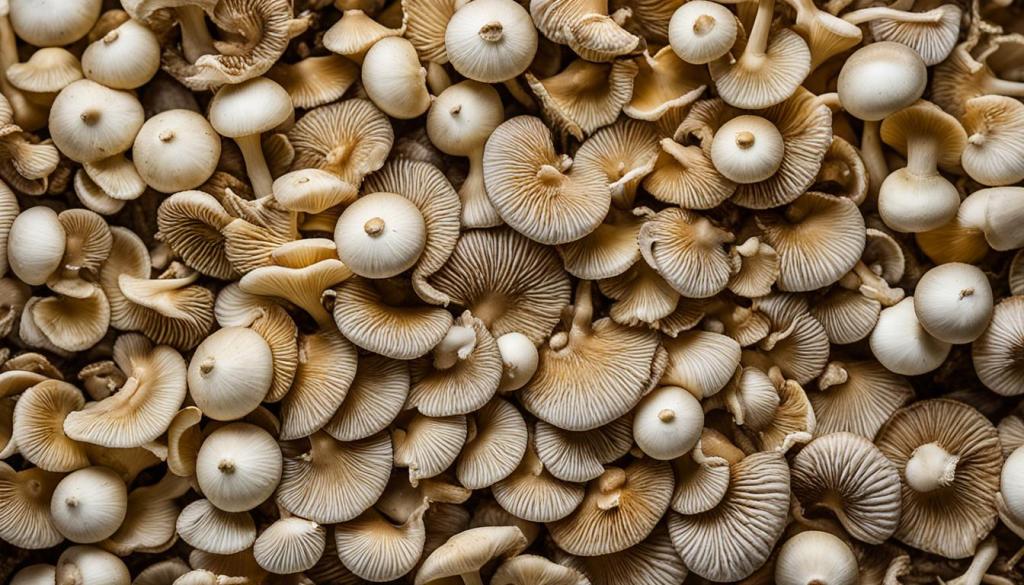
Mushrooms are a big hit in vegetarian dishes thanks to their unique texture. This texture is fulfilling and can be like meat in meals. Even though they’re not packed with protein, they do a great job replacing meat in tasty and protein-rich veggie dishes. Their knack for soaking up flavors and adding a chewy bite makes them perfect for cutting down on meat in recipes.
Grilling Portobellos is a favorite method. They serve as a great burger patty alternative, offering a meaty feel and taking on a smoky taste from the grill. Topped with your favorites, these mushroom burgers are a scrumptious veggie option.
Slicing mushrooms can transform classics like stroganoff and chili. They boost the flavor and texture, making the meal more filling. Their natural, earthy taste meshes perfectly with other flavors, leading to a well-balanced dish.
Chopping mushrooms finely is a smart move if you want to cut down on meat in your burgers or meatloaf. This trick reduces calories and fat, while still infusing the dish with a rich mushroom flavor and moist texture.
If you’re keen on high-protein veggie dishes, keep mushrooms in mind. They’re more than just a filler – they add depth, flavor, and flexibility. This makes them key in whipping up hearty and healthy vegetarian meals.
| Mushroom Variety | Protein Content per 100g |
|---|---|
| White Button | 3.1g |
| Cremini (Baby Bella) | 3.7g |
| Portobello | 2.1g |
| Shiitake | 2.2g |
| Oyster | 2.2g |
Conclusion
Eating a lot of protein without meat can be fun and great for your health. You can get protein from things like eggs, nuts, beans, soy, and yogurt. These foods are full of protein and important nutrients. They make a good mix for a healthy diet.
Mixing up the foods you eat can make meals more interesting. Adding mushrooms can bring new flavors and nutrients to your meals. Whether you’re new to not eating meat or just looking for different protein sources, there are many options. You can find something that fits your meal plan.
Choosing a high-protein, vegetarian way of eating has big benefits. It helps the planet by using less meat. Plus, you can enjoy tasty meals that give your body the protein it needs. There is a wide variety of vegetarian foods to explore. So, dive into the world of meatless, protein-rich meals!
FAQ
How much protein do we need?
Protein needs vary by age, sex, and how active we are. For most adults, eating about 0.8 grams of protein for each kilogram they weigh is enough. If you’re very active or an athlete, you might need more. Talking to a doctor or a dietitian is the best way to figure out what’s right for you.
What are non-meat food sources of protein?
Many plant-based foods are rich in protein, making them perfect without needing meat. Some include almonds, beans, cashews, cheese, chia seeds, and eggs. These foods are not only great sources of protein but also provide key nutrients for a healthy diet.
How can I incorporate almonds into my diet?
Almonds can be a great snack or topping for a salad. Try using them to make a crust for baked chicken or fish. They’re also good blended in smoothies. You can use almond butter on toast or as a dip for fruits. Almonds are very versatile in cooking and snacking.
What are some protein-rich vegetarian recipes?
Vegetarian options like tofu stir-fry, lentil curry, and chickpea spinach curry are full of protein. You can also eat quinoa salad or make a yogurt parfait. These recipes taste good and give you a variety of nutrients.
Can I get enough protein from a vegan diet?
Yes, it’s possible to get a lot of protein from vegan foods. Tofu, lentils, quinoa, and nuts are great sources. Eating a mix of these foods ensures you get all the amino acids you need. A dietitian can help you plan balanced vegan meals.
Are there vegetarian protein options for breakfast?
There are many vegetarian breakfasts rich in protein. Try scrambled eggs, yogurt with fruit and nuts, or peanut butter on toast. Tofu with vegetables or overnight oats are also good options. Adding nuts or seeds to your meal can up the protein.
Can mushrooms be used as a meat substitute?
Yes, mushrooms can be a meat alternative because of their texture. They can work well in meals alongside high-protein foods. For instance, you can grill portobellos like burgers or add them to pasta dishes. This helps reduce the amount of meat you need.
Is it possible to meet protein needs on a vegetarian diet?
Yes, you can meet your protein needs on a vegetarian diet with the right planning. Foods like beans, tofu, and quinoa are great choices. It’s essential to eat a mix of protein sources to get all the amino acids.
What are the benefits of a high-protein, vegetarian diet?
Eating a diet high in vegetarian protein has many advantages. It can help you manage your weight and feel full longer. Plus, it supports muscle growth, bone health, and a healthy heart. Such a diet is also rich in vitamins, minerals, and fiber.
Can dairy products be part of a vegetarian protein diet?
Yes, dairy products can be part of a protein-rich vegetarian diet. They offer not just protein but also calcium and vitamin D. Opt for low-fat or non-fat Greek yogurt for a healthier choice.
Source Links
- 5 Protein-Packed Foods for Healthy, Meatless Meals – https://www.hopkinsmedicine.org/health/wellness-and-prevention/5-protein-packed-foods-for-healthy-meatless-meals
- How to get protein without the meat – https://www.bhf.org.uk/informationsupport/heart-matters-magazine/nutrition/protein/how-to-get-protein-without-the-meat
- A Complete List Of Meatless High-protein Foods – https://www.piedmont.org/living-real-change/meatless-high-protein-foods



 trim down and shape up
Leave a comment