


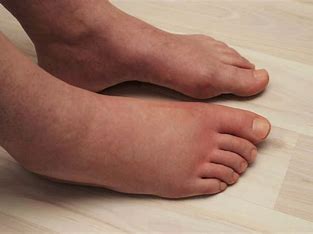
Peripheral artery disease (PAD) happens when plaque builds up in your arteries. This makes it hard to move and causes pain in your legs and feet. The Cleveland Clinic says PAD can lead to pain, cramps, and even losing a limb.
If you have trouble standing or get leg cramps often, you should see a doctor. It’s important to get checked for PAD early. This can help manage the condition better.
Key Takeaways:
- Peripheral artery disease (PAD) is caused by plaque build-up in the arteries, leading to clogged arteries and restricted blood flow.
- Symptoms of PAD include leg and foot pain, cramping, pale or discolored toes or feet, slow-healing wounds, and leg muscle cramping.
- Risk factors for PAD include smoking, diabetes, high blood pressure, high cholesterol, and chronic kidney disease.
- If you are experiencing symptoms like difficulty standing for long periods or frequent leg cramps, seeking medical screening for PAD is essential.
- Early detection and treatment of PAD can improve symptoms and prevent complications such as limb loss.
Understanding Peripheral Artery Disease (PAD)
Peripheral artery disease (PAD) is a condition where fat, cholesterol, and other substances build up in the arteries of the legs and feet. This buildup blocks blood flow and causes symptoms.
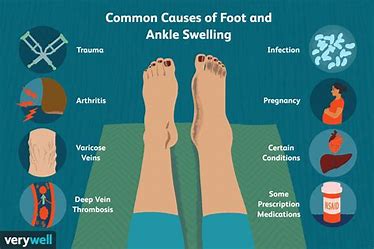
One symptom of PAD is swelling in the feet and ankles, known as lower extremity edema. This happens when the blood flow is blocked, stopping proper fluid drainage.
People with PAD may also feel pain or cramping in their legs during exercise. This pain, called claudication, goes away when they rest.
PAD is often linked to clogged arteries or atherosclerosis. This happens when plaque forms on artery walls, reducing blood flow and raising the risk of heart problems.
PAD mainly affects the lower legs but can hint at heart or carotid artery issues. Recognizing PAD symptoms and getting medical help quickly is key to proper diagnosis and treatment.
Learning about PAD and its symptoms helps you manage and improve your artery health.
Testing for Clogged Arteries
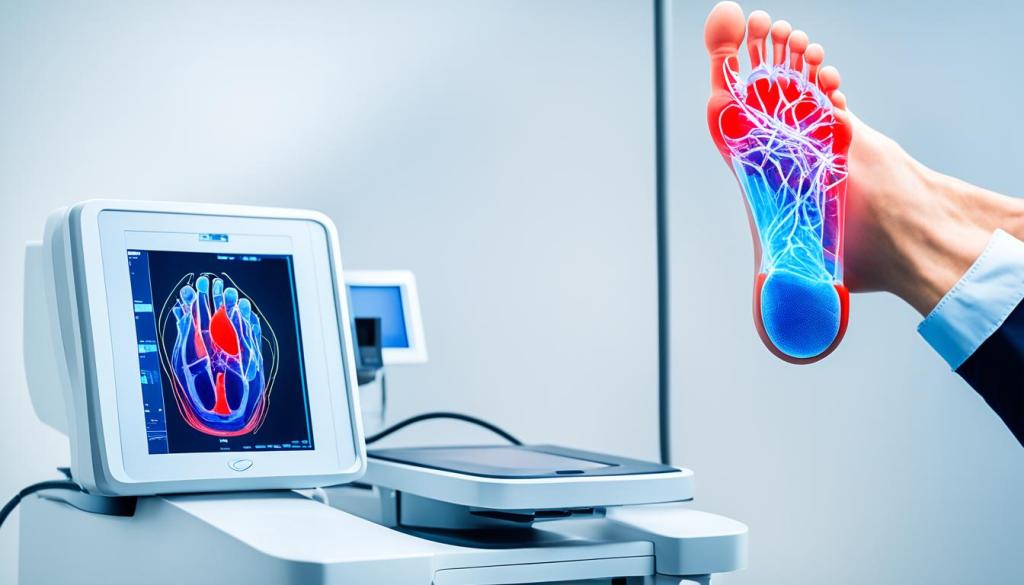
Doctors use different tests to check for clogged arteries and peripheral artery disease (PAD). These tests help see how well blood flows and spot blockages. Finding blockages early can prevent heart attacks or strokes. Here are some tests used to check artery health:
1. Ultrasounds
Ultrasound uses sound waves to make moving pictures of your blood vessels. It looks at blood flow and artery structure. This way, it can spot blockages.
2. CT Scans
CT scans take many X-rays to make detailed pictures of your arteries. They show if there’s a blockage and how bad it is.
3. Angiograms
An angiogram is a test where a dye is injected into your blood vessels. Then, X-rays show blood flow and find blockages or narrow spots.
4. MRIs
MRI uses a strong magnetic field and radio waves to make detailed artery pictures. It’s a non-invasive test that can spot blockages and check artery health.
The ankle-brachial index (ABI) is a key test for blockages. It compares ankle and arm blood pressure to check leg blood flow. Swelling in the ankle can also mean a blockage and should be checked by a doctor.
The Impact of Poor Circulation
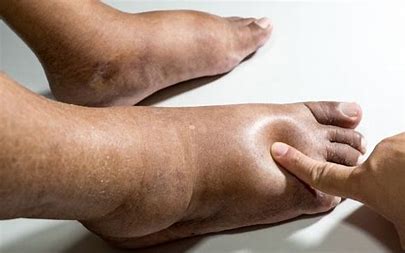
Clogged arteries can lead to poor circulation, affecting foot and leg health. This often causes foot pain, from a dull ache to sharp throbbing. It happens because the feet don’t get enough blood, lacking nutrients and oxygen.
Poor circulation also brings leg circulation issues, like muscle cramps in the lower limbs. These cramps happen when muscles don’t get enough oxygen and nutrients. They can happen while active or at rest.
This poor circulation makes it hard to walk or do physical activities. It weakens muscles and nerves in the legs, reducing endurance. This limits daily tasks and fun activities, affecting life quality.
Poor circulation also raises the risk of non-healing wounds on the feet or legs. Without enough blood flow, healing is slow. This can lead to chronic wounds, increasing infection risk and possibly needing amputation.
Poor circulation isn’t just about foot and leg problems. It’s linked to Peripheral Artery Disease (PAD), raising heart attack and stroke risks. The same blockages that affect the lower body can also hit the heart and brain arteries, leading to serious health issues.
So, managing poor circulation is key to avoiding complications and keeping healthy. Next, we’ll look at ways to prevent, treat, and maintain heart health for better foot and leg function.
| Effects of Poor Circulation | Consequences |
|---|---|
| Foot pain | Reduced ability to walk and engage in physical activity |
| Leg muscle cramping | Decreased endurance and weakness in the legs |
| Non-healing wounds | Increased risk of infection and potential need for amputation |
| Cardiovascular complications | Higher risk of heart attacks and strokes |
Preventive Measures for PAD and CAD

Preventive steps can greatly lower the risk of PAD and CAD. This helps keep your heart and feet healthy. By following these steps, you can improve your health and lower the chance of getting these diseases.
1. Maintain a Healthy Lifestyle:
Exercise boosts blood flow and keeps arteries strong. Aim for 30 minutes of physical activity daily, five days a week. This can prevent PAD and CAD. Even small changes, like taking the stairs or walking more, can help.
Eating right is key for heart health. Eat lots of fruits, veggies, whole grains, and lean meats. Cut down on bad fats, sugars, and salt. Choose healthy fats in avocados, nuts, and olive oil. Keeping a healthy weight is also crucial for your heart and blood vessels.
2. Manage Other Health Conditions:
Managing health issues like diabetes is vital for avoiding PAD and CAD. High blood sugar harms blood vessels, reducing circulation. Follow your doctor’s advice on managing diabetes with diet, exercise, and medication.
3. Control Blood Pressure and Cholesterol Levels:
High blood pressure and bad cholesterol raise the risk of PAD and CAD. Keep an eye on your blood pressure and take your meds as told. Eating right and exercising can help control these levels. Sometimes, you might need medicine to keep cholesterol in check.
4. Quit Smoking:
Smoking harms blood vessels and ups the risk of PAD and CAD. Quitting is a huge step towards better heart health and fewer blockages.
By making these changes part of your life, you can cut the risk of PAD and CAD. This keeps your feet and heart healthy.
Treatment Options for PAD

Treatment for PAD aims to ease symptoms, boost blood flow, and lower the risk of complications. The best treatment plan depends on your symptoms, health, and artery blockage level. Here are some common ways to treat PAD:
1. Physical Activity
Regular exercise is key in managing PAD. Activities that help blood flow and strengthen your leg muscles can make walking easier and lessen leg pain. Good exercises for PAD include:
- Walking
- Cycling
- Swimming
- Low-impact aerobic exercises
2. Medication
Doctors may prescribe medicine to ease symptoms, manage conditions, and prevent more problems. Common medicines for PAD are:
- Antiplatelet drugs: These stop blood clots from forming.
- Cholesterol-lowering drugs: These help keep cholesterol levels in check, which prevents artery blockage.
- Blood pressure medication: This controls high blood pressure, a risk factor for PAD.
- Pain relievers: These help reduce leg pain from PAD.
3. Surgical Procedures
For severe PAD, surgery may be needed to improve blood flow and ease symptoms. Some surgeries for PAD are:
- Bypass surgery: This makes a new path for blood flow around the blocked or narrowed artery.
- Angioplasty and stenting: This expands the blocked artery with a balloon and then places a stent to keep it open.
- Atherectomy: This removes the plaque clogging the artery to improve blood flow.
Remember, treatment plans are made just for you. A detailed check-up with a PAD expert is crucial to find the best treatment.
| Treatment Option | Description |
|---|---|
| Physical Activity | Engaging in regular exercises to improve blood flow and walking ability. |
| Medication | Prescribing drugs to manage symptoms, control underlying conditions, and reduce complications. |
| Surgical Procedures | Performing bypass surgery, angioplasty, or atherectomy to improve blood flow in blocked arteries. |
Maintaining Heart Health for Healthy Feet
Keeping your heart healthy is key to avoiding PAD and CAD and keeping your feet healthy. By living a heart-healthy lifestyle, you can lower your risk of these conditions. This means you can feel better overall.
Regular Exercise
Regular exercise is vital for a healthy heart and preventing PAD and CAD. Try to do at least 150 minutes of moderate exercise each week. This can be walking, cycling, or swimming. Exercise helps lower blood pressure, boosts circulation, and makes your heart muscles stronger.
Healthy Diet
A balanced diet is important for heart health. Eat lots of fruits, veggies, whole grains, lean proteins, and healthy fats. Avoid foods high in bad fats and eat less sodium and sugar. This diet helps keep your cholesterol levels in check and prevents artery blockages, lowering PAD and CAD risk.
| Heart-Healthy Foods | Unhealthy Choices |
|---|---|
| Fruits and vegetables | Processed foods |
| Whole grains | Highly refined grains |
| Lean proteins (fish, poultry, legumes) | Processed meats (sausages, bacon) |
| Healthy fats (avocado, olive oil, nuts) | Saturated and trans fats (butter, fried foods) |
Managing Cholesterol and Blood Pressure Levels
High cholesterol and blood pressure can lead to PAD and CAD. Keep an eye on these levels and work with your doctor to manage them. If needed, you might need medicine to help control them.
Quitting Smoking
Smoking harms blood vessels, causes plaque buildup, and raises the risk of PAD and CAD. Quitting smoking is crucial for heart health and preventing these issues. Get help from doctors, medicines, or programs to quit smoking.
Controlling Diabetes
Diabetes is a big risk factor for PAD and CAD. Managing your blood sugar levels is key to preventing and handling diabetes. Follow your doctor’s advice on managing diabetes with medicine, diet, exercise, and checking your blood sugar often.
Recognizing and Assessing PAD
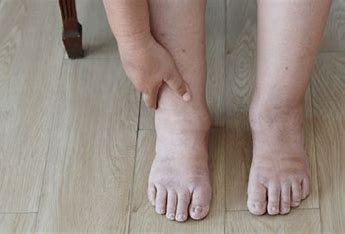
It’s key to spot the signs of peripheral artery disease (PAD) early. Knowing the common signs helps people act fast to manage it well.
When checking for PAD symptoms, look out for leg pain, especially in the calf or thigh. This pain means less blood is flowing to your lower legs. It usually stops when you rest. But, not everyone with PAD will feel this pain.
Also, watch for leg cramping, numbness, or weakness, and slow-healing wounds on your feet or legs. These signs point to poor circulation from PAD.
Doctors use tests to accurately assess PAD. These tests check blood flow and find artery blockages.
One test is checking foot pulses. Doctors feel your foot pulses to see if blood flow is low. A weak or missing pulse could mean artery blockage.
Another test is the ankle-brachial index (ABI) test. It compares blood pressure at your ankle and arm. A low ABI value means a higher chance of PAD, showing poor blood flow to your legs.
People with risk factors like smoking, diabetes, or a family history of PAD should watch their leg health closely. These factors make them more likely to get PAD.
“Quick recognition and assessment of PAD symptoms can lead to early interventions and improved long-term outcomes.” – Dr. Emily Johnson, Vascular Specialist
Understanding the Connection to Heart Health
Noticing and checking for PAD is key for both leg and heart health. PAD often means you have heart disease too. Catching and treating PAD early can lower the risk of more problems and keep your heart healthy.
| Common Symptoms of PAD | Diagnostic Tests |
|---|---|
| Leg pain or crampingNumbness or weakness in the legsSlow-healing wounds on the feet or legs | Foot pulse checkAnkle-brachial index (ABI) test |
Factors Increasing the Likelihood of PAD
Some things make it more likely to get peripheral artery disease (PAD). These include smoking, diabetes, high blood pressure, high cholesterol, chronic kidney disease, and age. People over 50, especially those with diabetes and who smoke, face a higher risk. It’s key to know these risks and get checked early to manage the disease well.
Smoking is a big risk for PAD. Cigarettes harm blood vessels and lower blood flow, making blockages more likely. Quitting smoking helps your health and lowers PAD risk.
Diabetes is also a major risk for PAD. High blood sugar damages blood vessels and causes fatty deposits to form, narrowing arteries. Keeping diabetes under control is key to lowering PAD risk.
Age also raises PAD risk. As we get older, arteries lose elasticity and get more prone to plaque buildup. PAD risk goes up after 50. Regular check-ups and early action can help manage it well.
These risk factors aren’t the only ones, and having one doesn’t mean you’ll definitely get PAD. But, if you have one or more, stay alert and take care of your health. Adopt preventive steps and get medical advice if you notice any symptoms or have concerns.
Living a healthy life, tackling risks like smoking and diabetes, and keeping an eye on blood pressure, cholesterol, and health can lower PAD risk.
| Risk Factors | Description |
|---|---|
| Smoking | Increases the risk of arterial blockages |
| Diabetes | Causes damage to blood vessels and the formation of fatty deposits |
| High Blood Pressure | Increases the strain on blood vessels and can lead to arterial damage |
| High Cholesterol | Contributes to the buildup of plaque in the arteries |
| Chronic Kidney Disease | Affects blood vessel health and functionality |
| Age | Arteries become less elastic and prone to plaque buildup |
Knowing the risks for PAD helps us take steps to avoid it. By changing our lifestyle, managing chronic conditions, and seeing the doctor regularly, we can boost our vascular health and overall well-being.
Can PAD Be Prevented?

While you can’t fully prevent peripheral artery disease (PAD), you can lower your risk. Making healthy choices helps manage diabetes and prevent PAD.
Adopting a Healthy Lifestyle
Living a healthy life is crucial for preventing PAD. Regular exercise boosts circulation and keeps blood vessels healthy. Activities like walking, swimming, or cycling for 30 minutes daily help manage diabetes and lower PAD risk.
Eating right is also important. A diet full of fruits, veggies, whole grains, and lean proteins supports your health. It helps control diabetes and keeps cholesterol and blood pressure in check, reducing PAD risk.
The Importance of Managing Diabetes
Diabetes raises the risk of PAD. Managing your blood sugar is key to preventing complications and PAD. Check your glucose levels often, take your meds, and eat right to control diabetes and protect your arteries.
Addressing Risk Factors
Managing other risk factors is also vital. Quitting smoking is a big step towards preventing PAD. Smoking harms your blood vessels and increases PAD risk a lot.
Keeping high cholesterol and blood pressure under control is important too. Regular health check-ups and medications can help manage these risks and lower PAD chances.
Conclusion
Swollen feet and ankles with pain in the feet or legs can warn of clogged arteries and PAD. These signs should not be ignored. They may mean a serious condition is present. Getting medical help quickly is key to avoiding serious issues like non-healing wounds or even losing a limb.
Keeping your heart healthy is key to avoiding PAD. This means exercising regularly, eating well, and quitting bad habits like smoking. By focusing on your heart health, you can lower the risk of clogged arteries and stay healthier overall.
If you notice PAD symptoms, see a doctor right away. They can figure out what’s wrong and create a plan to help you. Catching PAD early and getting treatment can greatly improve your health and protect your feet and legs.
FAQ
How can I tell if my arteries are clogged based on my feet?
Swollen feet and ankles, along with pain in the feet or legs, can be signs of clogged arteries. These symptoms suggest you might have peripheral artery disease (PAD). It’s crucial to see a doctor quickly to avoid serious issues like non-healing wounds or even losing a limb.
What is peripheral artery disease (PAD)?
PAD happens when arteries in the legs and feet get blocked by fat, cholesterol, and other substances. This blockage reduces blood flow. People with PAD often have swollen feet, pain, and trouble moving their legs.
How is clogged arteries and peripheral artery disease (PAD) diagnosed?
Doctors use different tests to find out if arteries are clogged and if you have PAD. These tests include ultrasounds, CT scans, angiograms, MRIs, and the ankle-brachial index (ABI) test. The ABI test checks blood pressure in the ankle against blood pressure in the arm to see how well blood flows to your legs.
What are the impacts of poor circulation on the feet?
Poor circulation from clogged arteries can cause foot pain, muscle cramps in the legs, and make it hard to walk. It can also slow down healing of wounds on the feet or legs. Plus, it raises the risk of heart attacks and strokes.
What preventive measures can I take for PAD and CAD?
To lower your risk of PAD and CAD, keep a healthy lifestyle. This means exercising regularly, eating a diet low in bad fats, and managing health conditions like diabetes. Also, keep your blood pressure and cholesterol in check, and stop smoking.
What are the treatment options for PAD?
Treatment for PAD varies based on your situation. The main goals are to ease pain, improve walking, lower heart attack and stroke risk, and prevent amputation. You might need to exercise more, change your diet, take medicine, or have minor surgery to help blood flow better.
How can I maintain heart health for healthy feet?
Keeping your heart healthy is key to avoiding PAD and CAD. Follow a heart-healthy lifestyle by exercising regularly, eating well, managing your cholesterol and blood pressure, quitting smoking, and controlling diabetes.
How can I recognize and assess PAD?
Spotting PAD symptoms early is important for getting the right treatment. Look out for leg pain, cramping, and trouble walking, especially if you smoke, have diabetes, or a family history of PAD or heart disease. Doctors can check your foot pulses and do an ankle-brachial index to see if your arteries are blocked.
What factors increase the likelihood of PAD?
Smoking, diabetes, high blood pressure, high cholesterol, chronic kidney disease, and being over 50 increase your risk of PAD. If you have diabetes and smoke, you’re at even higher risk. Knowing these risk factors and getting checked by a doctor is key to catching PAD early.
Can PAD be prevented?
You can’t fully prevent PAD, but a healthy lifestyle can lower your risk. Exercise, eat well, manage your health conditions, quit smoking, and control diabetes. By focusing on these areas, you can reduce your chances of getting PAD.
Source Links
- How your feet could be signaling heart problems – https://www.phillyvoice.com/how-your-feet-could-be-signaling-your-arteries-are-clogged/
- What Your Feet Could Be Telling You About Your Arteries – https://www.orlandohealth.com/content-hub/what-your-feet-could-be-telling-you-about-your-arteries/
- Your Feet Hold Clues to Clogged Arteries – https://health.clevelandclinic.org/your-feet-hold-clues-to-clogged-arteries-2



 trim down and shape up
Leave a comment