


As we get older, our muscles start to weaken. This is called muscle aging or sarcopenia. It usually starts in our 30s and gets worse after we turn 50. Things like less protein making, hormone changes, and doing less exercise play a big part in this.
Muscle aging, or sarcopenia, means losing muscle mass, strength, and function as we age. It’s a normal part of getting older. But it can really affect how strong and active you are. Studies say about 30% of people over 70 have trouble moving around because of muscle aging. It’s key to know what causes muscle aging and how to slow it down.
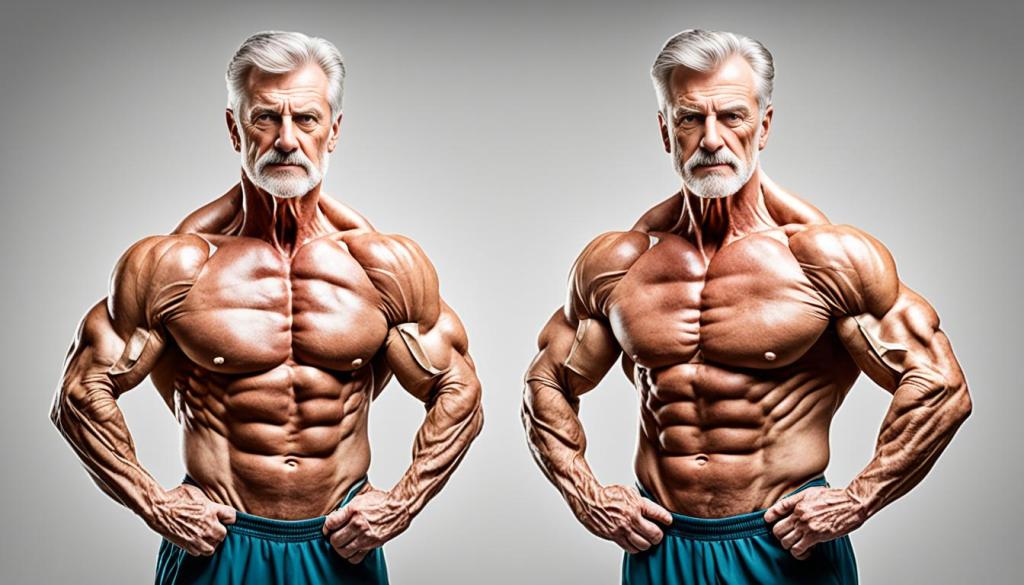
Key Takeaways:
- Muscle aging, or sarcopenia, is a natural part of the aging process.
- Factors such as protein synthesis, hormones, and physical activity contribute to muscle loss.
- Muscle aging can significantly impact strength and physical abilities.
- About 30% of adults over 70 experience mobility limitations due to muscle aging.
- Understanding the causes and strategies to combat muscle aging is crucial for maintaining muscle mass and function as you age.
What causes muscle aging?
Muscle aging, also known as sarcopenia, is a natural process that happens as we get older. It means losing muscle mass and strength over time. Many factors contribute to this process, which scientists are still studying.
Reduced Protein Synthesis
Reduced protein synthesis is a big factor in muscle aging. Our bodies get worse at building and repairing muscle as we age. This leads to losing muscle mass and strength.
Hormonal Changes
Hormonal changes also affect muscle aging. With age, we make less anabolic hormones like testosterone and growth hormone. These hormones help grow and maintain muscles. Without enough of them, we lose muscle mass and function.
Decreased Physical Activity
Less physical activity also adds to muscle aging. As we get older, we often move less. This means our muscles don’t get used and can shrink and weaken.
Nutritional Factors
What we eat also matters for muscle aging. Eating too little protein can hurt muscle growth and health. Not getting enough calories or nutrients can make muscle loss worse.
Inflammation and Oxidative Stress
Inflammation and oxidative stress can also cause muscle aging. Inflammation can hurt muscle repair. Oxidative stress, from too many free radicals, can break down muscle tissue.
To fight muscle aging, we need a complete plan. This means staying active, eating well, managing inflammation and stress, and fixing hormonal issues if needed.
The impact of muscle aging on mobility
Muscle aging, or sarcopenia, affects your mobility as you get older. Studies show that about 30% of people over 70 have trouble moving around. This can really change their life and make them rely on others more.
These mobility issues can make simple things hard, like walking or getting up from a chair. It makes daily tasks tough and raises the risk of falling, getting chronic diseases, needing to live in a nursing home, and dying sooner.
As muscles shrink with age, you lose strength and function. This means you move less. Less movement means you lose more muscle, which makes moving even harder.
Did You Know? Falls are a big worry for older people who can’t move well. The CDC says falls are the top cause of injuries that lead to death in people 65 and older.
Less muscle and strength can make bones weaker and more likely to break. Not moving much can also make you gain weight and increase the risk of diseases like obesity, diabetes, and heart disease.
To fight muscle aging and keep moving well, regular exercise is key. Strength training builds muscle, helps with balance, and boosts your overall function.
Adding cardio exercises can also make your heart healthier and give you more energy. Experts like physical therapists or exercise specialists can create workouts just for you.
The Benefits of Exercise for Mobility and Aging
Working out regularly has many perks for staying mobile and aging well. It boosts muscle strength, balance, and overall function. Here are some benefits of exercise for mobility and aging:
- Improved muscle mass and strength
- Enhanced balance and coordination
- Reduced risk of falls
- Increased bone density
- Improved cardiovascular health
- Enhanced mood and mental well-being
- Reduced risk of chronic diseases
It’s never too late to start exercising and see the benefits. Small changes, like walking more or taking the stairs, can help keep you moving and independent as you age.
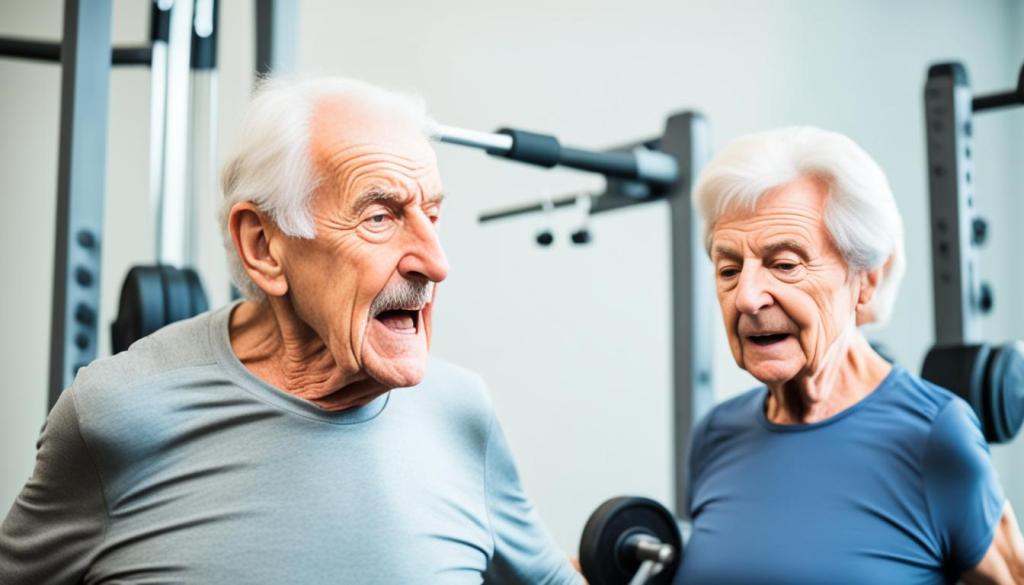
Strategies to combat muscle loss
To fight muscle aging and stop sarcopenia, try these strategies. Resistance training is key. It boosts muscle mass and strength, making you more mobile and less likely to lose muscle as you get older. By working out with weights or resistance bands, you help your muscles grow and adapt.
But, don’t just lift weights. Good nutrition is also vital. You need enough protein to fix and build muscles. Eat lean proteins like chicken, fish, tofu, and beans to help your muscles stay strong.
Also, eat a variety of foods for balanced nutrition. Include fruits, veggies, whole grains, and healthy fats in your meals. This ensures you get all the vitamins and minerals your muscles need.
Don’t forget about hydration. Drinking enough water is crucial for your muscles to work right. It helps prevent muscle tiredness and boosts your performance in workouts.
To keep your muscles strong and healthy as you age, use a mix of strength training, enough protein, balanced eating, and staying hydrated. These steps will help you keep your muscle strength, mobility, and health up.
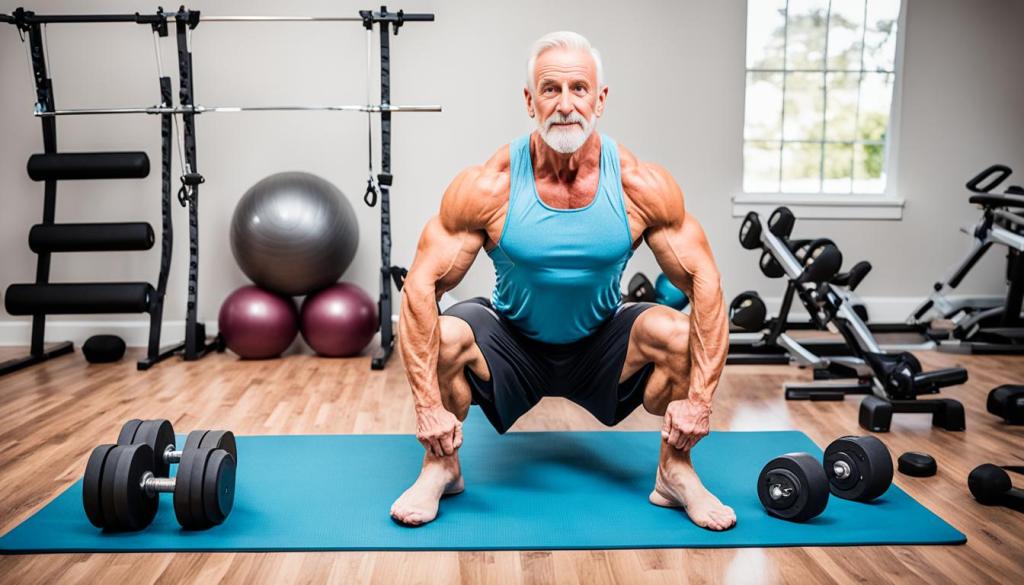
The role of hormone replacement therapy and exercise
Combating muscle aging and sarcopenia requires a mix of hormone replacement therapy (HRT) and regular exercise. This approach is crucial for maintaining muscle health.
HRT can boost muscle mass and strength in older people, especially with testosterone in men. Studies show that testosterone can increase muscle protein making, improve muscle size, and boost strength.
But, starting HRT should be done with care and under a doctor’s watch. There are risks and side effects to consider. It’s important to think about your health and talk to a doctor before starting hormone therapy.
Along with HRT, a balanced exercise routine is vital for keeping muscle strength and fighting aging. Doing resistance training exercises like weightlifting helps grow muscles, improves their quality, and boosts your ability to do daily tasks.
Getting enough rest and recovery is also key for muscle growth and health. Too much exercise without rest can slow progress and increase injury risk. So, make sure to rest between workouts, sleep well, and eat right.
By using HRT, following a balanced exercise routine, and getting enough rest and recovery, you can fight muscle aging and keep your muscles healthy.
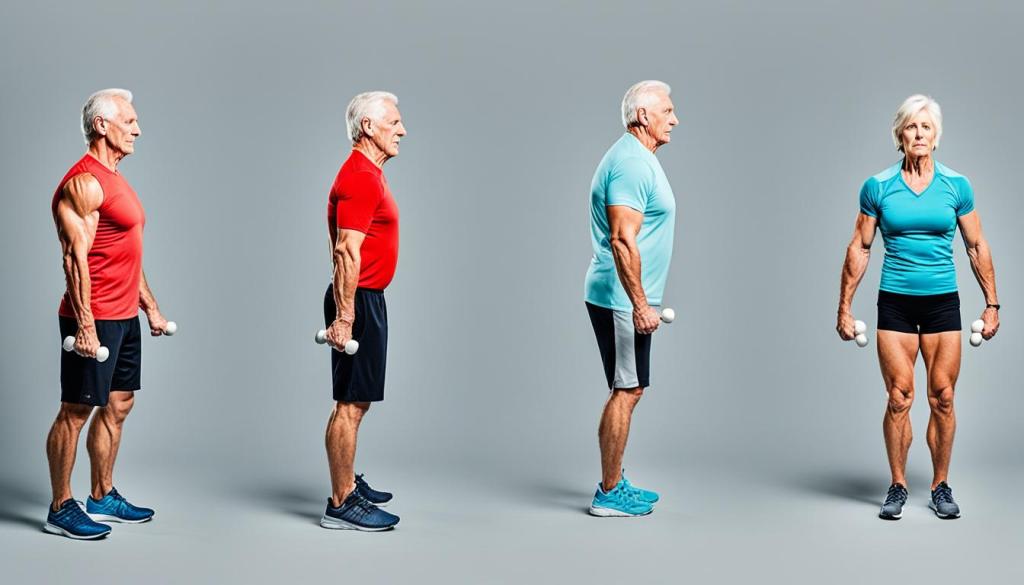
| Benefits of Hormone Replacement Therapy and Exercise |
|---|
| Increased muscle mass |
| Improved muscle strength |
| Enhanced muscle protein synthesis |
| Improved muscle fiber size and quality |
| Enhanced functional capacity |
| Preservation of muscle strength |
The impact of nutrition on muscle aging
Nutrition is key to preventing muscle aging and keeping muscles healthy. Sarcopenia, the loss of muscle mass and strength as we age, can be slowed down with the right diet. Eating enough protein is crucial because proteins help build and repair muscles.
A balanced diet is essential for fighting muscle aging. Eating foods rich in nutrients like lean meats, fish, dairy, beans, and nuts gives you the right mix of amino acids, vitamins, minerals, and antioxidants. These help keep muscles working well and prevent sarcopenia.
Drinking enough water is also vital for muscle health. Not drinking enough water can hurt muscle performance and recovery. It’s important to drink water all day and during workouts to stay hydrated.
Talking to a healthcare professional or dietitian can help make a nutrition plan to fight muscle aging. They can create a plan based on your age, activity level, and health. By focusing on enough protein, balanced eating, and hydration, you can help keep your muscles healthy as you age.

| Nutrient | Role | Food Sources |
|---|---|---|
| Protein | Supports muscle growth and maintenance | Lean meats, fish, poultry, dairy products, legumes, nuts |
| Vitamins | Support overall muscle function | Fruits, vegetables, whole grains |
| Minerals | Aids in muscle contractions and energy production | Leafy green vegetables, nuts, seeds, whole grains |
| Antioxidants | Helps protect muscles from oxidative stress and inflammation | Berries, dark chocolate, green tea, spices |
| Water | Maintains muscle hydration and overall function | Plain water, herbal tea, fruits, vegetables |
Note: The table above provides an overview of essential nutrients for muscle health and their food sources. It is important to maintain a balanced diet and consume a variety of nutrient-dense foods to ensure adequate nutrition for muscle aging.
The effects of aging on muscle metabolism
Aging affects muscle metabolism in big ways. As we get older, muscle aging or sarcopenia happens. This leads to losing muscle mass and strength. This decline affects how well we move and our quality of life.
One major change with aging is less protein synthesis. Protein synthesis helps muscles grow, repair, and stay strong. But, as we age, making proteins in muscles slows down. This makes it harder for muscles to build and keep their mass.
Also, aging can hurt how well mitochondria work. Mitochondria are key for making energy in muscle cells. Studies show that as we age, mitochondria don’t work as well. This means less energy and weaker muscles.
The role of metabolic changes in muscle aging
Changes in metabolism with aging play a big part in muscle aging. These changes lead to losing muscle mass and strength. They also affect our metabolic health overall.
- Less protein synthesis means muscles waste away and can’t repair well. This makes recovering from injuries or exercise harder.
- Bad mitochondrial function means less energy, leading to feeling tired and doing less well in exercise.
- Changes in muscle tissue can also affect our whole metabolism. This might lead to problems like insulin resistance and obesity.
Knowing how aging affects muscle metabolism is key to fighting muscle aging and keeping muscle strength. By focusing on these changes, researchers and doctors can find ways to help us age healthily and keep our muscles strong.
Strategies to promote healthy muscle aging
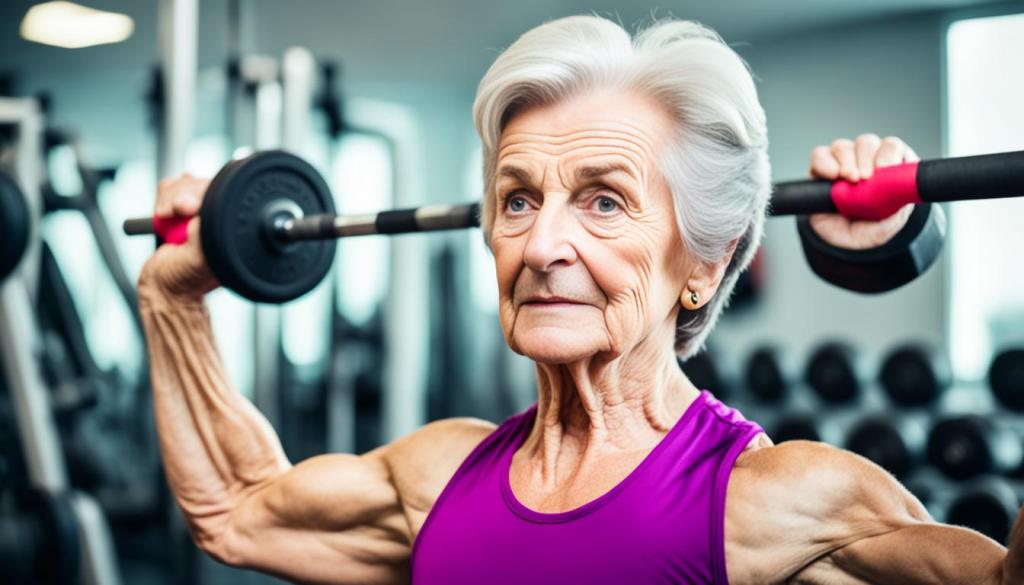
While aging is natural, we can do things to age muscles healthily and lessen metabolic changes.
- Doing regular resistance training exercises can help keep muscle mass and strength up.
- Eating a balanced diet with enough high-quality protein supports muscle repair and making muscle proteins.
- Managing conditions like diabetes and heart disease can lessen their bad effects on muscle metabolism.
- Under a doctor’s advice, hormone replacement therapy might help if hormonal imbalances affect muscle health.
- Staying fit with cardio exercises helps keep metabolism and muscle function healthy.
By following these steps, we can help keep our muscles healthy and strong as we age.
The role of hormones in muscle aging
Hormones play a big part in how our muscles age and how sarcopenia develops. As we get older, hormones like testosterone, growth hormone, and DHEA drop. This drop leads to losing muscle and getting weaker.
Testosterone is key for keeping muscles strong and big. It goes down with age in both men and women. Low testosterone is linked to sarcopenia and poor muscle performance. Some think testosterone therapy could help fight muscle aging and boost muscle function.
Growth hormone helps muscles grow and repair. Its levels fall as we age, affecting muscle health. Some studies hint that growth hormone therapy could help older people keep their muscle mass and strength up.
Dehydroepiandrosterone (DHEA) is a steroid hormone that goes down with age. Not having enough DHEA is linked to losing muscle and doing worse in exercises. Researchers are looking into DHEA supplements to see if they can help older people keep their muscles strong.
But, using hormones to fight muscle aging needs to be done carefully. Hormone therapies can have side effects and need close watch to make sure they’re safe and work well.

The impact of hormones on muscle aging
When hormones like testosterone, growth hormone, and DHEA drop, muscle aging speeds up. This can cause losing muscle mass, getting weaker, and muscles not working right. But, with the right medical advice and checks, hormone therapy might help keep muscles healthy and fight muscle aging.
| Hormone | Function | Impact on Muscle Aging |
|---|---|---|
| Testosterone | Regulates muscle growth and maintenance | Decline can lead to muscle loss and weakness |
| Growth Hormone | Stimulates muscle protein synthesis and repair | Decreased levels contribute to loss of muscle mass and strength |
| DHEA | Supports muscle function and performance | Deficiency can result in muscle loss and impaired exercise capacity |
We need more research to understand hormones’ role in muscle aging and the best ways to use hormone therapy in older people. But, combining regular exercise, good eating, and lifestyle changes with hormone therapy might be a good way to fight muscle aging and keep muscles healthy.
The importance of exercise in combating muscle aging
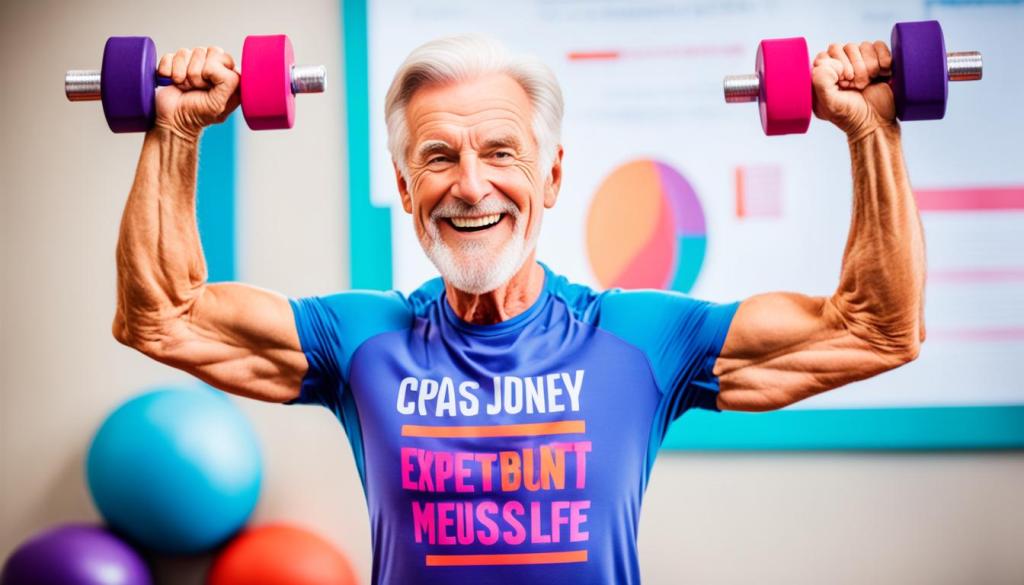
Exercise is key to keeping muscles healthy as you get older. It fights muscle aging, also called sarcopenia, and boosts overall health. Mixing resistance training and aerobic exercise is great for older adults.
Resistance training helps build muscle strength and size. You can do this with weights, resistance bands, or your own body. It makes muscles grow and stops them from shrinking as you age.
Aerobic exercise improves heart and lung health and fitness. Walking, cycling, swimming, or dancing are good examples. It keeps muscles working well and helps older adults stay independent and move easily.
Exercise is great for older adults in many ways. It boosts balance, coordination, and flexibility, lowering the chance of falling. It also helps with thinking, feeling good, and living a better life.
Before starting to exercise, talk to a doctor, especially if you have health issues. They can make a plan that’s safe and right for you.
| Benefits of Exercise in Older Adults | Types of Exercise |
|---|---|
| Improved muscle strength and mass | Resistance training |
| Enhanced cardiovascular health | Aerobic exercise |
| Increased overall fitness | Combination of resistance training and aerobic exercise |
| Improved balance, coordination, and flexibility | Combination of resistance training and aerobic exercise |
| Reduced risk of falls and injury | Combination of resistance training and aerobic exercise |
| Positive effects on cognitive function and mental health | Combination of resistance training and aerobic exercise |
| Enhanced overall quality of life | Combination of resistance training and aerobic exercise |
Regular exercise fights muscle aging, boosts physical function, and keeps you lively as you age. Stay active, stay strong, and enjoy the perks of a healthy life.
Conclusion
As we get older, our muscles naturally age, a process called sarcopenia. This can greatly affect our strength and how well we move. But, there are ways to fight muscle aging and keep our muscles strong.
One great way is through resistance training. This type of exercise is key for keeping and building muscle strength. By doing exercises like weightlifting or using resistance bands often, you can help your muscles grow and fight aging.
Good nutrition is also very important. Eating enough protein and having a balanced diet helps keep your muscles strong. Make sure to eat protein from lean meats, fish, dairy, and plants to help your muscles grow and repair.
Being active is another important step. Activities like walking, jogging, swimming, or biking keep your muscles strong. It’s also key to rest and recover well to avoid muscle wear-out and keep your muscles healthy.
In some cases, hormone therapy might be an option. Hormones like testosterone or growth hormone can help keep muscles strong under a doctor’s watchful eye.
By using these methods, you can slow down muscle aging, lessen sarcopenia’s effects, and keep your muscles strong as you age. Embrace resistance training, eat well, stay active, and talk to your doctor to keep your muscles strong.
FAQ
What causes muscle aging?
Muscle aging, or sarcopenia, is caused by less protein making, hormonal shifts, less physical activity, nutrition, inflammation, and oxidative stress.
What is the impact of muscle aging on mobility?
Aging muscles can make you move less, limit your mobility, increase the risk of falling, lead to chronic diseases, and even cause death.
What strategies can be employed to combat muscle loss?
To fight muscle loss, try resistance training, eating enough protein, eating well, and drinking plenty of water.
How does hormone replacement therapy (HRT) and exercise play a role in muscle aging?
HRT and regular exercise help fight muscle aging. They keep muscle strength up by ensuring enough rest and recovery.
What is the impact of nutrition on muscle aging?
Good protein intake, balanced eating, and staying hydrated are key for muscle health. They help fight muscle aging.
What are the effects of aging on muscle metabolism?
Aging lowers protein making, changes metabolism, and harms mitochondria. This leads to losing muscle and less strength.
How do hormones contribute to muscle aging?
Hormones like testosterone, growth hormone, and DHEA drop with age. This loss of hormones helps cause muscle loss and aging.
How does exercise help combat muscle aging?
Exercise, like resistance and aerobic training, boosts muscle strength, function, and fitness in older people.
Is muscle aging preventable or reversible?
Muscle aging is part of aging, but you can slow it down. Use resistance training, enough protein, balanced eating, and HRT under a doctor’s watch to keep muscle strength up.
Source Links
- How can strength training build healthier bodies as we age? – https://www.nia.nih.gov/news/how-can-strength-training-build-healthier-bodies-we-age
- Muscle tissue changes with aging – https://www.ncbi.nlm.nih.gov/pmc/articles/PMC2804956/
- Why muscles change — and get weaker — with age, even when you work out – https://www.washingtonpost.com/health/2022/02/12/muscles-aging-weaker-physical-exercise/


 trim down and shape up
Leave a comment