

Once you’ve started your weight loss journey, it’s key to stay focused and keep on track. This is crucial for achieving lasting weight loss. Sadly, most people who lose weight can’t keep it off for more than a year. They often find themselves in a cycle of gaining back the weight they worked so hard to lose. But, there’s hope!
By knowing and avoiding certain habits, you can boost your chances of keeping the weight off. In this article, we’ll look at six common habits to avoid for lasting weight loss.
Key Takeaways:
- To maintain permanent weight loss, avoid these six habits that can sabotage your success.
- Weight cycling is a phenomenon where individuals regain lost weight shortly after losing it.
- By staying vigilant and mindful of your habits, you can increase your chances of keeping the weight off.
- It’s important to create a sustainable weight loss routine that focuses on healthy habits and lifestyle changes rather than quick fixes.
- Seeking support from friends, family, or a professional can greatly enhance your weight loss journey.
You Have a Short-Term Attitude
Trying to lose weight for the long haul can be tough if you focus too much on quick fixes. Many people jump into weight loss hoping for fast results. They try strict diets or fad diets that promise quick weight loss. But these methods often don’t last and can lead to gaining back the weight you lost.
Instead, it’s better to aim for lasting weight loss by changing your habits slowly over time. This means making small, steady changes to your daily life and habits. It’s about focusing on making changes that you can keep up with for a long time.
For lasting weight loss, it’s important to eat a balanced diet that includes all food groups. Diets that cut out whole food groups can lead to missing out on important nutrients. By eating a variety of foods, you make sure you get everything your body needs to stay healthy.
To help you lose weight in a way that lasts, try these tips:
- Focus on portion control: Watch how much you eat and aim for balanced meals with protein, carbs, and healthy fats.
- Incorporate regular physical activity: Pick activities you like and do them often. Try to get at least 150 minutes of moderate exercise each week.
- Create a support system: Be around people who support your goals and can help keep you motivated.
- Practice mindful eating: Listen to your body’s hunger and fullness signals, and eat with care and attention.
- Establish a consistent sleep schedule: Make sure you get enough sleep each night. Not getting enough sleep can mess with your metabolism and make you crave more food.
- Manage stress levels: Find healthy ways to deal with stress, like through exercise, meditation, or hobbies.
- Seek professional guidance: Talk to a dietitian or healthcare professional for advice that fits your needs.
By focusing on lasting changes and avoiding quick fixes, you can lose weight for good. You’ll also build healthy habits that will help you in the future.
| Short-Term Attitude | Sustainable Weight Loss | Breaking Bad Habits | |
|---|---|---|---|
| Approach | Focus on quick results | Adopt a long-term mindset | Make small, consistent changes |
| Diet | Strict or fad diets | Well-balanced nutrition | Incorporate all food groups |
| Strategy | Drastic changes | Gradual habit changes | Intentional behavior modifications |
You’re Practicing an All-or-Nothing Mindset

When it comes to managing weight, an all-or-nothing mindset can slow you down. This mindset says you must be perfect or give up. But, the truth is, lasting weight management is about finding what works for you.
This mindset often leads to strict diets followed by overeating. This can make food and exercise unhealthy, making goals hard to reach. Instead, aim for small, lasting changes you can keep up with.
Don’t cut out foods you like or punish yourself with hard exercise. Be flexible. Let yourself have treats or enjoy foods in moderation, while choosing healthy foods too. This way, you can still enjoy your favorite foods and move towards your weight goals.
“It’s important to remember that weight management is a journey, not a destination. It’s about finding a sustainable routine that you can maintain for the long term.”
Make your exercise routine fun and varied. Try walking, dancing, or different workout classes. Enjoying your activities makes sticking with them easier.
Remember, managing weight for the long term isn’t about being perfect. It’s about living a balanced life that’s flexible and sustainable. By moving away from an all-or-nothing mindset and taking small, steady steps, you can succeed in managing your weight.
| Benefits of Breaking the All-or-Nothing Mindset | Benefits of Embracing a Balanced Approach |
|---|---|
| Reduced feelings of deprivation | Improved overall well-being |
| Increased flexibility and enjoyment in eating | Enhanced physical and mental health |
| Long-term weight management success | Decreased risk of disordered eating patterns |
You Suffer from a Poor Support System

Successful weight loss takes more than just your effort. Your environment and the people around you play a big role. A poor support system can really slow you down.
Lacking support from friends, family, or significant others makes it hard to stay motivated. Without encouragement, you might feel alone or judged. This can make it tough to stick with your weight loss plan.
That’s why finding a supportive community is key. Look for people who are also trying to lose weight or join groups focused on healthy living and fitness. This can be online or in person.
Having people to support you gives you emotional help, accountability, and encouragement. You can share your experiences and challenges with others who get what you’re going through. This can be a big help.
Whether it’s a workout buddy, a support group, or an online community, having people who support you can make a big difference. They can cheer you on and keep you motivated on your weight loss path.
| Support System Type | Advantages | Disadvantages |
|---|---|---|
| Offline support groups | Opportunity for face-to-face interaction Emotional support from people who understand your struggles | Limited availability in your area Potential for conflicting schedules |
| Online communities | 24/7 accessibility and support Anonymity for those who prefer privacy | Lack of personal connection Potential for misinformation |
| Family and friends | Unconditional love and understanding Direct personal support | Possible lack of knowledge or interest in weight loss Limited availability for support |
Remember, having a support system is key to your success. Don’t be afraid to connect with others on a similar journey or get advice from professionals. They can offer the knowledge and support you need to reach your weight loss goals.
You Assume Exercise Conquers All
Exercise is key to a healthy life and managing weight. It boosts heart health, builds muscle, and burns calories. But, thinking exercise alone solves all weight loss problems is wrong.
For lasting weight loss, mix exercise with a balanced diet and smart weight loss strategies. Exercise helps burn calories and build muscle. But, for real weight loss, you need to eat fewer calories than you burn. This is best done with a mix of exercise and eating right.
Understanding nutrition is part of a full weight loss plan. Eating foods full of nutrients and controlling portions is crucial. The right foods support your workouts and keep you healthy.
“Exercise alone isn’t enough for weight loss. It’s important to focus on nutrition and adopt a balanced approach that encompasses both diet and exercise.”
Exercise does burn calories, but how much weight you lose depends on your age, metabolism, and workout intensity. Just relying on exercise can be frustrating. Adding strategies like mindful eating and changing habits can help you lose weight for good.
See exercise as a key part of living healthy, not just for losing weight. Knowing how exercise, eating, and health are connected helps you find a balanced approach. This leads to lasting success.
| Exercise Myths | Facts |
|---|---|
| Exercising for long periods guarantees weight loss | Weight loss is determined by creating a calorie deficit through a combination of exercise and nutrition. |
| Cardio is the most effective exercise for weight loss | A balanced exercise routine that includes cardio, strength training, and flexibility exercises is ideal for overall health and weight management. |
| You can eat anything you want if you exercise regularly | While exercise helps burn calories, a healthy diet is essential for weight loss and overall well-being. |
| More exercise equals faster weight loss | Weight loss is a gradual process and depends on various factors. Consistency and adherence to a comprehensive weight loss plan are key. |
You Lack Sleep, Have High Stress, and Work Too Much
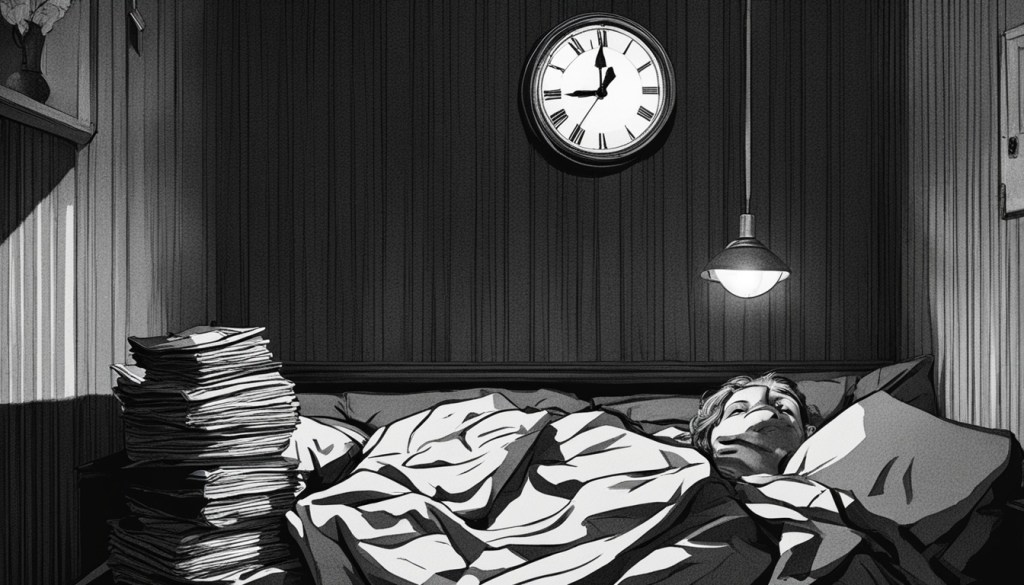
Chronic stress, lack of sleep, and an imbalanced work-life routine can affect your weight loss journey. Weight loss is not just about exercise and diet. Your lifestyle also plays a big part in reaching and keeping a healthy weight.
Lack of sleep can disrupt your body’s natural processes, leading to negative effects. It messes with hormone regulation, especially those that control appetite. This can make you crave more, eat too much, and struggle with weight management. To fight this, make sure to get enough sleep each night and stick to a regular sleep schedule.
High stress can also lead to weight gain and slow down your progress. Stress makes your body release cortisol, a hormone that can increase appetite and help store fat, especially around the belly. To fight this, try mindfulness, relaxation techniques, or talk to a therapist to manage stress and help your weight loss goals.
Too much work and poor work-life balance can lead to unhealthy habits. Long work hours mean less time for exercise and taking care of yourself. This sedentary life, combined with poor sleep and stress, can make losing weight harder.
To balance work and life, focus on self-care, set limits, and find ways to work smarter, not harder. Regular exercise and making time for hobbies and relaxation can reduce stress, improve sleep, and help with weight management.
It’s key to focus on enough sleep, managing stress, and balancing work and life for lasting weight loss. By working on these lifestyle factors along with diet and exercise, you can take a full approach to your health and set yourself up for long-term success.
You’re Depending Too Much on Supplements

If you’re trying to lose weight, looking for ways to help is natural. Some supplements can support your goals, but don’t rely on them too much. Remember, they should add to a healthy lifestyle, not take its place.
Thinking supplements are a quick fix can be misleading. Real weight loss takes a full approach, including healthy eating and exercise. See supplements as tools to help, not the main part of your plan.
Instead of just supplements, focus on eating well. Eat a mix of fruits, veggies, lean proteins, whole grains, and healthy fats. This kind of diet supports weight loss and gives you important nutrients for health.
Healthy eating also means eating mindfully, controlling portions, and avoiding processed foods and sugary drinks. Eating whole foods helps your body work better and helps you reach your weight loss goals.
Supplements should help a balanced lifestyle, not replace it. They have benefits, but they’re not a substitute for a diet full of nutrients.
For weight loss, a full plan is key. This includes a balanced diet, regular exercise, enough sleep, and managing stress. Focus on eating well and see supplements as extra help. Eating whole foods and living healthily leads to lasting weight loss and better health.
| Supplement | Benefit |
|---|---|
| Omega-3 fatty acids | Supports heart health and reduces inflammation |
| Protein powders | Aids in muscle recovery and supports satiety |
| Green tea extract | Promotes metabolism and supports fat burning |
| Probiotics | Improves gut health and digestion |
| Vitamin D | Supports bone health and immune function |
Focusing Only on the Scale
Trying to lose weight and improve your body composition often means watching the scale closely. But, focusing only on the scale can be misleading and discouraging. It’s better to look at other factors to track your progress well.
Scale weight shows the number you see when you step on a scale at home. It gives a basic idea of your weight, but it’s not the full picture. The number can change because of water retention, muscle gain, or the time of day you weigh yourself.
Body composition looks at the mix of fat, muscle, bone, and other body parts. It gives a fuller view of your physical changes and health. Even if the scale doesn’t change, you can still improve your body composition by losing fat and gaining muscle.
Instead of just watching the scale, use other ways to track your progress:
- Body measurements: Regularly measure your waist, hips, thighs, and other areas to see changes in size, which shows fat loss.
- Clothing fit: Notice how your clothes fit and feel. Losing fat and gaining muscle means your clothes might be looser or need a smaller size.
- Progress photos: Take pictures of yourself often to see how your body looks and changes over time.
Looking at these other measures helps you see progress beyond the scale. Remember, losing weight is complex and influenced by many things. Celebrate changes in body composition, even if the scale doesn’t show it right away.
| Scale Weight | Body Composition |
|---|---|
| Provides a general estimate of your weight | Takes into account the proportion of fat, muscle, bone, and other tissues in your body |
| Can be influenced by factors like water retention and muscle gain | Reflects changes in fat loss and muscle gain |
| May not accurately reflect progress or changes in body composition | Provides a more comprehensive view of your physical progress and overall health |
Eating Too Many or Too Few Calories

Finding the right balance of calories is key for losing weight. Eating too many or too few calories can slow down your progress. The main idea of losing weight is to have a calorie deficit. This means eating fewer calories than your body burns.
The Importance of Calorie Deficit
A calorie deficit happens when you eat less than your body uses up daily. This makes your body use stored energy, helping you lose weight. To get a calorie deficit, you can eat less or move more.
Managing your calorie intake means controlling your portions. It’s easy to think a meal has fewer calories if the portions are big. By controlling portions, you can still enjoy your favorite foods and stay within your calorie goals. Use measuring cups or a food scale to help you.
Calories needed vary by age, gender, height, weight, and activity level. Talking to a dietitian or using online tools can help figure out how many calories you need for your weight loss goals.
Listening to Your Body
Calorie deficit is key for losing weight, but listening to your body is also important. Ignoring hunger can lead to eating too much later. Eating when not hungry can result in extra calories.
Notice when you’re hungry and full. Eat when hungry and stop when you’re just satisfied, not stuffed. Mindful eating helps you have a better relationship with food and avoid extra calories.
Remember, losing weight is about making lasting changes. Sticking to portion control and finding the right calorie balance will help you reach and keep a healthy weight.
Not Exercising or Exercising Too Much

Finding the right balance with exercise is key for weight loss. Many people either don’t exercise or do too much, which can hurt their weight loss efforts.
Not exercising can cause muscle loss and slow down your metabolism. Without regular activity, your muscles may weaken. This can make your metabolism slower because muscles burn calories even when you’re not moving.
Exercising too much can also be bad. It’s good to challenge your body with regular activity, but too much can strain it and increase injury risk. It can also raise stress hormones, which can slow down your metabolism and make losing weight harder.
So, what’s the best way to exercise? Find a balance that suits you. Mix cardio, strength training, and flexibility exercises for fitness and weight loss. Listen to your body and rest when needed to avoid burnout and stay positive.
| Not Exercising | Exercising Too Much |
|---|---|
| Causes muscle loss and a decrease in metabolic rate | Puts a strain on the body and increases the risk of injury |
| Leads to a sedentary lifestyle and lack of physical fitness | Can lead to increased stress levels and hormonal imbalances |
| Does not promote weight loss and overall health | Might hinder weight loss progress and lead to burnout |
Exercise is vital for a healthy life, but don’t overdo it. Talk to a fitness expert to create a plan that fits your goals and abilities. With the right balance, you can enhance your weight loss and improve your health.
Not Lifting Weights

Adding resistance training to your workout is key for losing weight. Many focus only on cardio, missing out on resistance training’s benefits. Lifting weights boosts muscle mass, muscle strength, and your metabolism.
Resistance training uses weights like dumbbells or resistance bands. It makes your muscles grow and get stronger. This means you’ll have more muscle mass, which helps with weight loss.
Having more muscle is important. Muscles need more energy than fat, so more muscle means a faster metabolism. This is crucial as you get older, when muscle naturally decreases. Regular resistance training helps keep your metabolism high.
Also, resistance training helps burn fat. Weightlifting breaks down muscle fibers, which your body then repairs. This repair process uses energy, keeping you burning calories even after you stop working out.
If you only do cardio, you’re missing out on these benefits. Adding weightlifting to your routine can help you lose weight. It increases muscle mass, boosts metabolism, and helps burn fat.
It’s not necessary to lift heavy weights. Beginners should start with lighter weights and gradually increase them. If you’re new to lifting, a personal trainer can help with proper form and technique.
A good fitness plan should include cardio, resistance training, and flexibility exercises. This mix improves your health and well-being.
Conclusion
By using these weight loss tips and sticking to sustainable habits, you can beat common challenges and get lasting results. Stay away from quick fixes and extreme diets to keep your commitment strong. Having a supportive group around you gives the motivation and check you need on your weight loss path.
Success isn’t just about working out. Getting enough sleep, handling stress, and balancing work and life are key to staying healthy. Instead of just taking supplements, eat foods that are full of nutrients.
Focus more on feeling good overall, not just the number on the scale. Aim for a full lifestyle change that includes regular exercise, strength training, and building muscle. With these habits, you can start a healthier life that helps you lose weight for good.
FAQ
How can I achieve permanent weight loss?
Avoid these 6 bad habits and start making healthier choices. Eat well and exercise regularly for better results.
What is a short-term attitude in relation to weight loss?
It means focusing on quick weight loss without thinking about keeping it off. It’s better to break bad habits and choose lasting changes.
What is an all-or-nothing mindset when it comes to weight loss?
It’s when you try to lose weight with extreme diet and exercise plans. A balanced approach is better for keeping weight off long-term.
How does a poor support system affect weight loss?
Not having support from friends and family makes losing weight hard. Being around people who support you keeps you motivated and on track.
Can exercise alone lead to sustainable weight loss?
Exercise is great for health, but it’s not enough for weight loss alone. Eating well and exercising together is the best way to lose weight for good.
How do lack of sleep, high stress, and excessive work affect weight loss?
Stress, lack of sleep, and too much work can stop you from losing weight. Getting enough sleep, managing stress, and balancing work and life helps with weight loss.
Are supplements a reliable strategy for weight loss?
Some supplements can help with weight loss, but relying on them too much isn’t good. Focus on eating well and getting a balanced diet for lasting weight loss.
Is it important to focus on more than just the number on the scale?
Yes, focusing too much on the scale can be frustrating and misleading. Look at body measurements and how your clothes fit to see your progress.
What should I consider regarding calories for weight loss?
Getting the right number of calories is key for losing weight. Eating too much or too little can slow down your progress. Pay attention to how much you eat and listen to your body.
Is exercise necessary for weight loss?
Yes, exercise is crucial for losing weight. Not exercising can make you lose muscle and slow down your metabolism. But, too much exercise can be bad for your health.
Why is lifting weights beneficial for weight loss?
Lifting weights helps with weight loss. It builds muscle, boosts your metabolism, and helps you lose fat.
How can I create a successful long-term weight loss plan?
Avoid these 6 bad habits and make healthier choices. Eat well, exercise regularly, get enough sleep, and stay with a supportive group for lasting weight loss.
Source Links
- Avoid These 6 Habits to Lose Weight and Keep It Off – https://www.cnet.com/health/nutrition/avoid-these-6-habits-to-lose-weight-and-keep-it-off/
- 15 Common Mistakes When Trying to Lose Weight – https://www.healthline.com/nutrition/weight-loss-mistakes
- 6 Habits You Should Break If You’re Trying to Lose Weight – https://www.eatingwell.com/article/7835958/habits-you-should-break-if-you-re-trying-to-lose-weight/



 trim down and shape up
Leave a comment