



Our daily habits greatly affect our weight loss, especially when it comes to belly fat. Many times, belly fat builds up from bad habits we pick up without realizing it. By focusing on eating better and changing our lifestyle, we can break these bad habits. This article will show you the 10 worst habits that add to belly fat. It will also give you tips on how to stop these habits to help you lose weight.
Key Takeaways
- Recognizing bad habits is the first step to effective weight loss.
- Daily choices regarding food affect belly fat accumulation.
- Implementing healthy eating habits can lead to sustainable lifestyle changes.
- Specific habits can sabotage your efforts to reduce belly fat.
- Awareness of these habits helps inform healthier decisions.
- Make intentional choices each day to support your weight loss goals.
Distracted Eating and Its Impact on Belly Fat
Eating while watching TV or on your phone is called distracted eating. This habit can make it hard to know when you’re full, leading to eating too much. It’s key to understand how this affects belly fat for better health.
The Importance of Mindful Eating
Mindful eating means paying attention to your food’s flavors and textures. It makes eating more enjoyable and helps with weight control. By focusing on your eating, you notice when you’re hungry or full, avoiding the dangers of distracted eating. Mindful eating is a strong way to cut down on belly fat.
Studies on Distracted Eating
Research shows that distracted eaters often eat more calories, which adds to belly fat. It takes about 20 minutes for your brain to realize you’re full. Eating slowly and with focus can stop you from eating too much, helping to avoid belly fat. These studies highlight the need for mindfulness during meals for a healthier life.
Not Getting Enough Protein

A diet low in protein can slow down your metabolism and cause muscle loss. This makes it hard to lose belly fat. Protein is key for building and fixing tissues. Eating enough of it helps you feel full for longer.
The Role of Protein in Weight Management
Protein is vital for managing weight by making you feel full and cutting down on calories. If you don’t get enough protein, you might feel hungrier. This makes it tough to follow a healthy diet. Adding protein-rich foods helps keep your muscles strong while losing fat, especially around the belly.
Protein-Rich Snack Ideas
To avoid not getting enough protein, try adding healthy snacks full of this nutrient. Here are some great options:
- Greek yogurt
- Hard-boiled eggs
- String cheese
- Almonds and other nuts
- Edamame
These snacks are good for weight management and support healthy eating. They keep you energized all day.
Not Drinking Enough Water
Not drinking enough water can harm your health and cause dehydration. It’s important for a healthy diet and keeping your body working right.
Dehydration and Its Effects on Hunger
Feeling thirsty can feel like hunger. If you’re not drinking enough water, you might eat more than you need. This can lead to gaining weight. Drinking enough water helps stop these false hunger signals and supports healthy eating.
How Much Water Should You Drink?
Experts suggest drinking at least eight 8-ounce glasses of water daily. Your needs can change based on how active you are and where you live. Drinking enough water is crucial for managing weight and staying healthy.
Overconsuming Calories from Healthy Foods

Even healthy foods can lead to weight gain if eaten too much. Foods like nuts, avocados, and oily fish are full of nutrients but also have a lot of calories. If you don’t watch your portions, you might gain body fat. It’s important to control your portions to enjoy these foods without gaining weight.
Knowing how much to eat is key to healthy eating. Using smaller dishes and understanding serving sizes can help keep your calorie intake down. This can help you reduce belly fat.
Understanding Portion Control
Controlling how much you eat is crucial to avoid too many calories. Being aware of the amount you consume, especially with high-calorie foods, helps prevent overeating. Using smaller plates and measuring your food can help you eat a balanced diet.
Learning the right serving sizes for different foods can also help you reach your health goals.
High-Calorie Healthy Foods
Some healthy foods are packed with calories. While they’re good for you, eating too much can lead to weight gain. Here are some examples:
- Nuts: Almonds, walnuts, and cashews
- Avocados: High in healthy fats but calorie-dense
- Oily Fish: Salmon, mackerel, and sardines
- Nut Butters: Peanut and almond butter
Adding these foods to your diet can boost your nutrition. But remember, balance is important. Don’t overeat and still enjoy the health benefits these foods offer.
Skipping Meals: A Recipe for Belly Fat
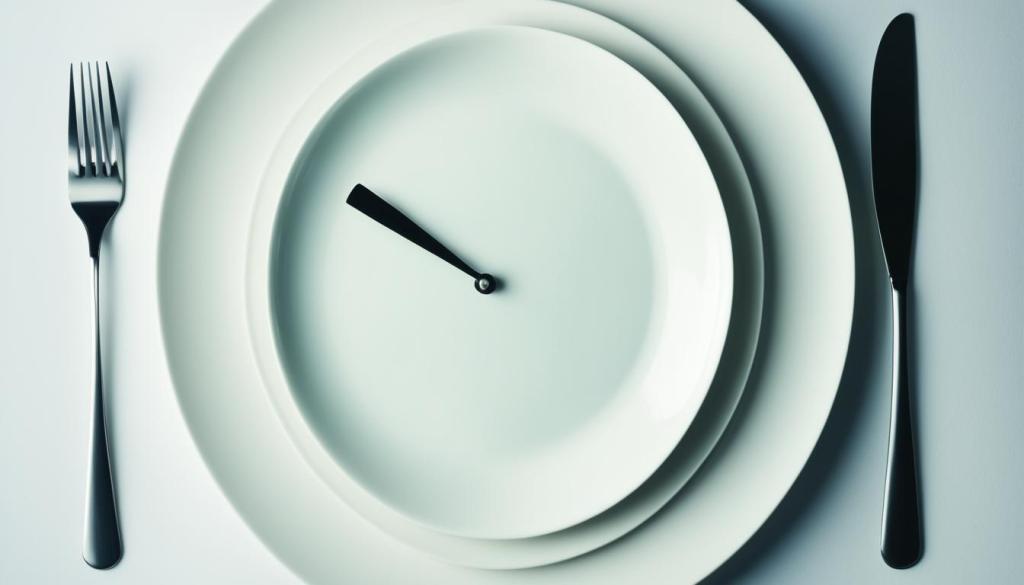
Skipping meals can really affect how your body handles weight and food. It changes how your metabolism and hunger hormones work. Let’s see how this leads to belly fat.
The Metabolic Effects of Skipping Meals
Skipping meals, like skipping breakfast, can slow down your metabolism. Your body starts to save energy instead of using it. This makes it harder to burn calories, which can lead to more belly fat. It’s important to eat regularly to keep your metabolism working right.
Understanding Hunger Hormones
When you skip meals, hunger hormones like ghrelin increase. These hormones tell your brain you need to eat, which can lead to eating too much later. This can throw off your calorie balance and add to belly fat. Eating regularly and balanced meals helps control these hormones. It keeps your appetite in check and helps with weight management.
Not Sleeping Enough: The Hidden Culprit

Getting enough quality sleep is key to staying healthy and keeping your weight in check. Not sleeping enough can mess with your hormones, leading to weight gain, especially around the belly.
How Sleep Affects Hormones
Sleep and hormones are closely linked. Not sleeping well can throw off the balance of hormones that control hunger and appetite. This means you might feel hungrier and want to eat more high-calorie foods.
On the flip side, not sleeping enough can lower the levels of leptin, the hormone that tells you when you’re full. This can lead to eating more than you should, making it harder to avoid gaining weight, especially around the belly.
Connection Between Sleep and Weight Gain
Not sleeping enough is directly linked to gaining weight. Studies show that those who don’t get enough sleep tend to eat more calories, which can lead to more belly fat. Poor sleep also affects how your body processes food and can make insulin less effective at controlling blood sugar levels.
Getting enough quality sleep is crucial for a healthy metabolism. It helps keep your hunger hormones balanced, making it easier to manage your weight and cut down on belly fat. Understanding how sleep affects your fitness goals shows why it’s key to a good weight management plan.
Drinking Too Much Alcohol

Drinking a lot of alcohol can harm your health, especially by causing weight gain and belly fat. Knowing how alcohol affects your diet can help you make better choices.
Alcohol and Empty Calories
Alcohol is high in calories but doesn’t give you much nutrition. These calories are often called empty calories. A single drink, like beer or a cocktail, can add hundreds of calories to your day without you noticing.
Drinking these empty calories regularly can lead to weight gain. If you often drink too much, it becomes a bad habit. Watching how much alcohol you drink can help control your calorie intake better.
The Relationship Between Alcohol and Belly Fat
Drinking too much alcohol doesn’t just add a few pounds; it targets belly fat. This fat, called visceral fat, is dangerous because it’s around vital organs and raises the risk of chronic diseases. Drinking a lot of alcohol makes it hard for your body to burn fat, so you end up storing more around your waist.
To stay healthy and avoid belly fat, watch how much alcohol you drink. Choose moderation to see better weight management, health, and well-being.
Not Paying Attention to N.E.A.T. (Non-Exercise Activity Thermogenesis)
N.E.A.T. stands for the calories burned through everyday actions, not just exercise. This includes standing, walking around, or even fidgeting. If you ignore these activities, you might burn fewer calories, which can lead to belly fat. By paying attention to non-exercise activity, you can make small changes to help with weight loss.

Understanding N.E.A.T. and Its Importance
N.E.A.T. is key to keeping a healthy weight, especially in today’s sedentary world. Every little movement helps burn calories. Adding more N.E.A.T. to your day can prevent weight gain and fight belly fat. By finding ways to be more active, you can naturally increase your metabolism.
Ways to Increase Your Daily Activity
There are many ways to boost your non-exercise activity. Choose the stairs over the elevator, walk during breaks, or aim for daily step goals with a pedometer. Even small changes like standing while working or enjoying active hobbies can increase your activity. By focusing on N.E.A.T., you’ll lead a more active life and help with weight loss, fighting belly fat without needing long workouts.
FAQ
What are the main habits that cause belly fat?
Eating while distracted, not getting enough protein, and not drinking enough water are big culprits. Also, eating too much from healthy foods, skipping meals, not sleeping well, and drinking too much alcohol matter. Not doing enough N.E.A.T. activities and not lifting weights also play a part.
How does distracted eating affect weight management?
Eating without paying attention can make you eat more than you need. Studies show that distracted eaters tend to eat more calories. This can lead to more belly fat.
Why is protein important in my diet?
Protein is key for managing weight because it helps build and repair tissues. It also keeps you feeling full longer. Getting enough protein boosts your metabolism and helps prevent losing muscle, which is important for losing belly fat.
What happens if I don’t drink enough water?
Not drinking enough water can make you feel hungry when you’re not really hungry. This can lead to eating more calories. Drinking enough water is important for controlling hunger and staying healthy.
Can I gain weight from healthy foods?
Yes, eating too much of even healthy foods can lead to weight gain. Foods like nuts, avocados, and oily fish are high in calories. It’s important to watch how much you eat to stay balanced.
What are the effects of skipping meals?
Skipping meals can slow down your metabolism and make you hungrier later. This can lead to eating more. Eating regularly helps keep your metabolism up and can help with weight management.
How does sleep affect belly fat?
Not sleeping well can mess with your hormones, making you hungrier and less full. This can lead to weight gain, especially around the belly.
What should I know about alcohol and weight gain?
Alcohol has a lot of empty calories and can disrupt your sleep. This can lead to weight gain and more belly fat. Drinking in moderation is important for managing your weight while still enjoying social events.
What is N.E.A.T., and why is it important?
N.E.A.T. means non-exercise activity thermogenesis, which is the energy you burn doing everyday activities. Doing more of these activities can help you burn more calories and support weight loss.
Source Links
- Worst Habits for Belly Fat – https://www.webmd.com/obesity/ss/slideshow-worst-habits-for-belly-fat
- The 10 Worst Habits for Belly Fat – https://www.eatthis.com/worst-habits-for-belly-fat/
- The worst habit for people with belly fat – https://www.vinmec.com/en/news/health-news/healthy-lifestyle/the-worst-habit-for-people-with-belly-fat/



 trim down and shape up
Leave a comment