


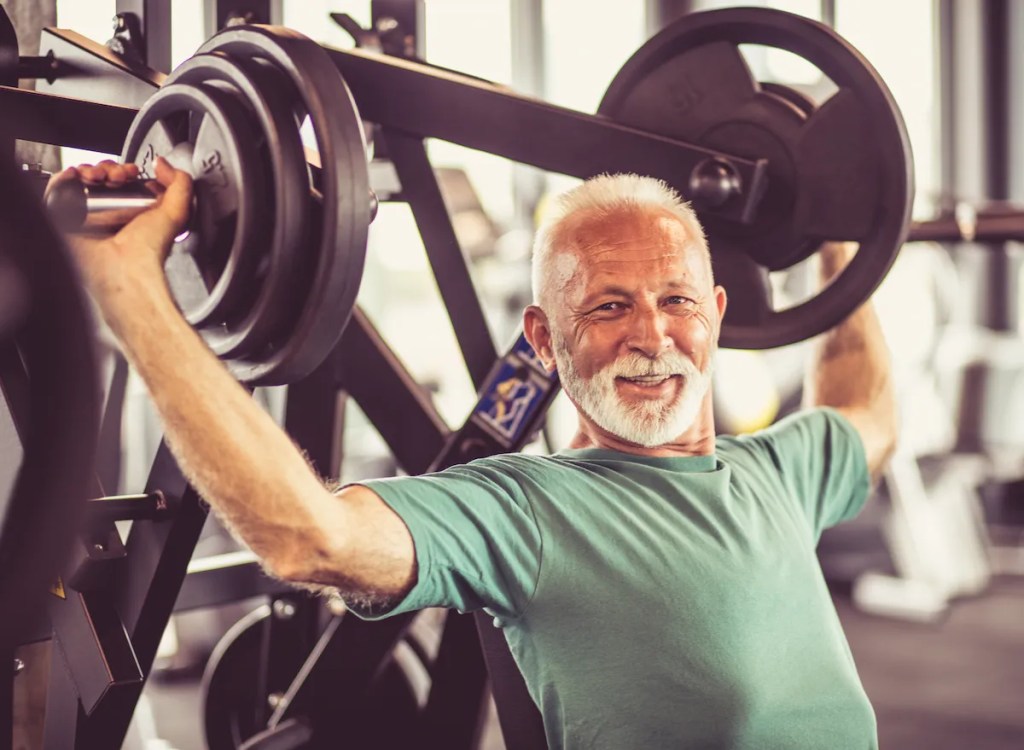
If you’re over 50, adding strength training to your fitness plan can change your life! Studies from the National Institute on Aging show many benefits for aging people. It keeps your muscles and bones strong, which is key for staying healthy and living longer.
This article will show you six ways strength training can slow aging, boost your health, and make life more exciting. Let’s dive into how it can make a big difference in your life.
Key Takeaways
- Strength training is essential for combating age-related decline in muscle mass.
- Regular exercise supports overall health and enhances quality of life.
- Strength training provides multiple benefits for older adults over 50.
- Improved mental health is a significant advantage of staying active.
- Understanding the relationship between strength training and healthy aging is crucial.
Understanding the Aging Process and Its Impact on Muscle Mass
The aging process changes how much muscle you have and how strong you are, especially as you get older. After you turn 30, you start losing muscle mass. This affects how well you can move and do things.
The Decline in Muscle Mass After Age 30
As you get older, losing muscle mass gets worse. Studies show that people lose about 3-8% of their muscle each decade after 30. By the time you’re over 50, you could lose up to 40% of your muscle mass. This loss affects how you look and makes everyday tasks harder.
What is Sarcopenia?
Sarcopenia is when you lose muscle mass, strength, and function as you age. It’s a big concern for people over 50 because it can make moving around harder and increase the chance of falling and breaking bones. It’s important to spot the signs of sarcopenia early to help manage it and age better.
Benefits of Strength Training for Older Adults
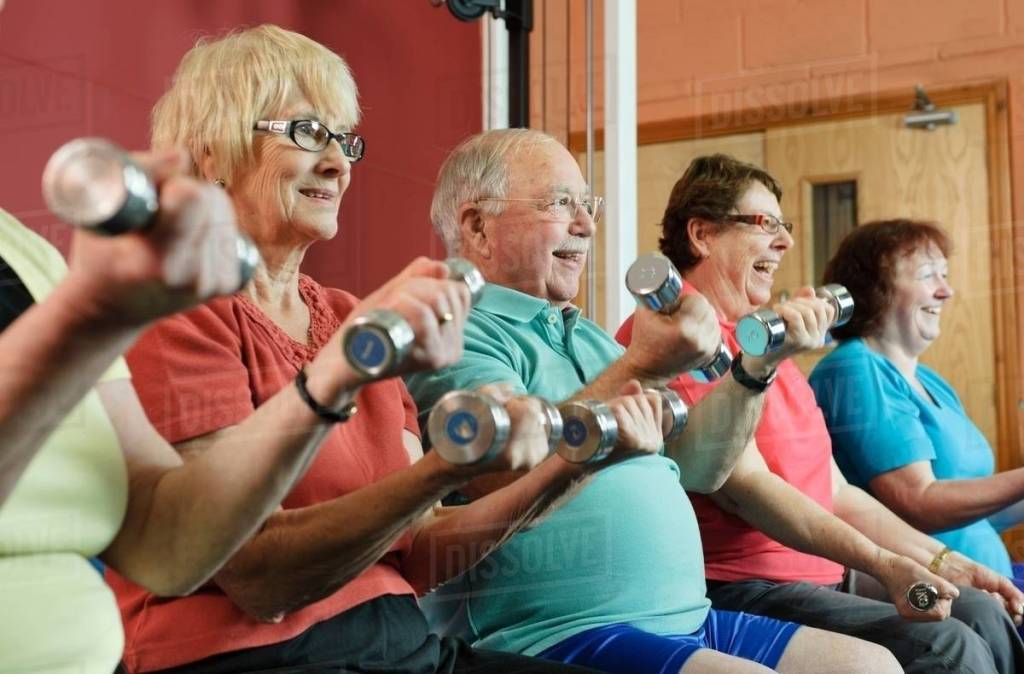
Strength training is great for older adults. It boosts health and fitness. It makes you stronger and helps with important body functions as you get older.
How Strength Training Helps Build Lean Muscle Mass
Strength training is key for older adults to build lean muscle. Just a few sessions can increase muscle mass and strength. Using weights or resistance bands makes muscles adapt by creating new fibers.
This is important for older adults because losing muscle is common with age.
Improving Bone Density Through Resistance Training
Strength training does more than build muscle. It also makes bones stronger. When you do resistance exercises, your bones get stressed. This makes them produce more cells that form bone.
This is great for bone health, especially if you’re over 50. Regular strength training can make bones denser and less likely to break.
| Benefit | Description |
|---|---|
| Build Lean Muscle Mass | Strength training stimulates muscle fiber growth, enhancing strength. |
| Improves Bone Density | Resistance exercises promote bone strength, lowering osteoporosis risk. |
| Enhances Balance and Coordination | Improved strength supports stability, reducing fall risk. |
| Boosts Metabolism | More muscle mass increases your resting metabolic rate, aiding weight management. |
Strength Training Over 50 Years Old: A Key to Lowering Injury Risk
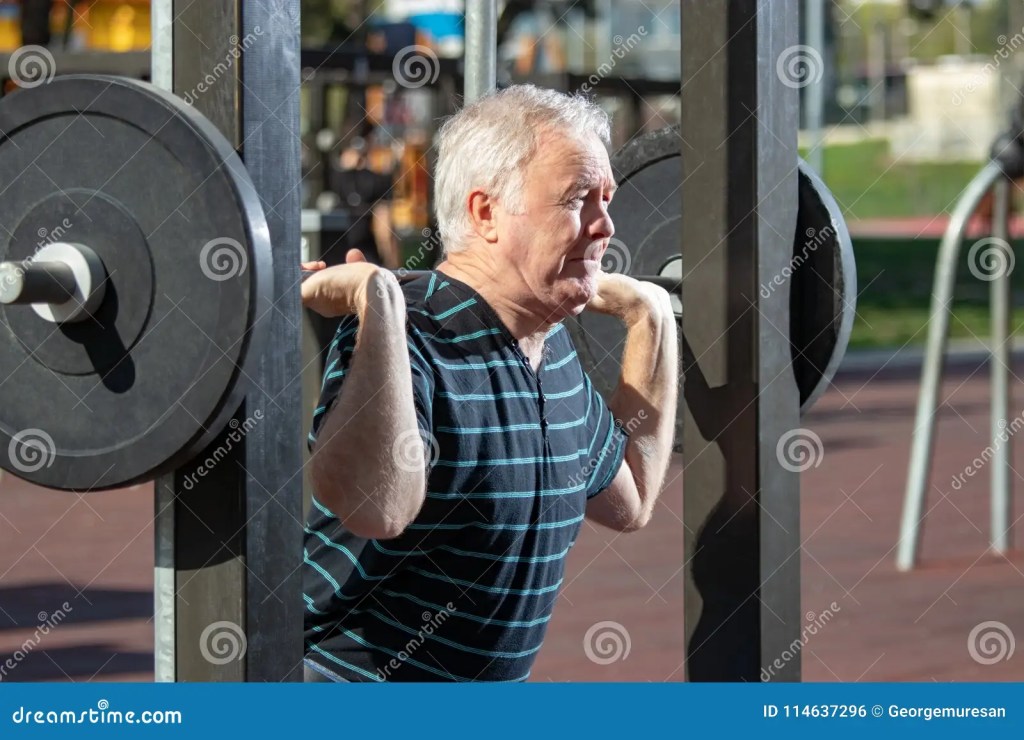
Adding strength training to your routine after 50 helps lower injury risk. It makes your muscles stronger and improves joint health. This is key as joints can become more prone to problems with age. A regular strength training routine for seniors brings many benefits and improves life quality.
How Strengthens Muscles Support Joint Health
Strength training makes the muscles around your joints stronger. This support keeps your joints working well. It leads to less pain and fewer joint injuries.
By focusing on strengthening exercises, you help stabilize your joints. This makes everyday tasks easier and less painful.
The Importance of Balance and Coordination
As you get older, balance and coordination can drop. This raises the risk of falls and injuries. A strength training routine for seniors, especially one with functional movements, is key to improving balance and coordination.
This type of training boosts your proprioception. This lets you handle daily tasks with more confidence. Exercises that challenge your balance keep you agile and lower the chance of falls.
| Benefit | Description |
|---|---|
| Lower Injury Risk | Enhanced muscle strength protects against injuries, providing better support for joints. |
| Support Joint Health | Strong muscles around joints decrease pain and promote function. |
| Improved Balance | Effective strength training enhances stability and reduces fall risks. |
| Enhanced Coordination | Exercises boost coordination and help maintain agility for daily activities. |
Enhancing Metabolism with Regular Strength Training

Keeping your metabolism in check is key to good health, especially as you get older. Strength training for older adults does more than just build muscle. It also boosts your metabolism a lot. Let’s see why muscle is important and how you can add strength training to your daily life.
Why Muscle Mass Boosts Your Metabolism
Muscle tissue burns more calories than fat, even when you’re not moving. By building muscle through strength training, you increase your calorie burn at rest. This is key for managing weight and boosting energy levels.
Strategies to Incorporate into Your Routine
Adding strength training is easy and can fit into your life. Here are some easy steps to start:
- Start Slow: Begin with two to three sessions per week, focusing on major muscle groups.
- Use Resistance Bands: These are versatile and can be adjusted to your fitness level, making them perfect for home workouts.
- Incorporate Dumbbells: Lightweight dumbbells can be introduced gradually, allowing you to work on strength without feeling overwhelmed.
- Body-Weight Exercises: Incorporate movements such as squats, lunges, and push-ups to enhance your strength without extra equipment.
- Join a Class: Look for local strength training classes tailored for older adults to provide motivation and support.
Adding strength training to your weekly routine can really help your metabolism. It brings great health benefits as you age.
Improving Mental Health with Strength Training
Strength training is great for older adults’ mental health. It makes you stronger physically and mentally. Lifting weights boosts your mood, thinking skills, and emotional health.
Psychological Benefits of Staying Physically Active
Strength training is key for better mental health in older adults. It makes you feel good about yourself and helps you see life positively. Working out with others creates a supportive community, reducing loneliness.
Reducing Anxiety and Depression Symptoms
Strength training helps lower anxiety and depression in older adults. It combines exercise with endorphins to reduce stress. By taking care of yourself through strength training, you fight off emotional challenges of aging. This approach improves your mental health and enhances your life quality.
Fighting Obesity and Disease Through Strength Training
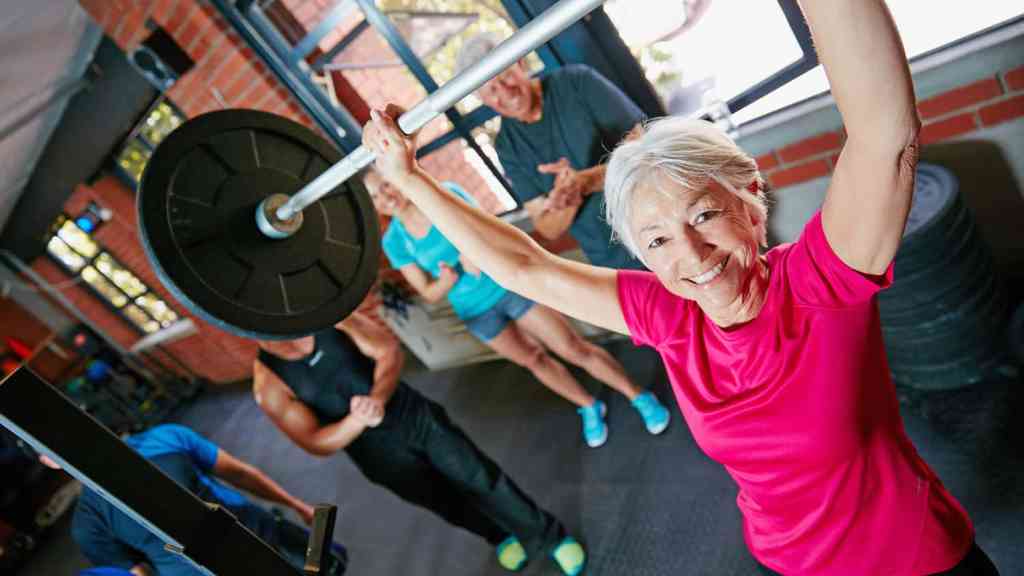
Strength training for those over 50 is key in fighting obesity and chronic conditions. It helps manage weight and boosts overall health. Studies show that regular weightlifting lowers obesity rates in older people. It’s a powerful tool against disease and improves health.
Lowering the Risk of Chronic Conditions
Doing strength training often can cut the risk of chronic conditions. These include diabetes, heart disease, and high blood pressure. As muscles grow, your body gets better at using glucose, which helps prevent insulin resistance. This lowers the risk of serious health problems.
How Weightlifting Mitigates Obesity Risks
Weightlifting builds muscle and helps with weight control. For those fighting obesity, adding strength training to your routine can be very effective. Gaining muscle increases calorie burn, which helps lower obesity levels. This change improves life quality as you get older.
| Chronic Condition | Effect of Strength Training | Mechanism |
|---|---|---|
| Diabetes | Lowers blood sugar levels | Increased muscle mass improves glucose metabolism |
| Heart Disease | Reduces blood pressure | Muscle strength support healthier cardiovascular system |
| Obesity | Promotes weight loss | Enhanced metabolism leads to increased calorie burning |
Creating the Best Strength Training For Over 50 Program

Creating the best strength training for over 50 means knowing what makes it safe and effective. Focus on exercises that work out big muscle groups. Use different types of resistance and aim for functional strength. A good strength training plan for seniors boosts health and fitness greatly.
Key Components of an Effective Strength Training Routine
- Exercise Variety: Mix up exercises to challenge various muscle groups.
- Progressive Overload: Slowly add more weight or resistance to build strength.
- Rest and Recovery: Make sure to rest enough between workouts to avoid getting hurt.
- Proper Technique: Keep your form right to prevent injury and get better results.
- Functional Movements: Do exercises that are like everyday activities to improve your life quality.
Recommended Exercises for Older Adults
Try these exercises to make your strength training better:
- Squats: Strengthen your lower body and improve balance.
- Push-Ups: Work your upper body and core muscles.
- Resistance Band Exercises: These offer adjustable resistance for everyone.
- Balance Exercises: Help improve coordination and reduce the risk of falling with balance challenges.
Challenges of Strength Training in Older Age
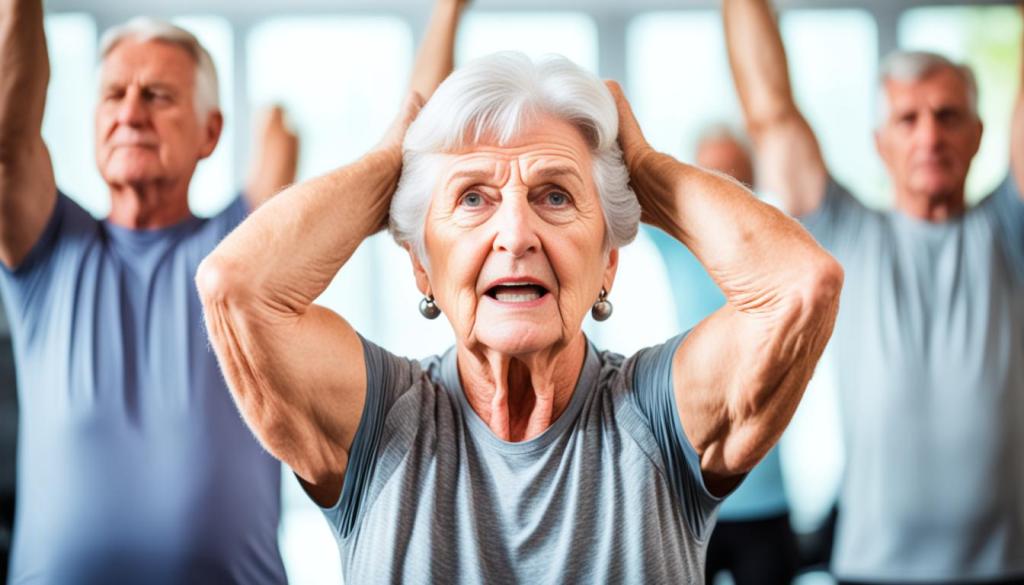
Strength training can greatly improve health as you get older. But, older adults face many challenges. It’s key to work on mobility and flexibility to make a good training plan. Many find barriers that stop them from training often.
Addressing Mobility and Flexibility Issues
Older adults often struggle with mobility and flexibility in strength training. Joints can get stiffer, making it hard to move and perform well. Adding stretching and mobility exercises is crucial to improve flexibility.
These exercises help with smoother movements and lower injury risk during training.
Common Barriers to Regular Training
Many things can stop older adults from staying active. Not having access to places to work out is a big problem. Some feel uneasy in gyms or worry about getting hurt.
Not knowing how to start strength training can also hold people back. To get past these hurdles, think about personal training or joining groups for senior fitness. Getting the right support can help create programs that fit your needs.
| Challenges | Details |
|---|---|
| Mobility Issues | Difficulty in performing exercises due to limited joint movement. |
| Flexibility Issues | Stiffness can hinder effective execution of strength training routines. |
| Lack of Access | Inconvenient facilities or programs not designed for older individuals. |
| Fear of Injury | Concerns about sustaining injuries during workouts inhibit participation. |
| Uncertainty | Not knowing how to start can prevent engagement with strength training. |
Conclusion
Strength training over 50 does more than make you look good; it boosts your mental and physical health. It slows down aging, increases your life span, and makes life better. By focusing on your needs, you can make exercise a key part of your life.
This type of training helps build muscle and lowers the risk of diseases and obesity. It’s key to staying healthy as you age. As you keep up with it, you’ll feel more energetic and confident. This can change how you see aging.
Committing to strength training is a big step for your health. It opens the door to a more lively and fulfilling life in your later years. It changes how you view aging.
Strength training is a powerful way to fight aging. By making it a priority, you can look forward to a healthier, more vibrant future. Every step you take can be filled with energy and resilience.
FAQ
What are the benefits of strength training for older adults?
Strength training builds lean muscle mass and improves bone density. It lowers the risk of injury and boosts metabolism. It also enhances mental health and helps with balance, coordination, and mobility.
How often should I engage in strength training if I’m over 50?
Aim to do strength training three times a week. Focus on major muscle groups and use proper form.
What types of exercises are best for seniors?
Good exercises for older adults include squats, push-ups, and resistance band exercises. Stability exercises also help improve balance and functional strength.
Can strength training help with obesity and related diseases?
Yes, regular strength training can reduce the risk of diabetes and heart disease. It encourages muscle growth and improves glucose metabolism.
How does strength training improve mental health in older adults?
Strength training can improve mood and reduce anxiety and depression. It also enhances cognitive function.
What should I consider if I have mobility or flexibility issues?
Modify exercises to fit your abilities and seek advice from fitness experts or support groups. This will help you overcome mobility and flexibility challenges.
What challenges might I face when starting a strength training program?
You might worry about getting hurt, lack access to places to work out, or be unsure about exercises. Overcoming these hurdles can help you start a successful strength training routine.
Is it necessary to use weights for strength training?
No, you can use resistance bands, your own body weight, or light weights for strength training. This makes it easy for everyone to start.
How does strength training impact bone health?
It makes bones stronger by putting stress on them. This stimulates the production of cells that build bone, helping to prevent osteoporosis.
What should I focus on when creating a strength training routine for older adults?
Your routine should focus on major muscle groups and promote functional strength. Include different types of resistance and aim for 20-30 minutes per session.
Source Links
- How can strength training build healthier bodies as we age? – https://www.nia.nih.gov/news/how-can-strength-training-build-healthier-bodies-we-age
- 6 Ways To Reverse The Aging Process with Exercise | DrJohnRusin.com – https://drjohnrusin.com/6-ways-to-reverse-the-aging-process-with-exercise/
- Resistance and Mobility Training are Key for Healthy Aging – https://www.healthline.com/health/fitness/healthy-aging-guide-to-strength-training



 trim down and shape up
Leave a comment