



About 5.8 million people in the U.S. live with Alzheimer’s disease and related dementias. Seeing a loved one forget things can be very hard. But, it’s important to know that not all memory loss means they have dementia.
A big factor that can make someone seem like they have dementia is a lack of vitamin B12. Doctors say that not having enough vitamin B12 can hurt thinking skills. This article will look at how not having enough B12 can affect the brain and how getting enough can help.
Key Takeaways
- Vitamin B12 deficiency can mimic symptoms of dementia.
- Memory loss may not always indicate cognitive decline due to Alzheimer’s disease.
- Understanding the role of vitamin B12 in brain health is crucial.
- Regular monitoring of vitamin levels can help identify deficiencies early.
- Consulting with healthcare providers is essential for proper diagnosis.
Understanding Vitamin B12 Deficiency
Knowing about vitamin B12 is key for good health, especially for your brain. This vitamin, also called cobalamin, is vital for many body functions. It’s a water-soluble vitamin found mainly in animal foods like meat, dairy, and eggs. Vitamin B12 helps make red blood cells and keeps the nervous system healthy.
What is Vitamin B12?
Vitamin B12 is crucial for your body’s biochemical processes. It helps make DNA and keeps nerve cells working right. It also helps protect nerve cells by maintaining the myelin sheath. Without enough B12, you could face serious problems with your nerves and brain.
Importance of Vitamin B12 for Brain Health
Vitamin B12 is super important for your brain health. It keeps your thinking and emotions in check. Not having enough B12 can lead to memory loss and poor mental function. Keeping B12 levels up is key to keeping your mind sharp as you get older.
Symptoms of Vitamin B12 Deficiency

It’s key to know the signs of vitamin B12 deficiency to catch it early. This can prevent serious health problems. Look out for different signs that show your body needs this important nutrient.
Common Symptoms to Watch For
There are many ways vitamin B12 deficiency can show up. You might notice:
- Lack of energy that makes you feel very tired and weak.
- Mental fatigue and trouble focusing, which can lower your productivity.
- Physical symptoms such as nausea, which could turn into vomiting.
- Gastrointestinal problems like diarrhea.
- Unexplained weight loss over a short time.
These symptoms often mix physical and mental effects. It’s important to pay attention to how you feel overall.
How Fatigue Ties into Memory Issues
A big sign of vitamin B12 deficiency is feeling mentally tired. This can hurt your thinking skills, causing memory problems and trouble concentrating. Being always tired can make it hard to focus and remember things. This shows why keeping enough vitamin B12 is key for your brain to work right.
Vitamin Deficiency, Dementia, Alzheimer’s: What You Need to Know

It’s important to understand how vitamin deficiency affects our brains. Vitamin B12 deficiency can make us forget things and think less clearly. This can be confused with dementia, making it hard to know what’s really going on.
How B12 Deficiency Can Mimic Dementia Symptoms
Not having enough vitamin B12 can cause confusion and mood swings. These signs can look like the start of dementia. But, fixing these vitamin issues can help improve how we feel and think.
The Link Between Cognitive Decline and Nutritional Deficiencies
Some studies show that not getting enough nutrients can hurt our brain power as we age. Not having enough vitamin B12 can make memory loss worse. Eating right is key to keeping our brains sharp. Finding and fixing nutritional gaps can help improve our mental health.
The Causes of Vitamin B12 Deficiency

It’s important to know why people might not get enough vitamin B12. This can happen due to diet or certain medicines.
Dietary Factors and the Vegan Diet
Following a vegan diet is a big reason for vitamin B12 deficiency. Vegans don’t eat animal products, which are the main sources of B12. They need to watch their intake from fortified foods or supplements to avoid getting too little B12.
The Impact of Medications, such as Metformin
Using the diabetes drug metformin can also lead to a B12 deficiency. This medicine can make it harder for the body to absorb B12. So, people taking metformin should keep an eye on their B12 levels and talk to their doctors if they’re worried.
| Factor | Description |
|---|---|
| Dietary Restrictions | Following a vegan diet can make getting enough B12 hard. |
| Medications | Metformin can make it tough to absorb B12, raising the risk of deficiency. |
| Health Conditions | Some health issues, like pernicious anemia, can also affect B12 absorption. |
| Age-related Changes | As people get older, they might not absorb B12 as well, making them more prone to deficiency. |
How to Tell a Vitamin B12 Deficiency from Dementia Symptoms

It’s important to know the difference between vitamin B12 deficiency and dementia symptoms. Both can affect your thinking skills, but they show up in different ways. Knowing how to spot these differences is key to getting the right treatment.
Differences in Symptoms and Onset
The way symptoms start is a big clue in telling these two apart. Vitamin B12 deficiency can cause quick thinking problems. Dementia, on the other hand, takes a long time to show up. B12 deficiency also brings other symptoms like:
- Memory lapses that can occur suddenly
- Physical symptoms such as weakness or fatigue
- Changes in mood or irritability
Dementia, however, makes memory loss and daily tasks harder over years. Knowing these differences in symptoms helps you talk to doctors about what you might need.
Asking the Right Questions During Evaluations
When you see a doctor, asking the right questions can help clear things up. You might want to talk about:
- Your eating habits and how much vitamin B12 you get
- Any medicines you take that could affect B12 levels
- When and how your thinking skills have changed
These questions help doctors figure out if you might have a B12 deficiency or dementia. Understanding your situation helps doctors make a correct diagnosis.
| Condition | Onset | Common Symptoms |
|---|---|---|
| Vitamin B12 Deficiency | Rapid | Memory lapses, weakness, mood changes |
| Dementia | Gradual | Persistent memory loss, confusion, language problems |
Routine Lab Monitoring for B12 at Well Checks

Checking your B12 levels regularly is key to staying healthy. Lab tests are crucial for spotting vitamin B12 shortages early on, especially as you get older. They help catch issues before you start to feel the effects.
Importance of Regular Lab Tests
Regular lab tests are vital for catching vitamin B12 shortages early. They keep an eye on your vitamin levels, helping you act fast if they drop. Without these tests, you might not know you’re lacking B12 until it’s too late.
When Should You Get Tested?
What you eat and your health can tell you when to test for B12. Adults should get tested every year as part of their health check-ups. If you’re feeling tired or having trouble remembering things, get a B12 test right away. Catching a deficiency early can really help your brain and overall health.
| Factors | Testing Frequency | Symptoms to Watch For |
|---|---|---|
| Age 50+ | Annually | Fatigue, Memory Issues |
| Vegetarian or Vegan Diet | Every 6-12 months | Weakness, Cognitive Decline |
| Chronic Health Conditions | As recommended by a physician | Any new or worsening symptoms |
How Vitamin B12 Deficiency is Detected
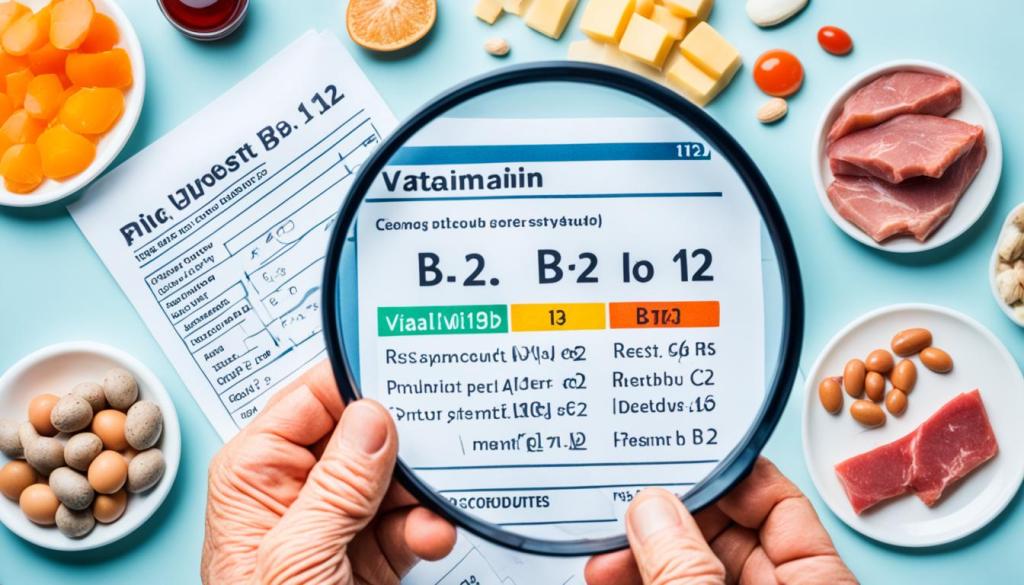
Testing for vitamin B12 deficiency starts with blood tests. These tests check your vitamin B12 levels. They also look at methylmalonic acid (MMA) and homocysteine levels to spot metabolic issues.
Common Tests for Detection
Healthcare providers use these tests to check vitamin B12 levels:
- Serum B12 Test: This measures the vitamin B12 in your blood.
- Methylmalonic Acid (MMA) Test: It looks at byproducts in your blood that show a deficiency.
- Homocysteine Test: This checks homocysteine levels, which can go up if you lack B12.
Understanding Your Test Results
It’s key to understand your test results to spot a vitamin B12 deficiency. Even normal serum B12 levels might not mean you’re healthy. Talking with your healthcare provider helps you understand your results and what to do next.
What to Do If a Loved One Has Dementia-like Symptoms

If you notice a loved one showing signs of dementia, act fast. It’s key to assess their symptoms carefully. By paying attention to their behaviors and changes, you can help doctors understand their condition better.
Assessing Symptoms and Seeking Medical Advice
Start by writing down the symptoms you’ve noticed. Include changes in memory, behavior, and how they affect daily life. This info is crucial when talking to doctors.
Don’t wait to get medical advice. Quick tests and evaluations are needed to find treatable issues, like vitamin B12 deficiency. Knowing what to do helps doctors make the right choices.
Navigating Dementia and Vitamin Deficiency Treatment Options
Working with doctors is key to finding the right treatment. They’ll look at both cognitive decline and nutritional issues. Options might include supplements, changes in lifestyle, and therapies for the mind.
Being active in the assessment and treatment is crucial. This way, you can help your loved one get the best care possible through their health challenges.
| Symptom | Potential Cause | Next Steps |
|---|---|---|
| Memory Loss | Dementia, Vitamin B12 Deficiency | Document occurrences; seek medical evaluation |
| Behavior Changes | Dementia, Stress, Nutritional Deficiency | Observe patterns; consult healthcare providers |
| Difficulty with Daily Tasks | Dementia, Other Cognitive Disorders | Assess functionality; schedule medical assessment |
Prevention of Vitamin B12 Deficiency
It’s key to know how to prevent vitamin B12 deficiency for good health, especially for your brain. Eating foods rich in vitamin B12 is a great way to start. This helps avoid a deficiency.
Recommended Dietary Sources of B12
Adding foods full of vitamin B12 to your meals is important. Great options include:
- Meat, such as beef and poultry
- Fish, particularly salmon and tuna
- Dairy products like milk, cheese, and yogurt
- Eggs
- Fortified foods, including cereals and plant-based milk alternatives
Importance of Supplements for At-risk Populations
For those at a higher risk of not getting enough vitamin B12, supplements are crucial. This includes vegetarians, vegans, and people over 50. Supplements can fill the gap, helping with brain health and overall wellness.
Potential Treatments for Vitamin B12 Deficiency

Treating vitamin B12 deficiency often means taking a two-step approach. You might need immediate and long-term strategies. Your doctor will create a plan that fits your specific needs based on how severe the deficiency is.
Overview of B12 Injections and Supplements
B12 injections are a key treatment for severe vitamin B12 deficiency. They put the vitamin directly into your bloodstream, helping you get better faster. For mild deficiencies, oral supplements might be used instead.
Using supplements regularly helps keep your B12 levels up. It also means making changes to your lifestyle to help your body get the most out of the supplements.
Addressing Underlying Causes
It’s important to find and fix the root causes of vitamin B12 deficiency for lasting health. Issues like pernicious anemia or stomach problems need to be looked at and treated. Some medicines can also affect how well your body absorbs B12, so your doctor should know about them.
Working on these issues helps not just fix your vitamin levels. It also helps keep you healthy long-term, beyond just treating the symptoms.
Research Insights on Vitamin Deficiency and Cognitive Health
Recent studies show a strong link between vitamin deficiency and brain health. They found that not having enough vitamin B12 is linked to memory loss and other brain issues. These findings help doctors create better treatment plans.
Key Findings from Recent Studies
People with vitamin deficiencies are more likely to have memory problems. At big conferences, studies showed that nutrition plays a big role in brain health. Many patients at memory clinics lack the right nutrients, showing we need to check their diets more closely.
How Research Influences Treatment Approaches
These studies change how doctors treat patients. By checking for nutritional needs, doctors can spot vitamin shortages and treat them. This way, they help patients’ brains work better by focusing on nutrition and mental health together.
| Study | Key Finding | Implication |
|---|---|---|
| Alzheimer’s Association International Conference 2023 | High prevalence of vitamin deficiencies among memory clinic patients | Increased focus on nutritional assessments |
| Journal of Nutritional Neuroscience | Link between B12 deficiency and memory loss | Potential for dietary interventions in treatment plans |
| Neurobiology of Aging | Nutritional status impacts cognitive function | Emphasis on comprehensive health evaluations |
Conclusion
Vitamin B12 plays a big role in keeping our brains healthy. It helps prevent symptoms that look like dementia or Alzheimer’s. Knowing how vitamin B12 affects the brain lets us take steps to protect our health or the health of our loved ones.
Learning about vitamin deficiency helps us understand the risks of losing brain function. It also helps us make better food choices and consider supplements if needed. Regular health check-ups and monitoring can help fight off health issues linked to not getting enough nutrients.
Being aware of our nutritional health is key when dealing with brain health concerns. Eating foods rich in vitamins, especially if you’re at risk, can help prevent dementia or Alzheimer’s symptoms. Making smart health choices can improve how well our brains work and make our lives better.
FAQ
What is Vitamin B12?
Vitamin B12, also known as cobalamin, is a water-soluble vitamin. It’s key for brain function and making red blood cells. You can get it from animal-based foods like meat, dairy, and eggs.
What are the symptoms of Vitamin B12 deficiency?
Signs of Vitamin B12 deficiency include feeling tired, weak, and mentally slow. You might also have nausea, vomiting, diarrhea, lose your appetite, lose weight, and have trouble with your nerves.
How can Vitamin B12 deficiency mimic dementia symptoms?
Vitamin B12 deficiency can cause memory loss and thinking problems. These are similar to dementia symptoms, like Alzheimer’s disease. It’s important to know the difference for the right diagnosis and treatment.
What causes Vitamin B12 deficiency?
Vitamin B12 deficiency can come from eating less meat, taking certain medicines, having stomach problems, pernicious anemia, or issues with absorbing nutrients as you get older.
How can I tell if my loved one’s symptoms are due to Vitamin B12 deficiency or dementia?
To tell if symptoms are from Vitamin B12 deficiency or dementia, look for signs that come on quickly. Talk to a doctor about your loved one’s diet and medicines to get help.
How is Vitamin B12 deficiency detected?
Doctors check for Vitamin B12 deficiency with blood tests. They look at B12 levels, MMA, and homocysteine to see how the body is using it.
What should I do if a loved one exhibits dementia-like symptoms?
If your loved one shows signs like dementia, get them to a doctor. Write down the symptoms to help the doctor figure out what’s causing them. This could be something like Vitamin B12 deficiency.
How can I prevent Vitamin B12 deficiency?
To prevent Vitamin B12 deficiency, eat foods with B12 like meat, dairy, and fortified cereals. If you’re vegan or over 50, you might need supplements.
What are the treatment options for Vitamin B12 deficiency?
Treatment for Vitamin B12 deficiency means eating more foods with B12 or taking supplements. Some people need injections to get their levels back up quickly.
What is the importance of recent research on Vitamin B12 and cognitive health?
New studies show how Vitamin B12 affects brain health. They highlight the need to check nutrition when looking into cognitive issues like dementia. This helps doctors make better treatment plans.
Source Links
- Vitamin Deficiency and Its Impact on Brain Health – http://www.adrc.wisc.edu/dementia-matters/vitamin-deficiency-and-its-impact-brain-health
- This vitamin deficiency can cause forgetfulness and mimic symptoms of dementia—but it’s reversible. Doctors explain the signs to look for – https://finance.yahoo.com/news/vitamin-deficiency-cause-forgetfulness-mimic-003200981.html
- What’s Causing Your Memory Loss? – HelpGuide.org – https://www.helpguide.org/harvard/whats-causing-your-memory-loss.htm



 trim down and shape up
Leave a comment