


Heart disease is a big health issue in the U.S., causing one in five deaths. You might think you’re ready for your cardiologist visit, but some mistakes can mess up your health check. Trying to look good for your doctor or lying about your habits can change the results of your health check.
It’s important to be honest about your health to get the right treatment. Cardiologists say being open is key to talking about your heart health. This honesty helps in making a plan to prevent future problems.
Key Takeaways
- Heart disease is a major health risk in the U.S.
- Common health check-up mistakes can jeopardize accurate assessments.
- Honesty on health assessments is crucial for effective diagnosis.
- Being authentic during your checkup supports better health outcomes.
- Consider the long-term health impacts of withholding information.
Understanding the Importance of Regular Checkups
Regular health checkups are key to your overall health, especially for your heart. They let doctors check for problems early. Heart disease is a big worry in the U.S., so knowing how checkups help is crucial.
Early spotting of risks like high blood pressure and high cholesterol helps in managing them better. By valuing regular checkups, you get timely help that could save your life. Not going to these appointments or not telling your doctor everything can miss chances for prevention and care.
So, going to regular checkups and being open about your health can really make a difference in your heart health and how long you live. Don’t overlook the strength of regular doctor visits and talking openly with your healthcare team.
Trying to “Look Good” for Your Doctor

When you go to see your cardiologist, you might want to look good. This can make you hide unhealthy habits or brag about the good ones. But, this can mess up the doctor-patient relationship and lower the quality of care you get.
Lying About Your Lifestyle Choices
Many people lie about their lifestyle to their doctors. They might hide about their diet, exercise, or smoking. But, these lies can stop you from getting the right treatment.
Your doctor needs the truth to help you. Telling them about bad eating or sitting too much is important. It helps them make a plan that’s right for you.
The Impact of Honesty on Health Assessments
Telling the truth about your health is key to finding risks. Being honest lets your doctor see problems they might not see otherwise. This helps them give you better advice and strategies for your heart health.
Talking openly with your doctor is good for you. It shows you care about being healthy. This can lead to better health outcomes.
Physicians Are Not Mind Readers
It’s key to know that doctors can’t read minds for good health care. Talking with your cardiologist can make your checkup better. If you don’t talk, important health info might not be shared, leading to wrong diagnoses or missing problems.
The Importance of Open Communication
Good communication is key to a strong doctor-patient relationship. It helps in making accurate diagnoses and finding the right health solutions. By talking with your doctor, they can understand your health better. This means they know about your health concerns, symptoms, and overall well-being.
Personal Health History and Your Checkup
Your health history is crucial during checkups. By sharing all your medical info, you help your cardiologist spot risks to your heart health. This is important for making a care plan that meets your health needs and goals.
Bringing Google into the Mix

Many people look to the internet for health answers when they’re unsure. This search for information can be helpful. But, using Google often leads to self-diagnosing, which might not be accurate.
Self-Diagnosing: A Double-Edged Sword
Researching your symptoms online can make you feel in control. But, it can also be a big mistake. Self-diagnosing often oversimplifies complex health issues.
You might ignore serious symptoms, thinking they’re minor. This is because some online info is wrong.
How Misinformation Can Affect Your Health
There’s a lot of wrong information online about health topics. Many websites don’t give the full story. This can make you see things differently than they really are.
When you talk to your cardiologist, using wrong info can make things harder. It can lead to bad treatment plans.
To talk better with your healthcare provider, be careful with your research. Use trusted sources to ask smart questions. This way, you can get the right care for your health.
| Self-Diagnosing Risks | Effects on Health |
|---|---|
| Oversimplification of Conditions | Delayed treatment for serious issues |
| Ignoring Symptoms | Worsening of health conditions |
| Reliance on Misinformation | Inaccurate self-assessments |
| Miscommunication with Doctors | Inadequate or wrong treatments |
Ignoring Your Symptoms

Many people ignore symptoms they think are minor. In heart health, this can be very risky. It’s key to know common signs you shouldn’t overlook for good heart care. You should not just notice these signs but also tell your cardiologist about them.
Common Signs You Shouldn’t Overlook
- Shortness of breath during routine activities
- Recurring chest pain or discomfort
- Persistent fatigue without an obvious cause
- Swelling in the legs, ankles, or feet
- Dizziness or lightheadedness, especially upon standing
Reporting Symptoms Accurately to Your Cardiologist
Telling your doctor about your symptoms is key to finding heart problems early. By not ignoring your symptoms, you help your doctor make the right choices for you. This can lead to quick action, which is better for your health.
Hiding Your Vices

Many patients find it hard to share their unhealthy habits during checkups. They worry about being judged. This fear makes them hide things like drinking too much alcohol and smoking. But, hiding these things can make it harder to get the right treatment.
The Importance of Transparency in Lifestyle Choices
Telling the truth about your lifestyle is crucial. It helps cardiologists give you advice that can make your heart healthier. By sharing how much alcohol you drink, they can figure out the risks and make a good plan for you.
How Much Alcohol Is Too Much?
It’s key to know how much alcohol is safe for you. Learning about safe drinking limits can lower health risks. For many, drinking up to one drink a day for women and two for men is okay. Drinking more can cause serious heart problems. Telling your doctor about your drinking helps them keep you healthy.
| Alcohol Consumption Guidelines | Men | Women |
|---|---|---|
| Moderate Drinking | Up to 2 drinks per day | Up to 1 drink per day |
| Heavy Drinking | More than 4 drinks on any day | More than 3 drinks on any day |
| Risky Drinking | 14+ drinks per week | 7+ drinks per week |
Forgetting to Schedule Follow-Up Visits

Keeping your heart healthy is more than just getting checkups now and then. It’s important to keep up with regular follow-up visits. These visits help manage conditions that affect your heart. If you forget to schedule them, you might miss out on important care.
The Role of Continuous Care in Heart Health
Continuous care is key for your heart health. It lets your cardiologist keep an eye on any changes. Regular visits mean you can make changes to your treatment plan on time. This can really help your health.
Being proactive with your visits helps you work better with your healthcare team. This teamwork is great for your heart’s health.
Consequences of Missing Essential Checkups
Missing follow-up visits can lead to big problems. Changes in your health might not be caught, leading to avoidable issues. Regular check-ups spot problems early, so you can get the right care fast.
Health Check-Up Mistakes to Avoid

Health check-up mistakes can make your medical evaluations less effective. Knowing common health screening errors helps you take better care of your health. It’s key to spot pitfalls in health exams for accurate diagnoses and the right treatment plans.
Common Health Screening Errors
Being aware of common health screening errors can make your healthcare better. Here are some mistakes to watch out for:
- Not preparing for tests: Not following pre-test instructions can change results.
- Ignoring symptoms: Ignoring mild symptoms can lead to worse conditions later.
- Misunderstanding instructions: Confusing what to do before a screening can lead to bad assessments.
- Skipping follow-ups: Missing follow-up appointments can hurt your health monitoring.
Pitfalls in Health Examinations and Their Impact
Not fixing pitfalls in health exams can have big effects. Here’s what can happen:
| Pitfall | Potential Impact |
|---|---|
| Lack of communication with your doctor | Wrong understanding of your health conditions, leading to wrong treatments. |
| Omitting personal health history | Wrong risk assessments and treatment plans. |
| Ignoring lifestyle factors | Missing critical health risks from habits. |
| Neglecting mental health | Health checks might miss important mental health issues. |
Top Blunders in Medical Check-Ups
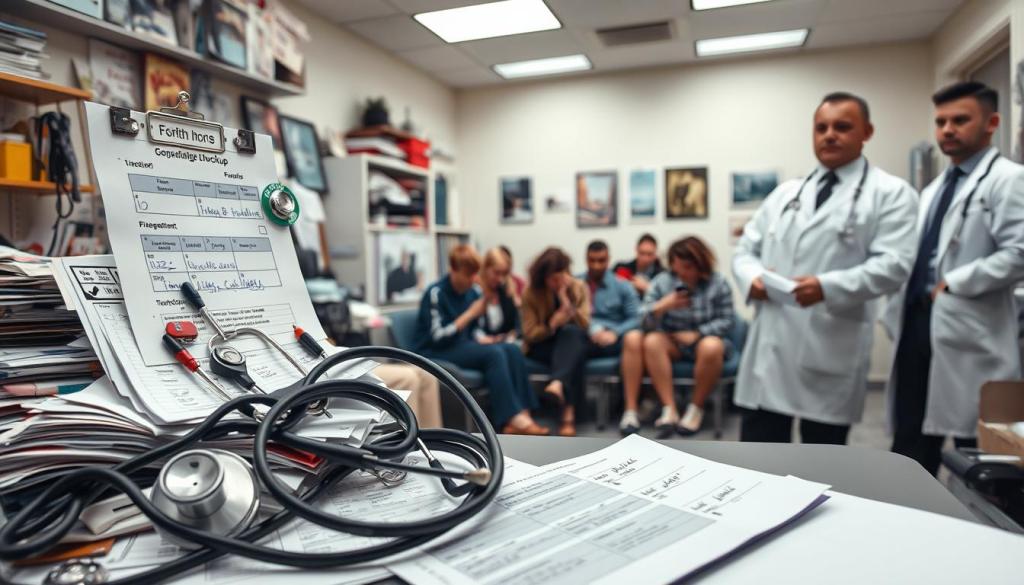
Knowing the main mistakes in medical check-ups can improve your health. Many patients miss key points that lead to big errors. This section will cover common mistakes and their effects on health care.
Identifying Critical Errors During Health Check-Ups
Patients often make mistakes that change their health care. These mistakes include:
- Not articulating concerns: It’s crucial to speak up about your health. Not sharing your concerns can mean missing diagnoses.
- Neglecting family medical history: Overlooking family health issues can lead to missing screenings and preventive steps.
- Skipping follow-up appointments: Missing follow-ups can let conditions get worse, which could have been managed easily.
Missteps in Preventative Health Care
Being proactive in your health means knowing common mistakes in preventative care. These mistakes are:
- Underestimating symptoms: Talk about even small health issues at your check-ups.
- Assuming tests are unnecessary: Regular tests can find problems early, making treatment more effective.
- Avoiding health discussions with your doctor: Good relationships with doctors lead to better care.
Conclusion
It’s crucial to avoid health assessment mistakes for better heart health. Many people miss important details that affect their health. By thinking about our actions during check-ups, we can make a big difference in our health.
Talking openly with your cardiologist is key. Being honest about your lifestyle and symptoms helps fix health assessment errors. It also helps your doctor give you the best care.
Don’t forget the importance of follow-up care. Regular check-ups help spot problems early and create a health plan just for you. Skipping these appointments can lead to serious health issues. Take care of your heart by being open and committed to your health.
FAQ
What are common health check-up mistakes patients make during visits to their cardiologist?
Some common mistakes include lying about lifestyle choices, not reporting symptoms correctly, and missing follow-up visits. These mistakes can make it harder to get the right care and treatment.
Why is it important to be honest about your lifestyle at check-ups?
Being honest about your lifestyle helps your cardiologist make a treatment plan just for you. This includes things like how much alcohol you drink, if you smoke, and how much you exercise. It can really help improve your heart health.
How can misinformation from online sources affect my health check-up?
Wrong info from online sources can lead to misunderstandings about your symptoms and health. This can make talking to your doctor harder and might affect how you’re treated.
What symptoms should I never ignore when visiting my cardiologist?
Don’t ignore symptoms like shortness of breath, chest pain, or feeling very tired. These could mean something serious and need to be told to your doctor during your check-up.
How important are follow-up visits for heart health?
Follow-up visits are very important. They let your cardiologist keep an eye on your health, change treatment plans if needed, and help you stay healthy in the long run.
What are the consequences of hiding unhealthy habits during a check-up?
Hiding your unhealthy habits stops your cardiologist from giving you the right care and advice. It’s important to be open for them to make a good treatment plan for your heart health.
How can I prepare for my next health check-up?
Get ready by being ready to talk about your health history, lifestyle, and any symptoms. Bring any medicines you take and have questions or concerns written down.
What should I do if I think I’ve made a mistake during my check-up?
If you think you missed something important, call your cardiologist’s office. They can make changes in your care based on the right information.
Why do cardiologists stress the importance of open communication?
Open communication helps your cardiologist know your health, risks, and needs. This is key for good treatment and better health outcomes.
What are some critical errors patients often make during medical check-ups?
Big mistakes include not reporting symptoms right, not sharing family health history, missing health screenings, and not following up on test results. These mistakes can hurt preventative care.
Source Links
- 5 Things Cardiologists Wish You’d Stop Doing at Your Checkups – https://manhattancardiology.com/blog/5-things-cardiologists-wish-youd-stop-doing-at-your-checkups/
- LabFinder on LinkedIn: 5 Things Cardiologists Wish You’d Stop Doing at Your Checkups |… – https://www.linkedin.com/posts/labfinder-llc_5-things-cardiologists-wish-youd-stop-doing-activity-7160995874624446466-a9xL
- 8 Things Cardiologists Wish Every Older Adult Knew to Prevent Heart Attacks – SilverSneakers – https://www.silversneakers.com/blog/8-things-cardiologists-wish-every-older-adult-knew-to-prevent-heart-attacks/



 trim down and shape up
Leave a comment