


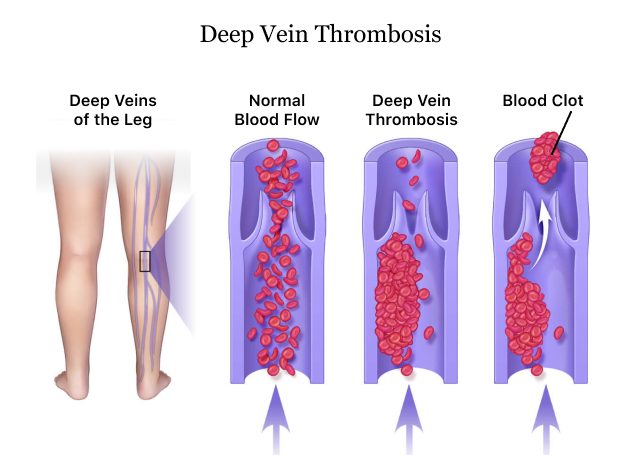
Blood clots are usually helpful, acting as a natural way to stop bleeding when you get hurt. They form to protect your body by making a solid plug. But, if clots form in the wrong place, like deep in your veins, it can be dangerous.
Conditions like deep vein thrombosis (DVT) and pulmonary embolism can be serious. It’s important to know the signs of blood clots. This article shares eight key signs you shouldn’t ignore. Spotting these early can help prevent serious problems.
Key Takeaways
- Blood clots can occur unexpectedly and may present serious health risks.
- Understanding deep vein thrombosis (DVT) and pulmonary embolism is vital.
- Recognizing the warning signs early is crucial for effective blood clot prevention.
- Pay attention to symptoms like swelling and pain, especially in your legs.
- Consulting a healthcare professional promptly can aid in timely blood clot treatment.
Understanding Blood Clots
Blood clots form when blood starts to solidify in a blood vessel. This blocks blood flow in your body. They mainly happen in arteries, veins, and capillaries. Each is key to circulation. Arteries send oxygen-rich blood away from the heart. Veins bring back deoxygenated blood. Capillaries help exchange nutrients and waste between them.
Most blood clots are in veins, known as venous blood clots. There are two main types: Deep Vein Thrombosis (DVT) in the legs and pulmonary embolism (PE) when a clot goes to the lungs. Knowing these types and their signs can help spot serious health issues early.
It’s vital to understand the types and places of blood clots to know the risks. Knowing how they form and what they look like helps you get medical help when needed.
| Type of Blood Vessel | Function | Common Blood Clots |
|---|---|---|
| Arteries | Carries blood away from the heart | Not typically associated with venous blood clots |
| Veins | Returns blood to the heart | DVT, PE |
| Capillaries | Connects arteries and veins | Rarely sites for clots |
What is Deep Vein Thrombosis (DVT)?
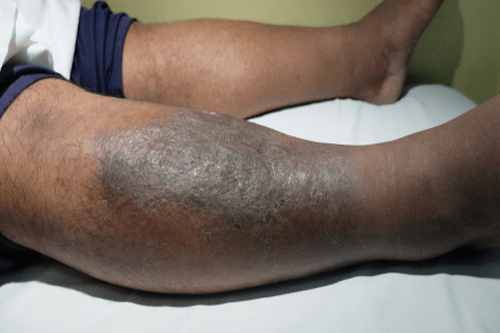
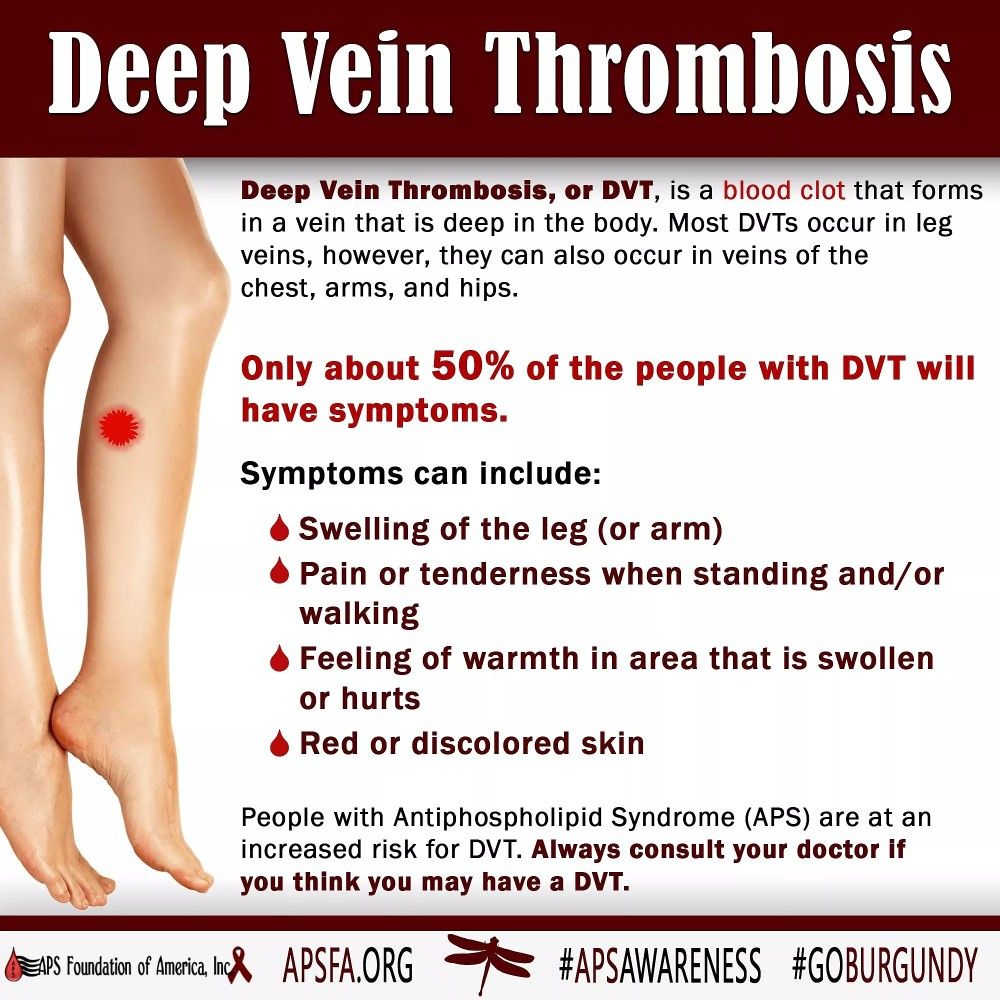
Deep vein thrombosis (DVT) happens when a blood clot forms in a deep vein, usually in the legs. This condition can show up with symptoms of DVT like swelling, pain, tenderness, and changes in skin color. These signs might seem like normal muscle cramps or strains, which can cause a delay in finding out the problem.
If DVT is not treated, the risks get much higher. A big worry is pulmonary embolism, which happens when a blood clot moves to the lungs. Spotting the symptoms of DVT early is key to avoiding medical emergencies.
Knowing these warning signs is crucial. If you see swelling or pain in your legs, seeing a doctor quickly could save your life.
| Symptoms of DVT | Details |
|---|---|
| Swelling | Often occurs in one leg, may feel warmer than the other. |
| Pain or Tenderness | May feel like cramping or soreness in the affected area. |
| Skin Discoloration | Skin may appear pale, bluish, or red. |
| Increased Warmth | The area may feel warm to the touch compared to surrounding skin. |
Signs of a Blood Clot in Your Leg
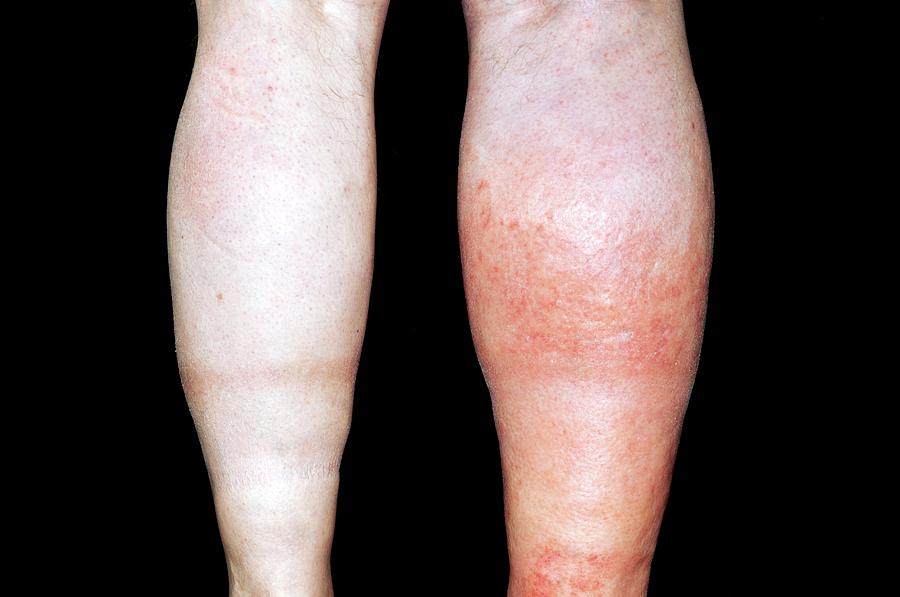
Knowing the signs of blood clots is key for your health. Swelling in one limb and pain in your leg or arm are common signs of deep vein thrombosis (DVT). Spotting these symptoms early can help you get the right medical help quickly.
Swelling in One Limb
Swelling in one limb means blood flow is blocked by a clot. It happens suddenly, unlike swelling from tiredness or other reasons. If you see this swelling, it’s a sign you should get help right away.
Leg or Arm Pain
Pain in your leg or arm with blood clots feels like a constant ache or cramp. This pain gets worse when you move. Seeing a doctor is a must if you have ongoing pain with swelling, as it could mean a clot is there.
Recognizing Pulmonary Embolism Symptoms
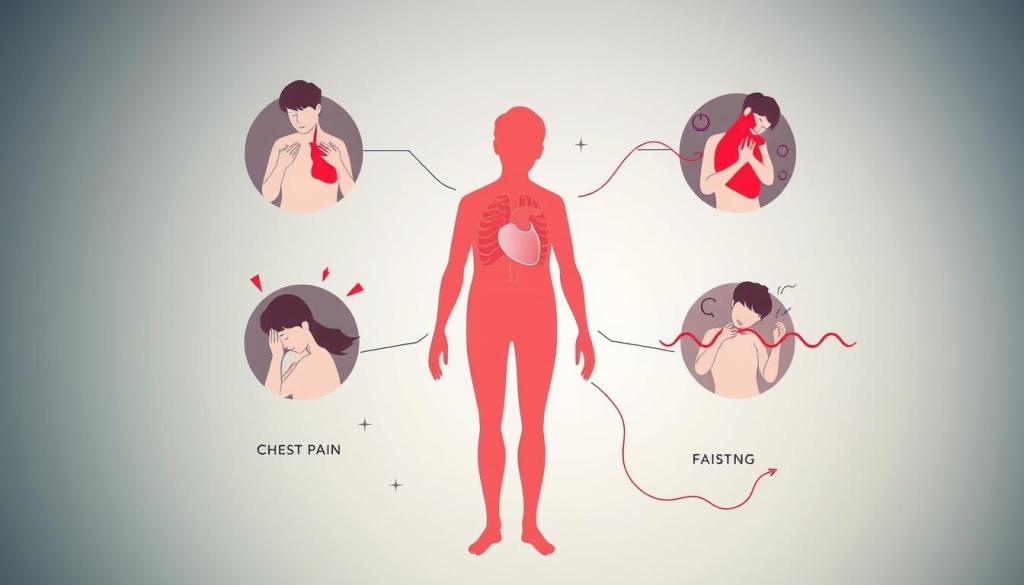
Knowing the symptoms of pulmonary embolism is key to getting help fast. This happens when a blood clot blocks the arteries in the lungs, making breathing hard. Look out for shortness of breath and chest pain.
Shortness of Breath
Suddenly feeling short of breath can happen without warning. It might feel like you’re gasping for air or that simple tasks are hard. This can make you feel panicked, especially when you’re walking or going up stairs. Spotting this symptom early can help a lot.
Chest Pain
Chest pain can feel like a dull ache or a sharp pain. It might get worse when you breathe deeply, cough, or bend over. Paying attention to any changes in your chest is important. It could mean serious trouble with your lungs.
Warning Signs of Blood Clots

Knowing the early signs of blood clots is key for your health. Spotting symptoms early can lead to quick medical help, possibly avoiding serious issues. Redness on your skin and an unexplained cough are two key signs to watch for.
Redness on Your Skin
Redness on your skin, along with warmth and tenderness, might mean a blood clot is forming. This could be a sign of deep vein thrombosis (DVT). If you notice your skin color changing, see a doctor right away to deal with this sign.
Unexplained Cough
An unexplained cough, especially with shortness of breath or blood in your sputum, could signal a serious issue like pulmonary embolism. Spotting this warning sign means you should get help fast. It could be a sign of blood clot symptoms that need quick action.
Heart Rate and Feeling Faint
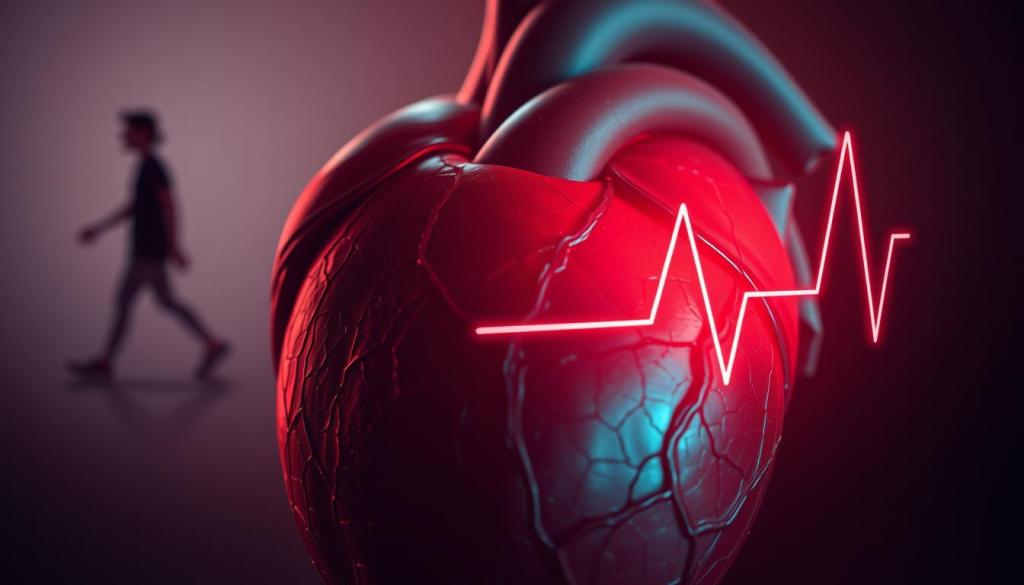
Knowing how heart rate and feeling faint are linked is key to understanding your health. A racing heart happens when your body tries to get enough oxygen with less blood flow. This is often seen with blood clot symptoms, especially in cases of pulmonary embolism.
A Racing Heart
Noticing your heart beating faster can make you feel lightheaded or faint. These signs mean your body is stressed and needs quick medical help. It’s vital to find out why your heart is racing to keep you safe and stop things from getting worse.
| Symptoms | Description |
|---|---|
| Racing Heart | An increased heart rate often signals that your body is compensating for a lack of oxygen or blood flow. |
| Feeling Faint | Lightheadedness can occur when blood supply to the brain is inadequate, particularly during a pulmonary embolism. |
| Lightheadedness | A sensation of dizziness can manifest alongside a racing heart, indicating a need for urgent evaluation. |
What to Do if You Suspect a Blood Clot
If you think you have a blood clot, act fast. The steps you take depend on if it might be a DVT or a pulmonary embolism. For emergencies like pulmonary embolism, call emergency services right away. This is a serious condition that needs quick help.
If you think it’s DVT, watch your symptoms closely. If they don’t go away after a day, make an appointment with your doctor. Catching it early can help with treatment and recovery.
Your doctor might recommend tests like ultrasound or CT scans to check for a clot. Getting help quickly can greatly improve your health.
| Symptoms | Recommended Action |
|---|---|
| Shortness of breath, chest pain | Contact emergency services immediately |
| Swelling, pain in leg | Schedule medical evaluation if symptoms last over 24 hours |
| Redness, warmth in limb | Seek medical advice for evaluation |
| Unexplained cough | Consult a doctor for assessment |
Blood Clots, Warning Signs and Risk Factors
Blood clots can be dangerous and knowing the warning signs and risk factors is key to preventing them. Spotting symptoms early can lead to quick treatment, which could save lives. Look out for swelling, redness, and pain in your limbs.
Some things make you more likely to get blood clots. Being overweight and not moving much can increase your risk. Some medicines, like birth control pills or hormone therapy, can also raise your chances. Smoking is another factor that makes it more likely.
To lower your risk, make healthy choices. Keep a healthy weight and stay active. If you think you might be at risk, talk to your doctor. They can suggest ways to prevent blood clots, like taking anticoagulants if needed.
Conclusion
Knowing the signs of blood clots is key to keeping you safe and healthy. Being aware of symptoms like those for Deep Vein Thrombosis (DVT) and pulmonary embolism helps you act fast. This knowledge lets you lower the risks and respond quickly if you see any signs.
Talking to doctors if you think you have a blood clot is crucial. It’s not just about knowing the symptoms. It’s about looking after your heart health. Regular health checks and talking to your doctor can keep you ahead of problems. Remember, your health is up to you, and being careful can make a big difference.
In short, knowing about blood clots, their signs, and how to prevent them gives you control over your health. By focusing on your health and acting fast when needed, you can greatly reduce the risk of blood clot problems.
FAQ
What are the common symptoms of deep vein thrombosis (DVT)?
Symptoms of DVT include swelling in one leg or arm, ongoing pain, tenderness, and skin discoloration like redness. These signs can be similar to muscle cramps. It’s important to see a healthcare provider if these symptoms don’t go away.
How can I tell if I might have a pulmonary embolism (PE)?
Signs of PE include sudden shortness of breath, chest pain that gets worse with deep breaths, a racing heart, and sometimes an unexplained cough that may bring up blood. If you have these symptoms, get emergency help right away.
What should I do if I notice signs of a blood clot?
If you see signs of a blood clot like swelling, pain, or discoloration, get a medical check-up quickly. For a PE, go straight to the emergency room. For DVT, call your primary healthcare provider if symptoms last over a day.
What are the risk factors associated with blood clots?
Risk factors for blood clots include being overweight, staying still for a long time (like on a long flight or in bed), taking certain hormonal medicines, smoking, and having certain health conditions like cancer or heart disease. Knowing these factors can help prevent blood clots.
Can blood clots be prevented?
Yes, you can prevent blood clots by staying active, keeping a healthy weight, avoiding long periods of sitting or lying down, and talking to your healthcare provider about medicines that can help, like anticoagulants. Wearing compression stockings on long trips can also help.
Source Links
- 6 Blood Clot Signs You Shouldn’t Ignore – https://health.clevelandclinic.org/blood-clot-warning-signs
- What Does a Blood Clot Feel Like? Experts Share Common Signs and Symptoms – https://www.prevention.com/health/g20489603/6-signs-you-might-have-a-blood-clot/
- Blood Clot Symptoms to Know – https://www.webmd.com/dvt/ss/slideshow-dvt-blood-clot-signs


 trim down and shape up
Leave a comment