


Your kidneys are key in cleaning your body by getting rid of extra liquids and waste. But, a bad diet can make your kidneys work too hard. This can lead to problems like kidney stones. Knowing how to prevent kidney stones is very important.
By choosing the right foods, you can lower your risk and keep your kidneys healthy. We’ll look at which foods are good for your kidneys and which to avoid.
Key Takeaways
- Kidney stones are common issues that can be influenced by your diet.
- Making healthy food choices is essential for kidney stone prevention.
- Hydration plays a critical role in maintaining kidney health.
- Understanding risk factors can help you reduce the likelihood of developing kidney stones.
- Incorporating specific foods can support your kidney health and minimize stone formation.
Understanding Kidney Stones
Kidney stones are hard deposits made of minerals and salts that form in your kidneys. They come from a mix of factors, leading to different types. Knowing how they form, their size, and what they’re made of is key. This knowledge helps us understand why they can be so painful when they move through your urinary tract.
It’s important to know the signs of kidney stones. Symptoms like sharp pain, blood in your urine, or needing to pee a lot are common. Spotting these signs early can lead to better treatment and help keep your kidneys healthy.
What Causes Kidney Stones?
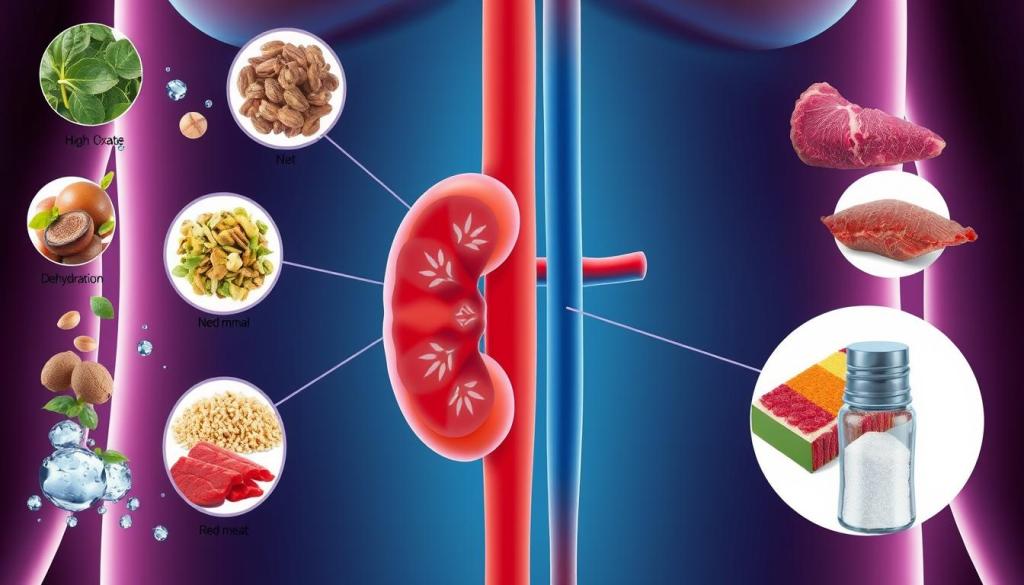
Kidney stones form due to various factors, different for each person. Knowing what causes kidney stones helps you make better choices. Dehydration is a big factor. Not drinking enough water makes urine more concentrated, leading to mineral buildup and stone formation.
Dietary factors also play a big role. Eating too much protein, sodium, and sugar raises your risk. High sodium can mess with calcium levels, and too much protein can increase uric acid. Not eating enough fruits and veggies can also up your risk.
Health issues like obesity and diabetes increase your chances of getting stones. Obesity changes how your body handles minerals, making stones more likely. Diabetes can also affect your body in ways that lead to stones, either directly or indirectly.
To lower your risk, drink plenty of water and eat a balanced diet. Knowing these factors is key for anyone worried about their kidney health.
Kidney Stone Risk Factors
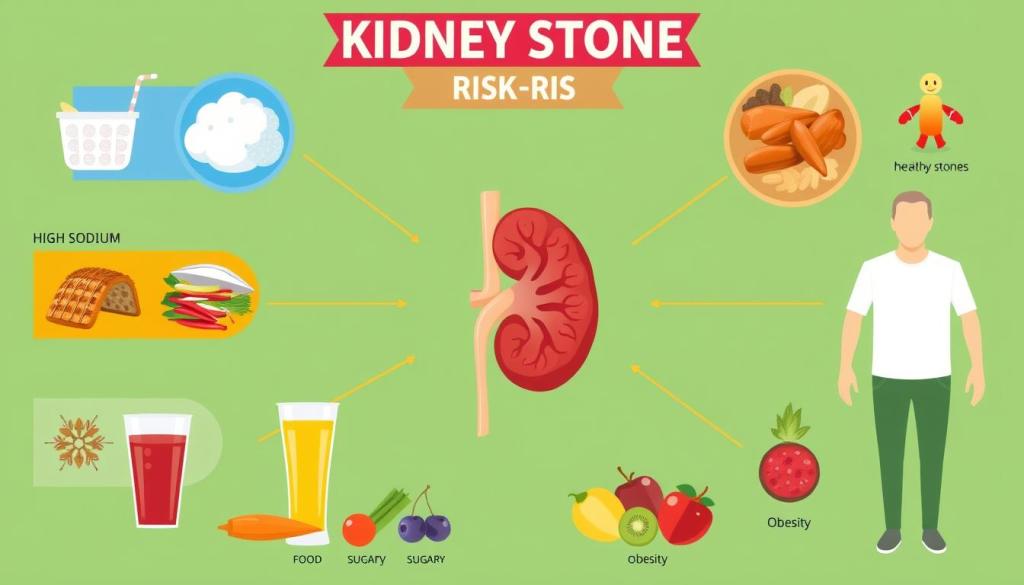
Knowing what increases your risk of kidney stones is key. A family history of kidney stones is a big factor. If your family has had them, you should watch your health closely.
Being overweight is another risk. It can change how your body handles calcium and uric acid. This can lead to stones. Diabetes also raises your risk. It changes how your kidneys work, making them more likely to get stones.
Other factors like kidney conditions and what you eat matter too. Eating too much salt can increase your risk. Cutting down on salt might help lower your risk of getting kidney stones. Here’s a quick table of common risk factors:
| Risk Factor | Description |
|---|---|
| Personal or Family Health History of Kidney Stones | Increased likelihood based on genetic background or past incidents within family. |
| Obesity | Excess weight leads to altered metabolic processing, increasing stone risk. |
| Diabetes | Metabolic changes affect kidney function, heightening stone susceptibility. |
| High Sodium Intake | Excessive salt consumption can promote calcium retention and stone formation. |
Types of Kidney Stones
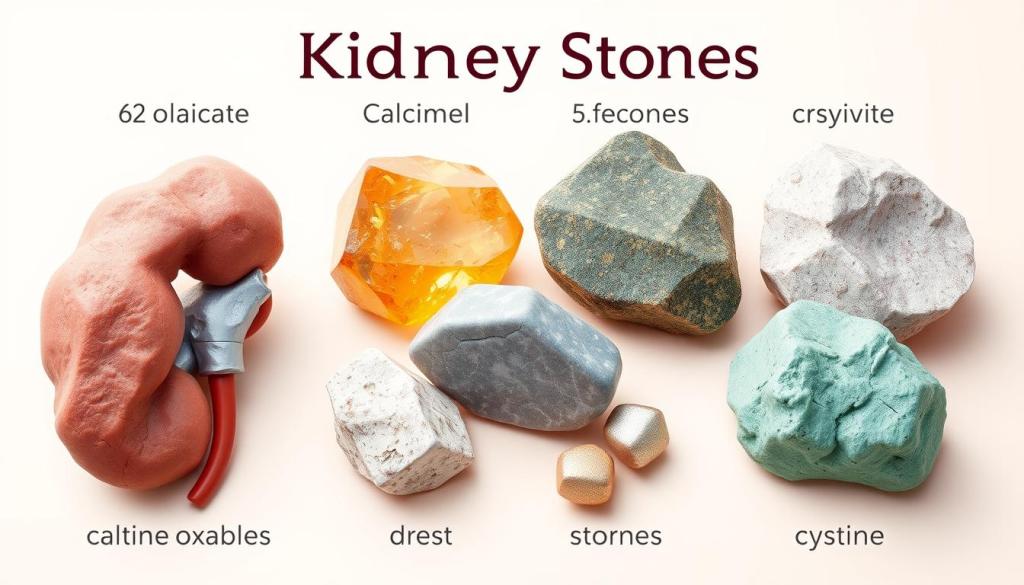
Kidney stones come in four main types. Knowing about them can help you prevent them. This is important for your health.
Calcium Oxalate Stones are the most common. They form when calcium and oxalate mix. Foods high in oxalate can increase your risk.
Uric Acid Stones happen when there’s too much uric acid in your urine. Eating too much protein can lead to this. So, watch your protein intake.
Struvite Stones are caused by urinary tract infections. Bacteria make ammonium, which leads to stone growth. Preventing infections can help avoid these stones.
Cystine Stones are rare and genetic. They happen when the kidneys release too much cystine. People with this condition need special diets and lots of water.
Each stone type has its own causes and ways to prevent it. Knowing this helps you take better care of your health.
Calcium Oxalate Stones: The Most Common Type
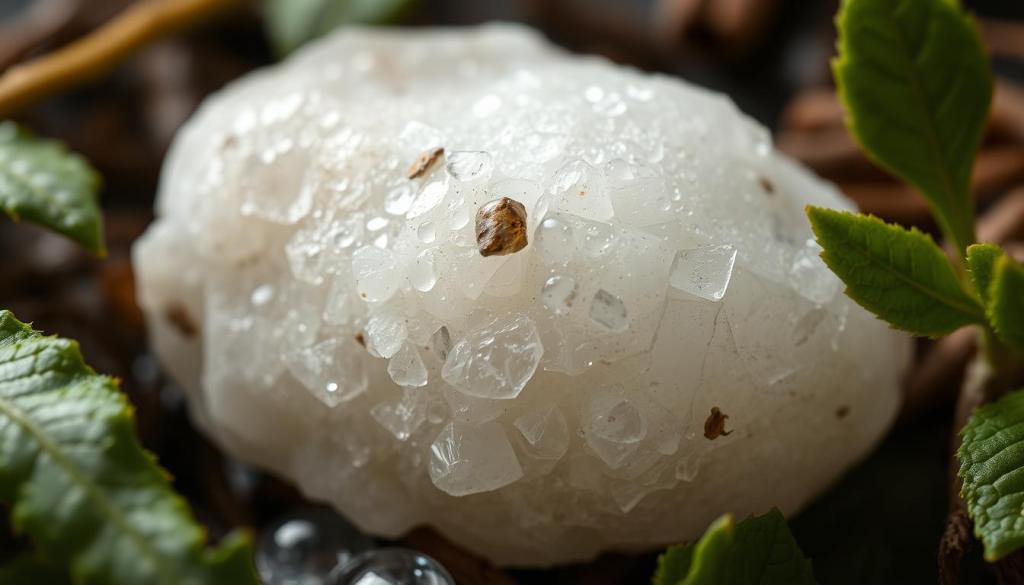
Calcium oxalate stones are the most common type of kidney stones. They form when calcium and oxalate, found in foods, bond in the kidneys. This shows how important your dietary choices are for prevention.
To lower your risk of getting these stones, eat a balanced diet. Getting enough calcium is key for bone health and preventing stones. Avoid too many foods high in oxalate, like spinach and beets.
Eating foods high in calcium with foods high in oxalate can help. This mix can reduce the chance of stones forming.
Add low-fat dairy and leafy greens to your meals. Knowing how much oxalate you can handle helps make better food choices. Drinking enough water is also key for keeping your kidneys healthy.
| Foods High in Calcium | Foods High in Oxalate |
|---|---|
| Low-fat yogurt | Spinach |
| Cheddar cheese | Beet greens |
| Fortified plant milk | Almonds |
| Cottage cheese | Rhubarb |
Being careful with your dietary choices and getting enough calcium can help prevent calcium oxalate stones. A healthy diet and staying hydrated are key to keeping your kidneys healthy.
Uric Acid Stones and Their Causes
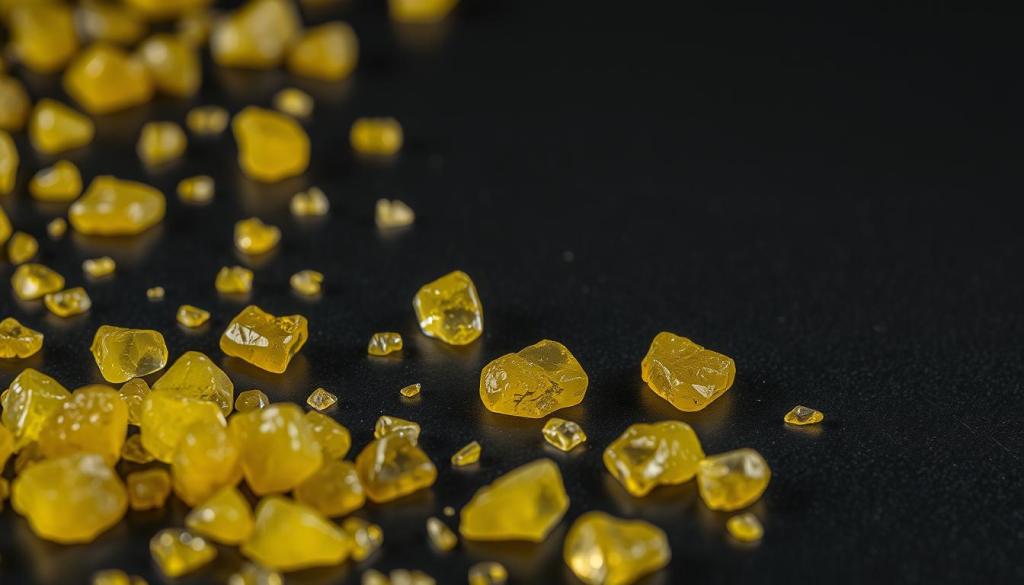
Uric acid stones happen when there’s too much uric acid in your urine. This usually comes from eating too much of certain foods. Red meat, organ meats, and some seafood can raise uric acid levels, increasing your risk of stones.
Knowing how diet affects uric acid stones can guide your food choices. Cutting down on high-purine foods is smart if you’re at risk. Drinking plenty of water also helps keep your urine pH balanced, lowering stone risk.
Eating more fruits and veggies is good for managing uric acid and your kidneys. These foods are alkaline, which helps keep urine from being too acidic. This makes it harder for uric acid stones to form.
Struvite Stones: What You Need to Know
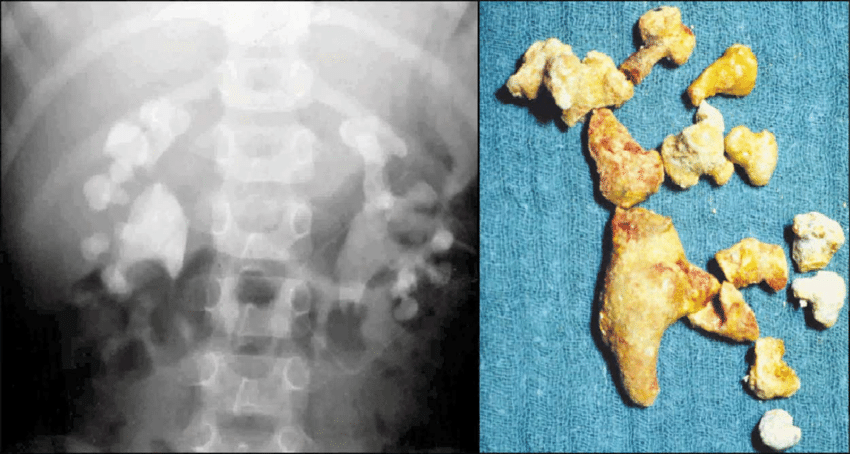
Struvite stones are a type of kidney stone caused by urinary tract infections. These infection-related stones grow fast and need quick medical care to prevent serious problems. It’s important to understand and manage them well.
To lower the risk of these stones, taking preventive steps is key. This means treating urinary infections fast and staying well-hydrated. Drinking lots of water can help prevent stone formation by diluting the urine.
Here’s a comparison of preventive measures against struvite stones:
| Preventive Measure | Description |
|---|---|
| Timely Treatment of Urinary Infections | Quickly addressing urinary infections can reduce the chances of developing struvite stones. |
| Hydration | Consistent hydration helps dilute substances in urine, minimizing stone formation. |
| Dietary Adjustments | A balanced diet rich in fruits and vegetables supports overall urinary tract health. |
Cystine Stones: A Less Common but Serious Type
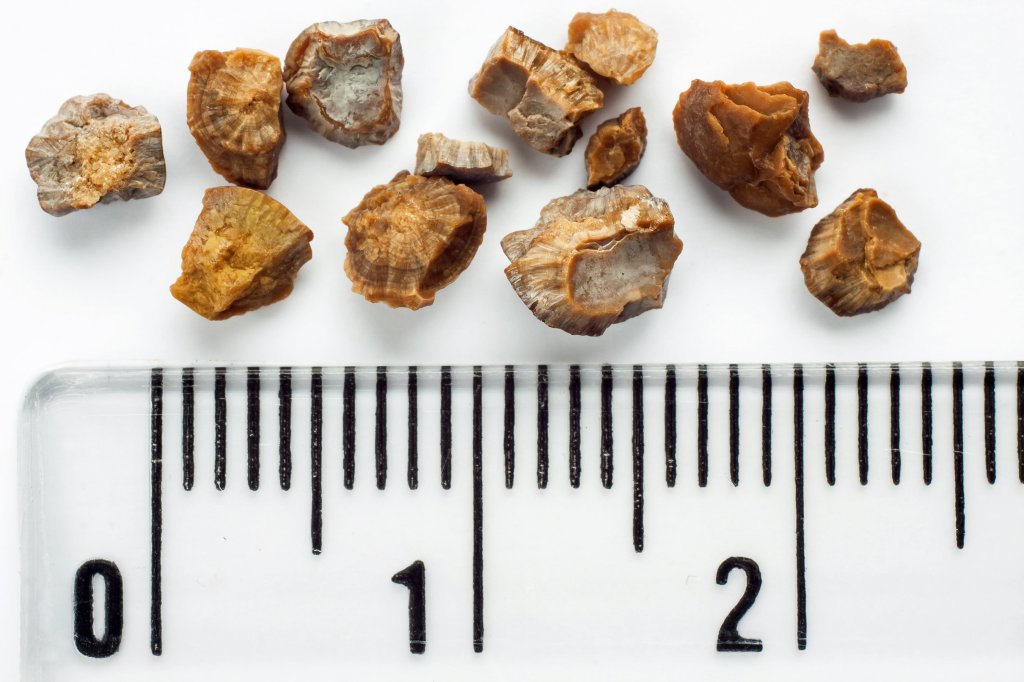
Cystine stones are a rare but serious type of kidney stone. They form in people with a genetic condition called cystinuria. This condition makes it hard for the body to break down certain amino acids.
Excess cystine can then build up and form stones in the urinary tract. These stones are not as common as others but can be hard to deal with. They can cause a lot of pain and affect your daily life.
Preventing these stones is key for those at risk. Drinking plenty of water is a good start. It helps dilute cystine in the urine, lowering the chance of stones forming.
Eating a diet that limits cystine can also help. Talking to a doctor or dietitian can help you make the right food choices. They can suggest changes that fit your needs.
In short, cystine stones are linked to a genetic issue with amino acid breakdown. But, you can manage them by staying hydrated and making smart food choices. Finding ways to prevent them is crucial for those at risk.
How to Prevent Kidney Stones and Improve Kidney Health
Knowing how to prevent kidney stones is key to keeping your kidneys healthy. Making lifestyle changes can greatly lower your risk. Drinking more water is a big first step. It helps dilute your urine, which lowers the concentration of minerals that can form stones.
Eating a balanced diet is also crucial for your kidneys. Include lots of fruits and vegetables, especially those high in antioxidants. These foods fight inflammation and boost kidney function. Also, cut down on salt and animal proteins, as they can increase stone risk.
Regular exercise is another smart move. It helps with weight control and boosts overall health, which is good for your kidneys. Keeping a healthy weight reduces strain on your kidneys and helps prevent stones.
To wrap it up, preventing kidney stones involves smart choices in hydration, diet, and exercise. By making these lifestyle changes, you can effectively prevent stones and improve your kidney health.
| Preventive Measures | Benefits |
|---|---|
| Increase Water Intake | Dilutes urine to prevent stone formation |
| Balanced Diet | Provides essential nutrients and prevents inflammation |
| Limit Salt and Animal Protein | Reduces the risk of stone formation |
| Regular Exercise | Aids in weight management and improves kidney functionality |
6 Tips to Prevent Kidney Stones
Kidney stones can be very painful. There are ways to lower your risk. Here are six tips to help you stay safe, focusing on drinking more water and eating right.
Drink More Water
Drinking enough water is key. Try to drink at least eight 8-ounce glasses a day. This helps dilute your urine, making it less likely for stones to form.
Eat Less Salt
Too much salt can lead to kidney stones. Eat fresh foods and cut down on processed ones to keep your salt intake low.
Eat More Fiber
Foods high in fiber, like fruits, veggies, and whole grains, are good for your gut. They also help keep your kidneys healthy and reduce stone risk.
Put Down the Protein
Too much animal protein can cause stones. Try to eat less red meat and shellfish to lower your risk.
Avoid Excess Oxalate
Some foods, like spinach, nuts, and chocolate, have oxalate. Eating too much of these can increase your risk of stones. Try to limit or avoid them.
Keep Up the Calcium
Calcium is important for preventing stones. Get it from foods like low-fat dairy. This helps keep your urine balanced.
Foods to Eat for Preventing Kidney Stones
Eating the right foods can greatly improve your kidney health. Focus on foods that help prevent kidney stones. These foods not only lower your risk but also boost your overall health. Enjoy a variety of foods that help keep you hydrated.
Lemon Juice
Lemon juice is full of citric acid, which stops kidney stones from forming. Drinking water with lemon juice every day can improve your kidney health. It also keeps you hydrated.
Potassium-Rich Foods
Eating foods rich in potassium, like bananas, avocados, and sweet potatoes, can lower your risk of kidney stones. These foods balance electrolytes and support kidney health. They help keep you hydrated too.
Cruciferous Vegetables
Adding broccoli, kale, and Brussels sprouts to your meals is a great idea. They are full of fiber and good compounds that help your kidneys. These veggies also help you stay hydrated, making them key in preventing kidney stones.
| Food Item | Main Benefit | Hydration Contribution |
|---|---|---|
| Lemon Juice | Inhibits stone formation | High water content |
| Bananas | Rich in potassium | Helps maintain electrolyte balance |
| Broccoli | High in fiber | Provides water and nutrients |
Foods to Avoid to Reduce Kidney Stone Risk
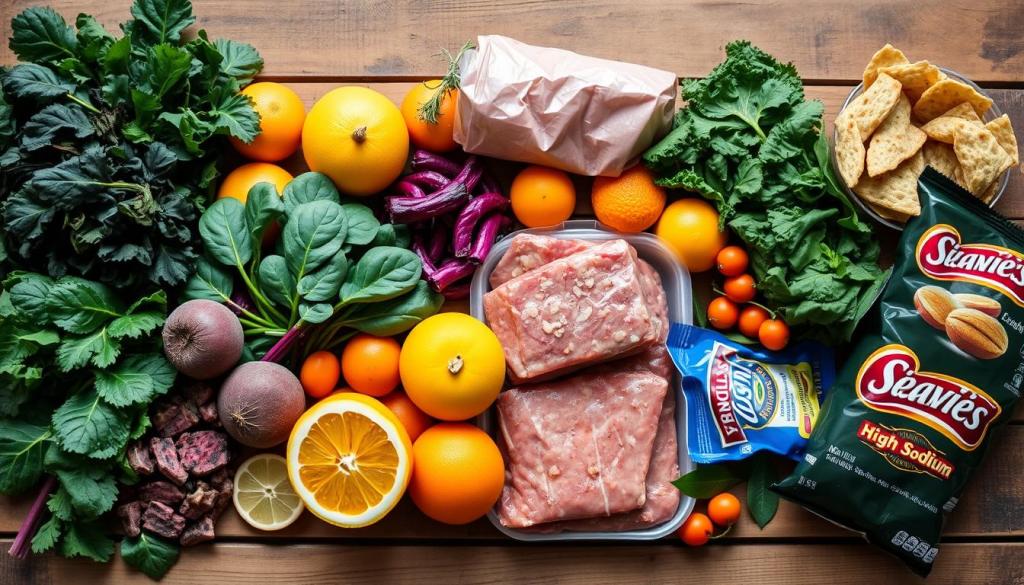
To lower your risk of getting kidney stones, it’s key to choose your food wisely. Some foods can increase the chance of stone formation, especially those with high oxalates and animal proteins. Avoiding certain high-oxalate foods and eating less animal protein can help keep your urine healthy.
High Oxalate Foods: What to Look Out For
Stay away from high-oxalate foods to lower your kidney stone risk. Here are some common ones:
- Beets
- Spinach
- Chocolate
- Nuts and nut butters
- Rhubarb
- Sweet potatoes
- Wheat bran
Limit Animal Protein Consumption
Lowering your animal protein intake can also help. Foods like red meat, poultry, and shellfish can increase stone risk. Here are some tips to cut down:
- Choose plant-based proteins like beans and legumes.
- Use fish instead of red meat.
- Reduce processed meats like bacon and sausages.
| Food Type | High Oxalate | Animal Protein |
|---|---|---|
| Beets | Yes | No |
| Spinach | Yes | No |
| Red Meat | No | High |
| Nuts | Yes | No |
| Shellfish | No | High |
Importance of Hydration in Kidney Health
Hydration plays a key role in keeping your kidneys working well. Drinking enough water helps your kidneys filter out waste and toxins. This reduces the risk of kidney stones.
Water helps dissolve waste in your urine. This makes it less likely for waste to form stones. Without enough water, your kidneys can get stressed, leading to a decline in function.
To stay hydrated, aim for six to eight 8-ounce glasses of water a day. You might need more if you’re active or live in a hot climate. This helps replace lost fluids through sweat.
| Hydration Level | Effects on Kidneys |
|---|---|
| Well-Hydrated | Improved filtration, decreased risk of stones. |
| Slightly Dehydrated | Increased waste concentration, potential for crystal formation. |
| Severely Dehydrated | Inadequate waste removal, heightened risk of kidney damage. |
Drinking water regularly is essential for kidney health. Knowing how hydration affects your kidneys helps you stay healthy.
Medical Interventions for Kidney Stones
At times, medical help is needed for kidney stones to ease pain and avoid more problems. There are many treatments, based on the stone’s size and type, and your health.
- Medications to manage pain and help pass stones
- Extracorporeal shock wave lithotripsy (ESWL) to break down stones using sound waves
- Ureteroscopy for smaller stones, where a thin tube is introduced to remove or break down the stone
- Open surgery or percutaneous nephrolithotomy for larger or more complex stones
Talking to a doctor is key to understanding your treatment options. This conversation helps pick the best method for you. Also, taking steps to prevent stones can keep your kidneys healthy.
Preventive Medications for Kidney Stones
Preventive medications can help manage the risk of kidney stones. They are chosen based on the type of stone and your health. These medications aim to lower the chance of stones forming.
Alpha blockers help by improving urine flow. They make it easier for stones to pass. This is especially helpful for those who have had painful stones before.
Potassium citrate keeps urine pH balanced. This helps prevent certain types of stones, like calcium oxalate stones.
Other options include thiazide diuretics and allopurinol. Your healthcare provider might suggest these based on your health. These medications are part of a long-term plan to manage kidney stones.
It’s important to talk to your healthcare provider about these medications. They can help you find the right treatment for your needs and lifestyle.
Consulting a Dietitian for Personalized Nutrition
Seeing a dietitian can really help with your health, especially for kidney wellness. They do a detailed dietary assessment based on your health and kidney stone risk. This way, they create a diet plan just for you, focusing on personalized nutrition for kidney health.
With a dietitian’s help, you learn about foods good for your kidneys and how to avoid stones. They guide you in making food choices that fit your life.
- Receive tailored meal plans based on kidney health needs.
- Get support in interpreting food labels and understanding nutritional information.
- Learn about portion control and balanced diets.
- Understand how to integrate hydration effectively into your daily routine.
- Master strategies for overcoming dietary challenges.
Getting help from a dietitian makes managing your diet easier. It leads to healthier eating habits. This is key for avoiding kidney stones and improving kidney health.
| Benefits of Consulting a Dietitian | How It Helps |
|---|---|
| Customized Dietary Plans | Aligns food choices with your health requirements |
| Nutritional Education | Enhances understanding of healthful eating |
| Support for Behavioral Change | Encourages lasting lifestyle adjustments |
| Monitoring Progress | Tracks changes in health and diet effectiveness |
Conclusion
Your approach to kidney health is key to avoiding kidney stones. This article gives you a detailed look at the different types of stones and how they form. It also shows how what you eat and drink is crucial in preventing them.
Eating the right foods and staying hydrated can greatly reduce your risk. Include foods high in potassium, calcium, and water in your diet. Also, avoid foods with too much oxalate and animal protein.
By making these dietary changes and staying hydrated, you can improve your kidney health. Your kidneys are vital to your health. Taking steps now will benefit you in the long run.
FAQ
What are kidney stones?
Kidney stones are hard deposits made of minerals and salts. They form in the kidneys. Passing them can be very painful.
What causes kidney stones?
Kidney stones can form due to several reasons. Dehydration and a diet high in certain foods are common causes. Health issues like obesity and diabetes also play a role.
What are the types of kidney stones?
There are four main types of kidney stones. These include calcium oxalate, uric acid, struvite, and cystine stones. Each type needs a different approach to prevent.
How can I prevent kidney stones through diet?
To prevent kidney stones, drink plenty of water and eat less salt. Include more fiber-rich foods and moderate your protein intake. Avoid foods high in oxalates and ensure you get enough calcium.
What foods should I eat to prevent kidney stones?
Eating foods like lemon juice, bananas, avocados, broccoli, and kale can help. These foods are good for your kidneys.
What foods should I avoid to reduce the risk of kidney stones?
To lower your risk, avoid foods high in oxalates like beets, chocolate, nuts, and spinach. Also, reduce your intake of animal protein, especially red meat and shellfish.
How much water should I drink to prevent kidney stones?
Drink at least six to eight 8-ounce glasses of water a day. This helps keep you hydrated and dilutes urine substances.
Are there medical interventions for kidney stones?
Yes, sometimes medical treatments are needed. This can include procedures to break down or remove stones. Medications may also be prescribed to prevent future stones.
What preventive medications can help with kidney stones?
Preventive medications include alpha blockers, potassium citrate, thiazide diuretics, and allopurinol. Always talk to your doctor about what’s best for you.
How can a dietitian help prevent kidney stones?
A dietitian can help you create a diet plan that fits your needs. They consider your risk factors and ensure you get the nutrients your kidneys need.
Source Links
- Eating, Diet, & Nutrition for Kidney Stones – NIDDK – https://www.niddk.nih.gov/health-information/urologic-diseases/kidney-stones/eating-diet-nutrition
- 5 Foods that help to Prevent Kidney Stones – https://www.lifespan.org/lifespan-living/5-foods-help-prevent-kidney-stones
- Kidney Stones | Diet Plan and Prevention – https://www.kidney.org/kidney-topics/kidney-stone-diet-plan-and-prevention


 trim down and shape up
Leave a comment