


Heart problems aren’t just for older people. Signs of heart issues in young people are real and shouldn’t be ignored. You might find yourself out of breath after climbing stairs or struggling with a run that used to be easy. These signs can make you wonder if you’re just tired or if there’s something more serious going on.
Knowing the often ignored heart symptoms is crucial. It helps you understand when to seek medical help. Early detection can save lives and prevent serious health issues.
Key Takeaways
- Heart problems can affect individuals of all ages, including the young.
- Recognizing early signs can lead to timely medical interventions.
- Women may experience unique symptoms, such as nausea and extreme fatigue.
- A family history of heart disease increases risk, especially in women under 65.
- Stay active; regular exercise is key to maintaining heart health.
- Pay attention to unexplained symptoms that could indicate a heart issue.
Understanding Heart Problems in Young People
Heart problems can surprise young people, causing a variety of conditions. These include congenital heart defects and acquired issues like coronary artery disease (CAD). Genetics and lifestyle choices, like bad diet and no exercise, often play a part.
It’s key to know about heart conditions in youth. Young adults might ignore symptoms or think they’re minor. This can cause delays in finding out what’s wrong and can harm their heart health.
Even though sudden cardiac death is rare in those under 35, it happens more in males. About one in 50,000 to one in 100,000 young athletes face this risk each year. Hypertrophic cardiomyopathy and long QT syndrome are big reasons for these sad events.
| Condition | Risk Factors | Symptoms |
|---|---|---|
| Hypertrophic Cardiomyopathy | Genetic history, family history of heart issues | Shortness of breath, chest pain, dizziness |
| Long QT Syndrome | Genetic mutations, electrolyte imbalances | Fainting, seizures, sudden cardiac arrest |
| Brugada Syndrome | Family history, certain medications | Irregular heartbeats, fainting spells |
| Wolff-Parkinson-White Syndrome | Genetic anomalies, congenital heart conditions | Rapid heartbeat, dizziness, fatigue |
Teaching young adults about heart health is crucial. Schools and sports programs can help a lot. They can spread the word, check for risks, and teach healthy habits.
Why Heart Problems Are Often Ignored

Many young adults ignore overlooked heart symptoms, thinking they’re just stress or fatigue. They believe they’re too young for heart problems. This leads to a lack of young adult heart health awareness.
Education is key to spotting heart issues. But many young people don’t know much about heart disease. This lack of knowledge makes them ignore symptoms that could be serious. Mental health stigma also keeps them from talking about physical signs.
Heart attacks are a big problem in the U.S., with 805,000 happening each year. About 170,000 of these are silent heart attacks. These go unnoticed, raising the risk of heart failure by 35%.
Cardiovascular disease is the top killer of women. Women, especially those who are postmenopausal or from minority groups, often don’t get the care they need. It’s important for young adults to know about heart health and get regular check-ups.
| Statistic | Information |
|---|---|
| Heart Attacks Annually | 805,000 in the U.S. |
| Silent Heart Attacks | 170,000 occur silently each year |
| Risk Increase for Heart Failure | 35% greater for those with a silent heart attack |
| Death Rate after Silent Heart Attack | 50% after 10 years |
| Lifetime Risk of Heart Failure | 1 in 5 by age 40 |
You’re Feeling Exhausted or Short of Breath for Seemingly No Reason

Feeling tired or short of breath without a reason can be scary, especially for young people. These signs often mean there’s a health issue that needs to be checked. Heart problems in the young can show up as tiredness and trouble breathing, making it key to spot these signs early.
Common Causes of Unexplained Fatigue
There are many reasons for feeling tired without a clear cause:
- Medical Conditions: Anemia, thyroid issues, and heart disease can make you feel very tired.
- Poor Lifestyle Choices: Eating poorly and not exercising enough can make you feel even more exhausted.
- Emotional Stress: Feeling down or anxious can increase your risk of heart problems, leading to ongoing tiredness.
- Migraine Connections: Having migraines, especially those with aura, might mean you’re at higher risk for heart issues.
When to Seek Medical Advice
If you’re feeling tired or short of breath without a clear reason, talk to a doctor. Watch out for these warning signs:
- Fatigue that lasts more than a few weeks and doesn’t get better.
- Sudden shortness of breath that’s not related to exercise.
- Other symptoms like chest pain, dizziness, or swelling in the legs.
Seeing a doctor early can help catch and treat heart problems in young people. These issues can often develop without clear symptoms.
You’re Inexplicably Dizzy or Sometimes Pass Out

Feeling dizzy without reason can be scary and might mean there’s a health issue. When young adults feel dizzy and faint, it often means their brain isn’t getting enough blood. This could be because of serious heart problems. It’s very important to take these signs seriously, especially if they happen a lot or when you’re resting.
Other things like not drinking enough water or ear infections can also cause dizziness. But if it keeps happening, it might mean you have heart problems that need to be checked.
About 1 in 4 people see a doctor because they have symptoms without a clear cause. Symptoms like dizziness, tiredness, or irregular heartbeat are common. They can also be linked to mental health issues like depression or anxiety. Conditions like postural tachycardia syndrome (POTS) can also cause these symptoms. It’s important to understand what’s behind your dizziness.
Here’s a table that shows some common reasons for dizziness and heart problems:
| Dizziness Causes | Associated Heart Issues |
|---|---|
| Dehydration | Low Blood Pressure |
| Inner Ear Infections | Arrhythmias |
| Postural Changes (POTS) | Rapid Heart Rate |
| Certain Medications | Heart Valve Problems |
Reducing stress and staying active can help your mood and symptoms. Knowing when to see a doctor is key for your heart health. If you often feel dizzy or faint, seeing a healthcare provider is crucial to check for serious issues.
You Feel Pressure in Your Upper Body
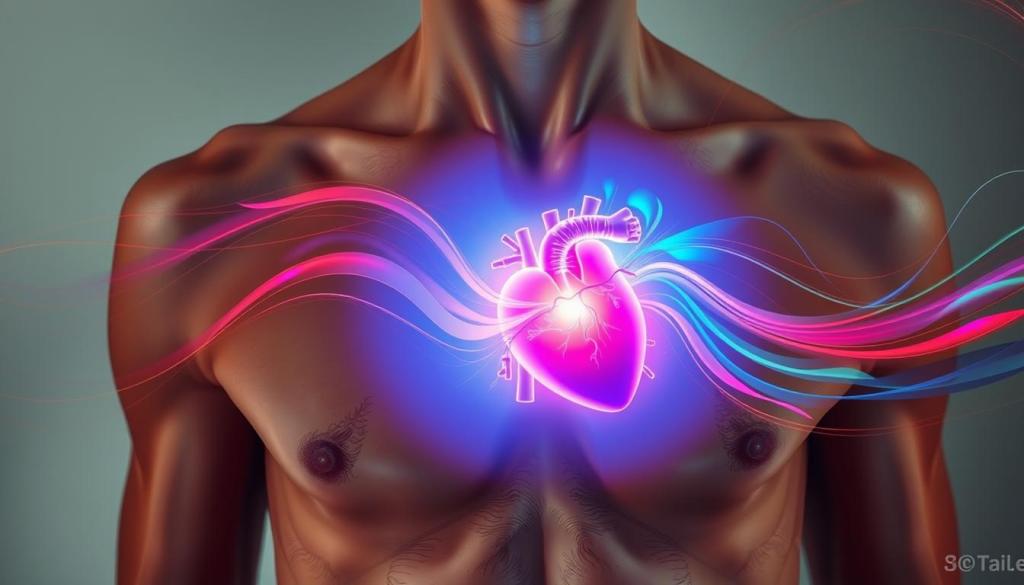
Feeling pressure in your upper body, especially in the chest, is serious. It’s a key chest pain warning sign for heart problems. You might feel tightness like an elephant on your chest, or more subtle feelings that change.
It’s important to understand these feelings for your heart health awareness.
Recognizing Different Types of Pain
It’s key to tell apart heart pain from other issues like indigestion. Here are some types of upper body pressure you might notice:
- Sharp Pain: A sudden, intense feeling that might spread to arms or back.
- Dull Ache: A constant, mild discomfort that feels like pressure.
- Tightness: A feeling of being constricted or heavy in the chest.
- Burning Sensation: This can be mistaken for heartburn or gastroesophageal reflux.
Also, watch for other symptoms like nausea, sudden sweating, or shortness of breath with upper body pressure. These could mean a serious heart issue. If they come on suddenly or seem scary, get emergency help right away. Remember, heart disease affects nearly half of all adults in the U.S., so acting fast is key.
Your Heartbeat Skyrockets Out of Nowhere or You’re Having Unexplained Panic Attacks
Feeling your heart race or pound can be scary, especially if it happens without reason. Many people feel their heart beating fast, along with anxiety or fear. This can be due to too much caffeine, stress, or some medicines.
Young people might think they’re safe from heart problems, but they’re not. If you feel dizzy or can’t breathe, it could mean your heart needs help. Seeing a doctor right away is important.
It’s key to know when to see a doctor. Paying attention to your body is crucial. Ignoring heart issues or panic attacks can harm your blood pressure and life quality.
To understand irregular heartbeats and panic attacks better, here’s a quick summary:
| Condition | Possible Triggers | Recommended Action |
|---|---|---|
| Irregular Heartbeat | Caffeine, Stress, Dehydration | Consult a cardiologist for evaluation |
| Panic Attacks | Anxiety, Stress, Overstimulation | Seek therapy or counseling |
| Heart Issues | Genetics, Lifestyle Factors, Anxiety Disorders | Routine check-ups and lifestyle modifications |
Managing stress and anxiety is key. Deep breathing can help calm your body and mind. If you’re dealing with these issues, getting help can improve your heart and mental health.
Issue with the Lower Half of Your Body
Pain, swelling, or discomfort in your lower body could mean serious health issues. These signs often point to poor circulation and heart problems. Peripheral artery disease, for example, narrows arteries and blocks blood flow to your legs.
It’s important to watch for these symptoms. Signs like leg pain during exercise, swelling, or skin color changes are warning signs. Getting medical help quickly is key to fixing circulation and improving heart health.
Here’s a list of symptoms, their causes, and why you should act fast:
| Symptoms | Possible Causes | Importance of Action |
|---|---|---|
| Pain in the legs | Peripheral artery disease | Seek medical advice for diagnosis |
| Swelling | Fluid buildup or heart failure | Monitor for severity and changes |
| Numbness | Nerve damage or circulation issues | Prompt evaluation needed |
| Skin color changes | Circulatory restrictions | Potentially serious; consult healthcare provider |
Spotting these symptoms early can help avoid bigger problems. Paying attention to your body’s signals is vital for good heart health.
Hard Time Falling and Staying Asleep

Having trouble falling or staying asleep can be a sign of serious health issues, especially for your heart. Sleep problems and heart health are closely linked. Insomnia, for example, not only messes with your sleep but also affects your heart.
It’s important to understand this connection. This knowledge helps you take steps to improve your overall health.
Connecting Sleep Issues with Heart Health
Not getting enough sleep can lead to many heart problems. This includes high blood pressure and high cholesterol. Research shows that sleep disruptions increase the risk of heart attacks and strokes.
For example, sleeping less than six hours a night raises your risk of heart attack by 20%. Poor sleep quality also raises nighttime blood pressure. This is a big concern for heart health.
- People who sleep less than seven hours a night are more likely to have heart failure.
- Those at risk for heart problems often have insomnia and daytime sleepiness.
- Going to sleep between 10 PM and 11 PM is linked to lower heart disease risk.
Bad sleep can stress your heart, causing sudden spikes in heart rate and blood pressure. It’s crucial to talk to healthcare professionals about sleep issues. They can help find and treat any underlying problems.
| Sleep Duration | Risk Factor for Heart Issues |
|---|---|
| Less than 6 hours | 20% higher chance of heart attack |
| Less than 7 hours | Increased risk of heart failure |
| Sleeping between 10 PM – 11 PM | Lowest risk of heart disease |
| Sleeping after midnight | 25% increased risk |
It’s key to understand how insomnia affects your heart. Getting quality sleep is important for your mood and heart health.
Heart Problems You’re Born With: Congenital Heart Defects
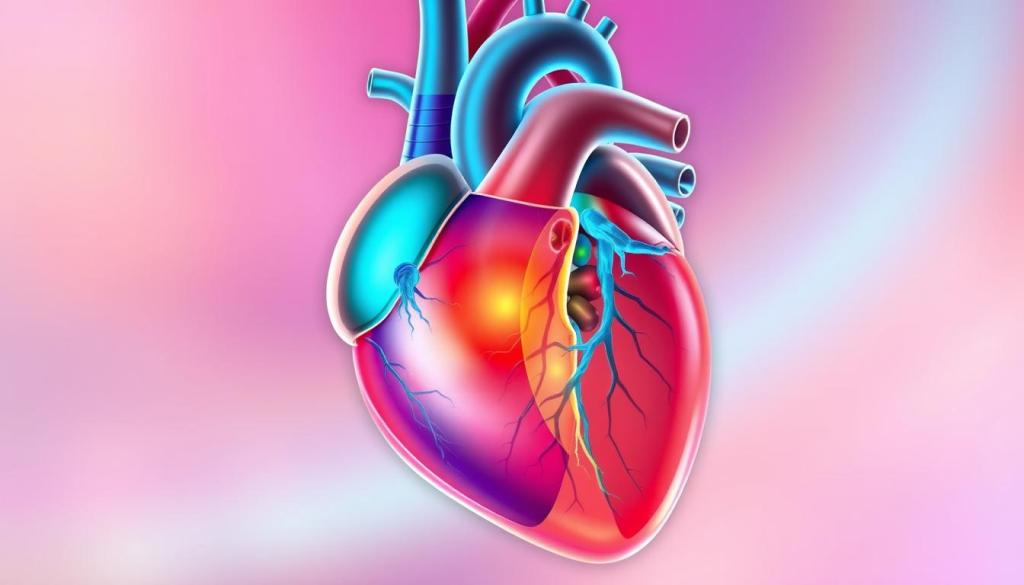
Congenital heart defects (CHDs) are the most common birth defect worldwide. They affect about 1 in every 100 babies. This means around 1.3 million children are born with these heart issues every year.
Many CHDs don’t show symptoms early on. But, they can have big health effects later in life.
Knowing about congenital heart defects is key. Delayed treatment can cause serious problems. About 25% of kids with CHD need surgery in their first year.
In places like low- and middle-income countries, 90% of kids with CHD can’t get the care they need.
Groups like Children’s HeartLink are working to improve care. For example, in Kerala, India, they helped lower infant death rates. The story of Mythili from Coimbatore shows the long wait many face for heart surgery.
In the U.S., CHDs affect about 1% of babies born each year. This leads to around 4.2% of all newborn deaths. Thanks to new medical tech, more kids with CHD are living into adulthood.
Children with CHD face higher risks of brain and mood problems. Studies show about 30% may have mood or anxiety issues. Another 30% need extra help in school as they get older.
| Statistical Highlights | Data |
|---|---|
| Birth rate of CHD | 1 in every 100 births |
| Annual births with CHD | 1.3 million |
| Children needing surgery within first year | 25% |
| CHD children without access to care (LMICs) | 90% |
| Infant mortality rate reduction (Kerala, India) | From 12 to 7 per 1,000 births |
| CHD affected births in the US | 1% of 40,000 |
| Decrease in childhood CHD mortality | 31% over 20 years |
| CHD patients requiring remedial services | 30% by adolescence |
It’s important to understand congenital heart defects. Early diagnosis and treatment can greatly improve a child’s life.
Coronary Artery Disease (CAD) and Its Risk Factors
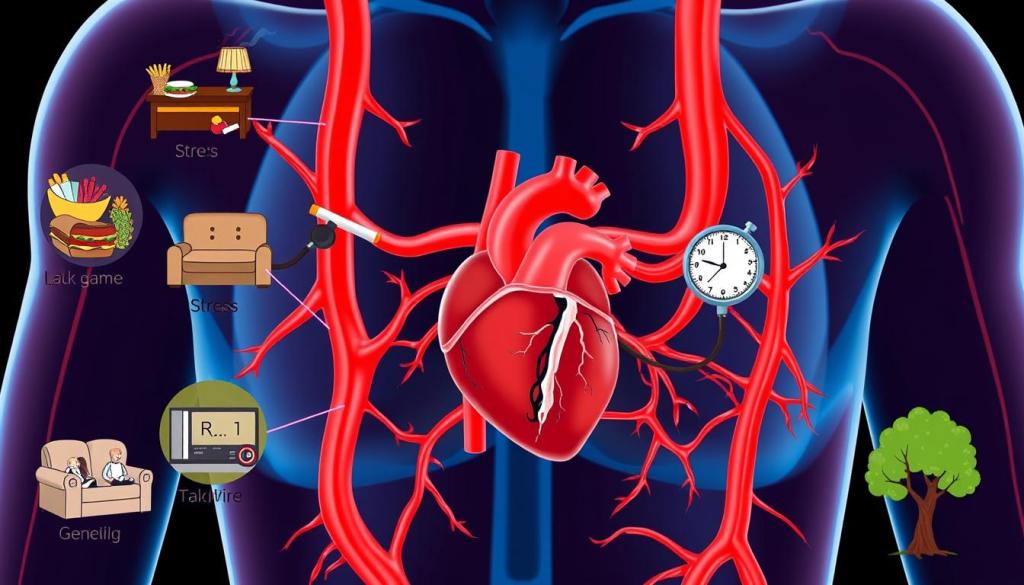
Coronary artery disease (CAD) is a common heart disease in the United States. It happens when cholesterol builds up in the coronary arteries, reducing blood flow to the heart. Knowing the risk factors for CAD is key to preventing and managing it.
Your family history can affect your risk of CAD. If heart disease runs in your family, you might be more at risk. Lifestyle choices also play a big role. A poor diet high in saturated fats and cholesterol can lead to plaque buildup in your arteries.
Being inactive is another risk factor that’s often overlooked. Regular exercise helps keep your heart and blood vessels healthy. Without it, you’re more likely to develop heart disease, including CAD.
Conditions like diabetes and high blood pressure increase your risk for CAD. The Framingham Heart Study found a link between high blood pressure and heart disease. High blood pressure can lead to heart problems, as noted in 1971.
The table below summarizes key heart disease risk factors and their impact:
| Risk Factor | Impact on CAD |
|---|---|
| Family History | Increased risk due to genetic predisposition. |
| Poor Diet | Leads to cholesterol buildup and plaque formation. |
| Physical Inactivity | Increases likelihood of obesity and high blood pressure. |
| Diabetes | Significantly heightens heart disease risk. |
| High Blood Pressure | Strong correlation with increased CAD development. |
Knowing these risk factors helps you take steps to protect your heart. Making healthy lifestyle changes, like eating better, exercising more, and managing health conditions, can lower your risk of CAD.
Signs of Heart Problems, Often Ignored
Many people, especially the young, ignore signs of heart problems. They think it’s just fatigue or stress. But, symptoms like dizziness, unusual fatigue, and mild chest pain can be serious.
Classic signs of a heart attack include:
- Chest pain
- Shortness of breath
- Weakness or dizziness
- Profuse sweating
- Irregular heartbeat or palpitations
- Feelings of doom
Subtle signs might be:
- Back pain
- Headache or jaw pain
- Swelling in the legs or arms
- Coughing
Risk factors for heart disease include family history, obesity, and age. Regular check-ups are key, especially for those at risk. Women often have milder symptoms, so it’s important to be aware of them.
Knowing these signs is crucial for staying healthy. If you have symptoms like tooth loss, severe fatigue, or unexpected dizziness, tell your doctor right away.
Conclusion
It’s very important to know about heart problems in young people. This helps make sure symptoms are not missed or misunderstood. Knowing the signs of heart issues is key to getting help early and staying healthy.
Many times, heart problem symptoms look like other health issues. This can cause people to wait too long to see a doctor. By spotting these signs early, you can take steps to keep your heart healthy and avoid serious problems later.
Heart failure affects about 64.3 million people globally, putting a big strain on healthcare. Not getting help fast enough and not knowing what to do can make things worse. By being aware of heart signs, you can look out for your health and help others do the same. This can lead to a healthier future for everyone, especially young people.
Knowing about heart problems in young people is crucial for public health. By focusing on heart health education, we can lower the risk of serious heart problems. Your understanding of heart signs can be a lifesaver, helping create a healthier community.
FAQ
What are some common signs of heart problems in young people?
Young people might feel unexplained fatigue or shortness of breath. They might also get dizzy, have chest pain, or irregular heartbeats. Issues in the lower body are another sign. Spotting these symptoms early is key.
How can I differentiate between heart-related pain and other types of pain?
Heart pain feels like pressure or tightness in the chest. It might feel like an elephant on your chest. Or it could be more subtle. Look at the context, how long it lasts, and other symptoms like nausea or sweating to tell it apart from other pains.
Why do young people overlook symptoms of heart problems?
Young people often think fatigue or chest pain is just stress. They believe heart diseases are for older adults. This lack of awareness can delay getting help.
What should I do if I experience dizziness or fainting spells?
If you get dizzy or faint a lot, see a doctor right away. It could mean your heart isn’t getting enough blood. This is a serious sign that needs checking.
How can I improve my awareness of congenital heart defects?
Learn about congenital heart defects to understand heart problems at birth. Know about septal defects and valve malformations. Talk to your doctor for more info and tests.
What are the risk factors associated with coronary artery disease (CAD)?
CAD risks include genetics, high cholesterol, high blood pressure, diabetes, and a bad diet. Lack of exercise and family heart disease history also play a part. Knowing these can help prevent and make lifestyle changes.
Can sleep issues affect my heart health?
Yes, bad sleep can stress your heart. Sleep apnea can harm your heart too. See a doctor for sleep problems to get help.
When should I consult a healthcare provider about my heart health?
If you have ongoing or severe symptoms like fatigue, shortness of breath, or chest pain, see a doctor. Early diagnosis and treatment are crucial.
Source Links
- 11 Possible Heart Symptoms You Shouldn’t Ignore – https://www.webmd.com/heart-disease/features/never-ignore-symptoms
- How heart disease is different for women – https://www.mayoclinic.org/diseases-conditions/heart-disease/in-depth/heart-disease/art-20046167
- Signs of Heart Problems in Children and Teens | Children’s Healthcare of Atlanta – https://www.choa.org/parent-resources/heart/signs-of-heart-problems-in-children-and-teens
- What to know about sudden death in young people – https://www.mayoclinic.org/diseases-conditions/sudden-cardiac-arrest/in-depth/sudden-death/art-20047571
- Silent heart attacks all too common, and often overlooked – https://www.heart.org/en/news/2021/06/23/silent-heart-attacks-all-too-common-and-often-overlooked
- Heart disease in women: Unsuspected? Overlooked? Ignored? – Mayo Clinic Press – https://mcpress.mayoclinic.org/women-health/part-1-heart-disease-in-women-unsuspected-overlooked-ignored/
- These Are Subtler Signs of a Heart Problem – https://www.health.com/condition/heart-disease/9-subtle-signs-you-could-have-a-heart-problem
- 8 Warning Signs of Serious Illness – https://www.hartigdrug.com/blog/warning-signs-of-serious-illness
- 6 Subtle But Serious Signs You Have A Heart Problem | CardioVascular Health Clinic – https://cvhealthclinic.com/news/6-subtle-but-serious-signs-you-have-a-heart-problem/
- Medically unexplained symptoms – https://www.nhs.uk/conditions/medically-unexplained-symptoms/
- What to Know About POTS, a Condition Marked by Dizziness and Fatigue That’s Often Misdiagnosed – https://www.self.com/story/what-is-pots
- Five Heart Disease Symptoms You Should Never Ignore – https://nyulangone.org/news/five-heart-disease-symptoms-you-should-never-ignore
- 8 Critical Signs of Heart Disease You Should Never Ignore – https://www.rwjbh.org/blog/2023/february/8-critical-signs-of-heart-disease-you-should-nev/
- Don’t miss a beat: 7 symptoms of heart disease to watch for | HealthPartners Blog – https://www.healthpartners.com/blog/dont-miss-a-beat-7-symptoms-of-heart-disease-to-watch-for/
- Do you know the symptoms of a heart attack? – https://www.mayoclinic.org/diseases-conditions/heart-attack/in-depth/heart-attack-symptoms/art-20047744
- How to tell the difference between a heart attack and panic attack – https://www.heart.org/en/news/2022/07/13/how-to-tell-the-difference-between-a-heart-attack-and-panic-attack
- Heart Racing? How Anxiety Causes Heart Palpitations – https://health.clevelandclinic.org/can-anxiety-cause-heart-palpitations
- 10 signs you might have heart disease – https://www.bhf.org.uk/informationsupport/heart-matters-magazine/medical/signs-you-might-have-heart-disease
- Heart Failure Symptoms – https://www.hopkinsmedicine.org/health/conditions-and-diseases/heart-failure-symptoms
- How Sleep Deprivation Affects Your Heart – https://www.sleepfoundation.org/sleep-deprivation/how-sleep-deprivation-affects-your-heart
- Is there a “golden hour” to go to sleep that reduces your risk of heart disease? – https://www.bhf.org.uk/informationsupport/heart-matters-magazine/news/behind-the-headlines/sleep-time-and-heart-disease
- Not sleeping soundly? Recognizing the symptoms of sleep apnea – https://www.uclahealth.org/news/article/not-sleeping-soundly-recognizing-the-symptoms-of-sleep-apnea
- 5 Essential Facts About Congenital Heart Disease – Children’s HeartLink – https://childrensheartlink.org/congenital-heart-disease-facts/
- Are congenital heart defects connected to more severe attention-deficit/hyperactivity disorder?: A systematic review and meta-analysis – https://www.ncbi.nlm.nih.gov/pmc/articles/PMC10681578/
- Immunity and inflammation: the neglected key players in congenital heart disease? – https://www.ncbi.nlm.nih.gov/pmc/articles/PMC8636791/
- Risk Factors for Coronary Artery Disease: Historical Perspectives – https://www.ncbi.nlm.nih.gov/pmc/articles/PMC5686931/
- Coronary Artery Disease – StatPearls – https://www.ncbi.nlm.nih.gov/books/NBK564304/
- Never ignore signs of cardiovascular disease: Whether you need emergency or – https://www.regionalonehealth.org/blog/2021/02/05/never-ignore-signs-of-cardiovascular-disease-whether-you-need-emergency-or-preventative-care-take-your-heart-health-seriously/
- 6 surprising signs your heart health is at risk – https://frisbiehospital.com/blog/entry/6-surprising-signs-your-heart-health-is-at-risk
- 10 Early Signs of Heart Disease: Key Symptoms You Can’t Ignore – https://www.medanta.org/patient-education-blog/10-possible-heart-symptoms-you-should-not-ignore
- Missed Opportunities in the Diagnosis of Heart Failure: Evaluation of Pathways to Determine Sources of Delay to Specialist Evaluation – https://www.ncbi.nlm.nih.gov/pmc/articles/PMC9169019/
- The diagnosis of heart failure is more often missed than made especially for women – https://www.escardio.org/The-ESC/Press-Office/Press-releases/The-diagnosis-of-heart-failure-is-more-often-missed-than-made-especially-for-women
- Undiagnosed heart disease may be common in people with heart attacks not caused by clots – https://www.heart.org/en/news/2022/03/28/undiagnosed-heart-disease-may-be-common-in-people-with-heart-attacks-not-caused-by-clots



 trim down and shape up
Leave a comment