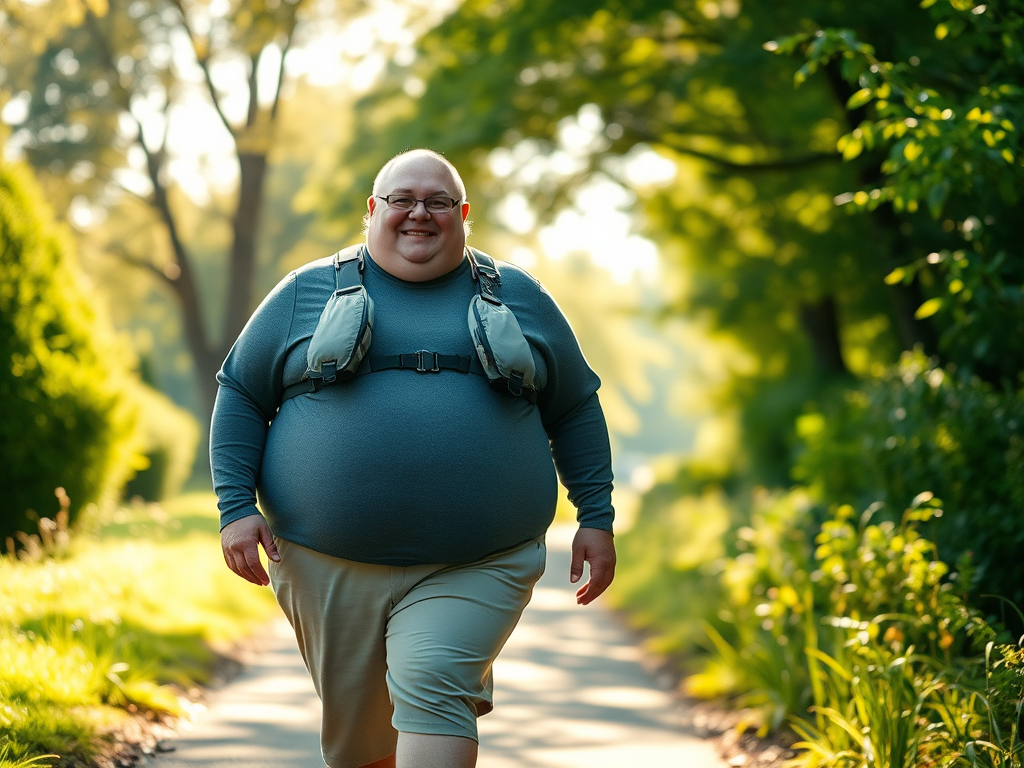


Are you walking to lose weight but can’t seem to drop those stubborn pounds? You’re not alone. Walking is widely regarded as one of the best forms of exercise for weight loss. Yet, many individuals struggle to see results, often due to common walking mistakes that hinder their progress. Experts like Jenn Clayton emphasize that while walking can significantly improve your weight loss efforts, certain pitfalls can impede your journey.
This article will delve into the health mistakes when walking to lose weight that might be sabotaging your efforts. From not walking enough to neglecting nutrition and hydration, we’ll cover key factors that can be holding you back. By identifying and addressing these blunders, you’re sure to improve walking to achieve your weight loss goals more effectively.
Key Takeaways
- Walking at a brisk pace for 150 minutes per week is essential for weight loss.
- Aim for 75 minutes or more of intense walking weekly for enhanced results.
- 80 to 90% of weight loss success relies on nutrition; focus on whole foods.
- Incorporate a warm-up and cool-down of 5 to 10 minutes each before and after walking.
- Hydration is crucial—drink water before, during, and after your walks.
- Strength training is vital to maintain lean muscle and boost metabolism.
- Consistency in your walking routine is necessary for achieving lasting results.
Understanding the Importance of Walking for Weight Loss
Walking is now seen as a great way to lose weight. It’s easy to do and good for your health. Studies show it can lead to losing a lot of weight over time.
To get the most benefits, try to walk at least 150 minutes a week. This can be broken down into 75 minutes of more intense walking. Remember, walking is not just for burning calories. It also makes your metabolism work better and improves your mood.
Adding strength training to your walking routine can help you lose more weight. Try to do this twice a week. This will make your walking more effective.
Sticking to your walking plan is key to seeing results. If you don’t walk regularly, you won’t reach your weight loss goals. Also, changing your walking route often is good. It keeps your walks interesting and works different muscles.
Not Walking Enough
Many people don’t walk enough, which can stop them from losing weight. Studies show that exercise is key to keeping weight off. Knowing how long to walk is important for the best results.
Recommended Walking Duration for Weight Loss
The American Heart Association recommends 30 to 60 minutes of brisk walking daily. This helps with weight loss and lowers health risks. If you’re new to walking, start small and add a few minutes each week.
In a month, you could go from walking 20 minutes to 32 minutes. This is a big improvement.
Benefits of Regular Walking
Walking does more than just burn calories. Each mile can burn 55 to 140 calories, based on your weight. Regular walking helps lose fat, improves heart health, and boosts overall well-being.
Changing terrains or using racewalking can burn more calories. Adding interval walking to your routine can also help lose body fat and boost metabolism. It’s especially helpful when trying to lose weight.
| Walking Duration | Calories Burned per Mile | Health Benefits |
|---|---|---|
| 30-60 minutes | 55-140 calories | Fat loss, improved cardiovascular health |
| Short increments | Varies by weight | Enhancing stamina and well-being |
| Regular interval walking | Increased calorie burn | Decreased body fat, boosted metabolism |
Not Increasing the Intensity of Your Walk
Many walkers don’t challenge their bodies by not upping the walk’s intensity. Staying in a routine can make losing weight harder. Adding variety to your walks can make them more fun and burn more calories.
Try brisk walking, walking uphill, or interval walking. These methods work different muscles and make your workout more intense.
Ways to Enhance Your Walking Routine
To get the most out of your walks, try these tips:
- Incorporate Weights: Light weights can make your muscles work harder and burn more calories.
- Change Terrains: Walking on hills or trails makes your walks more challenging and intense.
- Interval Walking: Switch between fast and slow walks to raise your heart rate and boost heart health.
- Monitor Your Pace: Strive for a brisk pace that keeps your heart rate at 60-70% of its max for best results.
The Impact of Interval Walking on Caloric Burn
Interval walking is great for burning calories and losing fat. A study found that short, fast walks boost your metabolism even after you stop walking.
Try mixing 1-2 minutes of fast walking with 3-4 minutes of slow walking. This method helps with weight loss and keeps walks interesting.
Skipping Warm Up and Cool Down
Many active people don’t see the value in warming up and cooling down. This can hurt your fitness goals. These steps are key to getting ready for exercise and recovering after.
The Importance of Injury Prevention
Adding a good warm-up to your walking routine is vital for injury prevention and better performance. It gets your body ready by warming it up and improving blood flow. This helps prevent muscle soreness and injuries.
After walking, cooling down is just as important. It helps your heart rate and blood pressure return to normal. This is crucial for anyone who exercises regularly.
Effective Warm Up Exercises
Spending 5 to 10 minutes on warm-up exercises can greatly benefit you. Focus on getting your big muscle groups ready, especially those used in walking. Here are some good activities to try:
- Start with a 5-minute slow walk to gently engage your muscles.
- Incorporate dynamic stretches such as leg swings or arm circles to boost range of motion.
- Add movements like high knees or butt kicks to increase intensity gradually.
These exercises help your body adjust to brisk walking. Making warm-up and cool-down a regular part of your routine is key to a well-rounded fitness plan.
Neglecting Nutrition

Nutrition is key to losing weight. Many focus too much on exercise and forget about nutrition. This can slow down their weight loss.
Studies show that people often think exercise alone will lead to big weight loss. But, this isn’t always true. It’s important to understand how nutrition and weight loss are connected.
How Diet Influences Weight Loss
Some try extreme diets to lose weight fast. But, cutting out foods can make you crave them more. This can make you feel bad about food.
Eating all foods in moderation is better. It helps you lose weight in a way that feels good. Celebrating small wins, like more energy, can make you feel great.
Balancing Calories with Physical Activity
Creating a caloric deficit is key to losing weight. But, exercise alone might not be enough. Eating too little can make you feel very hungry.
Choosing foods high in protein, like chicken and salmon, helps keep your muscles strong. This is important for burning calories. Eating mindfully and staying active is the best way to lose weight for good.
| Key Points | Insights |
|---|---|
| Overestimating Weight Loss | Many people think exercise alone will lead to significant weight loss. |
| Moderation is Key | Restricting food leads to cravings; include all foods in moderation. |
| Non-Scale Victories | Celebrate improvements in energy, strength, and mood rather than just focusing on the scale. |
| Caloric Deficit | A balance of burning more calories than consumed is essential for weight loss. |
| Protein Intake | High-protein foods help build and sustain lean muscle mass. |
Forgetting to Hydrate
Many people forget to drink enough water when they exercise. This mistake can hurt how well you perform. Not drinking enough can make you feel tired, less focused, and less able to keep going.
Impact of Dehydration on Exercise Performance
Not drinking enough water can make you perform worse and might even hurt you. It makes it hard for your body to cool down and work right. If you often forget to drink, you might feel really tired, get headaches, and cramp up.
These problems can make you want to stop walking. It also makes your walks less helpful for losing weight and getting fit.
How to Stay Hydrated During Walking
It’s important to drink water while you walk to do well. Here are some easy ways to stay hydrated:
- Drink water before you start walking to get ready.
- Carry a water bottle and drink a little bit while you walk, especially when it’s hot.
- If you walk for more than an hour, drink water with some salt or other minerals to replace what you lose.
- Use your phone or watch to remind you to drink water.
- Check how much water you drink all day to stay hydrated.
By following these tips, you can drink more water and do better. This will help you lose weight faster.
| Hydration Status | Performance Level | Impact on Weight Loss |
|---|---|---|
| Well Hydrated | Optimal | Facilitates fat oxidation and metabolism |
| Moderately Hydrated | Average | May impact exercise effectiveness but manageable |
| Dehydrated | Poor | Slows metabolism and fat loss |
Wearing the Wrong Shoes
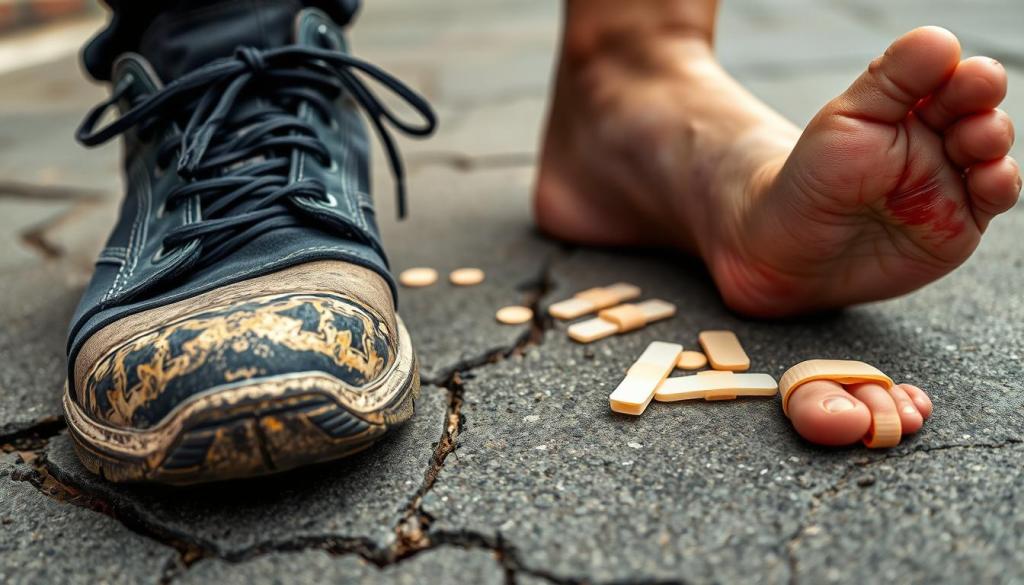
Choosing the right shoes for walking is key to your comfort and performance. The right shoes can prevent foot injuries, making your walks better. Look for shoes with good shock absorption and support for a pain-free walk.
Choosing the Right Footwear for Walking
Good walking shoes have important features for your feet. Here’s what to look for:
- Well-padded heels for comfort during movement
- Lightweight materials to avoid feeling weighed down
- Breathable fabrics that keep your feet cool
- Water-resistant options to prevent dampness during wet conditions
- A fit that is neither too tight nor too loose for proper support
Wearing the wrong shoes can cause foot injuries. Choose shoes from trusted brands known for quality and comfort.
Common Foot Injuries From Improper Shoes
Improper shoes can lead to several foot injuries. Here are some common ones:
| Foot Injury | Cause |
|---|---|
| Shin Splints | Lack of support and cushioning |
| Plantar Fasciitis | Insufficient arch support |
| Bunions | Narrow or ill-fitting shoes |
| Blisters | Friction from improper fitting |
| Joint Strain | Poor shock absorption and cushioning |
These issues can make walking hard and affect your exercise routine. Focus on comfort and the right fit to enjoy walking and avoid foot injuries.
Not Including Strength Training
Adding strength training to your routine can really help with weight loss. Without it, walking alone might not be enough. It can make your muscles weaker, slowing down your fitness progress.
Strength training boosts your metabolism and builds lean muscle. This means you burn more calories, even when you’re not moving.
Benefits of Combining Walking with Strength Exercises
Mixing walking with strength exercises can be very effective. It helps keep your muscles strong while you lose fat. This way, you can look more toned.
This combination can:
- Make your metabolism work harder, burning more calories all day.
- Make your walks more efficient and safer, reducing injury risk.
- Boost your strength, making everyday tasks easier.
Recommended Strength Training Movements
There are many exercises you can add to your walking routine. Here are some top picks:
| Exercise | Target Muscles | Instructions |
|---|---|---|
| Squats | Quadriceps, hamstrings, glutes | Stand with feet shoulder-width apart, lower your body as if sitting a chair, keep your back straight, then return to standing. |
| Lunges | Quadriceps, hamstrings, glutes | Step forward with one leg, lowering your hips until both knees are bent at about a 90-degree angle, push back to starting position. |
| Planks | Core, shoulders, back | Lie face down, raise your body on your toes and forearms, keeping your body in a straight line; hold for as long as you can. |
| Push-Ups | Chest, shoulders, triceps | Start in a plank position, lower your body until your chest nearly touches the floor, then push back up. |
Not Allowing for Recovery Between Workouts
Recovery days are key to getting the most out of your workouts. Skipping these days can slow down your progress. It might even lead to overtraining, causing physical and mental health problems.
These issues include higher cortisol levels, mood swings, and increased hunger. All these can work against your weight loss goals.
The Role of Rest Days in Your Fitness Routine
Rest days are vital for your fitness plan. Experts say you should have one to two rest days a week, based on your fitness level. After a tough workout, you need at least 24 hours to recover.
This time lets your muscles fix themselves, get stronger, and perform better in future workouts. A good mix of strength training and cardio is important. Aim for three strength workouts and one to two cardio sessions a week for the best results.
Signs You Need a Rest Day
Knowing when to take a rest day is crucial for your health. Look out for these signs:
- Persistent muscle soreness
- Decreased motivation to exercise
- Difficulty concentrating during workouts
- Increased fatigue levels
- Signs of mood instability
Resting when needed helps avoid injuries and keeps you on track with your fitness goals. With enough recovery, you can keep up your workout routine. This leads to lasting weight loss and better overall health.
Not Being Consistent

Keeping up a walking routine is key for losing weight. Regular walks help you make progress. But, if you’re not consistent, you might face setbacks.
To get the most out of walking, make a routine that fits your life. This routine boosts your health and mood.
Establishing a Walking Routine
Start by walking briskly for at least 30 minutes each day. Aim for about 10,000 steps. Studies show walking 4 miles a day can lower obesity risks.
Keep track of your walking time and steps. Seeing your progress can motivate you.
- Set aside time for daily walks.
- Track your steps and minutes for motivational boosts.
- Gradually increase your activity over time.
The Consequences of Inconsistency
Skipping walks can harm your health and slow down weight loss. Irregular walking can make you feel frustrated and unmotivated. Without a routine, your results may dwindle, raising risks of obesity and mental health issues.
Staying consistent can greatly improve your outcomes.
| Inconsistency Consequences | Potential Health Risks |
|---|---|
| Irregular walking | Increased risk of obesity |
| Skipping workouts | Higher likelihood of sleep issues |
| Lack of tracking progress | Increased risk of depression |
| Absence of a set routine | Higher risk of chronic diseases |
Not Switching Up Your Walking Routine

Walking the same route every day can get boring. It can also slow down your progress. Trying new routes keeps your walks exciting and helps you stay motivated.
Variety in Walking Routes and Terrain
Walking in different places like parks or hills makes it more fun. Each place offers its own challenges that boost your fitness. For example, hills work more muscles than flat ground.
Try walking in both cities and nature to see new things. It keeps your walks interesting while helping you reach your goals.
How Changing Your Routine Impacts Results
Sticking to the same routine limits your body’s growth. Mixing up your walks and trying different levels can really help. Research shows that changing your routine leads to better results.
It’s important to stay consistent, but adding new challenges keeps you moving forward. This helps you lose weight and stay healthy for longer.
Health Mistakes When Walking to Lose Weight
Walking is great for fitness and weight loss, but many make mistakes. They often don’t drink enough water, wear the wrong shoes, and skip warm-ups. Knowing these mistakes is key to losing weight.
Common Misconceptions About Walking
Some think walking slowly is enough for weight loss. But studies show faster walking burns more calories and can add years to your life. It’s also important to remember the World Health Organization’s 150 minutes of exercise a week rule.
Eating too little can hurt your metabolism. It’s important to eat right while you exercise. This balance is crucial for losing weight.
Strategies to Avoid These Mistakes
To get the most out of walking, try walking faster or using intervals. Wear the right shoes to avoid pain. Keep your posture right to protect your body.
Drink plenty of water and don’t skip warm-ups or cool-downs. Pay attention to your body’s signals. Ignoring pain can lead to serious problems. By avoiding these mistakes, you can make your walking routine more effective.
FAQ
What are common mistakes people make when trying to lose weight through walking?
Many people don’t walk enough. They also don’t increase the intensity of their walks. Skipping warm-up and cool-down routines is another mistake.
Not paying attention to nutrition and forgetting to hydrate are also common errors. Wearing the wrong shoes and neglecting strength training are other mistakes. Lastly, not being consistent is a big mistake.
How much walking should I do each week to achieve weight loss?
The American Heart Association suggests 150 minutes of moderate-intensity walking weekly. This can be split into daily sessions.
Why is it important to vary the intensity of my walks?
Changing the intensity, like brisk or hill walking, challenges your body. It increases calorie burn and muscle engagement.
What should I do to properly warm up before walking?
Warm up for 5-10 minutes with activities that prepare your muscles and joints. Dynamic stretches for legs and arms are good examples.
How does nutrition impact my weight loss journey when walking?
Nutrition is key for weight loss. Focus on whole foods, keep a caloric deficit, and balance your diet. This complements your walking routine well.
What are the effects of dehydration on my walking performance?
Dehydration causes fatigue, decreased performance, and injury risk. Drink water before, during, and after walks.
How can I choose the right shoes for walking?
Choose shoes with good shock absorption, support, and comfort. This prevents foot injuries like shin splints and joint strain.
Why is strength training important when incorporating walking into my fitness routine?
Strength training keeps lean muscle mass while losing fat. It boosts metabolism and makes walking more effective.
How important are rest days in my walking routine?
Rest days are crucial for recovery. They allow muscles to repair and grow, improving walking performance.
How can I maintain consistency in my walking routine?
Create a structured walking schedule. Set specific times for walks. Use progress tracking to stay accountable and motivated.
What can I do to avoid monotony in my walking sessions?
Change your walking routes and try different terrains. Add new challenges to keep your routine fresh and prevent plateaus.
What are some misconceptions about walking for weight loss?
Some think walking alone is enough for weight loss. But intensity, nutrition, and recovery matter too. Knowing this can improve your results.
Source Links
- 10 Walking Mistakes That Kept Me Fat I Vowed Never to Repeat After Losing 140 Pounds – https://bodynetwork.com/mistakes-weight-loss-nutritionist-journey/
- Walking Mistakes To Avoid For Weight Loss – Blog – HealthifyMe – https://www.healthifyme.com/blog/walking-mistakes-to-avoid/
- Walking for Weight Loss? Avoid These 10 Common Mistakes – https://www.eatthis.com/walking-for-weight-loss-mistakes/
- 14 Walking Mistakes Sabotaging Your Weight Loss That Experts Urge You to Stop – https://bodynetwork.com/14-walking-mistakes-sabotaging-weight-loss/
- Why You Aren’t Losing Weight With Walking – https://www.verywellfit.com/walking-off-weight-why-am-i-not-losing-weight-3432737
- 7 Walking Mistakes that Prevent Weight Loss After 50 – https://www.flippingfifty.com/walking-mistakes/
- Walking: Is it enough for weight loss? – https://www.mayoclinic.org/healthy-lifestyle/weight-loss/expert-answers/walking/faq-20058345
- 5 Walking Mistakes That Are Ruining Your Efforts | – Times of India – https://timesofindia.indiatimes.com/life-style/health-fitness/fitness/5-walking-mistakes-that-are-ruining-your-efforts/articleshow/108011243.cms
- This Easy Walking Plan Can Help You Lose Weight—No Gym Required – https://www.eatingwell.com/article/7905005/walking-for-weight-loss-plan/
- Is walking exercise? 7 things to know about your daily walking routine | Medical City Healthcare – https://www.medicalcityhealthcare.com/healthy-living/blog/is-walking-exercise-7-things-to-know-about-your-daily-walking-routine
- Walk your way to fitness – https://www.mayoclinic.org/healthy-lifestyle/fitness/in-depth/walking/art-20046261
- The right way to warm up and cool down – https://www.mayoclinic.org/healthy-lifestyle/fitness/in-depth/exercise/art-20045517
- 3 Common Weight Loss Mistakes That Are Making you Miserable | eMed UK – https://www.emed.com/uk/blog/health/3-common-weight-loss-mistakes-that-are-making-you-miserable
- Top Weight Loss Mistakes and How to Avoid Them – https://evolvedpt.com/blog/150383/Top-Weight-Loss-Mistakes-and-How-to-Avoid-Them
- What happens if you exercise but don’t eat well? | CNN – https://www.cnn.com/2023/09/25/health/bad-diet-exercise-wellness/index.html
- 14 Reasons You’re Not Losing Weight – https://www.weightwatchers.com/us/blog/weight-loss/weight-loss-struggles
- How I walked off 60 lbs | Blue Cross NC – https://www.bluecrossnc.com/blog/healthy-living/fitness/walking-off-60-lbs
- Avoid These Weight Loss Mistakes Women Over 50 Often Make – https://fabulous50s.com/avoid-these-weight-loss-mistakes-women-over-50-often-make/
- Common Walking Mistakes – https://www.webmd.com/fitness-exercise/ss/slideshow-walking-mistakes
- Unexpected Benefits Of Walking And Weight Loss: Find Out Now! – https://fitelo.co/weight-loss/walking-and-weight-loss/
- 7 Reasons Your Walking Routine Isn’t Helping You Lose Weight – https://www.prevention.com/fitness/a20494968/7-reasons-your-walks-dont-burn-calories/
- Having a Tough Time Losing Weight? This Might Be Why – https://www.health.com/weight-loss/working-out-and-still-not-losing-weight-here-are-7-reasons-why
- 14 Common Reasons You’re Not Losing Weight – https://www.healthline.com/nutrition/20-reasons-you-are-not-losing-weight
- 5 Exercise Mistakes That Can Actually Halt Weight Loss | Livestrong.com – https://www.livestrong.com/article/13722980-how-to-exercise-to-lose-weight/
- Why you shouldn’t exercise to lose weight, explained with 60+ studies – https://www.vox.com/2016/4/28/11518804/weight-loss-exercise-myth-burn-calories
- Should you take a break from exercise? – https://health.osu.edu/wellness/exercise-and-nutrition/should-you-take-a-break-from-exercise
- I am walking for weight loss. Should I track minutes, miles or steps? – https://www.today.com/health/diet-fitness/walking-weight-loss-track-minutes-miles-steps-rcna46038
- What’s the magic number of steps to keep weight off? Here’s what we know | CNN – https://www.cnn.com/2022/10/10/health/steps-for-weight-loss-wellness/index.html
- Can You Lose Weight by Walking an Hour a Day? – https://www.healthline.com/nutrition/can-you-lose-weight-by-walking-an-hour-a-day
- Walking to Lose Weight: It’s Possible, and Here’s How – https://www.verywellhealth.com/walking-to-lose-weight-8424719
- 5 Mistakes You’re Making When Walking & How to Fix Them – https://www.eatingwell.com/walking-mistakes-and-how-to-fix-them-7158418
- The Biggest Mistakes Dieters Make – https://www.ymcamidtn.org/health-and-fitness/articles/biggest-mistakes-dieters-make
- 10 walking mistakes people often make – https://timesofindia.indiatimes.com/life-style/health-fitness/web-stories/10-walking-mistakes-people-often-make/photostory/109272891.cms



 trim down and shape up
Leave a comment