



Magnesium is the fourth most abundant mineral in our bodies. It plays a key role in over 300 reactions that keep us healthy. These include helping with protein making, energy use, muscle and nerve work, blood pressure, and blood sugar control.
Studies show that enough magnesium can help with weight loss. It does this by improving these important processes. Knowing how magnesium helps with weight loss and how to get more of it can boost your health and weight loss goals.
Key Takeaways:
- Magnesium is the fourth most abundant mineral in the human body, involved in over 300 essential reactions.
- Adequate magnesium intake may support weight loss by optimizing critical processes like energy metabolism and blood sugar regulation.
- Nearly 50% of Americans are not getting enough magnesium, which can impact weight management and overall health.
- Understanding the role of magnesium in weight loss can help enhance your weight loss efforts and improve your well-being.
- Incorporating magnesium-rich foods or supplements into your diet may be a valuable strategy for weight management.
Understanding Magnesium’s Role in Body Function
Magnesium is a key mineral in our bodies. It helps with over 300 important chemical reactions. This makes it crucial for our health and can help with weight loss.
Key Biological Functions of Magnesium
Magnesium is vital for energy, nerve signals, muscle movement, and heart rhythm. It helps move calcium and potassium, which are key for heart, muscle, and kidney function. It also helps keep teeth and bones strong.
The Fourth Most Abundant Mineral
An adult’s body has about 25 grams of magnesium. Half of it is in bones, and the rest in soft tissues. Keeping magnesium levels healthy is important. It may lower risks of heart disease, stroke, diabetes, and osteoporosis.
300+ Essential Body Reactions
Magnesium is involved in over 300 body reactions. It supports energy, blood sugar, and more. This mineral is essential for our health and well-being.
“Magnesium is essential for various bodily processes, including energy production, blood sugar regulation, and necessary chemical reactions.”
Weight Loss, Magnesium and Metabolic Health

Magnesium is key for metabolic health and aids in weight loss. Research shows it helps control blood sugar and insulin in those who are overweight. A 2013 study found that more magnesium intake improves blood sugar and insulin levels.
Magnesium also helps with bloating and water retention. These issues can impact weight and body shape.
But, magnesium is just one part of losing weight. Eating right, exercising, and living healthy are also crucial. These habits help achieve and keep off weight.
To avoid magnesium deficiency and aid in weight loss, here are the daily magnesium needs:
- Adult male: 400-420 milligrams (mg)
- Adult female: 310-320 mg
- During pregnancy: 350-360 mg
- During lactation: 310-320 mg
Eating foods rich in magnesium is important. These include pumpkin seeds, chia seeds, almonds, and spinach. Whole grains, beans, soy milk, edamame, peanut butter, and yogurt are also good sources. Yet, many in the U.S. don’t get enough magnesium, making supplements or more food sources key.
“Magnesium alone is not a miracle weight loss solution but rather a component of a comprehensive approach to weight management.”
How Magnesium Influences Energy Production

Magnesium is key in the body’s energy-making process. It helps turn adenosine triphosphate (ATP) into energy. ATP is the main energy carrier in cells. Magnesium makes ATP work by forming a magnesium-ATP complex.
ATP Production and Energy Metabolism
The magnesium-ATP complex is important for energy making. It helps turn carbs and fats into energy. This makes the body use energy better, which can help with weight loss.
Cellular Energy Utilization
Magnesium is also important for cell structure and function. It helps move ions like potassium and calcium. This is key for cell signaling and energy control.
| Statistic | Value |
|---|---|
| Percentage of US adults with insufficient magnesium intake | About 50% |
| Tolerable upper intake level for supplemental magnesium | 350 mg/day |
| Percentage of total body magnesium found in the skeleton | 50-60% |
| Number of essential metabolic reactions involving magnesium | More than 300 |
Having enough magnesium is vital for energy and metabolism. It helps with weight loss. Knowing magnesium’s role can improve health and weight management.
Blood Sugar Regulation and Insulin Sensitivity

Magnesium is key for keeping blood sugar levels healthy and improving how well the body uses insulin. Studies show that enough magnesium helps the body use insulin better. This hormone controls blood sugar levels.
When the body can’t use insulin well, blood sugar goes up, and weight gain can happen. Magnesium helps by making the body more sensitive to insulin. This can help in losing weight by stopping insulin resistance and reducing fat storage.
- Diabetes mellitus is often linked to magnesium deficiency, affecting 25% to 39% of people.
- Older type 2 diabetes patients often have low magnesium levels, which can make insulin sensitivity worse.
- Magnesium supplements improved insulin sensitivity in diabetic rats by boosting insulin receptor activity.
Also, research found that magnesium supplements greatly improved blood sugar control in type 2 diabetes patients. This includes better HbA1C, insulin levels, C-peptide levels, and HOMA-IR scores.
“The daily administration of 250 mg of elemental Mg resulted in a significant improvement in various glycemic control indicators among type 2 diabetes (T2D) patients after three months of intervention.”
Magnesium helps regulate blood sugar and improve insulin sensitivity. This is vital for weight loss and better metabolic health.
Impact on Body Fat Storage and Metabolism

Magnesium is key in controlling how our body stores and uses fat. It works by making fats harder to absorb in the intestines. This can lead to less fat being used for energy, helping with weight loss.
Magnesium also helps with how we use energy and manage blood sugar. This can lead to a healthier metabolism. A healthy metabolism helps prevent too much fat from building up.
Caloric Absorption Effects
Studies show that the right amount of magnesium can affect how we absorb calories. When magnesium binds with fats, it makes them harder to absorb. This could mean fewer calories are stored as fat.
“Embracing a regimen with 200-400 mg of magnesium daily may reduce inflammation; this is checked by measuring C-reactive protein (CRP), Interleukin-6 (IL-6), and Tumor Necrosis Factor alpha (TNF-α) in the blood.”
Magnesium helps keep our metabolism healthy and reduces inflammation. This can be very helpful in managing body fat and weight.
Magnesium’s Role in Reducing Inflammation

Chronic inflammation is a big problem in weight gain and obesity. Studies show that obesity leads to a long-lasting inflammation. Luckily, enough magnesium intake and supplementation can dampen chronic inflammation linked to obesity.
A recent study looked at 17 trials with 889 people. It found that magnesium supplementation significantly reduced serum C-reactive protein (CRP) levels. CRP is a sign of inflammation in the body. The study also saw an increase in nitric oxide (NO) levels, which helps control inflammation.
The study showed that magnesium supplementation also lowered other inflammation markers. These include plasma fibrinogen, tartrate-resistant acid phosphatase type 5, tumor necrosis factor-ligand superfamily member 13B, ST2 protein, and IL-1. This means that adequate magnesium intake may help regulate inflammatory pathways and reduce inflammation linked to obesity.
| Inflammatory Marker | Effect of Magnesium Supplementation |
|---|---|
| C-reactive protein (CRP) | Significant decrease |
| Nitric oxide (NO) | Significant increase |
| Plasma fibrinogen | Significant decrease |
| Tartrate-resistant acid phosphatase type 5 | Significant decrease |
| Tumor necrosis factor-ligand superfamily member 13B | Significant decrease |
| ST2 protein | Significant decrease |
| IL-1 | Significant decrease |
The studies used daily magnesium doses from 250mg to 500mg. They used different types of magnesium, like oxide, citrate, pidolate, and chelate. The studies lasted from 4 to 26 weeks and involved people with various health issues.
These findings show the crucial role of magnesium in regulating inflammation. Inflammation is a key factor in obesity. By eating magnesium-rich foods and possibly taking magnesium supplements, people with obesity-related inflammation may see anti-inflammatory benefits. These benefits can help with weight loss.
Appetite Control and Hunger Management

Keeping a healthy appetite and managing hunger are key to losing weight. Research shows that magnesium might help with these tasks.
Effects on CCK Hormone Production
Magnesium may help control hunger by boosting CCK hormone levels. CCK helps you feel full and eat less. This could lead to weight loss over time.
Blood Sugar Balance and Cravings
Magnesium also helps balance blood sugar. This prevents big spikes and drops that make you crave sweets. It helps you stick to a healthy diet and avoid bad cravings.
Eating more magnesium-rich foods or taking supplements can help with weight loss. It supports better hunger control and appetite management.
| Statistic | Value |
|---|---|
| Up to 75% of people struggle to lose weight and sleep soundly due to a lack of magnesium | 75% |
| At least half of Americans are not getting sufficient magnesium | 50% |
| Recommended daily allowance of magnesium for women | 310-320 milligrams |
| Recommended daily allowance of magnesium for pregnant or nursing women | 350-360 milligrams |
| Recommended daily allowance of magnesium for men | 400-420 milligrams |
“Adequate magnesium intake can reduce diabetes risk, with those consuming 300 milligrams per day carrying about 25 fewer pounds of fat compared to those with lower magnesium intake.”
Recommended Daily Magnesium Intake Guidelines
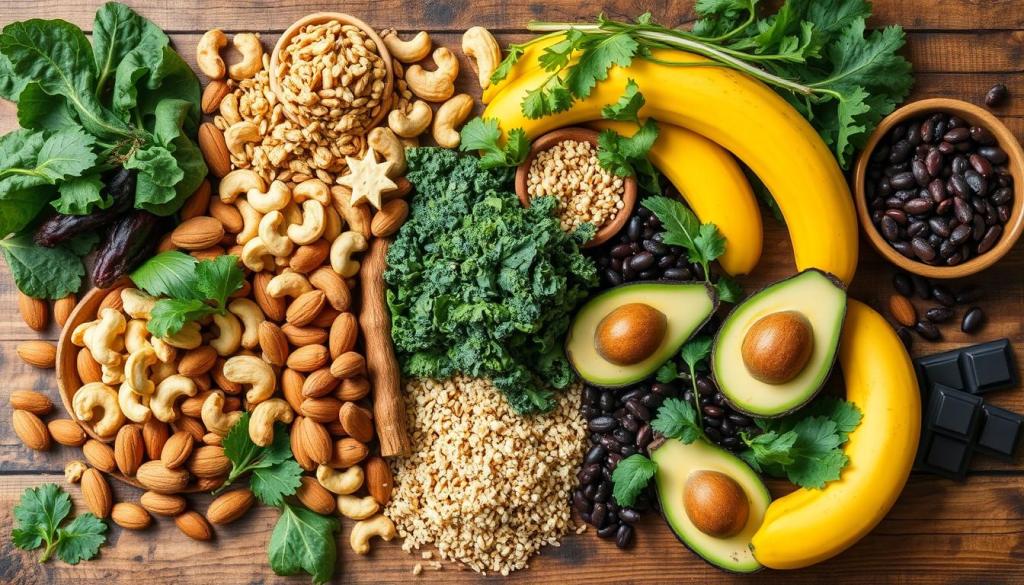
Keeping magnesium levels right is key for health and weight loss. The daily magnesium intake varies by age and gender. Adult males need 400-420 milligrams (mg) a day. Adult females should aim for 310-320 mg.
Pregnant women need 350-360 mg daily. Those breastfeeding should get 310-320 mg. These amounts help with energy, blood sugar, and muscle function.
| Population Group | Recommended Magnesium Intake (mg/day) |
|---|---|
| Adult males | 400-420 mg |
| Adult females | 310-320 mg |
| Pregnant women | 350-360 mg |
| Breastfeeding women | 310-320 mg |
These guidelines come from health organizations. Following them can prevent magnesium deficiency. It also supports health and weight management.
Eating a balanced diet with magnesium-rich foods is best. Foods like leafy greens, nuts, seeds, and whole grains help meet daily needs. For those who can’t get enough from food, magnesium supplements can be helpful. Just make sure to follow the recommended amounts.
Best Food Sources of Magnesium
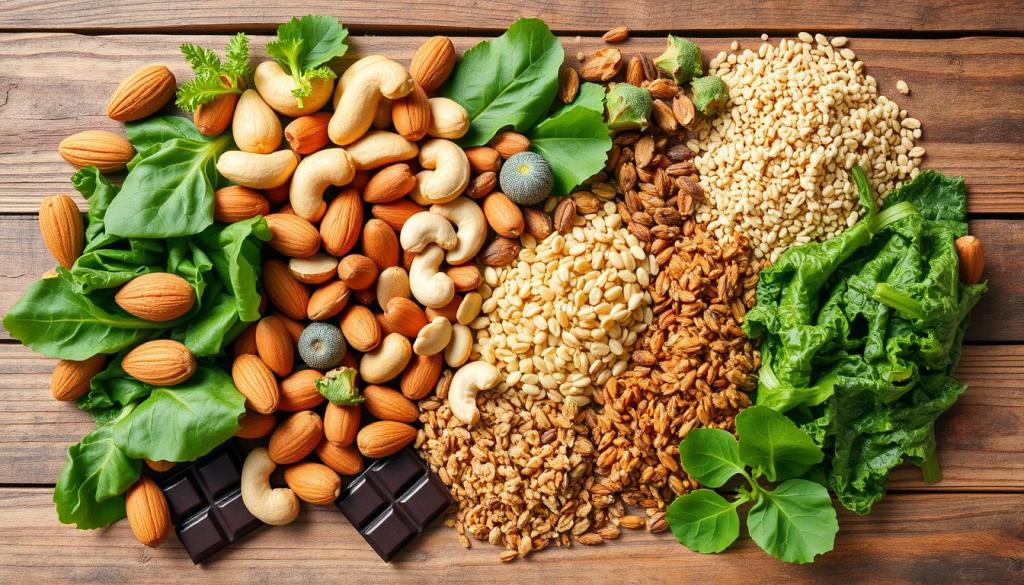
Magnesium is a key mineral found in many foods. Eating magnesium-rich foods helps keep your body healthy. It’s important to get enough magnesium from your diet.
Seeds and Nuts
Pumpkin seeds are packed with magnesium, offering 156 mg per ounce. That’s 40% of what you need daily. Chia seeds and almonds are also great sources, with 111 mg and 80 mg per ounce, respectively.
Vegetables and Legumes
Leafy greens like spinach are full of magnesium, with 78 mg per half cup. Black beans and edamame also provide a lot of magnesium, with 60 mg and 50 mg per half cup, respectively.
Whole Grains and Dairy
Whole grains, like brown rice, offer 42 mg of magnesium per half cup. Yogurt is another good source, with 42 mg per cup.
Eating a mix of these magnesium-rich foods daily can help meet your magnesium needs. This supports your overall health and well-being.
| Food | Magnesium Content | Percentage of Daily Value |
|---|---|---|
| Pumpkin seeds (1 ounce) | 156 mg | 40% |
| Chia seeds (1 ounce) | 111 mg | 28% |
| Almonds (1 ounce) | 80 mg | 20% |
| Spinach (1/2 cup, boiled) | 78 mg | 20% |
| Black beans (1/2 cup) | 60 mg | 15% |
| Edamame (1/2 cup) | 50 mg | 13% |
| Brown rice (1/2 cup) | 42 mg | 11% |
| Yogurt (1 cup) | 42 mg | 11% |
Signs of Magnesium Deficiency

Magnesium is a key mineral for our bodies. Sadly, many people don’t get enough of it. It’s thought that 2-15% of Americans might have low magnesium levels. This can cause symptoms that are often missed or blamed on other health problems.
One early sign of magnesium deficiency is muscle issues. You might notice twitches, tremors, or cramps. This is because magnesium helps muscles work and nerves send signals. It also affects our mood, leading to feelings of apathy, stress, depression, and anxiety.
Magnesium is also vital for strong bones. Without enough, you might get osteoporosis, which weakens bones. Other signs include feeling tired, weak muscles, and high blood pressure.
- Irregular heartbeat or heart arrhythmia can result from low magnesium levels.
- Severe asthma has been associated with magnesium deficiency.
- Nausea, constipation, headaches, and numbness or tingling in the hands and feet may also indicate a need for more magnesium.
It’s important to keep magnesium levels up for good health. Eating foods rich in magnesium, like seeds, nuts, whole grains, beans, and leafy greens, helps. This way, your body gets the magnesium it needs to work well.
Magnesium Supplementation Types and Safety

Magnesium supplements come in different forms, each with its own benefits and how well the body absorbs them. Magnesium citrate and magnesium oxide are two common types. Magnesium citrate is better absorbed, making it more effective for increasing magnesium levels.
Other types include magnesium chloride, gluconate, lactate, and orotate. These can also be good choices because they are easily used by the body. Supplements can help with magnesium deficiency, which many people have.
Proper Dosage and Precautions
It’s key to follow the right dosage when taking magnesium supplements. Adults need 270 to 400 milligrams a day, based on age and gender. Taking more than 350 milligrams can cause side effects like diarrhea and stomach cramps.
People with kidney disease should talk to a doctor before taking magnesium supplements. They can also affect how certain medicines work. Always check with a healthcare provider before starting supplements.
| Magnesium Supplement Type | Absorption Rate | Potential Benefits |
|---|---|---|
| Magnesium citrate | High | Improved digestion, heart health, and energy production |
| Magnesium oxide | Low | May help with constipation, but less effective for raising magnesium levels |
| Magnesium chloride | Moderate | May support heart health and regulate blood pressure |
| Magnesium lactate | Moderate | Gentle on the digestive system, suitable for those needing higher doses |
| Magnesium orotate | Moderate | May promote cardiovascular health and energy production |
Choosing the right magnesium supplement is important. Look at the type, dosage, and possible side effects. Talking to a healthcare professional can help find the best supplement for you.
Combining Magnesium with Other Weight Loss Strategies

Magnesium is a great tool for weight loss, but it’s even better when used with other strategies. A complete plan includes good food, regular exercise, and changes in your lifestyle. This way, magnesium can help you reach your weight loss goals more easily.
Eating foods high in fiber, choosing protein, and cutting down on sugar are key for a balanced diet. Also, doing at least 150 minutes of moderate exercise a week and sleeping 7-9 hours nightly are important. These habits work well with magnesium to help you lose weight.
Using magnesium in a full weight loss plan helps with blood sugar, energy, and inflammation. These are all important for burning fat and keeping your metabolism healthy. Mixing magnesium with other proven methods is the best way to keep weight off for good.
Magnesium alone may not change your BMI much without other weight loss plans. This shows how important it is to use magnesium with other methods like eating less and eating magnesium-rich foods.
“Combining magnesium with other natural chemicals such as chromium, magnesium citrate, or magnesium glycinate can enhance its bioavailability, potentially improving its efficacy in weight loss strategies.”
A good weight loss plan includes diet and exercise, lifestyle changes, and enough magnesium. This holistic approach lets magnesium work its best. You’ll see lasting results in your weight management.
Conclusion
Magnesium is key for many body functions that help with weight control and health. Studies show it can lower body fat, improve blood sugar, reduce inflammation, and help control hunger. These benefits can aid in losing weight.
While magnesium supplements alone can’t solve weight loss, they are part of a good plan. Eating magnesium-rich foods, exercising, and living healthy can help. This way, people can use magnesium’s benefits for better weight management and overall health.
Before changing your diet or taking magnesium supplements, talk to a doctor or dietitian. They can help figure out what you need. This ensures magnesium is used safely and effectively in your weight loss and health plan.
FAQ
What is the role of magnesium in weight loss?
Magnesium helps with energy, blood sugar, and inflammation. It also controls hunger.
How does magnesium deficiency affect weight loss?
Not enough magnesium can mess with energy and blood sugar. It also affects inflammation and hunger.
How can magnesium be incorporated into a weight loss plan?
Eating enough magnesium or taking supplements is key. It works best with a healthy diet, exercise, and lifestyle.
What are the recommended daily magnesium intake guidelines?
Adults need: Males 400-420 mg, Females 310-320 mg. Pregnant women need 350-360 mg. Lactating women need 310-320 mg.
What are the best food sources of magnesium?
Good sources include pumpkin seeds, chia seeds, and almonds. Spinach, cashews, soy milk, and black beans are also good. So are edamame, peanut butter, and whole grains.
What are the signs of magnesium deficiency?
Signs include muscle weakness, tiredness, and an irregular heartbeat.
What are the different types of magnesium supplements and how do they differ?
There are many types like magnesium oxide and citrate. Some are easier to absorb than others. Citrate, aspartate, and lactate are better than sulfate and oxide.
How can magnesium be combined with other weight loss strategies?
Magnesium works best with a healthy diet, exercise, and lifestyle. Eating more fiber, protein, and less sugar helps. Also, getting enough sleep is important.
Source Links
- Can Magnesium Help You Lose Weight? Here’s What a Dietitian Says – https://www.eatingwell.com/article/8054793/can-magnesium-help-you-lose-weight/
- 6 Ways Magnesium Can Help You Reach Your Weight Loss Goals – https://www.verywellhealth.com/magnesium-for-weight-loss-8386221
- Office of Dietary Supplements – Magnesium – https://ods.od.nih.gov/factsheets/Magnesium-Consumer/
- Office of Dietary Supplements – Magnesium – https://ods.od.nih.gov/factsheets/Magnesium-HealthProfessional/
- Can Taking Magnesium Support Weight Loss? What To Know – https://www.health.com/magnesium-and-weight-loss-8700930
- Magnesium for Weight Loss: Does It Help? – https://www.healthline.com/health/food-nutrition/magnesium-for-weight-loss
- 6 Ways Magnesium Can Help You Reach Your Weight Loss Goals – https://www.verywellhealth.com/magnesium-for-weight-loss-8742553
- Magnesium – https://lpi.oregonstate.edu/mic/minerals/magnesium
- Magnesium intake is inversely associated with risk of obesity in a 30-year prospective follow-up study among American young adults – https://pmc.ncbi.nlm.nih.gov/articles/PMC7483156/
- Magnesium for Weight Loss: Does It Help? – https://ro.co/weight-loss/magnesium-for-weight-loss/
- Magnesium supplementation enhances insulin sensitivity and decreases insulin resistance in diabetic rats – https://pmc.ncbi.nlm.nih.gov/articles/PMC7478262/
- The Effects of Oral Magnesium Supplementation on Glycemic Response among Type 2 Diabetes Patients – https://pmc.ncbi.nlm.nih.gov/articles/PMC6356710/
- Magnesium and Diabetes: How It Can Help, Sources, Risks & Benefits – https://www.healthline.com/health/diabetes/magnesium-and-diabetes
- The Independent Pharmacy – The Safe & Trusted Online Pharmacy – https://www.theindependentpharmacy.co.uk/weight-loss/guides/the-benefits-of-magnesium-and-other-vitamins-on-weight-loss
- Minerals Involved with Weight Loss – https://balchem.com/human-nutrition-health/blog/minerals-involved-with-weight-loss/
- Magnesium in Obesity, Metabolic Syndrome, and Type 2 Diabetes – https://pmc.ncbi.nlm.nih.gov/articles/PMC7912442/
- Effect of Magnesium Supplementation on Inflammatory Parameters: A Meta-Analysis of Randomized Controlled Trials – https://pmc.ncbi.nlm.nih.gov/articles/PMC8838086/
- The Role of Magnesium in the Pathogenesis of Metabolic Disorders – https://pmc.ncbi.nlm.nih.gov/articles/PMC9103223/
- Magnesium and Weight Loss: MD Calls It the “Missing Link” — And Why Women Over 50 Say It Works Miracles – https://www.yahoo.com/lifestyle/magnesium-weight-loss-md-calls-081207415.html
- Progress in Nutrition – https://www.mattioli1885journals.com/index.php/progressinnutrition/article/view/9081
- Magnesium for Health – https://www.webmd.com/diet/supplement-guide-magnesium
- Magnesium – https://nutritionsource.hsph.harvard.edu/magnesium/
- Magnesium-Rich Foods, Drinks & Supplements That Are Healthy – https://www.webmd.com/diet/magnesium-and-your-health
- 10 Magnesium-Rich Foods That Are Super Healthy – https://www.healthline.com/nutrition/10-foods-high-in-magnesium
- 8 magnesium deficiency symptoms (and 9 high magnesium foods) – https://health.unl.edu/8-magnesium-deficiency-symptoms-and-9-high-magnesium-foods
- 7 Signs and Symptoms of Magnesium Deficiency – https://www.healthline.com/nutrition/magnesium-deficiency-symptoms
- Types of Magnesium and Their Benefits – https://www.healthline.com/nutrition/magnesium-types
- 8 Types of magnesium and their benefits – https://www.medicalnewstoday.com/articles/types-of-magnesium
- Magnesium supplement (oral route) – https://www.mayoclinic.org/drugs-supplements/magnesium-supplement-oral-route/description/drg-20070730
- Relationship Between Magnesium and Weight Loss | Spatz3 – https://www.spatzmedical.com/blog/relationship-between-magnesium-and-weight-loss/
- Magnesium For Weight Loss: Does It Work? – https://www.blogs.joinmochi.com/blogs/magnesium-for-weight-loss
- Higher dietary magnesium and potassium intake are associated with lower body fat in people with impaired glucose tolerance – https://www.ncbi.nlm.nih.gov/pmc/articles/PMC10150130/
- Magnesium for Weight Loss – https://wellbeingnutrition.com/blogs/weight-management/magnesium-for-weight-loss-introduction-to-magnesium-how-does-magnesium-help-lose-weight-magnesium-deficiency-obesity-foods-for-weight-loss-lifestyle-tips-for-weight-loss-conclusion?srsltid=AfmBOoqngVue7iDONVWyJR0MOag0NWDqWAafU0zGc19HiyLeMXJKgYMh
- Magnesium for Weight Loss: How It Works and Best Supplements – https://honehealth.com/edge/magnesium-for-weight-loss/?srsltid=AfmBOooh4Y8Q4Bzmw8mHU3tm1rWiFmJa2PhnkN5Yfh5Isjlhzx35-dlT




 trim down and shape up
Leave a comment