


If you’re among the 85% of American adults who drink, knowing how alcohol interacts with meds is key. Taking several meds or drinking too much can up your risk of bad reactions.
Drinking and taking certain meds can lead to serious issues. This includes prescription, over-the-counter, and herbal meds. About 40% of adults took a med last year that could react badly with alcohol. This risk is even higher for older adults, with 80% of those 65 and older taking a med that could interact with alcohol.
Key Takeaways
- Alcohol can interact with a wide range of medications, including prescription, over-the-counter, and herbal remedies.
- Mixing alcohol and certain medications can lead to adverse reactions, including nausea, vomiting, drowsiness, and impaired coordination.
- Alcohol can also make some medications less effective or more toxic, increasing the risk of internal bleeding, heart problems, and breathing difficulties.
- Even a small amount of alcohol can be dangerous when combined with certain medications, especially for older adults or those taking multiple medications.
- It’s essential to consult with a healthcare provider before mixing alcohol and any medication, to ensure your safety and well-being.
Understanding Alcohol-Medication Interactions: Risks and Effects
Alcohol and medications can be a dangerous mix. They can affect how your body breaks down drugs and how alcohol is absorbed. Knowing the risks is key to staying safe.
Types of Dangerous Interactions
Alcohol and medications can increase the risk of overdose and side effects. They can also make drugs less effective. Here are some common dangers:
- Impaired medication metabolism, which can cause higher or lower-than-expected drug levels in the body
- Influenced alcohol absorption, potentially leading to heightened intoxication or impaired cognition
- Altered pharmacological effects, such as increased sedation or respiratory depression
How Alcohol Affects Medication Metabolism
Alcohol can change how your body breaks down some medications. This can make the drugs more or less effective. It can also increase the risk of side effects or toxicity.
General Safety Guidelines
To stay safe with alcohol and medications, follow these guidelines:
- Carefully read medication labels and consult with your healthcare provider or pharmacist about potential interactions with alcohol.
- Use online interaction checkers to identify potential risks when taking new medications.
- Avoid consuming alcohol while taking medications that can interact with it, even in small amounts.
- Be aware that the risk of interactions increases with age and the number of medications taken.
By understanding the risks and following these guidelines, you can ensure your medications work well, even with alcohol.
Depression and Anxiety Medications: Critical Warnings
It’s important to know how antidepressants like Zoloft, Wellbutrin, and Prozac react with alcohol. Taking these drugs with alcohol can make side effects worse. This can also increase the risk of suicidal thoughts and worsen depression symptoms.
Common Antidepressants to Avoid with Alcohol
- Zoloft (sertraline): Can cause drowsiness, dizziness, and impair motor control when mixed with alcohol.
- Wellbutrin (bupropion): Increases the risk of seizures when combined with alcohol.
- Prozac (fluoxetine): May worsen depression symptoms and lead to dangerous side effects when used with alcohol.
Risk of Worsening Depression Symptoms
Alcohol is a depressant that can make depression symptoms worse. Mixing antidepressants with alcohol can make these symptoms even more severe. This can lead to a decline in your mental health.
Dangerous Side Effects and Interactions
Combining alcohol with antidepressants like MAOIs can cause dangerous blood pressure spikes. This can be life-threatening. Always talk to your doctor before drinking alcohol while on these medications.
Your health is the most important thing. If you’re dealing with depression or anxiety, follow your doctor’s advice. Avoid mixing alcohol with your medications. Making smart choices and seeking help can keep you safe and help you get better.
These Medications Don’t Mix with Alcohol: Diabetes Medications
If you have diabetes, it’s important to know the risks of mixing alcohol with your meds. Medications like Diabinese, Glucophage, and Glucotrol can be dangerous when combined with alcohol. This mix can lead to serious health problems.
Drinking alcohol can make your blood sugar levels go up and down too fast. This can cause low blood sugar or high blood sugar. You might feel dizzy, have a fast heartbeat, or feel weak. You could also get headaches or feel sick to your stomach.
Alcohol can also make it harder for you to think clearly and move safely. This increases your chance of accidents or getting hurt.
The National Institute on Alcohol Abuse and Alcoholism (NIAAA) says almost half of Americans have diabetes or related conditions. This makes it a big health issue. Always talk to your doctor before drinking alcohol if you’re taking diabetes meds.
| Diabetes Medication | Potential Interactions with Alcohol |
|---|---|
| Diabinese (chlorpropamide) | Increased risk of hypoglycemia (low blood sugar) |
| Glucophage (metformin) | Increased risk of lactic acidosis, a potentially life-threatening condition |
| Glucotrol (glipizide) | Increased risk of hypoglycemia (low blood sugar) |
Your health and safety are the most important things. If you’re worried about mixing your diabetes meds with alcohol, talk to your doctor.
Cold and Allergy Medications: Hidden Dangers
Many people use over-the-counter antihistamines like Benadryl, Claritin, or Zyrtec for colds and allergies. But mixing these with alcohol can be risky. It can make side effects worse, affect your judgment and coordination, and even lead to overdose.
Over-the-Counter Antihistamines
Antihistamines, such as Benadryl, slow down your brain and can make you feel drowsy and dizzy. Adding alcohol to this mix makes things worse. It can severely impair your ability to move, remember things, and increase the chance of accidents, especially for older adults.
Cough Medicines and Alcohol Risks
Cough medicines like Robitussin have codeine, which also makes you sleepy. Mixing these with alcohol can lead to serious problems like breathing issues, loss of consciousness, and even life-threatening situations.
The National Institute on Alcohol Abuse and Alcoholism (NIAAA) says about 80% of people over 65 take a medication that can react with alcohol. Women are more at risk than men when combining alcohol with medications.
To stay safe, don’t mix alcohol with cold or allergy meds. Always talk to a doctor before using these products. Knowing the risks helps you make better choices for your health.
Blood Pressure Medications and Alcohol Consumption
Hypertension, or high blood pressure, is a common health concern. Nearly half of all U.S. adults are affected. For those managing their blood pressure with medications like Prinivil, Norvasc, and Lopressor, it’s crucial to understand the risks of mixing these hypertension medications with alcohol.
Combining blood pressure medications with alcohol can lead to dangerous side effects. These include dizziness, fainting, extreme sleepiness, and even heart problems such as arrhythmias. The NIAAA (National Institute on Alcohol Abuse and Alcoholism) warns that this interaction can be particularly problematic. It can cause sudden drops in blood pressure and impair the heart’s ability to function properly.
For individuals taking hypertension medications, it’s essential to avoid or limit alcohol consumption. Even a small amount of alcohol can significantly impact the way these medications work. This can potentially jeopardize your health and safety. If you have any concerns or questions about the interactions between your blood pressure medications and alcohol, be sure to consult with your healthcare provider.
Maintaining a healthy lifestyle is crucial for managing high blood pressure. This includes proper medication management and responsible alcohol consumption. By understanding the potential risks and taking proactive steps, you can better protect your overall well-being.
Sleep Aids and Alcohol: A Dangerous Combination
Many people use insomnia medications like Ambien, Lunesta, or herbal sleep aids to sleep better. But, mixing these with alcohol is very risky. This mix can harm your health and well-being greatly.
Prescription Sleep Medications
Don’t mix prescription sleep meds like Ambien, Lunesta, and Restoril with alcohol. Doing so can cause breathing issues, memory loss, odd behavior, and a higher risk of falls. These drugs can make you very sleepy and even dangerous when mixed with alcohol.
Natural Sleep Aids and Alcohol
Natural sleep aids like chamomile, lavender, or valerian can also be risky with alcohol. Together, they can make you very sleepy, dizzy, and uncoordinated. This can be dangerous, especially when you need to stay alert.
Mixing sleep aids and alcohol is very dangerous. It can slow down your nervous system, increase overdose risk, and even lead to death. If you can’t sleep, avoid alcohol and talk to a doctor for safer options.
“Mixing sleeping pills and alcohol can be a deadly combination. The risks include breathing problems, coma, and even death.”
Your health and safety are most important. Always choose safe ways to get good sleep. Talk to your doctor about better sleep options without risking your health.
Pain Medications: Understanding the Risks
Both over-the-counter and prescription pain meds can be risky when mixed with alcohol. Knowing these risks is key to keeping you safe and healthy.
Non-Steroidal Anti-Inflammatory Drugs (NSAIDs)
NSAIDs, like ibuprofen, can raise the risk of stomach bleeding and ulcers with alcohol. This mix can cause serious stomach problems and even internal bleeding.
Opioid Pain Relievers
Prescription opioids, such as Percocet and Vicodin, are very dangerous with alcohol. They can make you feel very sleepy, dizzy, and have trouble breathing. This mix also increases the risk of overdose, which can be deadly.
| Medication Type | Risks with Alcohol | Risk Level |
|---|---|---|
| NSAIDs | Gastrointestinal Bleeding, Kidney Damage, Liver Damage | Moderate to High |
| Opioids | Respiratory Depression, Sedation, Overdose Potential | High |
| Acetaminophen | Liver Damage, Increased Liver Enzymes, Gastrointestinal Issues | Moderate to High |
Talk to your doctor or pharmacist about the risks of mixing your pain meds with alcohol. Staying away from alcohol while taking these meds is the best way to keep yourself safe and healthy.
Heartburn and Nausea Medications: Important Considerations
Many people deal with heartburn and nausea, turning to medications like Dramamine, Tagamet, and Reglan. But, they might not know these drugs can be dangerous when mixed with alcohol. This mix can lead to serious health problems.
Common Side Effects
Drinking alcohol with these medications can cause a fast heartbeat and sudden blood pressure changes. It also raises the risk of overdose. Plus, it can make alcohol’s effects worse, leading to more impairment and risky situations.
High-Risk Medications
- Dramamine (dimenhydrinate): This anti-nausea drug can make you feel drowsy and dizzy with alcohol. This increases the chance of falls and accidents.
- Tagamet (cimetidine): Alcohol can make this heartburn medicine less effective. This can lead to worse or lasting symptoms.
- Reglan (metoclopramide): Mixing this with alcohol can cause a fast heart rate, low blood pressure, and even seizures.
It’s very important to be careful with heartburn or nausea medications. The risks of mixing them with alcohol are high. Always talk to a doctor before drinking alcohol while taking these medications.
Cholesterol-Lowering Medications and Alcohol
If you’re on statins like Lipitor, Crestor, or Zocor, watch your alcohol intake. These drugs, used by many Americans, can mix badly with alcohol.
Drinking alcohol with statins can harm your liver. It might also cause side effects like flushing, itching, and stomach bleeding. Heavy drinking can make these side effects worse, especially for your liver and muscles.
It’s wise to drink less while on these medications. The FDA warns that alcohol can worsen side effects of statins. Always talk to your doctor about how to handle your cholesterol and alcohol safely.
“Statins can exacerbate alcohol-induced constriction of cerebral arteries in certain conditions.”
Your health matters most. Knowing the risks helps you manage your cholesterol and drink responsibly.
Prostate Medications: Safety Concerns
As men get older, they might use Flomax, Cardura, and Hytrin to help with an enlarged prostate. But, taking these meds with alcohol can be risky. It’s important to know the dangers and watch for warning signs to stay safe.
Common Interactions
Flomax, Cardura, and Hytrin can make you dizzy or faint when mixed with alcohol. This is especially true for older adults, who might fall more easily. Mixing these meds with alcohol can also lower your blood pressure, making falls and other problems worse.
Warning Signs
- Excessive drowsiness or fatigue
- Dizziness or lightheadedness
- Difficulty maintaining balance or coordination
- Sudden drops in blood pressure
If you feel any of these symptoms, stay away from alcohol and talk to your doctor right away. Mixing prostate meds with alcohol is risky, and ignoring the signs can lead to serious issues.
| Medication | Potential Interactions with Alcohol |
|---|---|
| Flomax (Tamsulosin) | Increased risk of dizziness, fainting, and low blood pressure |
| Cardura (Doxazosin) | Increased risk of dizziness, lightheadedness, and falls |
| Hytrin (Terazosin) | Heightened risk of sudden drops in blood pressure and loss of consciousness |
Always put your medication safety first. If you’re worried about mixing prostate medications with alcohol, talk to your doctor. They can guide you on how to keep your treatment safe and effective.
ADHD Medications: Why Alcohol Should Be Avoided
Attention Deficit Hyperactivity Disorder (ADHD) is a long-term mental health issue. It causes problems with focus, too much activity, and acting without thinking. Doctors often give out stimulants like Adderall, Ritalin, and Concerta to help. But, it’s very important not to mix these stimulants with alcohol.
The Food and Drug Administration (FDA) warns strongly against mixing ADHD meds with alcohol. This mix can cause serious health problems. It can lead to alcohol poisoning, heart issues, and bad judgment.
ADHD meds can last from 4 to 12 hours. They can hide the effects of alcohol, making you drink too much. This mix can also make side effects worse, harming your body and increasing the risk of organ damage.
People with ADHD are already more likely to abuse substances, including alcohol. Mixing ADHD meds with alcohol can make these risks even higher. It can cause brain damage, lower grades, and hurt job performance.
It’s very important for people with ADHD to not mix alcohol with their meds. They should talk openly with their doctors, stick to their treatment plans, and focus on staying healthy.
“The combination of ADHD medications and alcohol can have fatal consequences and should be avoided at all costs.”
In summary, mixing stimulants like Adderall, Ritalin, and Concerta with alcohol is very dangerous. People with ADHD must keep their health and safety first by not drinking alcohol while taking their meds.
Arthritis Medications and Alcohol Risks
If you have arthritis, knowing the risks of mixing your meds with alcohol is key. Celebrex, Naprosyn, and Voltaren help with pain and swelling. But mixing them with alcohol can be dangerous.
Drinking alcohol can make stomach ulcers and bleeding worse. It also makes your meds less effective. This means you might not get the pain relief you need.
Drinking can also harm your liver, especially if you’re taking certain arthritis meds. Always talk to your doctor before drinking alcohol while on these meds.
Some studies say a little alcohol might help with arthritis. But it’s important to drink in moderation. Limit yourself to one drink a day and always check with your doctor.
“Combining alcohol with non-steroidal anti-inflammatory drugs (NSAIDs) like ibuprofen and naproxen increases the risk of stomach ulcers and bleeding.”
Your health is most important. Knowing the risks of mixing arthritis meds and alcohol helps you make better choices. This way, you can manage your condition well.
Seizure Medications: Critical Interactions
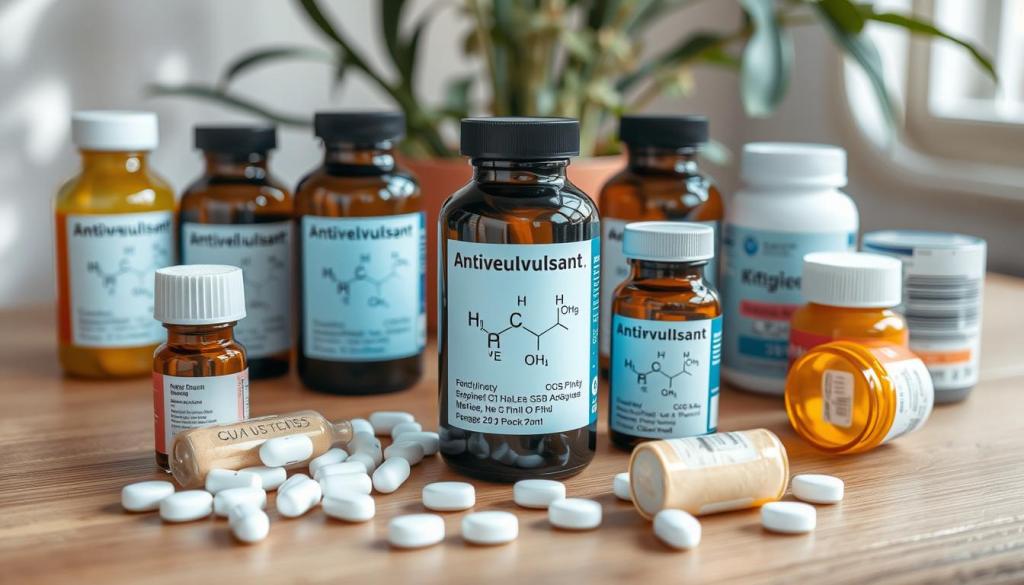
Anticonvulsants, such as Dilantin, Keppra, and Neurontin, are key for managing seizures. Mixing these with alcohol can be very dangerous. It’s important to know how alcohol affects these medications to stay safe.
Types of Anti-Seizure Medications
Medicines like Dilantin, Keppra, and Neurontin help control seizures. They keep the brain’s electrical activity stable, reducing seizure chances.
Emergency Warning Signs
Combining these medications with alcohol can cause serious side effects. Watch for signs like:
- Increased dizziness and drowsiness
- Impaired coordination and balance
- Difficulty concentrating and making decisions
- Heightened risk of seizures
- Changes in mood and mental health status, including suicidal thoughts
It’s best to avoid alcohol when taking these medications. Even a little can increase the risk of these problems.
| Medication | Interaction with Alcohol | Potential Consequences |
|---|---|---|
| Keppra (levetiracetam) | Alcohol can intensify drowsiness and dizziness, and impair cognitive functioning. | Increased risk of seizures due to lowered seizure threshold. |
| Dilantin (phenytoin) | Alcohol can interfere with the metabolism of Dilantin, leading to unpredictable blood levels. | Potential for seizures, sedation, and other adverse effects. |
| Neurontin (gabapentin) | Alcohol can enhance the sedative effects of Neurontin, leading to increased drowsiness and impaired coordination. | Heightened risk of accidents and injuries due to cognitive and physical impairment. |
If you notice any of these warning signs, get help right away. Your doctor can help you manage your condition safely. This is to keep you healthy and safe.
Conclusion: Staying Safe with Medications and Alcohol
Mixing alcohol with medications can be very dangerous. It can harm your health and well-being. Always read labels and talk to your healthcare provider about your medications and alcohol use.
Older adults and women should be extra careful. They are more at risk for bad interactions between alcohol and medications. It’s important to be cautious.
Even if you don’t take them together, alcohol and medications can still interact. Knowing the risks and managing your medications well can keep you safe. This helps avoid serious problems.
Talking openly with your healthcare provider is crucial. They can help you understand how to safely use medications and alcohol. Together, you can live a healthier life and avoid the dangers of mixing them.
FAQ
What are the risks of mixing alcohol with certain medications?
Mixing alcohol with some medications can lead to serious issues. Symptoms include nausea, vomiting, headaches, and drowsiness. It can also cause fainting and loss of coordination.
Alcohol can make some medications less effective or even toxic. This increases the risk of internal bleeding, heart problems, and breathing issues.
How do alcohol-medication interactions occur?
Alcohol-medication interactions happen in three ways. First, alcohol can change how the body breaks down medications. Second, it can affect how alcohol is absorbed by the body. Lastly, it can alter the effects of medications.
These interactions can lead to overdose risks, dangerous side effects, and reduced effectiveness of medications.
What types of medications should not be mixed with alcohol?
There are many medications that should not be mixed with alcohol. This includes antidepressants, diabetes medications, and cold and allergy meds. Blood pressure medications, sleep aids, and pain meds are also on the list.
Other medications to avoid include heartburn and nausea meds, cholesterol-lowering meds, prostate meds, ADHD meds, arthritis meds, and seizure meds.
How can I identify potential alcohol-medication interactions?
To find potential risks, check your medication labels. You can also use online interaction checkers. It’s crucial to talk to your healthcare provider, especially if you’re taking multiple meds or have health conditions.
Who is at higher risk for harmful alcohol-medication interactions?
Older adults and women are more at risk for these interactions. Timing matters too. Interactions can happen even if alcohol and meds aren’t taken together.
Source Links
- Alcohol-Medication Interactions: Potentially Dangerous Mixes – https://www.niaaa.nih.gov/health-professionals-communities/core-resource-on-alcohol/alcohol-medication-interactions-potentially-dangerous-mixes
- Harmful Interactions | National Institute on Alcohol Abuse and Alcoholism (NIAAA) – https://www.niaaa.nih.gov/publications/brochures-and-fact-sheets/harmful-interactions-mixing-alcohol-with-medicines
- Medicines and alcohol – https://www.healthdirect.gov.au/medicines-and-alcohol
- Prescription meds and alcohol – what are the risks? – https://adf.org.au/insights/prescription-meds-alcohol/
- Buspar and Alcohol: What You Need To Know – K Health – https://khealth.com/learn/medication/buspar-and-alcohol/
- Alcohol And Antibiotics – https://www.alcoholhelp.com/alcohol/drinking-drugs/antibiotics/
- The Dangers of Combining Cymbalta (Duloxetine) and Alcohol | – https://www.gallusdetox.com/blog/cymbalta-alcohol/
- Can You Drink Alcohol While You’re on a Medication? – https://www.verywellmind.com/mixing-alcohol-and-medication-harmful-interactions-67888
- 7 Medications You Shouldn’t Mix with Alcohol, According to Doctors – https://www.eatingwell.com/which-medicine-is-dangerous-with-alcohol-8673140
- Alcohol and Medication Interactions – PMC – https://pmc.ncbi.nlm.nih.gov/articles/PMC6761694/
- Benadryl and Alcohol: The Dangers of Mixing Them – https://www.healthline.com/health/allergies/benadryl-alcohol
- Combining Alcohol and Over-the-Counter Drugs | Samba Recovery – https://www.sambarecovery.com/rehab-blog/alcohol-and-over-the-counter-drugs
- 20 Common Medications You Should NEVER Mix With Alcohol – https://www.prevention.com/health/g19852360/alcohol-medicine-interactions/
- 10 drugs you should not mix with alcohol – https://www.singlecare.com/blog/alcohol-and-medication/
- Mixing Alcohol & Sleeping Pills: Dangers & Side Effects – https://www.southjerseyrecovery.com/alcohol-abuse/alcohol-and-sleeping-pills/
- The Dangers of Mixing Alcohol and Sleeping Pills and Sleeping Aids – https://www.therecoveryvillage.com/alcohol-abuse/sleeping-pills/
- The Very Real Dangers of Mixing Painkillers and Alcohol – https://www.verywellhealth.com/can-i-mix-painkillers-and-alcohol-2564395
- Dangers of Mixing Pain Killers and Alcohol Explained – ACI Rehab – https://acirehab.org/pain-killers-and-alcohol/
- Dangers of Mixing Pain Medication and Alcohol – https://nomatterwhatrecovery.com/pain-medication-and-alcohol/
- The dangers of mixing medication and alcohol | Express Scripts – https://www.express-scripts.com/pharmacy/blog/mixing-medication-and-alcohol
- Alcohol Interactions With Medications: Effects and Guidelines – https://www.webmd.com/mental-health/addiction/alcohol-interactions-with-medications
- Statins and alcohol: Risks and side effects – https://www.medicalnewstoday.com/articles/statins-and-alcohol
- Is It Safe to Mix Statins and Alcohol? – https://www.healthline.com/health/high-cholesterol/safe-to-mix-statins-and-alcohol
- Can You Mix Statins and Alcohol? What to Know – K Health – https://www.khealth.com/learn/medication/statins-and-alcohol/
- Harmful Interactions: mixing alcohol with medicines – https://www.niaaa.nih.gov/sites/default/files/publications/Harmful_Interactions.pdf
- Cialis interactions: Other medications, alcohol, and more – https://www.medicalnewstoday.com/articles/drugs-cialis-interactions
- Dutasteride and tamsulosin (oral route) – https://www.mayoclinic.org/drugs-supplements/dutasteride-and-tamsulosin-oral-route/description/drg-20074350
- The Dangers of Mixing Alcohol with ADHD Medications – Sana Lake – Missouri Alcohol & Drug Rehab – https://sanalake.com/addiction-resources/the-dangers-of-mixing-alcohol-with-adhd-medications/
- ADHD: Medications, Alcohol, and Marijuana – https://www.webmd.com/add-adhd/adhd-meds-alcohol-marijuana
- ADHD and Alcohol: How They’re Linked Plus Interactions & Risk Factors – https://www.healthline.com/health/adhd-and-alcohol
- No title found – https://www.arthritis.org/health-wellness/healthy-living/nutrition/foods-to-limit/alcohol
- What is the Relationship Between Arthritis and Alcohol? | Ampersand Health – https://ampersandhealth.co.uk/myarthritis/resources/what-is-the-relationship-between-arthritis-and-alcohol/
- Understanding arthritis and alcohol – https://arthritis.ca/living-well/2018/understanding-arthritis-and-alcohol
- Keppra and Alcohol Interaction Exposed | Samba Recovery – https://www.sambarecovery.com/rehab-blog/keppra-and-alcohol
- No title found – https://rxce.com/WebMaterials/Drug-Alcohol-Interactions
- Layout 1 – https://life-span.squarespace.com/s/Alcohol-and-Drugs-Dont-Mix-v5LR.pdf
- Risks Associated with Mixing Prescription Drugs and Alcohol – Seacrest Recovery Center Ohio – https://seacrestrecoverycenteroh.com/risks-associated-with-mixing-prescription-drugs-and-alcohol/
- Alcohol in moderation: How many drinks is that? – https://www.mayoclinic.org/healthy-lifestyle/nutrition-and-healthy-eating/in-depth/alcohol/art-20044551


 trim down and shape up
Leave a comment