


If you’re among the millions in America with high blood pressure, you might be surprised. You don’t need just medication to manage it. Nature has many ways to keep your blood pressure healthy and support your heart. These simple changes can help a lot, without needing a pharmacy visit.
High blood pressure, or hypertension, is common in the US and worldwide. But, there’s good news. Many natural methods can lower your blood pressure and heart disease risk. From exercise and mindful eating to stress management and supplements, these methods can help you control your heart health.
Key Takeaways
- Natural methods can effectively manage high blood pressure without relying solely on medication
- Regular exercise, reducing sodium intake, and limiting alcohol consumption are powerful lifestyle changes
- Incorporating potassium-rich foods, managing stress, and maintaining a healthy weight can also lower blood pressure
- Herbal supplements and relaxation techniques can complement your natural approach to heart health
- Working closely with your healthcare provider is crucial when addressing high blood pressure
Understanding High Blood Pressure and Its Impact on Health
High blood pressure, or hypertension, is a serious condition affecting millions globally. A reading of 130/80 mm Hg or higher is considered high. It can harm your heart health if not treated.
What Causes High Blood Pressure?
Several factors can lead to high blood pressure, including:
- Obesity or being overweight
- Lack of physical activity
- Smoking, chewing tobacco, or vaping
- Chronic stress
- Certain medical conditions like kidney disease, diabetes, and sleep apnea
- Age and family history
Why Natural Solutions Matter
Natural remedies and lifestyle changes can help manage high blood pressure. They often have fewer side effects and are more sustainable.
Health Risks of Untreated Hypertension
Untreated high blood pressure can cause serious health issues, including:
- Increased risk of heart disease and stroke
- Kidney failure
- Erectile dysfunction
- Complications during pregnancy, such as preeclampsia or eclampsia
- Potential for life-threatening emergencies like blindness, heart attack, or stroke
Monitoring your blood pressure and working with your healthcare provider is crucial. They can help you manage hypertension with medication, natural remedies, or a mix of both.
The Power of Daily Movement and Exercise

Regular physical activity is a strong ally in managing blood pressure. Cardiovascular exercise strengthens your heart and improves blood flow. The Centers for Disease Control and Prevention (CDC) suggests at least 2.5 hours of moderate-intensity exercise weekly. This can be brisk walking for wellness.
Just 30 minutes of walking for wellness daily can lower blood pressure. The more you exercise, the better the benefits. Cardiovascular exercise like walking, jogging, cycling, or swimming boosts heart health. It also helps with weight management, stress, and mood.
| Exercise Type | Recommended Weekly Minimum | Additional Health Benefits |
|---|---|---|
| Moderate Aerobic Activity | 150 minutes | Lowers blood pressure, improves cardiovascular health |
| Vigorous Aerobic Activity | 75 minutes | Enhances weight management, reduces risk of chronic diseases |
| Muscle-Strengthening Activities | 2 days per week | Builds and maintains muscle mass, improves overall fitness |
Start any new exercise slowly, especially if you’re new to it. This helps avoid injuries. Always talk to your doctor before changing your exercise routine, especially with heart conditions.
“Regular physical activity is one of the most powerful lifestyle changes you can make to lower your blood pressure and improve your overall health.”
Lower Blood Pressure Naturally Through Diet
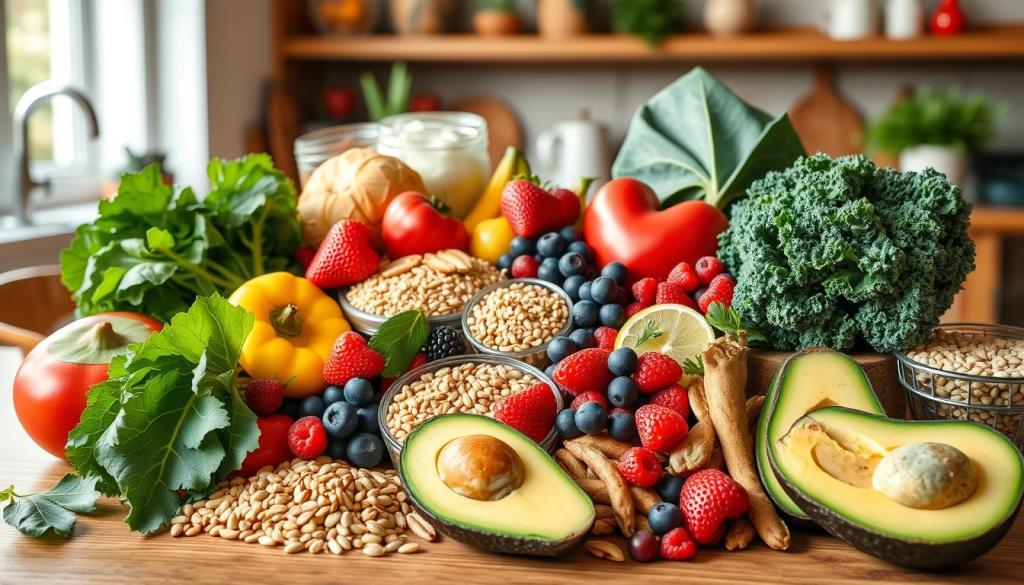
Your diet is key to lowering blood pressure naturally. The DASH diet is a great choice. It focuses on fruits, veggies, whole grains, and low-fat dairy. It also limits processed foods and added sugars.
Best Foods for Blood Pressure Control
To control blood pressure, eat these potassium-rich foods:
- Bananas
- Sweet potatoes
- Leafy greens (such as spinach and kale)
- Beans and lentils
- Avocados
- Salmon and other fatty fish
Foods to Avoid or Limit
Limit foods high in sodium to avoid high blood pressure. These include:
- Processed meats (such as deli meat and sausages)
- Canned soups and broths
- Pickled or cured foods
- Fast food and restaurant meals
- Packaged snacks and baked goods
Meal Planning Strategies
Here are some meal planning tips for the DASH diet:
- Choose low-sodium options, aiming for 2,300 mg or less of sodium daily.
- Use salt-free spices and herbs for flavor.
- Eat lots of fruits, veggies, and whole grains.
- Choose lean proteins like poultry, fish, and legumes.
- Limit saturated and trans fats for heart health.
By changing your diet, you can lower blood pressure naturally. This supports your heart health too.
Potassium-Rich Foods as Natural Pressure Reducers
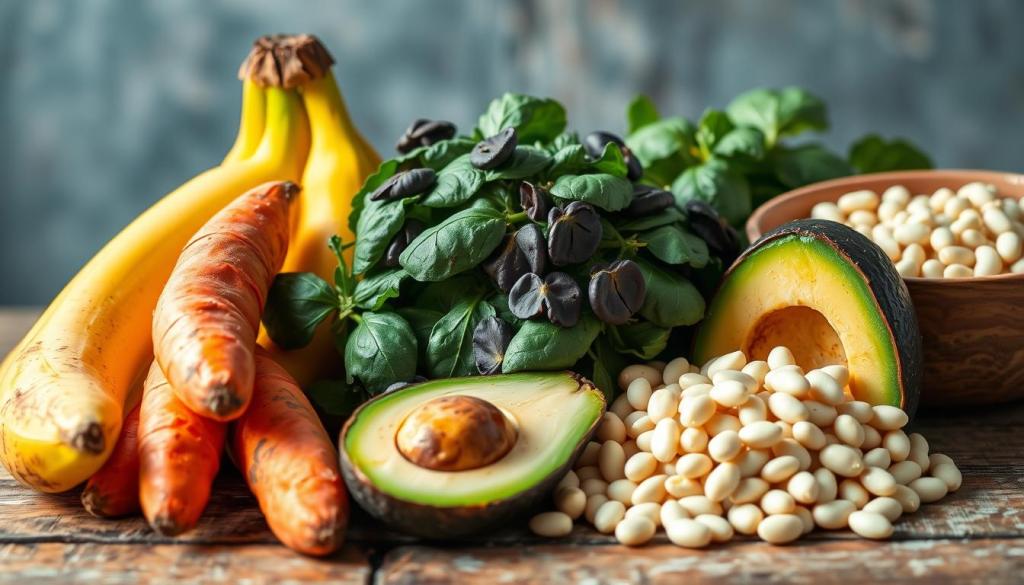
Keeping your blood pressure healthy is key to feeling good. Eating foods rich in potassium can help a lot. Potassium helps get rid of too much sodium, which can raise blood pressure. It also makes your blood vessels relax.
Here are some top foods to add to your diet:
- Bananas – A small ripe banana (100g) can provide around 300-360 mg of potassium.
- Sweet potatoes – Rich in magnesium, potassium, and fiber, sweet potatoes can help lower blood pressure.
- Leafy greens such as spinach and kale – High in nitrates, these greens can help reduce systolic blood pressure.
- Avocados – One medium-sized avocado contains approximately 700-800 mg of potassium.
Other foods high in potassium include milk, yogurt, lentils, kidney beans, tomatoes, and coconut water. Eating more of these and less sodium can lower your blood pressure.
“For individuals with high blood pressure, the American Heart Association suggests an intake of no more than 1,500 mg of sodium daily.”
Eating a variety of potassium-rich foods can help manage your blood pressure. It also supports your heart health.
Stress Management and Relaxation Techniques

Chronic stress can raise your blood pressure. It’s important to manage stress well to keep your blood pressure healthy. Luckily, there are many ways to relax and lower your blood pressure naturally.
Deep Breathing Exercises
Deep breathing, or diaphragmatic breathing, is a simple yet effective method. It can help reduce stress and lower your blood pressure. By taking slow, deep breaths, you can improve oxygen exchange and slow down your heart rate and blood pressure.
Meditation Practices
Meditation can positively affect your blood pressure. Mindfulness meditation and guided visualization can lead to a decrease in blood pressure. Just 5-10 minutes of meditation each day can make a big difference.
Lifestyle Adjustments for Stress Relief
- Try regular exercise like yoga or tai chi, which combines movement with deep breathing and meditation.
- Listen to calming music or nature sounds to help you relax.
- Practice progressive muscle relaxation by tensing and relaxing each muscle group.
- Add stress-reducing activities like journaling, art therapy, or aromatherapy to your daily routine.
By adding deep breathing meditation, stress reduction, and relaxation techniques to your life, you can manage stress better. This is a key step in lowering your blood pressure naturally.
“Relaxation techniques can slow heart rate, lower blood pressure, and improve sleep quality. They can also increase blood flow to major muscles, ease muscle tension and chronic pain, and improve focus and mood.”
| Relaxation Technique | Benefits |
|---|---|
| Deep Breathing | Promotes full oxygen exchange, decreases heart rate and blood pressure |
| Meditation | Prompts relaxation response, helps lower high blood pressure |
| Yoga | Reduces blood pressure, improves sleep, and offers various physical and mental health benefits |
| Progressive Muscle Relaxation | Increases awareness of physical sensations and promotes overall relaxation |
Natural Supplements and Herbs for Blood Pressure
Looking to lower your blood pressure naturally? Some supplements and herbs might help. Garlic extracts and dark chocolate are among them. But always talk to your doctor before trying new supplements.
Garlic Supplements: Studies show garlic can lower blood pressure. It can drop systolic blood pressure by 8.3 mm Hg and diastolic by 5.5 mm Hg.
Dark Chocolate Therapy: Dark chocolate with 70% cocoa or more is good for blood pressure. It has flavonoids that can lower systolic blood pressure.
Herbal Remedies: Cinnamon, celery seed extract, basil, Chinese cat’s claw, and Bacopa monnieri might help with blood pressure. But be careful with arnica, ephedra, and licorice as they can raise blood pressure.
Talking to your doctor about natural remedies is smart. They can guide you on using supplements and herbs safely for blood pressure.
“Combining lifestyle changes with the strategic use of natural supplements can be a powerful approach to lowering blood pressure and promoting overall cardiovascular health.”
The Role of Sleep in Blood Pressure Management

Quality sleep is key to keeping blood pressure healthy. Sadly, sleep deprivation is a growing concern. Over 30% of Americans get less than 6 hours of sleep each night. This can harm your heart health.
Research finds that sleeping 5 hours or less per night raises hypertension risk by 60%. Every hour less sleep increases hypertension risk by 37%. Even teens sleeping less than 6.5 hours a night face a 2.54 times higher risk of prehypertension.
The link between sleep and blood pressure is intricate. Sleep deprivation causes hormone imbalances and nerve activity increases. These changes can lead to high blood pressure. Also, lack of sleep can cause weight gain and insulin resistance, making hypertension risk higher.
To keep blood pressure healthy, focus on quality sleep. Aim for 7 to 9 hours of sleep each night. Stick to a regular sleep schedule and create a cool, dark sleep space. If you have sleep apnea or other disorders, get them treated to improve your circadian rhythm and sleep quality.
“Nearly half of Americans are affected by hypertension, and getting enough quality sleep is crucial for managing blood pressure levels.”
Improving your sleep habits can greatly benefit your heart health. It’s a big step towards lowering your risk of hypertension.
Weight Management Strategies
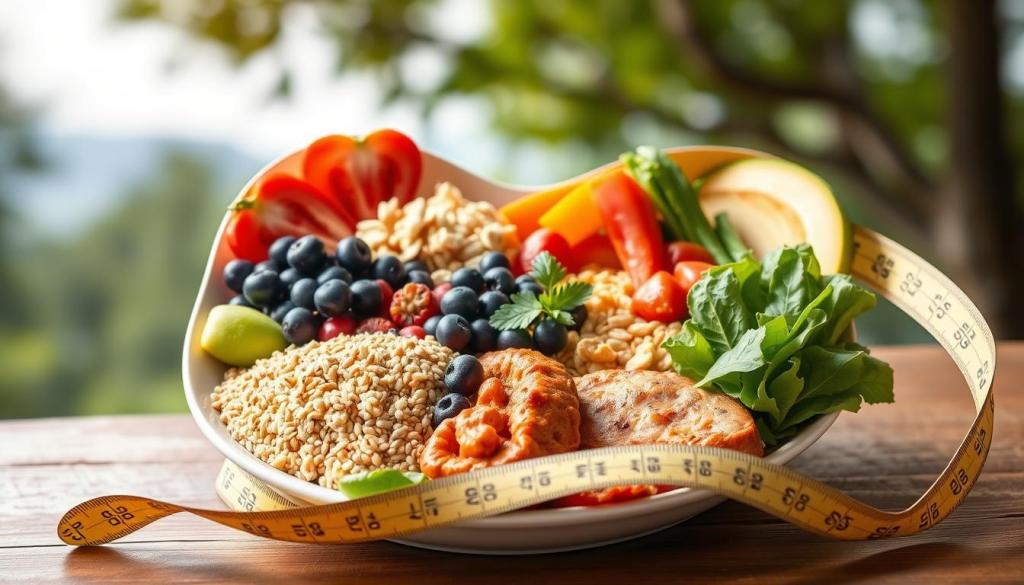
Keeping a healthy weight is key to managing high blood pressure. Losing just 5% of your weight can greatly lower your blood pressure. Adding regular exercise to your weight loss plan is best for your heart.
Healthy Weight Loss Approaches
For lasting weight loss, focus on gradual, long-term changes. Eat healthy by filling your plate with lean proteins, veggies, and whole grains. Cut down on saturated fats, added sugars, and high-calorie drinks.
Also, aim for 30 minutes of moderate exercise, like brisk walking, most days. This will help your heart health.
Body Mass Index and Blood Pressure
Your BMI helps check if your weight is healthy. The NIH says a BMI of 18.6 to 24.9 is healthy. A BMI of 25 to 29.9 is overweight, and 30 or higher is obese.
People with a higher BMI, especially obese, are at higher risk of high blood pressure. This can lead to other health problems.
Sustainable Weight Maintenance
Keeping a healthy weight after losing it is the real challenge. Use tools like regular weigh-ins and food journals to track your progress. Eat mindfully by savoring your food and stopping when full.
Surround yourself with supportive family and friends. By making healthy living a lifelong goal, you can control your blood pressure and improve your health.
| BMI Range | Classification |
|---|---|
| Less than 18.5 | Underweight |
| 18.6 to 24.9 | Normal Weight |
| 25 to 29.9 | Overweight |
| 30 to 34.9 | Grade 1 Obesity |
| 35 to 39.9 | Grade 2 Obesity |
| 40 or Above | Grade 3 Obesity |
Maintaining a healthy weight is crucial for managing high blood pressure. Even a modest weight loss of just 5% can significantly lower your blood pressure. Combine your weight loss efforts with regular exercise for the greatest benefits to your heart health.
Lifestyle Modifications for Better Heart Health
Keeping your heart healthy is key to feeling good. Medicines help with high blood pressure, but lifestyle changes matter too. Let’s look at easy ways to lower blood pressure and improve heart health.
Smoking cessation is a big step. Quitting smoking lowers heart disease risk and makes blood pressure meds work better. Also, moderating your alcohol intake helps. Too much drinking can increase blood pressure. Aim for one drink a day for women and two for men.
Finding a good work-life balance is important too. Stress can raise blood pressure. So, it’s vital to manage stress well. Try relaxation techniques like deep breathing or meditation daily.
| Blood Pressure Category | Systolic (top number) | Diastolic (bottom number) |
|---|---|---|
| Normal | Less than 120 | Less than 80 |
| Elevated | 120-129 | Less than 80 |
| Hypertension Stage 1 | 130-139 | 80-89 |
| Hypertension Stage 2 | 140 or higher | 90 or higher |
| Hypertensive Crisis | Higher than 180 | Higher than 120 |
Being at a healthy weight and exercising regularly are also key. Losing a bit of weight, especially around your waist, can help your heart. Try for 150 minutes of moderate exercise or 75 minutes of vigorous exercise weekly.
By changing your lifestyle, you can help lower your blood pressure and improve heart health. Remember, even small changes can make a big difference. Start today and focus on your heart’s well-being.
The Power of Natural Food Medicine

Certain foods can help lower blood pressure naturally. Beets, green tea, and hibiscus tea are packed with nutrients. They offer many benefits for managing high blood pressure.
Watermelon is a refreshing fruit with citrulline. This amino acid helps widen blood vessels and improve circulation. Celery is also beneficial, thanks to its nitrates. These can reduce inflammation and oxidative stress, both linked to high blood pressure.
Lavender is a calming herb that can lower blood pressure. It helps reduce stress. Beets are also great, with nitrates that relax and widen blood vessels, promoting better circulation.
Adding these natural superfoods to your diet can help manage blood pressure. Drinking hibiscus tea or snacking on watermelon cubes are simple ways to improve your heart health.
| Food | Potential Benefits for Blood Pressure |
|---|---|
| Beets | Rich in nitrates, which can help dilate blood vessels and improve circulation |
| Green Tea | Contains polyphenols that may help relax blood vessels and reduce inflammation |
| Hibiscus Tea | Possesses diuretic properties and can help lower blood pressure |
| Watermelon | Contains citrulline, an amino acid that can help dilate blood vessels |
| Lavender | Has a calming effect on the body, which can help reduce stress and lower blood pressure |
| Celery | Rich in nitrates and has been linked to reduced inflammation and oxidative stress |
Using natural food medicine is a simple way to control blood pressure. By adding these foods to your diet, you can manage hypertension and improve your heart health.
Conclusion
Lowering your blood pressure naturally means making big changes. You need to eat better, exercise more, manage stress, and change your lifestyle. It’s important to work with your doctor to keep an eye on your blood pressure and make changes when needed.
By eating well, staying active, managing stress, and keeping a healthy weight, you can lower your blood pressure. These steps not only help with blood pressure but also improve your heart health. Small, steady changes can make a big difference in your blood pressure and life quality.
Your health is your most valuable asset. By managing your blood pressure naturally, you’re investing in a better future. Start using these proven lifestyle changes to improve your heart health and live better.
FAQ
What is high blood pressure and why is it a concern?
High blood pressure, or hypertension, affects one in three people in the US and 1 billion worldwide. It’s a major risk for heart disease and stroke. A reading of 130/80 mm Hg or more is high.
Untreated hypertension can lead to serious health issues. So, it’s important to address it naturally.
How can regular exercise help lower blood pressure?
Exercise makes the heart stronger and more efficient. This lowers pressure in the arteries. The CDC suggests 2.5 hours of moderate exercise weekly.
Walking 30 minutes daily can lower blood pressure. More exercise offers even more benefits.
What is the DASH diet and how can it help lower blood pressure?
The DASH diet focuses on fruits, vegetables, whole grains, and low-fat dairy. It’s good for heart health. Limiting processed foods and added sugars is key.
Increasing potassium through foods like bananas and sweet potatoes can also help. This lowers blood pressure.
How can potassium-rich foods help lower blood pressure?
Potassium helps remove sodium and relax blood vessels. Foods like dried fruits and spinach are rich in potassium. Reducing sodium and increasing potassium can lower blood pressure.
What are some effective stress management techniques for lowering blood pressure?
Chronic stress raises blood pressure. Techniques like deep breathing and meditation can help. Just 5 minutes in the morning and at night can make a difference.
Can natural supplements help lower blood pressure?
Some supplements may help, like garlic extract and omega-3 fatty acids. Dark chocolate with at least 70% cocoa also has benefits. Always talk to a doctor before starting supplements.
How does sleep quality affect blood pressure?
Lack of sleep can increase blood pressure risk. Addressing sleep issues, like sleep apnea, can help manage blood pressure. Aim for quality sleep with a regular schedule and a cool, dark room.
What role does weight management play in lowering blood pressure?
Losing weight can significantly lower blood pressure. Even a 5% body mass reduction can help. Combining weight loss with exercise offers the best benefits. Focus on sustainable weight management for long-term control.
What other lifestyle changes can help lower blood pressure?
Quitting smoking and limiting alcohol are crucial for heart health. Moderate alcohol (up to one drink a day for women, two for men) may be protective. But too much drinking raises blood pressure.
Are there any specific foods that can help lower blood pressure?
Some foods naturally lower blood pressure. Beets and beetroot juice are rich in nitrates, which widen blood vessels. Green tea, hibiscus tea, watermelon, and celery also have potential benefits.
Source Links
- 15 natural ways to lower your blood pressure – https://www.medicalnewstoday.com/articles/es/318716-2
- 18 Ways to Lower Your Blood Pressure – https://www.healthline.com/health/high-blood-pressure-hypertension/lower-it-fast
- 15 Ways to Lower Your Blood Pressure Naturally – https://www.menshealth.com/health/g19542077/lower-blood-pressure-without-medication/
- How high blood pressure can affect the body – https://www.mayoclinic.org/diseases-conditions/high-blood-pressure/in-depth/high-blood-pressure/art-20045868
- Understanding Blood Pressure Readings – https://www.heart.org/en/health-topics/high-blood-pressure/understanding-blood-pressure-readings
- High blood pressure (hypertension): Controlling this common health problem-High blood pressure (hypertension) – Symptoms & causes – Mayo Clinic – https://www.mayoclinic.org/diseases-conditions/high-blood-pressure/symptoms-causes/syc-20373410
- Getting Active to Control High Blood Pressure – https://www.heart.org/en/health-topics/high-blood-pressure/changes-you-can-make-to-manage-high-blood-pressure/getting-active-to-control-high-blood-pressure
- 7 great reasons why exercise matters – https://www.mayoclinic.org/healthy-lifestyle/fitness/in-depth/exercise/art-20048389
- How to make the DASH diet work for you – https://www.mayoclinic.org/healthy-lifestyle/nutrition-and-healthy-eating/in-depth/dash-diet/art-20048456
- 10 medicine-free ways to control high blood pressure – https://www.mayoclinic.org/diseases-conditions/high-blood-pressure/in-depth/high-blood-pressure/art-20046974
- How to Lower Blood Pressure with These 10 Foods – https://www.ncoa.org/article/10-foods-that-help-lower-blood-pressure-naturally/
- Can potassium-rich foods lower your blood pressure and keep your heart healthy? – https://www.bhf.org.uk/informationsupport/heart-matters-magazine/news/behind-the-headlines/potassium-and-heart-health
- Potassium-Rich Foods and Hypertension: How Potassium Supports Heart Health – https://www.medanta.org/patient-education-blog/potassium-rich-foods-and-hypertension-how-potassium-supports-heart-health
- Relaxation techniques: Try these steps to lower stress – https://www.mayoclinic.org/healthy-lifestyle/stress-management/in-depth/relaxation-technique/art-20045368
- Relaxation Techniques for High Blood Pressure – https://pcna.net/relaxation-techniques-for-high-blood-pressure/
- 10 Spices And Herbs That May Help Lower High Blood Pressure – https://www.healthline.com/nutrition/herbs-to-lower-blood-pressure
- What to Know About Herbal Supplements and Blood Pressure – https://www.webmd.com/hypertension-high-blood-pressure/what-to-know-about-herbal-supplements-and-blood-pressure
- 10 Best Supplements for High Blood Pressure – https://www.verywellhealth.com/herbs-and-supplements-high-blood-pressure-6385497
- Sleep and Hypertension – PMC – https://pmc.ncbi.nlm.nih.gov/articles/PMC2913764/
- Can a lack of sleep cause high blood pressure? – https://www.mayoclinic.org/diseases-conditions/high-blood-pressure/expert-answers/sleep-deprivation/faq-20057959
- Sleep Duration and Hypertension: Epidemiological Evidence and Underlying Mechanisms – https://pmc.ncbi.nlm.nih.gov/articles/PMC8730491/
- Weight Management for a Healthy Heart – https://www.ucsfhealth.org/education/weight-management-for-a-healthy-heart
- Preventing High Blood Pressure – https://www.cdc.gov/high-blood-pressure/prevention/index.html
- Blood Pressure UK – https://www.bloodpressureuk.org/your-blood-pressure/how-to-lower-your-blood-pressure/healthy-living/your-weight-and-your-blood-pressure/
- Changes You Can Make to Manage High Blood Pressure – https://www.heart.org/en/health-topics/high-blood-pressure/changes-you-can-make-to-manage-high-blood-pressure
- Natural Ways to Lower Blood Pressure – https://www.hopkinsmedicine.org/health/conditions-and-diseases/high-blood-pressure-hypertension/natural-ways-to-lower-blood-pressure
- 6 Types of Foods That Lower Blood Pressure – https://health.clevelandclinic.org/foods-to-lower-blood-pressure
- Managing Blood Pressure with a Heart-Healthy Diet – https://www.heart.org/en/health-topics/high-blood-pressure/changes-you-can-make-to-manage-high-blood-pressure/managing-blood-pressure-with-a-heart-healthy-diet
- 21 foods that lower blood pressure — and which foods to avoid – https://www.today.com/health/diet-fitness/foods-that-lower-blood-pressure-rcna85428
- 15 natural ways to lower your blood pressure – https://www.medicalnewstoday.com/articles/318716
- How to Prevent High Blood Pressure: MedlinePlus – https://medlineplus.gov/howtopreventhighbloodpressure.html
- Nonpharmacologic Interventions for Reducing Blood Pressure in Adults With Prehypertension to Established Hypertension – https://pmc.ncbi.nlm.nih.gov/articles/PMC7792371/


 trim down and shape up
Leave a comment