


Did you know that 65 million people could face dementia by 2030 due to poor dietary habits? What you consume doesn’t just affect your waistline—it shapes your brain function and emotional well-being.
The World Health Organization defines mental well-being as a state where individuals realize their potential. Nutrition plays a critical role in maintaining this balance. Certain substances, like sugar and caffeine, disrupt brain chemistry, increasing stress and mood disorders.
Processed items, alcohol, and trans fats trigger inflammation, worsening anxiety and depression. Even diet sodas contain artificial sweeteners linked to serotonin imbalances. Making informed choices can protect cognitive function and emotional stability.
Key Takeaways
- Diet directly influences brain function and emotional health.
- Sugar and processed foods increase inflammation, raising depression risk.
- Alcohol disrupts neurotransmitter balance, worsening anxiety.
- Caffeine overconsumption may heighten stress and sleep issues.
- Trans fats impair cognitive performance and mood regulation.
The Role of Diet in Mental Health
Nutrition shapes cognitive abilities more than most realize. Every bite you take influences your brain function, mood, and even long-term mental resilience. Research shows Mediterranean diets slash depression risk by 33%, proving food choices matter.
How Nutrition Affects Brain Function
Your nervous system needs amino acids from protein to produce serotonin and dopamine. Without them, mood swings and fatigue creep in. Refined carbohydrates spike blood sugar, impairing memory centers like the hippocampus.
Omega-3s, found in fish, boost anti-inflammatory compounds. They also stimulate BDNF, a protein vital for brain development. Conversely, diets with 58%+ carbs double dementia risk in older adults.
The Gut-Brain Connection
Your gut produces 95% of serotonin. A healthy microbiome supports this, but processed foods disrupt it. Leaky gut syndrome triggers inflammation, worsening anxiety and depression.
- Western diets (high in sugar and red meat) correlate with higher depression rates.
- Traditional diets (rich in whole foods and probiotics) enhance mood stability.
Food and Drinks That Can Have A Negative Impact On Your Mental Health

Brain fog and mood swings often trace back to what’s in your glass. Certain drinks alter brain chemistry, fueling anxiety or cognitive decline over time. Here’s how two culprits—sugar and alcohol—hijack mental clarity.
The Hidden Toll of Sweetened Drinks
High-fructose corn syrup (HFCS) triggers insulin resistance in the brain. Rats fed 11% HFCS diets showed worse memory than those given regular sugar. In humans, this translates to slower recall and impaired focus.
Refined carbs—like white bread or soda—spike blood sugar. The crash that follows floods the body with stress hormones, raising depression risk. One study tied daily soda drinkers to a 30% higher chance of mood disorders.
The Hidden Dangers of Sweetened Drinks on Your Body and Mind

In our modern world, sweetened beverages like sodas, energy drinks, and fruit punches have become an everyday indulgence. With high-fructose corn syrup (HFCS) and added sugars as key ingredients, these drinks are often marketed as refreshing and energizing. However, the reality is that they can have devastating effects on both your physical and mental health.
The Physical Impact of Sweetened Beverages
One of the most significant health concerns linked to sweetened drinks is obesity. High-fructose corn syrup, commonly found in sodas and processed beverages, is metabolized differently from other sugars. Instead of being used for immediate energy, HFCS is more likely to be stored as fat, leading to weight gain and increased risk of obesity-related conditions, including type 2 diabetes and heart disease.
Regular consumption of these drinks can also lead to insulin resistance, a precursor to diabetes. As the body becomes less efficient at managing blood sugar levels, this can lead to chronic inflammation and liver damage.
Additionally, sweetened drinks are highly acidic, contributing to dental problems such as cavities and enamel erosion. The high sugar content feeds harmful bacteria in the mouth, creating acids that damage teeth.
The Mental Health Toll
Beyond the physical impacts, sugary beverages can take a toll on mental health. Consuming high amounts of sugar has been linked to mood swings, anxiety, and even depression. The rapid spikes and crashes in blood sugar can leave you feeling irritable, tired, and emotionally drained.
Moreover, some studies suggest that excessive sugar intake may impair cognitive function and increase the risk of developing mood disorders. This is particularly concerning for young people who often consume these beverages regularly.
Breaking the Habit
Reducing your intake of sweetened drinks can significantly improve your health. Start by gradually replacing sodas with healthier alternatives such as water infused with fruits, herbal teas, or naturally flavored sparkling water. Reading nutrition labels and being mindful of hidden sugars in processed beverages can also help you make more informed choices.
Final Thoughts
While sweetened drinks may offer temporary pleasure, the long-term consequences for your body and mind are not worth the risk. Prioritizing whole, natural beverages can help you maintain better physical health and mental clarity.
Alcohol’s Double-Edged Damage
Beyond hangovers, alcohol disrupts GABA, a calming neurotransmitter. It also depletes vitamin B1, critical for brain energy. Chronic use can lead to *Korsakoff’s syndrome*, marked by severe memory gaps.
- Sleep sabotage: Just one drink reduces REM sleep by 50%, worsening emotional regulation.
- Metabolic havoc: Binge drinking interferes with dopamine pathways, dulling joy from everyday rewards.
A single margarita stalls neurotransmitter recycling for 3 hours. Over time, this fuels a cycle of low motivation and irritability.
The Impact of Alcohol on Sleep and Mental Well-Being

Alcohol is often seen as a way to unwind and relax after a long day, but its impact on sleep quality and mental well-being is far from beneficial. While it may initially make you feel drowsy, alcohol can significantly disrupt sleep patterns and negatively affect mental health in the long run.
Alcohol and Sleep Quality
At first glance, alcohol might seem like a sleep aid due to its sedative effects. However, the reality is more complex. Alcohol can reduce the time it takes to fall asleep, but it disrupts the sleep cycle, particularly the REM (Rapid Eye Movement) stage, which is crucial for restorative sleep. This disruption often leads to lighter, less restful sleep and can cause frequent awakenings throughout the night.
Chronic alcohol consumption can also lead to insomnia and exacerbate sleep apnea symptoms, causing interrupted breathing during sleep. This not only affects sleep quality but also increases the risk of cardiovascular problems.
Mental Health Consequences
Sleep and mental well-being are intricately linked, and alcohol’s impact on sleep can have cascading effects on mental health. Poor sleep quality caused by alcohol can lead to mood disturbances, increased anxiety, and heightened stress levels. Over time, this can escalate to more serious mental health conditions, including depression.
Furthermore, alcohol itself is a depressant, meaning it can directly lower mood and contribute to feelings of sadness and hopelessness. The combination of disrupted sleep and alcohol’s mood-altering effects can create a cycle of poor mental well-being.
Breaking the Cycle
Reducing alcohol intake is one of the most effective ways to improve sleep quality and enhance mental clarity. Start by setting limits on alcohol consumption, especially in the hours leading up to bedtime. Opt for calming evening routines that do not involve drinking, such as light stretching, meditation, or a warm bath.
Final Thoughts
Though alcohol may seem like a quick fix to unwind, its long-term effects on sleep and mental health are detrimental. By making mindful choices and reducing alcohol intake, you can significantly improve your sleep quality and support your mental well-being.
Prioritizing healthy sleep habits and avoiding alcohol before bed can make a profound difference in how you feel both physically and emotionally.
Caffeine: A Double-Edged Sword for Mental Well-Being

Your morning coffee might sharpen focus, but its long-term effects tell a darker story. Caffeine blocks *adenosine* receptors, delaying fatigue but triggering cortisol surges. Just 400mg (4 cups) raises anxiety scores by 25% in sensitive individuals.
Acute benefits like alertness fade with chronic use. Over time, adrenal fatigue sets in, leaving you reliant on caffeine for baseline energy. Genetic differences mean caffeine’s half-life ranges from 2–10 hours—some process it slower, amplifying side effects.
How Caffeine Disrupts Sleep Architecture
Even small amounts alter sleep cycles. Hypnograms show reduced deep sleep and fragmented REM, critical for emotional regulation. One study found 50% less REM after a single dose.
| Caffeine Source | Typical Dose (mg) | Half-Life (Hours) |
|---|---|---|
| Espresso | 63 | 2–6 |
| Black Tea | 47 | 4–8 |
| Energy Drink | 80 | 3–10 |
Withdrawal peaks at 24–48 hours, causing headaches and irritability. To quit safely:
- Reduce intake by 12.5% daily over 8 days.
- Swap coffee for green tea (lower caffeine levels).
- Hydrate to flush metabolites faster.
Balance is key. Track your response—what works for others may wreck your sleep and function.
The Impact of Excessive Caffeine on Mental Well-Being
Caffeine is a staple in many people’s daily routines, whether it’s a morning coffee, an afternoon energy drink, or a pre-workout boost. While moderate caffeine intake can enhance alertness and concentration, excessive consumption can have negative effects on mental well-being, often outweighing the initial benefits.
The Double-Edged Sword of Caffeine
Caffeine stimulates the central nervous system, increasing dopamine production and temporarily boosting mood and energy levels. However, consuming too much caffeine can lead to heightened anxiety, restlessness, and even panic attacks. This is because caffeine increases the release of stress hormones like cortisol, which can leave you feeling more anxious and jittery.
In addition, caffeine can interfere with sleep quality, especially if consumed in the late afternoon or evening. Poor sleep can result in irritability, mood swings, and cognitive impairments the following day. The sleep disruption can create a vicious cycle, where individuals consume even more caffeine to combat tiredness, further exacerbating the issue.
Caffeine Dependence and Withdrawal
Regular high caffeine intake can lead to dependence, where the body becomes accustomed to its effects. When caffeine levels drop, withdrawal symptoms like headaches, fatigue, irritability, and depressed mood may occur. This dependency can make it challenging to reduce caffeine consumption without experiencing uncomfortable side effects.
Tips for Moderating Caffeine Intake
To maintain a healthy relationship with caffeine, consider setting limits on your daily intake. Experts recommend consuming no more than 400 milligrams (about four cups of coffee) per day. Avoid caffeine at least six hours before bedtime to reduce sleep disruption.
If you’re looking to cut back, do so gradually to minimize withdrawal symptoms. Opt for lower-caffeine alternatives, such as herbal teas or decaf coffee, and focus on improving natural energy levels through balanced nutrition, hydration, and regular physical activity.
Final Thoughts
While caffeine can provide a quick mental boost, excessive consumption can significantly impact your mental well-being, leading to anxiety, poor sleep, and dependence. By being mindful of your caffeine intake and incorporating healthier habits, you can enjoy the benefits without the drawbacks.
How Much Caffeine Is Too Much? A Medical Perspective

Caffeine is one of the most widely consumed psychoactive substances in the world, found in coffee, tea, energy drinks, and even some medications. While moderate caffeine intake can offer a quick boost in alertness and concentration, consuming too much can have serious health consequences. So, how much caffeine is too much from a medical standpoint?
Recommended Daily Limits
According to the U.S. Food and Drug Administration (FDA) and other health organizations, the recommended maximum daily caffeine intake for most adults is 400 milligrams. This is roughly equivalent to four 8-ounce cups of brewed coffee, 10 cans of cola, or two energy drinks. However, individual tolerance can vary based on factors like age, weight, genetics, and overall health.
Signs of Excessive Caffeine Consumption
Consuming more than 400 mg of caffeine per day can increase the risk of adverse health effects, including:
- Insomnia: Disrupted sleep patterns and difficulty falling asleep.
- Jitters and Anxiety: Increased nervousness, restlessness, and heightened stress.
- Digestive Issues: Stomach discomfort and acid reflux.
- Rapid Heartbeat: Palpitations or an irregular heartbeat.
- Headaches: Caffeine withdrawal can trigger migraines.
- Dependence: Needing caffeine to function normally.
In some cases, caffeine toxicity can occur, especially with doses exceeding 1,200 mg in a short period. This can lead to severe symptoms such as tremors, rapid breathing, confusion, and even cardiac arrest.
Special Considerations
Certain populations should consume less caffeine, including pregnant women, individuals with heart conditions, and those sensitive to stimulants. For pregnant individuals, the American College of Obstetricians and Gynecologists recommends limiting caffeine intake to 200 mg per day to reduce the risk of complications.
Tips for Safe Caffeine Consumption
- Monitor Intake: Track how much caffeine you consume from all sources.
- Mind the Timing: Avoid caffeine at least six hours before bed.
- Stay Hydrated: Caffeine is a diuretic, so balance it with plenty of water.
Watch for Hidden Caffeine: Check labels of supplements, medications, and even foods like chocolate.
Processed Foods and Trans Fats

Hidden chemicals in everyday snacks could be eroding your cognitive function. Ultra-processed items make up 70% of U.S. packaged goods, engineered for addiction—not nourishment. Studies tie them to a 22% higher depression risk and shrinking brain regions.
The Hidden Dangers of Hydrogenated Oils
Trans fats in coffee creamers and microwave popcorn (3.5g/serving) trigger lipid peroxidation. This damages neural membranes, worsening inflammation. Regular consumers face a 75% higher Alzheimer’s risk.
The Dangers of Trans Fats and Hydrogenated Oils on Mental Health and Alzheimer’s Risk
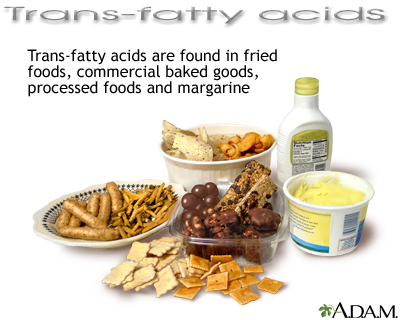
Trans fats and hydrogenated oils are commonly found in processed foods, baked goods, fried items, and margarine. These fats are artificially produced through hydrogenation to increase shelf life and stability. While they may enhance texture and flavor, they pose serious risks to both physical and mental health.
Trans Fats and Brain Health
Research has shown a strong link between trans fat consumption and cognitive decline. Trans fats can increase inflammation and oxidative stress in the brain, impairing neuronal function. Chronic inflammation caused by trans fats is a known factor in the development of neurodegenerative conditions, including Alzheimer’s disease.
Increased Risk of Alzheimer’s Disease
One of the most alarming concerns is the association between trans fats and Alzheimer’s. A study published in the journal Neurology found that individuals with higher blood levels of trans fats were more likely to develop dementia. Trans fats may increase the formation of beta-amyloid plaques in the brain, a hallmark of Alzheimer’s. Additionally, they may disrupt the blood-brain barrier, allowing harmful substances to enter brain tissue.
The Impact on Mental Health
Aside from long-term neurodegenerative effects, trans fats also negatively affect mental well-being. Diets high in trans fats have been linked to mood disorders such as depression and anxiety. This may be due to their role in increasing systemic inflammation and negatively affecting brain signaling pathways.
Replacing trans fats with healthier fats like omega-3s has been shown to improve mood stability and reduce symptoms of depression. Omega-3s, found in fish, flaxseeds, and walnuts, support brain health and help maintain balanced neurotransmitter levels.
Tips to Reduce Trans Fat Intake
- Check Labels: Look for “partially hydrogenated oils” on ingredient lists and avoid products containing them.
- Cook at Home: Preparing meals from scratch helps you control the types of fats used.
- Opt for Whole Foods: Fresh fruits, vegetables, lean proteins, and whole grains are naturally trans fat-free.
- Choose Healthier Fats: Opt for unsaturated fats from sources like olive oil, avocados, and fatty fish.
Final Thoughts
While trans fats may be appealing for their convenience and texture-enhancing properties, the risks to mental health and cognitive function far outweigh the benefits. Prioritizing a diet rich in whole foods and healthy fats can protect your brain health and reduce the risk of Alzheimer’s and other cognitive disorders.
How Ultra-Processed Foods Disrupt Mood

Emulsifiers like polysorbate-80 alter gut bacteria, fueling anxiety. Chronic flavor enhancers downregulate dopamine receptors, dulling joy. Processed foods also weaken the blood-brain barrier, letting toxins infiltrate.
Ultraprocessed diets reduce hippocampal volume by 8% over a decade—equivalent to accelerated aging.
- Common culprits: Instant noodles, frozen pizzas, and store-bought cookies.
- Quick fix: Swap margarine for avocado or olive oil to protect brain quality.
Ultra-processed foods have become a staple in many diets due to their convenience and taste. These foods include packaged snacks, fast food, sugary cereals, and ready-to-eat meals. While they may save time, the impact on mental well-being is far from beneficial.
What Are Ultra-Processed Foods?
Ultra-processed foods are made primarily from industrial ingredients like emulsifiers, preservatives, artificial colors, and added sugars. They typically contain little to no whole foods and are engineered to be hyper-palatable, often leading to overconsumption.
The Link Between Ultra-Processed Foods and Mood
- Nutrient Deficiency: These foods are often calorie-dense but nutrient-poor. A diet high in ultra-processed foods can lead to deficiencies in essential nutrients like B vitamins, magnesium, and omega-3 fatty acids, which are crucial for brain function and mood regulation.
- Blood Sugar Spikes and Crashes: Many ultra-processed foods are loaded with refined sugars and simple carbohydrates, causing rapid spikes in blood sugar followed by sudden drops. This rollercoaster effect can lead to mood swings, irritability, and fatigue.
- Gut-Brain Connection: Ultra-processed foods can negatively affect gut health by promoting inflammation and disrupting the balance of beneficial bacteria. Since the gut produces around 90% of the body’s serotonin, poor gut health can directly affect mood and increase the risk of anxiety and depression.
- Inflammatory Effects: Ultra-processed foods can trigger systemic inflammation due to high levels of additives and unhealthy fats. Chronic inflammation is linked to an increased risk of depression and other mood disorders.
Breaking the Cycle
Switching to a diet rich in whole foods can significantly improve mood stability and overall mental well-being. Focus on incorporating fresh fruits, vegetables, whole grains, and lean proteins into your meals. Cooking at home and minimizing processed snacks can help reduce your intake of mood-disrupting ingredients.
Final Thoughts
While ultra-processed foods may be quick and satisfying in the moment, their impact on mental well-being should not be overlooked. By prioritizing whole, nutrient-dense foods, you can support your mood, mental clarity, and overall health.
High-Sodium Foods and Mental Health

That extra dash of salt could be doing more harm than you think. Consuming 5,000mg+ daily slashes serotonin production by 34%, worsening mood stability. Your neurons rely on a delicate sodium-potassium balance—disrupt it, and firing errors trigger brain fog.
Fast food combo meals often exceed 3,000mg sodium—half your daily limit in one sitting. MSG-laden snacks triple glutamate excitotoxicity, overstimulating brain cells. This damages memory pathways and heightens anxiety levels.
Hypertensive encephalopathy is a silent threat. Excess sodium swells blood vessels, reducing oxygen flow to the brain. Symptoms mimic dementia: confusion, headaches, and attention problems.
Low-sodium diets improve mood regulation within 7 days by restoring neurotransmitter balance.
- DIY electrolyte mix: 470mg potassium + 1,500mg sodium per liter (avoids crashes).
- 7-day meal plan: Swap chips for roasted seaweed (200mg sodium per serving).
- Track changes: Note energy peaks and mood shifts hourly.
Small tweaks yield big results. Your brain thrives on balance—not salt overload.
How High-Sodium Foods Affect Your Mood and Mental Health
Sodium is an essential mineral that helps regulate fluid balance, muscle function, and nerve transmission. However, consuming too much sodium, especially from processed and fast foods, can have a significant impact on your mental well-being and mood stability.
The Hidden Sodium Problem
High-sodium foods are prevalent in modern diets, often found in processed snacks, canned soups, frozen meals, and restaurant dishes. While the recommended daily sodium intake is about 2,300 mg (roughly one teaspoon of salt), the average person often consumes far more, leading to potential health issues.
Sodium and Mental Health: The Connection
- Fluid Imbalance and Brain Function: Excessive sodium intake can lead to dehydration, which negatively affects cognitive function. When the body is dehydrated, brain cells may shrink, leading to headaches, dizziness, and difficulty concentrating. Dehydration can also cause irritability and mood swings.
- Increased Blood Pressure and Stress: High sodium levels can raise blood pressure, putting stress on the cardiovascular system. Chronic hypertension is linked to an increased risk of anxiety and stress, as the body remains in a heightened state of tension.
- Disruption of Hormonal Balance: Sodium influences the release of stress hormones like adrenaline. A diet high in sodium may lead to elevated cortisol levels, contributing to increased feelings of stress and anxiety over time.
- Mood Dysregulation: A study published in the journal Hypertension found that high sodium intake is associated with depressive symptoms, possibly due to its impact on blood pressure and vascular health. Inflammation caused by excess sodium may also play a role in mood disorders.
Reducing Sodium for Better Mood
To support better mental health, consider the following tips:
- Read Food Labels: Choose low-sodium options when available.
- Cook at Home: Preparing your own meals helps control salt content.
- Use Herbs and Spices: Enhance flavor with garlic, herbs, or lemon instead of salt.
- Stay Hydrated: Drink plenty of water to balance sodium levels and support brain function.
Final Thoughts
While sodium is necessary for the body, excessive intake can harm both physical and mental health. Being mindful of your salt consumption and prioritizing whole, minimally processed foods can improve your mood stability and overall well-being.
Mercury-Rich Fish and Cognitive Decline

Not all fish support brain health—some may harm it silently. Species like swordfish pack 0.995ppm mercury, 45 times more than salmon. This toxin accumulates, damaging neural pathways over time.
Mercury blocks *selenoenzyme* production, vital for antioxidant defense. Prenatal exposure reduces childhood IQ by 1.5 points per µg/g. Even low doses impair memory and focus in adults.
High-Risk Species to Avoid
| Fish | Mercury (ppm) | Safe Servings/Month |
|---|---|---|
| Shark | 1.517 | 0 |
| Swordfish | 0.995 | 1 (adults only) |
| King Mackerel | 0.730 | 0 |
| Salmon | 0.022 | Unlimited |
Global standards vary. The EU allows 0.5ppm for most fish, while the FDA caps at 1ppm. Use this rule: lighter fish = lower risk.
Methylmercury bioaccumulates in predators—avoid large, long-lived species.
- For high exposure: Chelation therapy binds mercury for excretion.
- Calculator: Limit intake to 0.1µg/kg body weight daily.
Swap risky choices for sardines or trout. Your brain’s development and clarity depend on it.
Healthier Alternatives for Better Mental Health

Simple dietary tweaks can unlock mental resilience and emotional balance. Swapping processed snacks for nutrient-dense options fuels brain function and stabilizes mood. Research shows these choices boost cognitive performance by 20% or more.
Omega-3-Rich Foods to Boost Mood
Two sardine meals weekly increase hippocampal BDNF by 18%, enhancing memory. For vegans, algal oil provides DHA, a critical omega-3 for neural development. Lesser-known sources like purslane herb pack 400mg omega-3s per cup.
Krill oil absorbs 28% faster than fish oil due to phospholipid structure.
- Fermented vegetables: Homemade sauerkraut delivers probiotics for gut-brain synergy.
- Nootropic smoothie: Blend walnuts (omega-3), spinach (magnesium), and acai (antioxidants).
Antioxidant-Powered Choices
Blueberry eaters solve problems 20% faster due to anthocyanins. ORAC values measure antioxidant potency—clove scores 314,446, outperforming blueberries (9,621).
| Food | ORAC Value | Serving Size |
|---|---|---|
| Clove | 314,446 | 1 tsp |
| Dark Chocolate | 20,816 | 1 oz |
| Blueberries | 9,621 | 1 cup |
Pair these with pumpkin seeds (zinc) for neurotransmitter support. Your brain thrives on variety—rotate colors and sources for maximum benefit.
Conclusion
Small changes in eating patterns can reshape brain function over time. Replace neurotoxins like trans fats with omega-3s, and swap sugary drinks for herbal teas. Your neurons adapt within 21 days—start today.
Use tools like the USDA Mercury Calculator to track risks. The Cronometer app helps balance nutrients without obsession. Healthy diet shifts shouldn’t spiral into orthorexia; progress beats perfection.
Studies link poor nutrition to mental health disorders. Yet, every meal is a chance to reset. Your fork isn’t just a tool—it’s your first-line neuroprotectant.



 trim down and shape up
Leave a comment