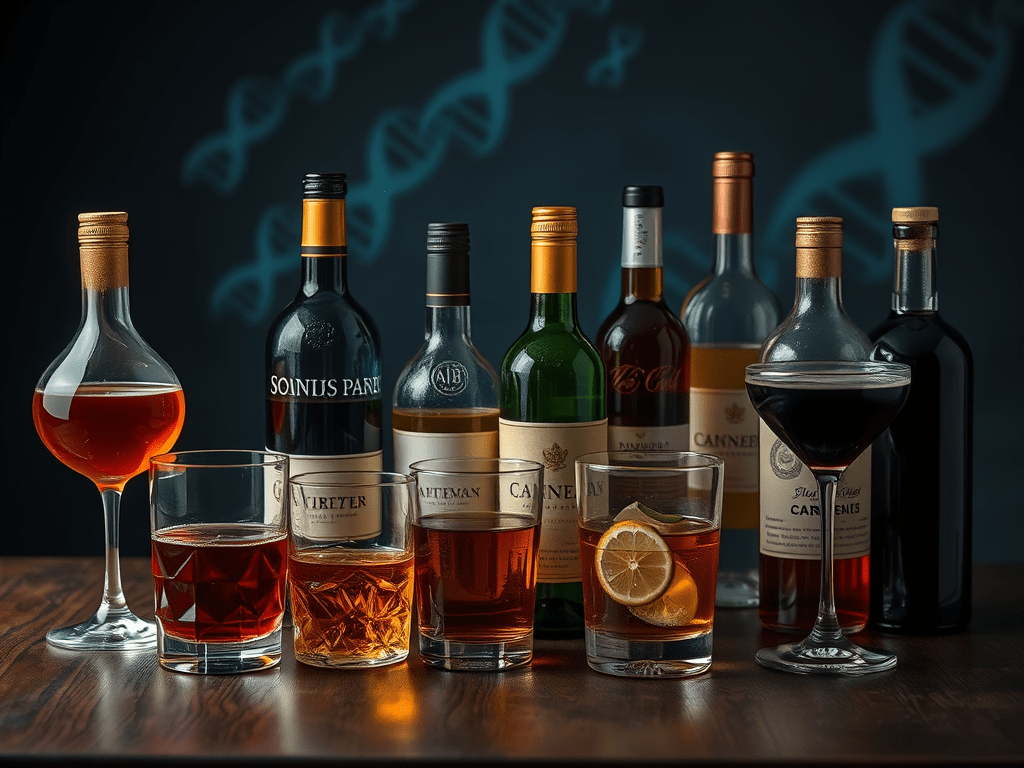


Could your favorite drink be silently raising your cancer risk? Studies reveal that even moderate drinking may contribute to serious health concerns. The World Health Organization classifies alcoholic beverages as a Group 1 carcinogen, placing them in the same category as tobacco and asbestos.
Recent data shows that about 100,000 U.S. cancer cases each year stem from drinking alcohol. That’s roughly 5% of all diagnoses. More alarming, 4% of cancer deaths in the country trace back to this habit. The Surgeon General’s 2025 advisory urges updated warnings, as current guidelines may underestimate the dangers.
Even light intake isn’t harmless. For women, just one drink daily increases breast cancer risk by 4%. Acetaldehyde, a toxic byproduct of alcohol metabolism, damages DNA and fuels tumor growth. Yet, some studies suggest a paradoxical link to lower kidney cancer rates.
Key Takeaways
- Alcoholic drinks are classified as a top-tier carcinogen by global health experts.
- Moderate drinking contributes to 5% of U.S. cancer cases annually.
- Women face a 4% higher breast cancer risk with just one daily drink.
- The Surgeon General warns that current alcohol guidelines may be outdated.
- Liver, esophageal, and colorectal cancers show strong ties to frequent drinking.
What Is Alcohol and How Is It Measured?
Standard serving sizes often differ from what you actually pour at home. This gap makes it challenging to track your intake accurately. Health organizations use precise measurements to assess risks.
Defining Standard Drink Sizes
In the U.S., one drink contains 14 grams of pure ethanol. This equals:
- 12 oz regular beer (5% ABV)
- 5 oz table wine (12% ABV)
- 1.5 oz distilled spirits (40% ABV)
Popular containers frequently hold more than standard portions. A large wine glass may fit 8-10 oz, nearly double the measured size.
Official Guidelines vs. Real Consumption
The 2020-2025 Dietary Guidelines suggest:
| Category | Moderate Drinking | Heavy Drinking |
|---|---|---|
| Women | ≤1 drink per day | 4+ daily or 8+ weekly |
| Men | ≤2 drinks per day | 5+ daily or 15+ weekly |
Binge drinking involves consuming 4+ drinks (women) or 5+ (men) within two hours. The NIAAA notes that 25% of U.S. adults exceed monthly limits.
Your body processes ethanol differently based on quantity and frequency. Even occasional heavy episodes strain vital organs. Understanding these measurements helps make informed choices about alcoholic beverages.
Types of Cancer Linked to Alcohol Consumption

Research reveals surprising connections between drinking habits and multiple tumor types. While some risks are widely known, others emerge only with heavy or prolonged use. The dose-response relationship means even small amounts add up over time.
Breast Cancer: Even Small Amounts Increase Risk
Women face a 23% higher breast cancer risk with just one daily drink. Ethanol elevates estrogen levels, fueling hormone-receptor-positive tumors. This link shows no safe threshold—each additional drink raises the odds further.
Liver, Esophageal, and Throat Cancers
Heavy drinkers confront a 5x higher esophageal cancer risk, especially squamous cell carcinoma. The liver metabolizes ethanol into *acetaldehyde*, a toxin causing cirrhosis and liver cancer. Combining drinks with tobacco multiplies throat cancer risks.
Colorectal and Other Less Common Cancers
Moderate drinkers have 1.5x higher colorectal cancer risk, with men more vulnerable. Emerging studies suggest ties to stomach and pancreatic tumors. Oddly, kidney cancer rates dip slightly—a rare exception needing more research.
How Alcohol Causes Cancer: The Science Explained

Your body processes ethanol in ways that may surprise you. Three primary mechanisms transform drinks into potential carcinogens. Each pathway damages cells differently but contributes to tumor development over time.
Acetaldehyde: A Toxic Byproduct That Damages DNA
When you consume drinks, enzymes like ADH break down ethanol into acetaldehyde. This compound is 30 times more toxic than ethanol itself. It binds directly to DNA, creating faulty structures called adducts.
Normally, ALDH2 enzymes detoxify acetaldehyde. But genetic variations leave 40% of East Asians vulnerable to a buildup. Even in others, heavy drinking overwhelms these defenses. The result? Permanent genetic mutations that can trigger cancer.
Oxidative Stress and Nutrient Absorption Issues
Your liver activates cytochrome P450 enzymes to handle excess ethanol. This process generates reactive oxygen species (ROS). These unstable molecules cause oxidative stress, damaging proteins and cell membranes.
Chronic drinking also reduces folate absorption by half. This B vitamin is crucial for DNA repair. Without it, errors accumulate faster. The combined effect creates ideal conditions for abnormal cell growth.
Alcohol’s Role in Hormonal Changes
For women, drinks elevate estrogen levels by 10-15%. This hormone stimulates breast tissue cell division. More cycles mean more chances for cancerous mutations. Postmenopausal women see particularly sharp increases.
Even moderate intake disrupts one-carbon metabolism. This system regulates gene expression. When impaired, tumor suppressor genes may switch off. The changes create a biological domino effect toward cancer development.
Risk Factors: Who Is Most Vulnerable?

Your genes might determine how dangerous drinking is for you. Certain genetic variants amplify health risks, while lifestyle choices like smoking compound the threat. Understanding these risk factors helps identify who faces the greatest dangers.
Genetics and Alcohol Metabolism
Variants in ADH and ALDH2 enzymes affect how your body breaks down ethanol. East Asians with the ALDH2*2 mutation process acetaldehyde 10x slower, causing facial flushing and a 10x higher esophageal cancer risk. This “Asian flush” signals toxic buildup.
African populations often carry the ADH1B*3 variant, speeding ethanol conversion. Paradoxically, this may increase mutations by flooding cells with acetaldehyde faster. BRCA mutation carriers also see amplified breast cancer risks—studies suggest ethanol worsens DNA repair flaws.
The Dangerous Mix of Tobacco and Drinking
Combining tobacco with drinks creates a lethal synergy. Smokers who drink have 30x higher oral cancer rates than abstainers. Nicotine enhances ethanol absorption, while the oral microbiome converts both into carcinogenic compounds.
| Risk Group | Increased Cancer Risk | Key Factors |
|---|---|---|
| ALDH2*2 Carriers | 10x (Esophageal) | Acetaldehyde buildup |
| Smokers + Drinkers | 30x (Oral) | DNA adduct formation |
| BRCA+ Women | 2x (Breast) | Impaired repair mechanisms |
High-risk occupations (e.g., bartenders, factory workers) face added chemical exposures. Genetic testing for ADH/ALDH2 variants can guide personalized prevention strategies.
Does Red Wine Prevent Cancer? Debunking Myths

Many believe a glass of red wine daily wards off disease, but science tells a different story. The *French Paradox*, a 1980s observation that French people had lower heart disease despite rich diets, fueled this myth. Later research revealed other factors, like lifestyle and healthcare access, explained the trend.
Resveratrol, a compound in grape skins, gained fame for potential cancer prevention properties. Yet, a 34,000-person study found no colorectal cancer protection from drinks. To match supplement doses, you’d need 100+ bottles daily—far beyond safe limits.
Key Facts About Red Wine and Health
- The American Cancer Society rejects drinking for heart health, citing increased cancer risks.
- Meta-analyses show equal tumor risks for red and white varieties—ethanol harms outweigh minor antioxidants.
- Alcohol raises HDL cholesterol temporarily but damages blood vessels long-term, per NASEM’s 2025 report.
Skip the “healthy drinking” hype. Choose safer antioxidant sources like berries, dark chocolate, or green tea. Beverage ads often cherry-pick data, ignoring risks. Your liver processes ethanol the same way, whether it’s in a $100 bottle or a cheap cocktail.
Reducing Your Risk: Can Quitting Alcohol Help?

The clock starts ticking toward better health the moment you stop drinking. Research shows your body begins repairing alcohol-related damage within 24 hours. Over time, these improvements significantly lower tumor risks.
How Long Until Risks Drop?
Five years of abstinence slashes esophageal cancer risk by 60%. For liver health, most improvement occurs in the first year. Breast tissue takes 2-5 years to normalize estrogen levels after quitting.
Key milestones:
- 72 hours: Blood pressure stabilizes
- 1 month: Liver fat decreases by 15%
- 1 year: Immune function rebounds
- 5 years: Throat cancer risk halves
During Treatment: Special Considerations
Over 50 common cancer treatment drugs interact negatively with drinks. These combinations can worsen side effects or reduce effectiveness.
| Medication | Interaction Risk | Alternative |
|---|---|---|
| Methotrexate | Liver toxicity | Alcohol-free mouthwash |
| Cisplatin | Kidney damage | Hydration therapy |
| Tamoxifen | 40% less effective | Herbal teas |
For survivorship, quitting lowers second cancer risks by 30-50%. Support groups and counseling double long-term success rates. Your care team can recommend personalized strategies.
Conclusion: Key Takeaways and Actionable Steps
Knowledge empowers you to make safer choices for long-term health. Start with these steps to lower risk and embrace cancer prevention.
Track habits using the NIAAA’s alcohol reduction toolkit. Swap drinks for sparkling juices or mocktails at gatherings—your liver will thank you.
Schedule screenings if you’ve exceeded guidelines. The ACS recommends 150 minutes of weekly exercise and plant-heavy diets to reduce vulnerabilities.
Explore genetic testing if family history raises concerns. Many insurers cover ADH/ALDH2 tests. Every sober month rebuilds resilience—progress beats perfection.


 trim down and shape up
Leave a comment