


Did you know that nearly 80% of pregnant women report feeling fatigued, especially during the first and third trimesters? This staggering statistic highlights a common challenge faced by expectant mothers. However, emerging evidence suggests that incorporating strength training during pregnancy can effectively reduce fatigue and improve overall well-being. By engaging in prenatal strength training, you can harness the numerous benefits it offers, including enhanced physical fitness, reduced stress levels, and an improved quality of life. Maintaining regular physical activity not only helps combat the exhaustion that often accompanies pregnancy but also supports a healthier lifestyle for you and your growing baby.
The connection between exercise and reduced pregnancy-related fatigue cannot be overstated. Studies indicate that physical fitness plays a vital role in enhancing maternal well-being, making it essential for you to consider how strength training during pregnancy can positively impact your journey to motherhood.
Key Takeaways
- Around 80% of pregnant women experience fatigue.
- Strength training during pregnancy can help reduce fatigue levels.
- Regular exercise contributes to overall maternal well-being.
- Engaging in prenatal strength training supports a healthier lifestyle.
- Exercise can enhance mental health and reduce stress during pregnancy.
Understanding the Benefits of Strength Training During Pregnancy
Strength training during pregnancy brings numerous advantages that contribute positively to your overall well-being. Engaging in a consistent workout routine can lead to an improved quality of life, enhancing both your physical and emotional state. This commitment to fitness also fosters enhanced mobility, which is vital for navigating the physical demands of pregnancy and preparing for labor.
Improved Quality of Life
Regular strength training helps manage weight gain during pregnancy, which plays a significant role in preventing complications. As your body adapts to workouts, you may notice mood improvements linked to increased endorphin levels, resulting in a more positive outlook on your pregnancy journey.
Enhanced Mobility and Physical Function
Strength training enhances mobility and physical function, allowing you to perform daily tasks with greater ease. This can be particularly beneficial as your body changes throughout pregnancy. Building strength prepares your muscles for the demands of labor and ensures a smoother postpartum recovery.
Effective Stress and Anxiety Reduction
Exercise is a well-documented method for reducing stress and anxiety. Implementing a strength training regimen promotes mental well-being, serving as a powerful tool to help you cope with emotional challenges during pregnancy. The routine of exercising can create a sense of control and accomplishment, which is essential as you navigate this important life transition.
| Benefit | Description |
|---|---|
| Improved Quality of Life | Regular exercise helps manage weight, improves mood, and boosts overall happiness. |
| Enhanced Mobility | Increased strength leads to easier movement and better physical performance during pregnancy. |
| Reduced Stress and Anxiety | Exercise lowers stress hormones and increases endorphins, promoting mental wellness. |
New Study Confirms Strength Training During Pregnancy Reduces Fatigue

Recent research highlights the advantages of strength training for expecting mothers, particularly in relation to maternal fatigue reduction. The study’s findings reinforce the significance of incorporating strength training into pregnancy routines, suggesting a direct correlation between exercise and decreased levels of fatigue. Engaging in these physical activities not only enhances overall vitality but also provides emotional and psychological benefits.
Key Findings of the Research
The study meticulously analyzed fatigue levels among pregnant women who participated in strength training sessions compared to those who did not. Statistical analysis demonstrates a marked reduction in fatigue levels for those who engaged in regular strength exercises. Data indicates that women incorporating strength training reported feeling more energized and less fatigued throughout their pregnancies, leading to a more positive outlook on their overall health.
Implications for Expectant Mothers
The results from this research serve as an empowering message for expecting mothers. By adopting a strength training regimen, you may enhance your energy levels and combat fatigue during pregnancy. This evidence encourages women to consider structured exercise as a vital part of their prenatal care, fostering a proactive approach to managing maternal fatigue reduction. Embracing these findings can inspire numerous women to prioritize their health and well-being during this transformative time.
How Strength Training Works in Reducing Fatigue
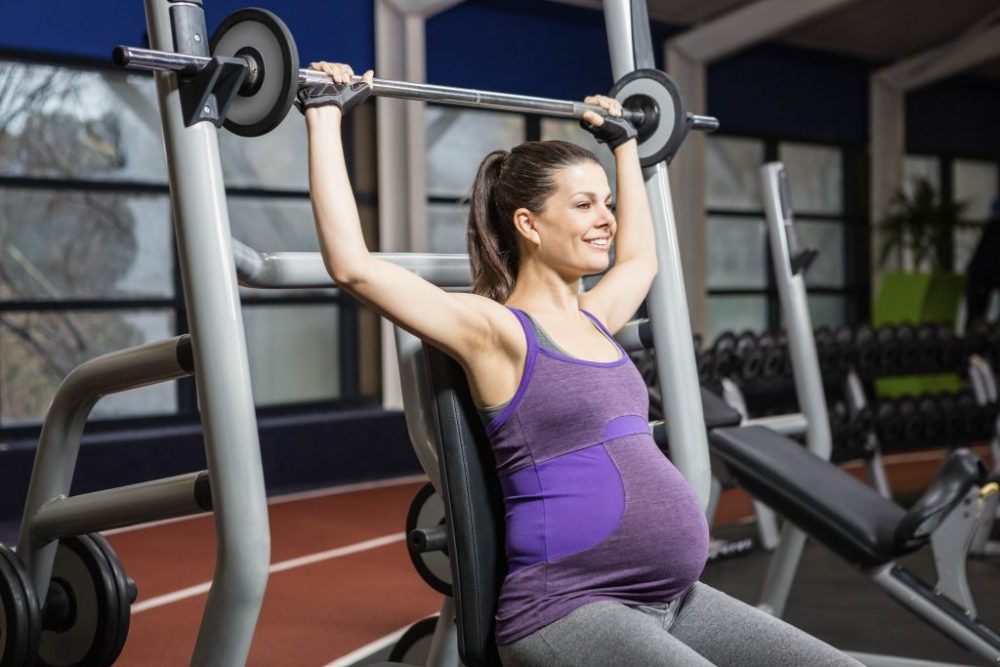
Understanding the relationship between strength training and energy levels is vital for expectant mothers. Strength training has proven effective in boosting your overall fitness and significantly reducing feelings of fatigue during pregnancy. Engaging in various exercises can stimulate your body’s metabolic processes, leading to better energy management throughout the day.
The Science Behind Energy Levels
Research indicates that strength training enhances your muscle engagement, which plays a crucial role in elevating energy levels. When you engage in strength training, particularly through exercises that activate multiple muscle groups, your body becomes more efficient at using energy. As a result, you may notice a decline in fatigue over time. Enhanced muscle strength allows your body to perform daily tasks with less effort, allowing you to feel more invigorated.
Full-Body Compound Movements Explained
Full-body compound movements, such as squats and lunges, are particularly effective for expecting mothers. These exercises work multiple joints and muscle groups simultaneously, maximizing the benefits in a shorter time frame. By incorporating full-body compound movements into your routine, you promote greater strength gains, which directly impacts how strength training reduces fatigue. Through these exercises, you engage your core, legs, and arms, creating a balanced workout that fosters overall energy levels.
In summary, integrating full-body compound movements into your strength training regimen can yield significant benefits. Your total energy levels can improve, leading to a more vibrant and enjoyable pregnancy experience.
Safe Pregnancy Workouts: What to Know

Engaging in safe pregnancy workouts is vital for your health and the well-being of your baby. Before starting any exercise program, consulting a healthcare provider is crucial. This step ensures that you can identify any personal limits or risks associated with physical activity during pregnancy.
Creating a safe workout environment is essential for ensuring that exercise for pregnant women is effective and enjoyable. Here are some tips for establishing such an environment:
- Use proper equipment designed for safety and comfort.
- Ensure adequate space to allow for effective movement without hazards.
- Consider having supervision or a workout buddy, especially for more complex routines.
Reputable health organizations recommend various guidelines for exercise for pregnant women. This includes the frequency, type, and intensity of workouts suitable for different stages of pregnancy. Always prioritize safety and listen to your body at every step of your fitness journey.
Focused on Full-Body Compound Movements Adapted for Pregnancy

Strength training during pregnancy can greatly enhance your overall well-being. Incorporating focused on full-body compound movements into your routine helps engage multiple muscle groups while promoting strength and stability. This section highlights recommended pregnancy exercises suitable for expecting mothers, along with guidance on adapting these exercises as your body changes throughout pregnancy.
Recommended Exercises for Expectant Mothers
Here are some excellent pregnancy exercises that can strengthen your body and prepare it for labor:
- Squats: A fantastic exercise for building leg strength and ensuring proper pelvic mobility. Start with bodyweight squats, keeping your feet shoulder-width apart and your back straight.
- Deadlifts: Focus on keeping your knees slightly bent and maintaining a neutral spine. Use a lightweight to begin, paying close attention to your form.
- Push-ups: You can perform these against a wall or on your knees to make them more comfortable. This exercise strengthens the upper body and core, which is essential for supporting your growing belly.
Adapting Exercises as Your Pregnancy Progresses
As your pregnancy journey unfolds, you may need to adapt exercises to suit your changing body:
- In the first trimester, you can comfortably perform full-body compound movements without significant modification.
- During the second trimester, consider reducing the intensity or volume of your workouts, focusing on maintaining your strength with lighter weights.
- In the third trimester, prioritize stability and comfort. Incorporating exercises on all fours can help relieve pressure on your back while still targeting core strength.
Always listen to your body and consult a healthcare professional if you have any questions about modifying your fitness regimen. Engaging in safe and effective pregnancy exercises will better prepare you for motherhood.
How Often Should You Strength Train While Pregnant?

The frequency of strength training while pregnant plays a critical role in maintaining your fitness during pregnancy. According to guidelines from health organizations, aiming for two to three sessions per week is beneficial. Each session should range from 20 to 30 minutes, allowing ample time for both exercise and recovery.
Guidelines for Frequency and Duration
To establish a balanced routine, consider the following recommendations on how often you should strength train while pregnant:
- Strength training sessions should occur two to three times each week.
- Aim for 20 to 30 minutes of focused activity during each session.
- Incorporate rest days to facilitate recovery and prevent overexertion.
Listening to Your Body’s Needs
Your body communicates its needs, especially during pregnancy. Pay attention to how you feel before, during, and after workouts. Some days may require lighter activity or even rest. Adjust the intensity and duration of your workouts based on your comfort levels and physical well-being. Understanding how often you should strength train while pregnant involves recognizing your body’s unique signals.
Identifying Tiredness During Pregnancy

Pregnancy often brings about a range of physical and emotional changes that can result in fatigue. It is essential to understand the factors contributing to this tiredness. Recognizing the common causes of maternal fatigue helps you address your feelings and manage them effectively.
Common Causes of Maternal Fatigue
During pregnancy, multiple factors can lead to feelings of tiredness. Notable contributors include:
- Hormonal Changes: The fluctuation of hormones during pregnancy significantly impacts energy levels.
- Poor Sleep Quality: Disruptions in sleep patterns, often due to discomfort or anxiety, can exacerbate fatigue.
- Physical Demands: The body’s increased energy requirements to support both you and your growing baby can lead to tiredness.
- Emotional Stress: Emotional changes and stressors related to pregnancy can drain your energy.
Recognizing When to Seek Professional Advice
Identifying tiredness is vital, but it is equally important to know when fatigue surpasses typical levels. If your tiredness affects your daily activities or you experience severe exhaustion, it may be time to seek professional advice. Healthcare providers can evaluate your condition and suggest interventions to alleviate fatigue. Do not hesitate to reach out for support to ensure the well-being of both you and your baby.
| Causes of Maternal Fatigue | Signs Indicating Need for Advice |
|---|---|
| Hormonal Changes | Fatigue impacting daily life |
| Poor Sleep Quality | Persistent lack of energy |
| Physical Demands | Increased irritability or mood swings |
| Emotional Stress | Unusual physical symptoms |
Other Effective Prenatal Exercise Benefits

Engaging in a routine of prenatal exercises offers numerous advantages that extend beyond the reduction of fatigue. These activities can significantly contribute to improving overall fitness during pregnancy. Regular exercise helps maintain a healthy weight, enhances cardiovascular health, and bolsters mental well-being. Implementing a structured workout schedule not only strengthens the body but also prepares it for the demands of childbirth.
Improving Overall Fitness During Pregnancy
The prenatal exercise benefits frequently include increased strength, flexibility, and endurance. By participating in exercises tailored for your needs, you can promote your physical fitness while managing weight gain throughout your pregnancy. Cardiovascular exercises are especially beneficial, helping improve blood circulation, which supports both you and your growing baby.
Building Connections with Other Expecting Mothers
Engaging in group exercise can foster a sense of community among expecting mothers. Connecting with others on a similar journey may provide emotional support that enhances your overall experience. The social aspects of prenatal classes offer opportunities to share experiences, tips, and motivation, building strong bonds with those who understand the challenges and joys of pregnancy.
Reducing Fatigue and Bodily Pain through Strength Training

Strength training offers significant benefits for expectant mothers, particularly in reducing fatigue and bodily pain commonly experienced during pregnancy. When you engage in a well-structured strength training routine, it can positively influence how strength training impacts pain levels in your body, especially in areas like your back and core.
How Strength Training Impacts Pain Levels
Strength training targets key muscle groups, contributing to the development of stronger core and back muscles. This increased strength provides better support for your spine, which can alleviate pain associated with pregnancy. With a focus on building endurance and stability, you may find that engaging in specific exercises helps to reduce discomfort linked to your changing body. Such physical activity can lead to lower levels of inflammation and improved circulation, which are essential for managing pain.
Holistic Approaches to Managing Fatigue
In addition to strength training, consider incorporating holistic methods to further enhance your well-being. Nourishing your body with appropriate nutrition will play a crucial role in reducing fatigue and bodily pain. Focus on foods rich in vitamins and minerals to support your energy levels. Relaxation techniques, such as yoga or meditation, can also contribute to a sense of calm and help mitigate feelings of fatigue. By combining these holistic practices with strength training, you can foster an active lifestyle that addresses both physical discomfort and mental fatigue.
Conclusion
As you navigate through the beautiful journey of pregnancy, embracing strength training during pregnancy can significantly enhance your quality of life while helping to reduce fatigue. The benefits of strength training during pregnancy extend beyond physical health; they foster emotional well-being by alleviating stress and anxiety, making for a smoother transition into motherhood.
Integrating safe and effective strength training into your routine allows you to cultivate energy and resilience throughout these transformative months. Remember, it’s crucial to listen to your body and seek professional guidance tailored to your individual circumstances, ensuring the best experience for you and your baby.
Ultimately, the decision to incorporate strength training during pregnancy can empower you, creating a strong foundation not only for the physical demands of motherhood but also for your overall well-being. Start considering these exercises as a vital component of your prenatal health strategy and embrace the journey ahead with confidence.



 trim down and shape up
Leave a comment