


Could skipping marathon gym sessions actually help you build lasting strength and vitality? Most guys chase fitness like a part-time job – all-or-nothing routines that fade faster than New Year’s resolutions. But here’s the twist: consistency beats intensity every time when it comes to men’s health.
Think about your car. You wouldn’t rev the engine nonstop for hours, then ignore it for weeks. Your body works the same way. A smart fitness routine isn’t about crushing yourself daily – it’s choosing movements that reinforce your frame, boost energy, and fit real life. We’re talking exercises you can do anywhere, with zero fancy equipment.
Let’s cut through the noise. You don’t need endless hours or willpower. What you do need: four foundational patterns that tackle mobility, power, and resilience. These aren’t random workouts – they’re the same primal motions your body evolved to master. And yes, they’ll take less time than scrolling TikTok.
Key Takeaways
- Daily consistency outperforms occasional intense training sessions
- Short, strategic workouts align better with busy schedules
- Focus on movement patterns over isolated muscle groups
- Equipment-free exercises maximize accessibility
- Improved energy and injury prevention are key benefits
- Routine adapts to various fitness levels and ages
Why Daily Exercise Matters for Men’s Health
Your body thrives on movement – a truth forged through thousands of years of human evolution. While modern conveniences reduce physical demands, daily physical exercise remains non-negotiable for maintaining peak male health. Let’s explore how consistency shapes your biology and combats today’s sedentary traps.
The Science of Consistency
Your metabolism operates like a muscle-powered engine. Daily movement keeps this system finely tuned through two key mechanisms:
Metabolic Advantages of Daily Movement
Regular physical exercise boosts insulin sensitivity by up to 40% according to CDC research. This means your body processes sugars more efficiently, reducing diabetes risks. Even brief activity bursts throughout the day:
- Increase calorie burn by 12-15%
- Activate fat-burning enzymes
- Improve nutrient absorption
| Activity Pattern | Calorie Burn (Daily) | Metabolic Age |
|---|---|---|
| Ancestral (Active) | 3,000-4,000 | Biological -5 years |
| Modern (Sedentary) | 1,800-2,200 | Biological +7 years |
Hormonal Benefits for Aging Males
After 30, testosterone levels drop 1% yearly. But men who prioritize staying active show different patterns. A 2023 Journal of Endocrinology study found:
“Daily exercisers maintained testosterone levels comparable to men 10 years younger, with improved sperm quality and muscle retention.”
Modern Lifestyle Challenges
Office jobs and streaming services create new health battles. The average American sits 9.5 hours daily – more than they sleep. Here’s how to fight back:
Counteracting Desk Job Effects
Every 30 minutes of sitting:
- Stand for 2 minutes (improves circulation)
- Do 10 bodyweight squats (activate glutes)
- Stretch chest muscles (combats hunching)
Combatting Sedentary Entertainment Trends
Binge-watching sessions slash NEAT (non-exercise activity thermogenesis) by 38%. Try these swaps:
- Use a stationary bike during shows
- Do commercial break planks
- Stand while gaming
4 Exercises Men Should Do Every Day to Stay Fit
Building a sustainable fitness routine starts with mastering movements that deliver maximum impact in minimal time. The push-up, squat, plank, and brisk walk form a fitness quadfecta addressing strength, mobility, and endurance needs. These exercises work across three movement planes while engaging multiple energy systems – no gym membership required.
The Foundation of Functional Fitness
Functional fitness prepares your body for real-world demands, from lifting groceries to playing with kids. Unlike isolated machine exercises, this quadfecta trains your muscles to work together. Push-ups build pushing strength, squats develop lower-body power, planks stabilize your core, and walking boosts cardiovascular health.
Why These Four Moves Work Synergistically
Each exercise complements the others:
- Push-ups activate the chest, shoulders, and triceps
- Squats engage quads, glutes, and hamstrings
- Planks strengthen deep core muscles
- Walking improves circulation and joint mobility
Together, they create a 360-degree training effect – enhancing posture, balance, and metabolic rate simultaneously. Research shows compound movements burn 30% more calories than isolation exercises.
Time Efficiency vs. Comprehensive Training
Busy schedules demand smart workouts. This 25-minute daily routine delivers complete conditioning:
| Exercise | Duration | Primary Benefit |
|---|---|---|
| Push-Ups | 5 minutes | Upper-body strength |
| Squats | 7 minutes | Lower-body power |
| Planks | 3 minutes | Core stability |
| Walking | 10 minutes | Cardiovascular health |
This approach saves 45 minutes compared to typical gym sessions while maintaining workout quality. The key is consistency – daily practice creates better results than sporadic intense training.
The Push-Up: Full-Body Powerhouse

Mastering push-ups unlocks more than just chest strength – it’s a gateway to full-body control. This timeless bodyweight exercise engages multiple muscle groups while improving joint stability, making it essential for strength training routines. Let’s break down how to optimize your technique and leverage variations for continuous progress.
Perfecting Your Form
Hand Placement Variations for Different Results
Your hand position directly shapes muscle engagement:
- Wide grip (6+ inches outside shoulders): Prioritizes chest muscles
- Narrow grip (under shoulder width): Shifts focus to triceps
- Diamond hands (thumbs/index fingers touching): Maximizes triceps activation
Common Form Mistakes to Avoid
Maintain scapular positioning by pulling shoulder blades together during descent. Keep elbows at 45-degree angles to protect joints – flaring outward strains the shoulders. A straight line from the ankles to the crown prevents sagging hips or arched backs.
Progressive Variations
From Knee Push-Ups to One-Arm Versions
Use this ladder to build capability:
| Variation | Difficulty | Key Benefit |
|---|---|---|
| Wall push-ups | Beginner | Reduces bodyweight load |
| Incline push-ups | Novice | Builds chest endurance |
| Standard push-ups | Intermediate | Full-body engagement |
| Archer push-ups | Advanced | Unilateral strength development |
Adding Weight for Advanced Trainees
Once you hit 20+ clean reps, place a weight plate on your upper back or wear a weighted vest. Start with 5-10% of bodyweight – enough to challenge without compromising form.
Muscle Groups Targeted
Chest, Triceps, and Core Activation
Push-ups deliver triple benefits:
- Pectorals: Primary movers during pushing phase
- Triceps: Assist in elbow extension
- Core: Maintains rigid torso throughout movement
Postural Benefits for Computer Users
Regular push-ups counter tech neck by strengthening upper back muscles. The plank position trains scapular retraction, crucial for reversing rounded shoulders from desk work. Aim for 3 sets daily to combat posture-related aches.
The Squat: King of Lower Body Moves

Squats aren’t just gym exercises—they’re foundational to how your body moves daily. Whether picking up a toddler or rising from a chair, this primal pattern builds real-world strength while preventing injuries. Let’s break down how to harness its full potential.
Proper Squat Mechanics
Your anatomy dictates your ideal form. Taller individuals often benefit from a wider stance, while those with shorter femurs can sink deeper naturally. Focus on three alignment pillars:
Foot positioning for different body types
Experiment with foot angles—try 15° for narrow hips or 30° for wider frames. “Your heels should stay planted like suction cups,” advises physical therapist Dr. Ellen Cruz. Use a mirror to check knee alignment over toes.
Depth considerations for safety
Start with quarter squats if you’re new. Progress to parallel (hips level with knees) as mobility improves. Those with healthy joints can aim for “ass-to-grass” depth, but never force range through pain.
Bodyweight to Weighted Progressions
Master these four stages:
- Chair-assisted squats (beginner)
- Air squats with tempo control
- Goblet squats holding a kettlebell
- Single-leg pistol variations
Goblet squat variations
Hold a weight close to your chest to engage the core. Try alternating between slow descents (3 seconds down) and explosive ups for muscle building and power development.
Pistol squat challenges
Build unilateral strength by extending one leg forward. Can’t balance yet? Use a TRX strap or doorframe for support until you develop ankle mobility.
Functional Benefits
Squats translate directly to life outside the gym. Notice easier:
“Carrying groceries upstairs feels effortless after six weeks of consistent squat training.”
– Mark T., 42
Improving real-world lifting mechanics
Engage your glutes when lifting boxes. Push through your heels instead of toes to protect your lower back, exactly like proper squat form.
Enhancing athletic performance
Basketball players increase their vertical jumps. Cyclists generate more pedal power. The carryover comes from strengthened quadriceps and improved hip hinge coordination.
Pair squats with this mobility sequence before workouts:
- Ankle rockers (2 minutes)
- Hip circle rotations (1 minute/side)
- Bodyweight squat holds (30 seconds)
The Plank: Core Stability Essential
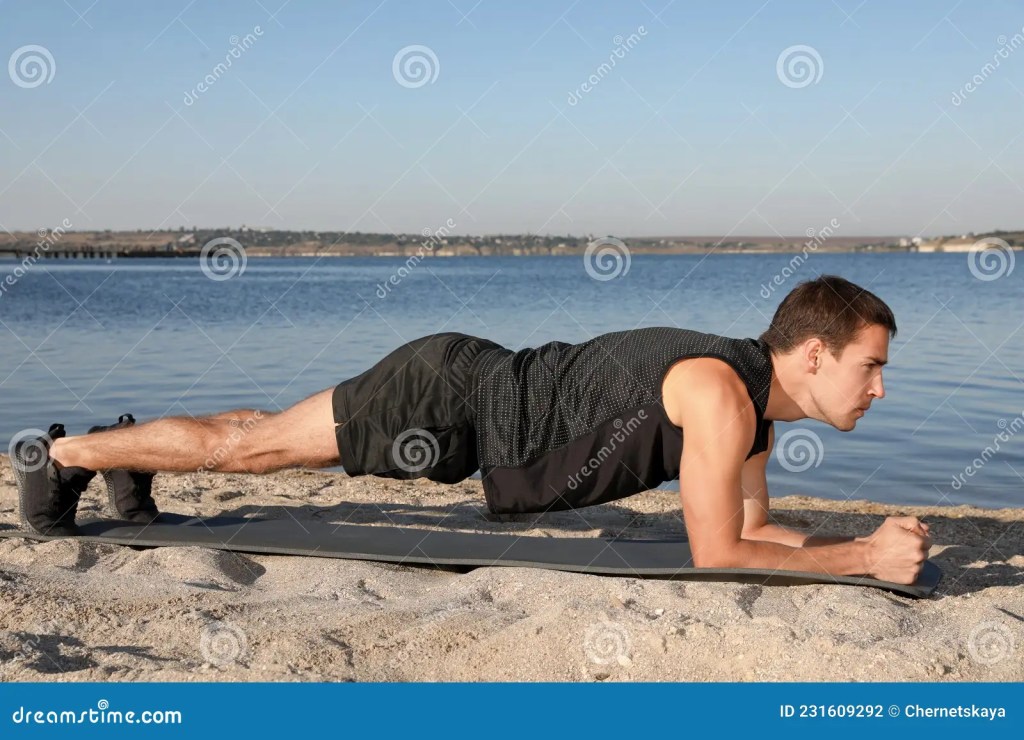
If you think planks are just for abs, you’re missing their true power in functional fitness. This full-body exercise activates your transverse abdominis – the deep core muscle acting as your body’s natural weight belt. When done correctly, planks become your frontline defense against back pain while building rotational strength for real-world movements.
Alignment Essentials
Proper plank form turns a simple hold into a full-body alignment challenge. Follow these non-negotiables:
- Neck-to-heel positioning: Create a straight line from ears to ankles – no sagging hips or lifted buttocks
- Elbow placement: Stack joints directly under shoulders to prevent wrist strain
- Foot position: Keep heels together for posterior chain engagement
Breathing Techniques During Holds
Breathe through your diaphragm while maintaining tension. Try the 3-2-5 rhythm:
- Inhale for 3 seconds
- Hold for 2 seconds
- Exhale for 5 seconds
Dynamic Variations
Once you master the basic plank, try these progression strategies:
Side Plank Progressions
- Beginner: Bent-knee side plank with top hand on hip
- Intermediate: Straight-leg side plank with arm reach
- Advanced: Side plank with dumbbell row
Plank-to-Push-Up Transitions
This hybrid move boosts shoulder stability while testing core endurance:
- Start in the forearm plank position
- Push up with the right hand, then the left hand
- Reverse motion back to forearms
Whole-Body Impact
Planks deliver benefits far beyond six-pack potential:
Postural Improvement Benefits
Regular planking strengthens the entire posterior chain, counteracting slouched shoulders from desk work. You’ll stand taller with:
- Strengthened rhomboids between the shoulder blades
- Activated glutes supporting the lumbar spine
Injury Prevention Through Core Strength
A strong core acts as your body’s shock absorber. Research shows 30-second daily planks reduce:
- Lower back injury risk by 32%
- Rotator cuff strains during overhead lifts
“Planks teach your core to stabilize before movement occurs – the golden rule of injury prevention.”
– Dr. Ellen Carter, Sports Physical Therapist
Simply Walking: Cardiovascular Cornerstone

Transform your daily stroll into a strategic tool for heart health and mental clarity. Walking transcends basic transportation when approached with purpose—it becomes low-impact cardiovascular exercise that strengthens your heart, burns calories, and sharpens your mind. The key lies in optimizing duration, intensity, and terrain to unlock its full potential.
Optimizing Your Walks
Zone 2 cardio—working at 60-70% of your max heart rate—turns casual steps into fat-burning power sessions. Maintain this intensity for 30+ minutes to improve mitochondrial function and endurance. Use these strategies to maximize results:
Pace variations for different benefits
- Brisk walking (4 mph): Boosts calorie burn by 40% compared to leisurely paces
- Recovery walks (2.5 mph): Enhance active recovery between intense workouts
- Interval walking: Alternate 1-minute fast bursts with 2-minute moderate paces
Incorporating inclines and stairs
Add a 5-10% grade to your route to engage 28% more muscle fibers. Climb 8-10 flights of stairs daily to mimic hill training benefits. Urban walkers can use parking garages or stadium steps for elevation challenges.
Mental Health Benefits
Rhythmic footfalls act as natural stress relief, lowering cortisol levels by up to 17% during 30-minute walks. This meditative movement pattern sparks divergent thinking—the brain state linked to creative breakthroughs.
Stress reduction through rhythmic movement
Sync your breathing with steps (inhale for 4 steps, exhale for 6) to activate the parasympathetic nervous system. Studies show this technique reduces anxiety symptoms 22% faster than passive relaxation.
Creative problem-solving while walking
Stanford researchers found that walking increases creative output by 60% compared to sitting. Keep a notes app handy during walks—53% of participants solved complex problems faster when moving versus stationary.
“The combination of fresh air, changing scenery, and bilateral movement creates the perfect storm for cognitive breakthroughs.”
Aim for 8,000-10,000 daily steps using terrain variations to challenge your body and mind. Track progress with smartphone health apps or basic pedometers to maintain consistency in your daily workout routine.
Daily Routine Structuring
Crafting an effective fitness routine requires more than choosing exercises—it demands smart scheduling and intelligent movement pairing. Let’s break down how to time workouts and organize exercises for maximum results.
Morning vs Evening Workouts
Circadian Rhythm Considerations
Your body’s internal clock affects performance. Morning workouts leverage higher cortisol levels for fat burning, while evening sessions benefit from peak muscle temperature (up to 20% higher than morning). Early birds might prefer:
- 7 AM dynamic stretches
- Bodyweight circuits before breakfast
Energy Management Throughout the Day
Night owls often perform better after sunset. Pair workouts with natural energy peaks:
| Time | Activity | Intensity |
|---|---|---|
| 6-8 AM | Yoga/Pilates | Low-Moderate |
| 5-7 PM | Strength Training | High |
| Flexible | Brisk Walks | Variable |
“Your best workout time aligns with when you feel most alert—don’t fight your biology.”
Exercise Sequencing
Optimal Order for Maximum Benefit
Prioritize compound movements first when energy levels are highest:
- Squats or deadlifts
- Push-ups/pull-ups
- Core work (planks)
- Cardio (walking)
Pairing Movements Efficiently
Combine exercises that work opposing muscle groups to save time:
- Push-ups followed by bent-over rows
- Squats paired with overhead presses
This approach keeps workouts under 30 minutes while hitting all major muscle groups. Remember: keep it simple by focusing on movement quality over complexity.
Long-Term Health Transformations

While quick fixes fade, the cumulative effects of regular workouts compound like interest in your biological bank account. A 10-year Harvard study found that adults maintaining daily exercise routines reduced chronic disease risks by 34% compared to sedentary peers. This section reveals how consistency unlocks lasting physiological upgrades you’ll feel decades later.
Cardiovascular Improvements
Your heart becomes a more efficient pump through sustained effort. Just 30 minutes of daily activity lowers systolic blood pressure by 5-8 mmHg, equivalent to some medications. Research in the Journal of the American Heart Association shows exercise outperforms drugs in improving HDL cholesterol by 12% over five years.
Blood pressure regulation
Consistent movement keeps arteries flexible. A 2023 Johns Hopkins trial demonstrated that walkers reduced hypertension medication needs by 41% compared to non-exercisers.
Cholesterol profile enhancements
Daily activity increases lipoprotein lipase production – an enzyme that clears triglycerides. This biochemical shift creates a 20% lower heart attack risk over a decade.
| Metric | Exercise Impact | Medication Impact |
|---|---|---|
| Blood Pressure | -8 mmHg (systolic) | -10 mmHg (systolic) |
| Cholesterol | +12% HDL | +5% HDL |
| Bone Density | +2% annually | +1.3% annually |
Musculoskeletal Benefits
Weight-bearing exercises like squats trigger osteoblast activation – cells that rebuild bone matrix. Men maintaining daily routines preserve 93% of hip bone density by age 70 versus 78% in inactive individuals.
Bone density maintenance
Each step during walks applies 1.5x bodyweight stress to the femurs, stimulating calcium deposition. This natural process prevents osteoporotic fractures better than supplements alone.
Joint mobility preservation
Dynamic movements pump synovial fluid through cartilage like oil in an engine. Regular exercisers maintain 89% of knee flexion range versus 67% in sedentary adults after 55.
These transformations don’t require heroic efforts – just daily commitment. Your future self will walk more easily, breathe deeper, and move more freely because of the choices you make today.
Equipment-Free Fitness

Your living space and neighborhood hold untapped potential for building strength without weights or machines. Daily fitness doesn’t require a gym or fancy gear – just creativity and everyday objects you already own. Let’s explore how to turn ordinary environments into personalized workout zones.
Using Household Items
Common furniture and containers become instant fitness tools. A sturdy chair or ottoman unlocks dozens of possibilities for full-body physical exercise.
Chair-Assisted Variations
- Tricep dips using the seat edge
- Elevated push-ups with feet on a cushion
- Step-ups for leg conditioning
Backpack Weight Alternatives
Fill any bag with books or water bottles to create adjustable resistance:
| Weight Range | Household Items | Best Exercises |
|---|---|---|
| 5-10 lbs | Canned goods | Goblet squats |
| 10-20 lbs | Textbooks | Lunges |
| 20-30 lbs | Water jugs | Shoulder presses |
Outdoor Training Options
Public spaces offer natural equipment for dynamic workouts. Parks and staircases become free fitness studios with these strategies.
Park Bench Workouts
- Incline push-ups on the bench seat
- Box jumps onto the platform
- Plank-to-seat taps for core engagement
Staircase Challenges
Concrete steps provide built-in interval training:
- Two-at-a-time climbs for glute activation
- Side-step ascents targeting inner thighs
- Descending bear crawls for full-body coordination
Habit Formation Strategies

Building lasting fitness habits isn’t about willpower—it’s about crafting systems that make consistency inevitable. Research shows successful behavior change relies on strategic patterns, not just good intentions. Let’s break down science-backed methods to turn exercise into an automatic part of your daily life.
The 21-Day Myth
Forget the oversimplified “three-week rule.” Neuroscience reveals habit formation takes 18-254 days, depending on complexity and personal factors. The key? Focus on progress, not perfection. Missing one workout doesn’t ruin your streak—how you recover matters more.
Realistic Timeline Expectations
Start with micro-commitments:
- Week 1-2: 10-minute daily movement
- Week 3-4: Pair exercises with existing routines (habit stacking)
- Month 2+: Gradually increase intensity
This phased approach helps your brain adapt without overwhelm.
Building Exercise Identity
Shift from “I should work out” to “I’m someone who prioritizes fitness.” Reinforce this through:
- Workout-specific clothing is laid out nightly
- Calendar blocks labeled “health appointments”
- Positive self-talk (“This is what fit people do”)
Environmental design proves crucial—keep resistance low and cues visible.
Motivation Maintenance
Willpower fades; systems endure. Pair just commitment with smart tracking:
“What gets measured gets managed” – Peter Drucker
Tracking Progress Effectively
Use apps like HabitBull or Streaks to visualize consistency. Record more than workouts:
- Energy levels
- Sleep quality
- Mood changes
These metrics reveal hidden connections between effort and results.
Social Accountability Methods
Keep it consistent with three-tiered support:
- Workout buddy for mutual check-ins
- Online community for daily updates
- Professional coach for expert guidance
Social platforms like Fitocracy turn solitary sweat sessions into team achievements.
Common Pitfalls to Avoid
Building a sustainable fitness routine requires more than effort—it demands awareness of hidden obstacles. Many men sabotage progress through avoidable errors, especially when balancing strength training and daily life demands.
Overtraining Risks
Pushing harder isn’t always smarter. Ignoring rest days can weaken immunity and increase injury risk—a study in the Journal of Sports Sciences found athletes who skipped recovery had 40% higher inflammation markers.
Recognizing Recovery Needs
Track these signs weekly:
- Persistent muscle soreness lasting 72+ hours
- Resting heart rate elevated by 5-8 beats/minute
- Disrupted sleep patterns
Balancing Intensity and Volume
| Overtraining Symptom | Solution | Recovery Time |
|---|---|---|
| Chronic fatigue | Reduce weight by 30% | 3-5 days |
| Joint pain | Switch to low-impact core exercises | 7-10 days |
| Plateaued lifts | Implement deload week | 5-7 days |
“Progress happens during recovery, not just workouts. Treat rest days with the same commitment as training days.”
– Dr. Elena Torres, Sports Physiologist
Form Degradation
Compromised technique turns strength training into injury roulette. A 2023 NSCA report revealed 62% of gym injuries stem from poor form during basic movements.
Video Self-Analysis Techniques
Record your core exercises from three angles:
- Front view (check shoulder alignment)
- Side view (monitor spinal position)
- 45-degree angle (assess hip hinge depth)
When to Reduce Intensity
Scale back if you experience:
- Compensatory movements (leaning during push-ups)
- Breath-holding during lifts
- Inability to maintain tempo
Adapting to Life Changes
Your fitness journey isn’t static – it evolves with work trips, aging, and shifting priorities. Staying consistent requires smart adjustments to your daily workout routine without sacrificing men’s health goals. Let’s explore practical strategies for maintaining momentum through life’s transitions.
Travel-Friendly Modifications
Business trips don’t have to derail your fitness progress. With creative planning, you can turn any location into a functional gym.
Hotel room workouts
Pack resistance bands and try this 15-minute circuit:
- Doorframe rows using a towel
- Elevated push-ups on a windowsill
- Luggage deadlifts with suitcase handles
Airport movement strategies
Maximize layovers with these active solutions:
| Time Available | Activity | Benefits |
|---|---|---|
| 10 minutes | Stair climbs | Elevates heart rate |
| 20 minutes | Terminal walks | Improves circulation |
| 30+ minutes | Bodyweight circuit | Full-body activation |
Age-Related Adjustments
Your 40-year-old body needs different care than your 25-year-old self. Focus on sustainable intensity rather than personal records.
Modifying intensity over decades
| Age Group | Recommended Focus | Sample Adjustment |
|---|---|---|
| 20s-30s | Strength building | Heavy compound lifts |
| 40s-50s | Mobility maintenance | Yoga-flow warmups |
| 60s+ | Balance training | Single-leg stands |
Recovery period optimization
Prioritize active recovery days as you age:
- Swap high-impact runs for swimming
- Use foam rolling before bed
- Add a 24-hour rest between heavy sessions
Conclusion
The four foundational exercises – push-ups, squats, planks, and walking – form a complete fitness routine requiring no special equipment. These movements work together to strengthen muscles, boost heart health, and improve mobility when practiced consistently. The key lies in building the habit now rather than waiting for perfect conditions.
Regular commitment to these exercises triggers measurable changes: denser bones, better posture, and increased energy levels. Nike Training Club app users and Peloton walkers alike prove that progress stems from just commitment to daily movement, not extreme workouts. Your body adapts fastest through small, repeated efforts.
Challenges like travel schedules or aging joints become manageable through the modifications outlined earlier. Keep workouts fresh by alternating between bodyweight squats and weighted versions using a filled backpack. Track progress through free apps like Google Fit or Apple Health to maintain motivation.
Start today by scheduling 20 minutes for your fitness routine – morning or evening, whichever fits your circadian rhythm. Pair exercise with existing habits like post-meal walks or pre-shower push-ups. Share goals with friends through Strava or Fitbit communities to create accountability. The path to lasting health begins with one deliberate choice, repeated daily.



 trim down and shape up
Leave a comment