


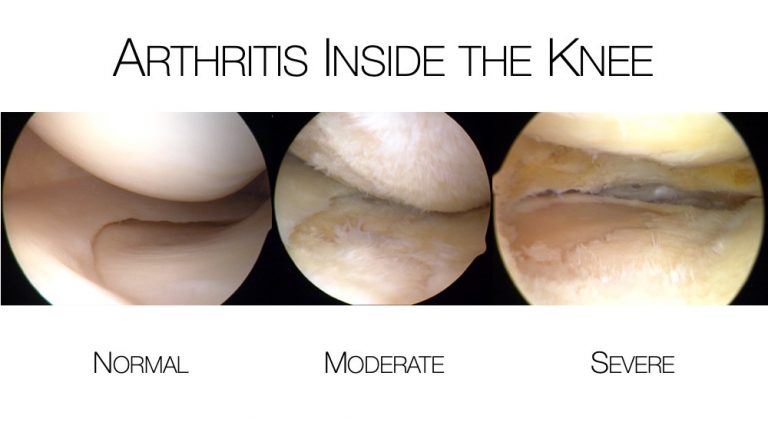
Ever wondered why two types of arthritis affect joints differently? Knowing the difference between osteoarthritis and rheumatoid arthritis can change how you care for your joints. It can also help you manage symptoms better.
Arthritis isn’t just one condition. It’s a group of joint disorders. At first, the symptoms of osteoarthritis and rheumatoid arthritis might seem alike. But they really are different in how they affect your body.
Both can lead to joint pain and stiffness. But they work in different ways. If you’re noticing early signs of joint pain or want to understand more, this guide will help. It will show you the key differences between these two common arthritis types.
Key Takeaways
- Arthritis includes many joint conditions with unique traits
- Osteoarthritis and rheumatoid arthritis have different causes
- Knowing specific symptoms helps in getting the right diagnosis
- Joint care needs a tailored medical approach
- Spotting symptoms early can lead to better management
Understanding Arthritis: Basic Overview and Types
Arthritis is a complex condition that affects millions of Americans. It causes joint pain and reduces mobility. It’s important to know the different types and their unique characteristics.
Joint pain differences between various arthritis types can significantly impact your daily life. The two most common forms are osteoarthritis (OA) and rheumatoid arthritis (RA). Each has its own mechanism and effects on the body.
Common Forms of Arthritis in the United States
- Osteoarthritis (degenerative joint disease)
- Rheumatoid Arthritis (autoimmune condition)
- Psoriatic Arthritis
- Gout
- Lupus
Impact of Arthritis on Daily Life
Living with arthritis can be challenging. Chronic joint pain can limit your ability to perform everyday tasks. It affects work, hobbies, and personal independence. Simple activities like climbing stairs, writing, or even opening jars can become difficult.
“Arthritis doesn’t just affect joints; it affects your entire quality of life.” – Arthritis Foundation
Risk Factors for Developing Arthritis
- Age (risk increases as you get older)
- Family history
- Previous joint injuries
- Obesity
- Gender (some types more common in women)
Understanding the differences between autoimmune arthritis and degenerative joint conditions can help you manage your health better. It can also help you find the right treatment strategies.
What’s the Difference Between Osteoarthritis and Rheumatoid Arthritis?

Knowing the difference between osteoarthritis and rheumatoid arthritis can improve your joint health. These two types of inflammatory arthritis may seem alike, but they have key differences.
Osteoarthritis (OA) is caused by wear and tear. Rheumatoid arthritis (RA), on the other hand, is an autoimmune disorder. Your immune system attacks the tissues in your joints.
- Osteoarthritis typically affects specific joints through mechanical stress
- Rheumatoid arthritis impacts multiple joints symmetrically
- OA is more common in older adults
- RA can develop at any age
Let’s look at the main differences between these two conditions:
| Characteristic | Osteoarthritis | Rheumatoid Arthritis |
|---|---|---|
| Disease Type | Degenerative | Autoimmune |
| Joint Involvement | Localized | Symmetrical |
| Primary Cause | Mechanical Wear | Immune System Dysfunction |
| Age of Onset | Typically Older Adults | Can Occur at Any Age |
It’s important to know the differences for the right diagnosis and treatment. What’s the difference between osteoarthritis and rheumatoid arthritis? It’s all about their unique causes and how they affect your body.
Understanding your specific type of arthritis can help you develop a more targeted approach to managing joint health.
Causes and Disease Mechanisms of Both Conditions

Understanding the causes of autoimmune arthritis and degenerative joint conditions is key. It helps patients know their specific inflammatory arthritis types. Rheumatoid arthritis (RA) and osteoarthritis (OA) are two different joint diseases with unique causes.
Autoimmune arthritis, like RA, comes from a mix of genetics and environmental factors. Your immune system mistakenly attacks your joints, leading to ongoing inflammation.
The Role of Inflammation in Rheumatoid Arthritis
Inflammatory arthritis types, such as RA, have an overactive immune response. This response targets the joint linings. Key signs include:
- Persistent immune system activation
- Synovial membrane inflammation
- Potential systemic inflammatory responses
Mechanical Wear and Tear in Osteoarthritis
Degenerative arthritis, like OA, happens through physical joint breakdown. OA mainly involves cartilage wear and changes in the joint structure.
| Characteristic | Rheumatoid Arthritis | Osteoarthritis |
|---|---|---|
| Primary Mechanism | Autoimmune inflammation | Mechanical joint degradation |
| Immune System Involvement | High | Low |
| Typical Age of Onset | 30-60 years | 50-80 years |
Genetic and Environmental Factors
Both autoimmune and degenerative arthritis involve complex interactions. Genetic susceptibility and environmental factors play a big role. Factors like family history, smoking, obesity, and previous joint injuries can greatly affect disease development.
- Genetic predisposition increases risk
- Environmental exposures trigger the potential onset
- Lifestyle choices impact disease progression
Key Symptoms and How They Differ

Knowing the difference in joint pain between osteoarthritis and rheumatoid arthritis is key. It helps you spot early signs and get the right medical help. Both conditions cause joint pain, but their symptoms are quite different.
Osteoarthritis symptoms start slowly and focus on certain joints. You might feel:
- Localized joint pain during movement
- Stiffness after periods of inactivity
- Crackling or popping sounds in affected joints
- Reduced flexibility and range of motion
Rheumatoid arthritis symptoms, on the other hand, are more widespread and sudden. Key signs include:
- Symmetrical joint pain (both sides of the body)
- Morning stiffness lasting hours
- Generalized fatigue and weakness
- Potential fever and flu-like symptoms
| Characteristic | Osteoarthritis | Rheumatoid Arthritis |
|---|---|---|
| Pain Pattern | Mechanical, with activity | Inflammatory, constant |
| Joint Involvement | Specific, localized joints | Symmetrical, multiple joints |
| Progression | Slow, predictable | Rapid, unpredictable |
“Early recognition of osteoarthritis vs rheumatoid arthritis symptoms can significantly impact treatment outcomes.” – Arthritis Foundation
Understanding these differences is crucial. It helps you work with doctors to find the best treatment for you.
Age of Onset and Disease Progression Patterns

It’s important to know when and how rheumatoid arthritis (RA) and osteoarthritis (OA) start and grow. These two diseases affect joints in different ways. Knowing this helps doctors diagnose and treat arthritis better.
Arthritis can progress differently for everyone. But, there are patterns to look at when comparing RA and OA:
- RA often starts between 30-50 years old
- OA usually starts after 50
- RA gets worse faster and affects both sides equally
- OA gets worse more slowly and affects one side more
Early vs. Late-Onset Symptoms
Finding arthritis early is key to managing pain. Spotting the first signs early can lead to quicker medical help.
| Characteristic | Rheumatoid Arthritis | Osteoarthritis |
|---|---|---|
| Typical Age of Onset | 30-50 years | 50-70 years |
| Initial Symptoms | Symmetrical joint pain and swelling | Localized joint pain with movement |
| Progression Speed | Rapid | Gradual |
Disease Timeline and Development
“Early diagnosis and proactive management can significantly improve quality of life for arthritis patients.” – Arthritis Foundation
Your journey with arthritis is unique. RA can damage joints quickly in the first two years. But OA grows slower. Treatment plans should match your specific case and how it’s progressing.
Seeing your doctor regularly and keeping track of your symptoms is crucial. It helps doctors create the best treatment plan for you.
Diagnostic Methods and Testing Procedures

Figuring out the exact type of arthritis can be tough. To get a correct diagnosis, doctors use many tools and their knowledge. They will check your joints in different ways to find out what’s wrong.
Here’s what usually happens when you’re tested for arthritis:
- Detailed medical history review
- Physical examination of affected joints
- Blood tests to detect inflammatory markers
- Advanced imaging techniques
Doctors look closely at your joints during a physical exam. They check for swelling, tenderness, and how well you can move them. Rheumatoid arthritis often presents symmetric joint inflammation, while osteoarthritis shows more localized wear and tear.
Blood tests are also very important. They help doctors tell if you have an inflammatory or degenerative condition:
- Rheumatoid Factor (RF)
- Anti-Cyclic Citrullinated Peptide (anti-CCP) antibodies
- Erythrocyte Sedimentation Rate (ESR)
- C-Reactive Protein (CRP) levels
“Early and accurate diagnosis is key to managing arthritis effectively,” says Dr. Sarah Thompson, rheumatology specialist.
Imaging, like X-rays, MRI, and ultrasound, shows joint damage. These tools help doctors see how bad the damage is. This helps them choose the right treatment for you.
Treatment Approaches and Management Strategies

Managing arthritis well needs a full plan that covers treatment and pain management. Your health care path will include many strategies made just for you. These will depend on your arthritis type and personal needs.
Arthritis types need different treatments. Knowing these can help you make a plan that boosts your life quality.
Medication Options
Arthritis treatments aim to lessen pain and swelling. Your doctor might suggest:
- Over-the-counter pain relievers
- Nonsteroidal anti-inflammatory drugs (NSAIDs)
- Prescription pain medications
- Disease-modifying antirheumatic drugs (DMARDs)
Physical Therapy and Exercise
Exercise is key in managing arthritis pain. Special exercises can:
- Improve joint flexibility
- Strengthen muscles around joints
- Lessen stiffness
- Boost mobility
Lifestyle Modifications
Arthritis treatment goes beyond medicine. Think about these lifestyle changes:
| Modification | Potential Benefits |
|---|---|
| Weight management | Reduces joint stress |
| Ergonomic adjustments | Minimizes joint strain |
| Balanced nutrition | Supports joint health |
| Stress reduction techniques | Decreases inflammation |
Remember, each arthritis journey is unique. Work closely with healthcare professionals to develop the most effective treatment strategy for your specific condition.

Finding Hope for Arthritis Pain: How Joint Genesis May Offer Natural Relief
Living with arthritis joint pain can feel overwhelming, transforming simple daily activities into challenging ordeals. If you’ve been searching for a natural approach to support your joint health and comfort, Joint Genesis may offer the solution you’ve been looking for.
The Root Cause of Joint Discomfort
Research suggests that many age-related joint issues stem from the loss of a crucial molecule called hyaluronan in our synovial fluid – the natural “joint jelly” that lubricates and cushions our joints. As we age, particularly after 30, our bodies produce less hyaluronan, causing synovial fluid to thin and dry out. This leaves cartilage exposed, leading to the discomfort and stiffness many arthritis sufferers know all too well.
The Joint Genesis Difference
Joint Genesis takes a unique approach to joint health by addressing this root cause. At its core is Mobilee®, a patented ingredient that has been shown in clinical studies to multiply hyaluronan levels in joints by a factor of 10. This helps restore the natural thickness and lubricating properties of synovial fluid.
The formula doesn’t stop there. It combines Mobilee® with French Maritime Pine Bark, a powerful antioxidant that supports healthy inflammatory response and works synergistically with hyaluronan. Additional ingredients include ginger root for its anti-inflammatory properties and Boswellia Serrata, both backed by research for joint support.
What Users Can Expect
Clinical trials spanning six months showed that participants experienced progressive improvements in joint comfort, with results continuing to improve throughout the study period. Users report enhanced flexibility, reduced stiffness, and the ability to return to activities they once enjoyed.
A Natural Path Forward
Joint Genesis represents a science-backed approach to joint health that addresses the underlying causes of age-related joint discomfort rather than just masking symptoms. For those seeking natural support for their arthritis pain, it may offer hope for renewed mobility and comfort.
As with any supplement, consult with your healthcare provider before starting Joint Genesis, especially if you have existing health conditions or take medications.
Find out more about Joint Genesis at their official website
Joint Protection and Self-Care Tips

Managing arthritis pain means taking steps to protect your joints. It’s important to know the differences between osteoarthritis and rheumatoid arthritis. This knowledge helps you create self-care plans that work for you.
Effective joint protection involves several techniques. These methods help reduce strain and pain:
- Use ergonomic tools and assistive devices to reduce joint stress
- Practice proper body mechanics during daily activities
- Balance rest and exercise to maintain joint flexibility
- Modify work and home environments to support joint health
Protecting your joints starts with understanding your specific arthritis type and its unique challenges. If you have osteoarthritis, focus on low-impact activities and strength training. Those with rheumatoid arthritis might need more specialized care to manage inflammation and joint damage.
Key self-care strategies include:
- Maintaining a healthy weight to reduce joint pressure
- Engaging in gentle, consistent physical therapy
- Using hot and cold therapy for pain relief
- Wearing supportive footwear and using joint braces
Find out more about Joint Genesis at their official website
It’s crucial to talk to healthcare professionals. They can help you create a personalized plan. This plan will be tailored to your specific needs and joint pain differences.
Prevention Strategies and Risk Management

Managing arthritis means taking steps to lower your risk and avoid complications. You can’t stop inflammatory arthritis types from happening, but you can make choices that help your joints. These choices can greatly improve your joint health and overall well-being.
Protecting your joints starts with knowing your risk factors. Then, you can use specific treatments to help. Prevention is about creating a health plan that helps your body fight off diseases.
Smart Lifestyle Modifications
- Maintain a healthy body weight to reduce joint stress
- Engage in low-impact exercises like swimming or cycling
- Eat an anti-inflammatory diet rich in omega-3 fatty acids
- Practice stress management techniques
- Get adequate sleep to support immune function
Regular Health Monitoring
Early detection is key in managing inflammatory arthritis types. Your health plan should include:
- Annual comprehensive health screenings
- Tracking family medical history
- Consulting rheumatology specialists
- Regular blood tests to monitor inflammation markers
“Prevention is better than cure” – especially when it comes to joint health and arthritis management.
Your daily choices greatly affect your joint health over time. By using these prevention strategies, you can slow down the disease and keep a better quality of life.
Conclusion
Knowing the difference between osteoarthritis and rheumatoid arthritis is key to managing them well. Both affect joints, but in different ways. Understanding this can help you find the right treatment.
Osteoarthritis is caused by wear and tear, while rheumatoid arthritis is an autoimmune disease. Each needs its own treatment plan. This is because of their different causes and symptoms.
If you’re experiencing joint pain, see a doctor right away. Early treatment can greatly improve your life. A doctor can help you understand your condition and create a plan just for you.
Living with arthritis doesn’t mean you have to lose your mobility or freedom. With the right care and lifestyle changes, you can manage your symptoms. Taking care of your joint health is the first step to feeling better.



 trim down and shape up
Leave a comment