


Did you know 78% of gym-goers make mistakes that slow muscle growth? If you want strong, sculpted arms, knowing these mistakes is key.
Arm training is more than just bicep curls. Stop sabotaging your gains by avoiding common errors. Your current routine might be stopping you from getting the arms you dream of.
To get impressive arms, you need a good plan, proper technique, and a full approach to muscle growth. Mistakes in arm workouts can cause plateaus, injuries, and disappointing results. This can make even the most dedicated people give up.
Key Takeaways
- Recognize and eliminate common arm training mistakes
- Understand the science behind muscle development
- Learn holistic approaches to arm muscle growth
- Prevent potential workout-related injuries
- Develop a more effective arm training strategy
The Truth About Arm Training and Common Misconceptions
Arm muscle development is more than just lifting weights. Many athletes make mistakes that slow their progress. To succeed, you need to know about muscle anatomy and how muscles grow.
Understanding Arm Muscle Anatomy
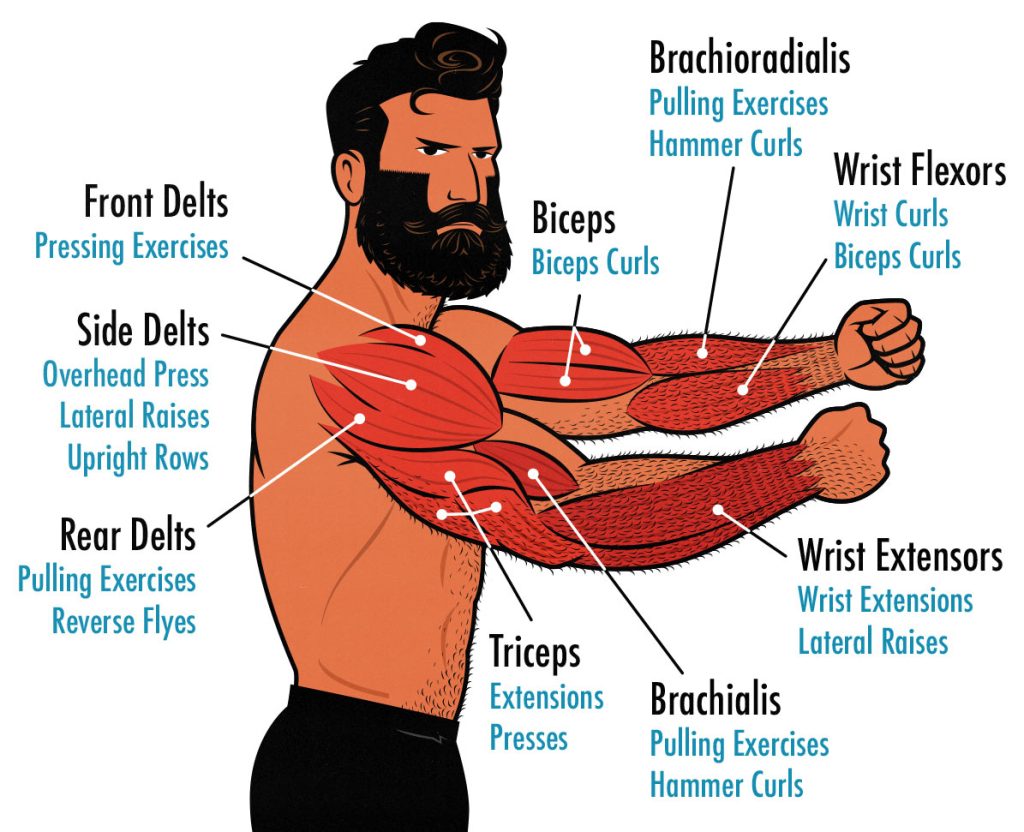
Your arms have complex muscles that need specific training. The main muscles are:
- Biceps brachii (front of upper arm)
- Triceps brachii (back of upper arm)
- Brachialis (underneath biceps)
The Science Behind Muscle Growth
Muscle growth happens through the right mix of stress and rest. Many make mistakes in bicep training because they don’t get this. Muscles get stronger when tiny tears from working out are fixed, making the fibers bigger.
Debunking Popular Arm Training Myths
Many believe wrong things about tricep training. Here are some myths to clear up:
- Myth: More sets always mean more muscleToo much training can hurt growth and recovery.
- Myth: Isolation exercises are most effectiveCompound exercises work better because they stimulate more muscles.
- Myth: Muscle soreness indicates successful trainingSoreness doesn’t always mean you’re building muscle.
Knowing these truths helps you train your arms better and avoid mistakes that slow growth.
The Biceps Obsession: Why Focusing Only on Show Muscles Hurts Your Progress
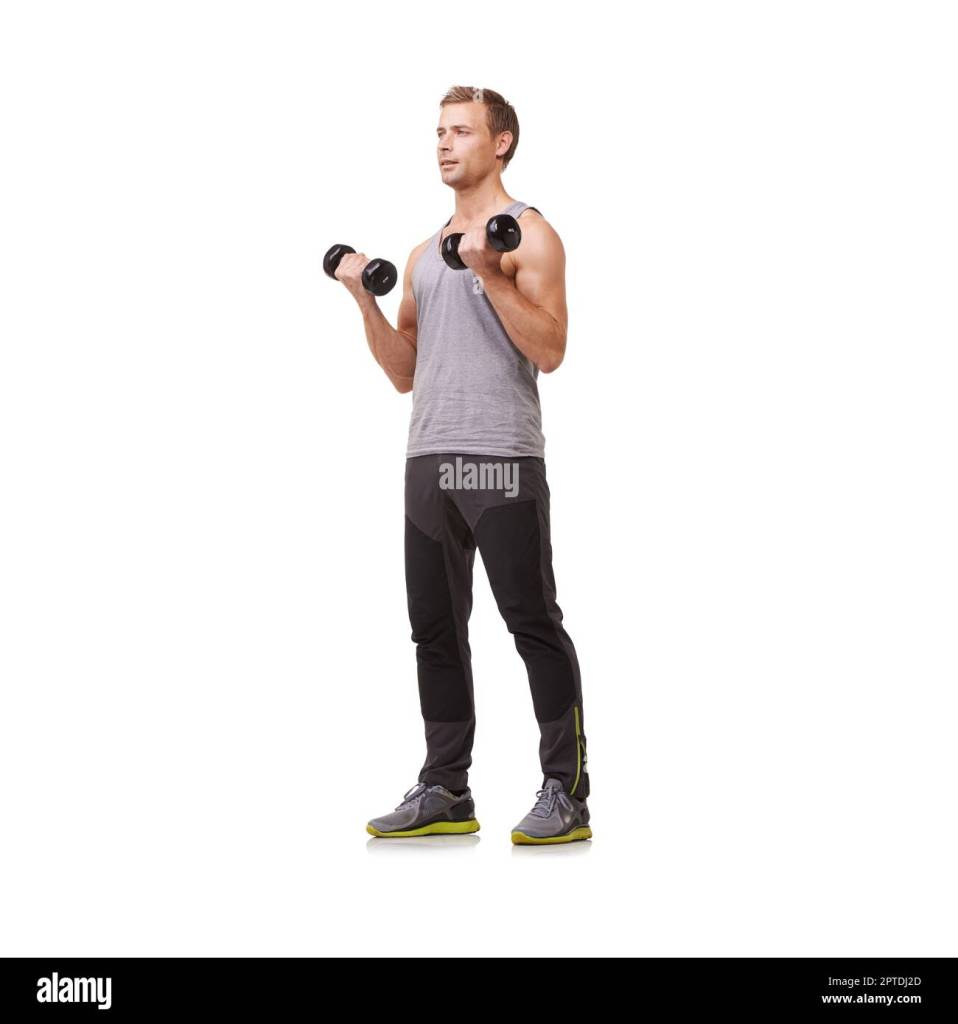
Are you too focused on your biceps? Many people spend too much time on their front arm muscles. They ignore their triceps, which is a big mistake.
Your biceps might look great, but they’re only a third of your upper arm. Triceps make up about 60% of your arm’s muscle. By only working on biceps, you miss out on a lot of muscle growth and strength.
- Biceps comprise about 40% of arm muscle volume
- Triceps constitute roughly 60% of arm muscle mass
- Balanced training prevents muscle imbalances
Ignoring triceps can cause injuries and uneven muscle growth. Even pros and bodybuilders know that you need to train both arms equally.
| Muscle Group | Percentage of Arm Mass | Training Importance |
|---|---|---|
| Biceps | 40% | Pushing/Pulling Movements |
| Triceps | 60% | Extension Movements |
Being too obsessed with biceps but ignoring triceps hurts your arm growth. You need to train both with the same effort and variety of exercises.
True arm development isn’t about showcasing one muscle group—it’s about creating balanced, functional strength.
Balancing Triceps and Biceps Development for Optimal Growth

To get balanced arms, you need a smart plan. Many people make mistakes by only working one muscle group. They forget how important it is to balance biceps and triceps.
Your workout plan should focus on both arms equally. It’s important to know how each exercise helps your arms grow.
Proper Exercise Selection for Triceps
Good triceps training mixes different types of exercises. Here are some top ones:
- Close-grip bench press
- Dips
- Overhead triceps extensions
- Triceps pushdowns
Optimal Training Volume Distribution
Spread out your workout volume to avoid muscle imbalances. Aim to do the same number of sets and reps for both arms.
| Muscle Group | Recommended Sets | Recommended Reps |
|---|---|---|
| Triceps | 4-6 | 8-12 |
| Biceps | 4-6 | 8-12 |
Compound vs. Isolation Movements
Use both compound and isolation exercises for full arm development. Compound movements like pull-ups work many muscles at once. Isolation exercises focus on specific muscles with more precision.
By using these techniques, you’ll avoid common mistakes. You’ll get a workout plan that helps your arms grow evenly.
Quit Sabotaging Your Arm Gains With These Mistakes

Are you having trouble seeing your arm muscles grow, even after spending lots of time at the gym? Many people unknowingly make mistakes that stop their arms from getting stronger. These errors can block muscle growth and slow down progress.
Mistakes in the gym can quickly ruin your fitness goals. To see better results in your arm training, you need to know and avoid these mistakes.
- Inconsistent workout routines that lack structured progression
- Neglecting proper form and technique
- Overtraining without adequate recovery time
- Ignoring the muscle balance between the biceps and triceps
- Relying exclusively on isolation movements
Stop ruining your arm gains by spotting these common training errors. Your muscles need a smart plan, focused exercises, and the right training schedule to grow strong.
“Success in arm development is 20% workout and 80% understanding your body’s unique response to training.” – Professional Strength Coach
Every mistake is a chance to get better. By fixing these common problems, you can change your arm training and see big muscle gains.
Overtraining: The Hidden Killer of Arm Development

Muscle growth happens when you rest, not when you’re working out. Many people think doing more workouts means faster results. But don’t train your arms every day if you want real muscle growth.
Your muscles need time to get stronger and bigger. Too much training can actually slow down your progress.
Recognizing Overtraining Warning Signs
- Persistent muscle soreness that doesn’t improve
- Decreased workout performance
- Reduced muscle definition
- Chronic fatigue
- Increased risk of injury
Strategic Recovery for Optimal Growth
Give your muscles 48 hours to rest between arm workouts. This helps them repair and grow. It also keeps your muscles lean and strong.
“Rest is not a sign of weakness, but a critical component of muscle growth” – Professional Strength Coach
Determining Your Ideal Training Frequency
Your best arm workout schedule depends on several things:
- Fitness experience level
- Overall workout intensity
- Individual recovery capacity
- Nutrition and sleep quality
Pro tip: Listen to your body and adjust your training frequency accordingly. Quality always trumps quantity in muscle development.
The Importance of Progressive Overload in Arm Training

Getting the most out of your arm workouts is more than just lifting. Progressive overload is key to growing strong arms. It makes your muscles keep getting stronger.
Progressive overload means you keep pushing your muscles harder. This stops your body from getting too used to the same workouts. It helps you avoid plateaus and grow your arms faster.
- Increase weight incrementally
- Add repetitions to existing sets
- Reduce rest periods between sets
- Modify exercise tempo
Many people make the mistake of not using progressive overload. Doing the same workout over and over doesn’t get you far. Smart training means always getting a little better.
Keeping track of your progress is important. Use a workout log to note your weights, reps, and sets. This helps you know when to make your workouts harder.
“Growth happens outside your comfort zone” – Fitness Principle
Progressive overload isn’t about showing off or risking injury. It’s about making small, steady gains. Your arms will appreciate a smart, careful training plan.
Form and Technique: Common Errors Destroying Your Progress
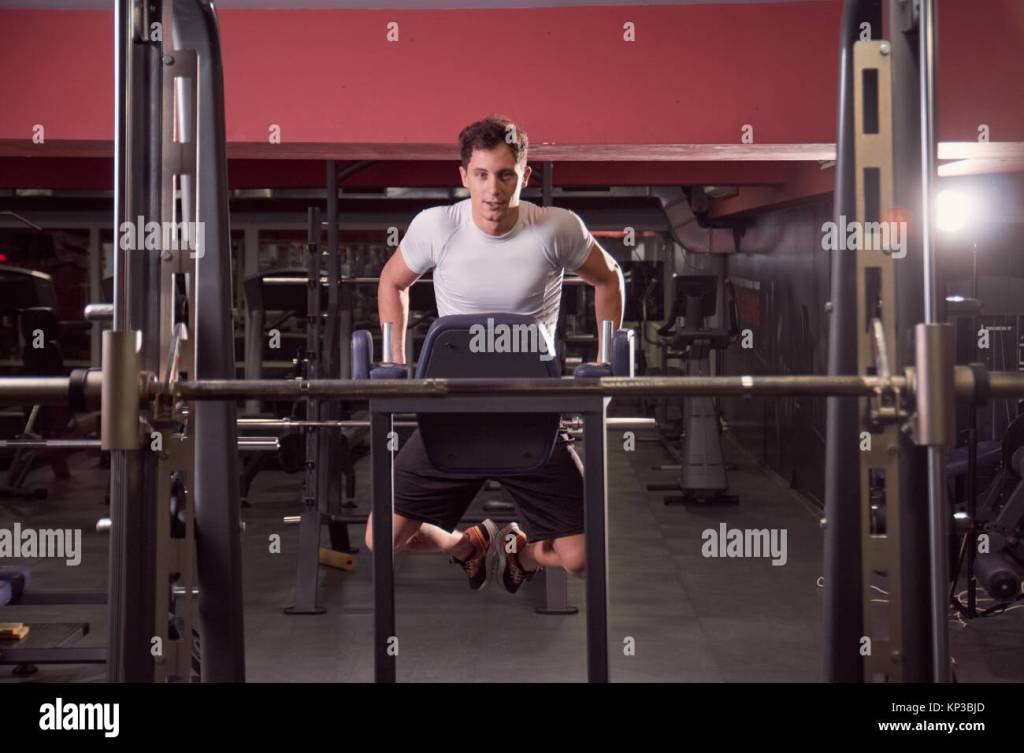
Correcting your weightlifting form is key to growing your arm muscles and avoiding injuries. Many athletes unknowingly harm their arms during workouts by making big technique mistakes. These mistakes limit muscle growth and raise injury risks.
Learning the right way to do arm exercises can change your workout results. Your muscles work best with precise, controlled moves that target specific muscles well.
Proper Exercise Execution Guidelines
- Maintain strict muscle control throughout the entire movement
- Eliminate momentum and swinging motions
- Focus on the full range of motion for maximum muscle engagement
- Keep the core stabilized during arm exercises
Movement Patterns to Avoid
Arm workout mistakes often come from bad movement patterns. Jerky, uncontrolled motions can reduce muscle tension and potential growth. Here are common errors to watch out for:
- Excessive body swinging during bicep curls
- Shortened range of motion in tricep extensions
- Incorrect elbow positioning during resistance training
- Rushing through repetitions without muscle engagement
Correcting Poor Form Habits
Getting the right technique takes effort and self-awareness. Try recording your workouts, getting professional advice, or using mirrors to check your form. Slow, careful movements help you get the right muscle activation.
“Precision trumps weight every time in resistance training” – Professional Strength Coach
Using these form correction strategies will greatly boost your arm development, lower injury risks, and make your workouts more effective.
Nutrition and Recovery: Essential Elements for Arm Growth

Muscle growth is more than just gym time. Your diet and recovery are key to building strong arms. Many athletes make mistakes by ignoring these important steps.
Good nutrition is vital for muscle growth and avoiding setbacks. Your body needs the right nutrients to repair and grow muscles. Protein is essential, but so is the total number of calories you eat.
- Consume 1.6-2.2 grams of protein per kilogram of body weight
- Maintain a slight caloric surplus for muscle gains
- Time protein intake around workout windows
Rest is also crucial, but often overlooked. Too much time off can slow progress, while too little can harm muscle growth. Aim for 7-9 hours of sleep each night and include rest days in your routine.
Here are some recovery tips to boost arm muscle growth:
- Use active recovery days with light exercises
- Practice proper stretching and mobility
- Try foam rolling and massage
Remember, muscle growth happens during recovery, not just during intense training sessions.
Advanced Techniques for Breaking Through Arm Training Plateaus
When your arm muscle growth stalls, it’s time to try advanced bodybuilding arm techniques. These methods push your limits and spark new muscle development. Experienced lifters know that breaking through plateaus requires strategic and intense training approaches.
Arm hypertrophy tips often involve introducing challenging training methods. These methods shock your muscles into new growth. Here are some techniques to help you overcome stubborn muscle-building barriers:
Drop Sets: Intense Muscle Fatigue Strategy
Drop sets are a powerful technique for forcing muscle adaptation. Here’s how to implement them:
- Start with a heavy weight for 6-8 repetitions
- Immediately reduce weight by 30-40%
- Continue performing repetitions until muscle failure
Time Under Tension Methods
Controlling the tempo of your lifts can dramatically improve muscle growth. Use these arm hypertrophy tips:
- Slow down the eccentric (lowering) phase to 3-4 seconds
- Pause briefly at the bottom of each movement
- Explode concentrically with controlled power
Intensity Techniques for Maximum Results
| Technique | Muscle Impact | Recommended Frequency |
|---|---|---|
| Partial Repetitions | Targets specific muscle ranges | 1-2 times per week |
| Forced Repetitions | Pushes muscle beyond the typical failure point | Sparingly, with spotter |
| Negative Training | Increases muscle damage and growth potential | Once per muscle group cycle |
Remember, these advanced bodybuilding arm techniques should be used strategically. Overuse can lead to potential injury or burnout. Rotate these methods and listen to your body’s recovery signals.
Conclusion
Building strong arms is not just about lifting weights without a plan. It’s about knowing how to avoid common mistakes to see real results. The right approach includes smart training, balanced muscle growth, and effective recovery.
Mistakes in your arm workouts can really hold you back. Things like bad form, too much training, and not eating right can slow you down. To grow your arms well, you need to focus on proper technique, balance your muscle work, and stick to a solid training plan.
Building muscle takes time and smart training, not quick fixes. It’s about training wisely and giving your body time to recover. By using the tips from this article, you’ll learn how to train your arms effectively, not just do lots of reps.
Getting strong arms starts with knowing what to do and sticking to it. Use these tips, be patient, and watch your arms get stronger with smart training.



 trim down and shape up
Leave a comment