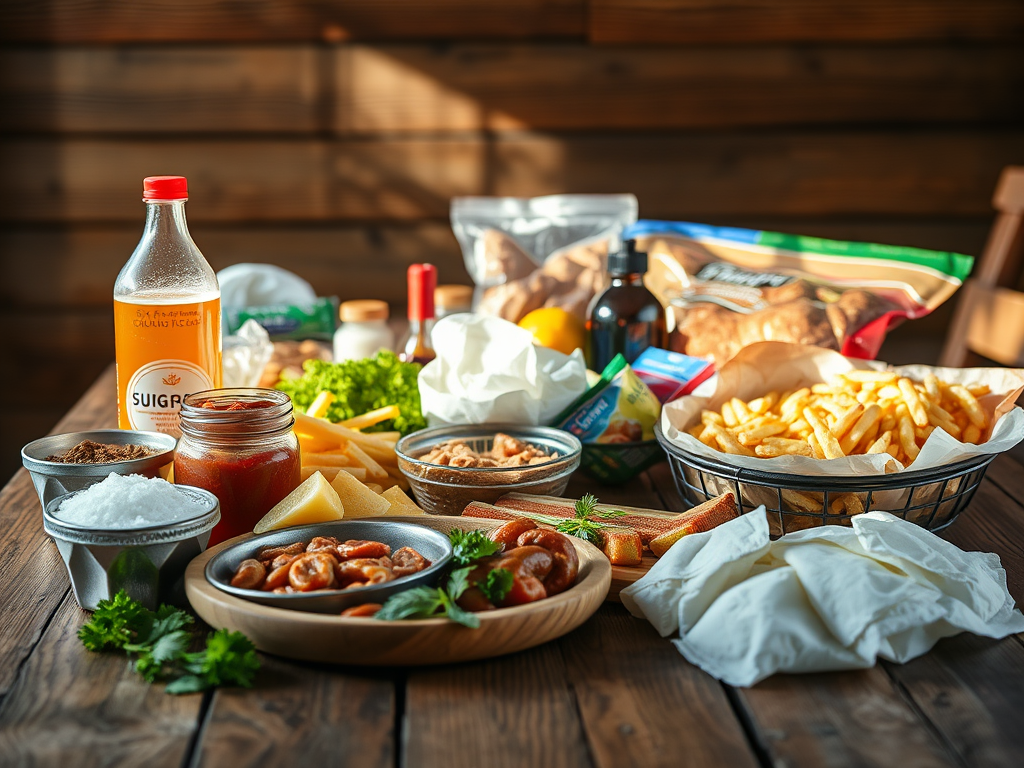


Did you know nearly 54 million Americans are at risk of osteoporosis? Diet is a big part of keeping bones healthy. Knowing the 7 worst foods for bones can help protect your skeleton.
Your diet affects how strong your bones are. Some foods you eat every day might harm your bones without you knowing. These foods can slowly weaken your bones, making them more likely to break.
This guide will show you which foods are bad for your bones. It will give you tips to make better food choices. By avoiding these foods, you can keep your bones strong and healthy for life.
Key Takeaways
- Diet plays a crucial role in maintaining bone strength
- Some common foods can significantly impact bone density
- Nutritional awareness is key to preventing bone health issues
- Certain dietary choices can increase osteoporosis risk
- Proactive nutrition can help preserve bone mineral density
Understanding the Link Between Diet and Bone Health
Your diet is key to keeping bones strong and healthy. What you eat affects bone density and strength. Knowing how food impacts bone health helps you avoid foods that harm bones.
Bones are always being broken down and rebuilt. Your diet gives them the necessary materials for this process. Some foods can harm your bones, so it’s important to know which ones.
How Food Choices Impact Bone Density
Bone density is shaped by many nutritional factors. Your food choices can either help or hurt your bones. Important factors include:
- Nutrient absorption rates
- Mineral balance in your body
- Inflammatory responses triggered by specific foods
- Hormonal interactions with nutritional compounds
The Role of Nutrients in Bone Formation
Important nutrients are needed for strong bones. Calcium, vitamin D, protein, and magnesium are essential. Without them, bones can weaken.
Why Certain Foods Harm Bone Health
A diet that harms bones can make them weak. Some foods block calcium absorption or cause inflammation. Processed foods, too much sodium, and sugar are bad for bones.
“Your bones reflect what you eat – choose wisely for long-term health.” – Nutrition Experts
By knowing how food affects bones, you can make choices that help your bones stay strong.
Sugary Drinks and Sodas: Silent Bone Destroyers

Your favorite sodas and sugary drinks might be harming your bones more than you think. These drinks, often seen as harmless, actually weaken your bones. The high phosphorus in sodas is especially bad for your bones.
Drinking sugary drinks regularly can lead to a loss of calcium in your body. Phosphoric acid in sodas hinders calcium absorption. This can cause your bones to lose density over time.
- Phosphoric acid disrupts calcium metabolism
- Regular soda consumption increases fracture risk
- Sugar-laden drinks contribute to bone mineral loss
Studies show that drinking many sugary drinks and sodas a week can quickly reduce bone density. So, even if you only have a soda now and then, it could still harm your bones without you realizing it.
“One soda per day can increase your risk of bone fractures by up to 40%,” warns nutritional experts.
The long-term effects of these drinks go beyond just losing calcium. Too much sugar can also cause inflammation. This can make your bones even weaker and more prone to problems.
Choosing better drinks isn’t just about cutting calories. It’s about keeping your bones strong for years to come.
The Hidden Dangers of Excessive Salt Consumption

Your diet is key to strong bones, and salt is a big part of it. Too much salt and processed foods can harm your bones in ways you might not see.
Salt might seem harmless, but it’s a silent danger to your bones. Too much sodium makes your body lose calcium, which weakens your bones.
How Salt Affects Calcium Absorption
Too much sodium messes with how your body keeps calcium. For every 2,300 mg of sodium, you lose about 40-60 mg of calcium. This can cause long-term bone loss.
- Increased urinary calcium excretion
- Reduced bone mineral density
- Higher risk of osteoporosis
Processed Foods and Hidden Sodium
Many processed foods have a lot of sodium. Common ones include:
- Canned soups
- Frozen dinners
- Packaged snacks
- Processed meats
“The average American consumes about 3,400 mg of sodium daily, far exceeding recommended levels.” – American Heart Association
Recommended Daily Salt Intake for Bone Health
To keep your bones strong, aim for less than 2,300 mg of sodium a day. Eat fresh foods and check labels to control your salt intake.
Choosing low-sodium foods and knowing how salt affects bones can help keep your bones strong for life.
Alcohol’s Impact on Bone Density and Strength

Drinking a lot of alcohol can harm your bones. Your bones are more fragile than you think if you drink a lot. Alcohol stops your bones from growing and makes them weaker.
Studies show how alcohol hurts your bones:
- It makes it hard for your body to absorb calcium.
- It lowers the number of cells that make bones.
- It cuts down on testosterone and estrogen, which are good for bones.
- It makes you more likely to fall and break bones.
Drinking a lot over time is bad for your bones. Unhealthy foods for skeletal health and drinking can make bones lose density faster. Your body has trouble keeping the right minerals, making bones more fragile and prone to damage.
“Moderation is key when it comes to protecting your bone health,” says Dr. Susan Miller, orthopedic specialist.
Experts say to drink less to keep bones strong. Here’s what they suggest:
- Women: No more than one drink a day.
- Men: No more than two drinks a day.
- Eat foods rich in nutrients.
- Drink plenty of water.
Knowing these risks helps you make better food choices. This way, you can keep your bones strong for years to come.
7 of the Worst Foods for Bone Health

Your diet is very important for strong bones. Some foods can weaken bones, raising the risk of osteoporosis and fractures. Knowing which foods to avoid helps keep your bones healthy.
Nutrition experts have found foods that harm bone health. These foods can block calcium absorption and lower bone density. They also weaken your bones.
Scientific Evidence and Research Findings
Studies show how certain foods affect bone health. They found links between certain foods and lower bone density.
- Processed foods with high sodium content
- Sugary carbonated beverages
- Excessive caffeine consumption
- High-sodium processed meats
- Alcohol in large quantities
- Foods with high phosphoric acid
- Trans fat-laden snacks
Common Dietary Mistakes
Many people eat foods that harm their bones without knowing it. The worst foods for bone health are common in our diets. It’s important to know their risks.
Prevention Strategies
To keep your bones healthy, choose better foods. Eat foods rich in calcium and vitamin D. Avoid processed foods and eat a balanced diet for strong bones.
“Your bones are living tissue that requires proper nutrition to maintain strength and density.” – Orthopedic Nutrition Council
Remember, small dietary changes can make a significant difference in maintaining long-term bone health.
Caffeine Overload: Finding the Right Balance

Caffeine is a daily energy booster for many. But it can quietly harm your bone health. It’s important to know how it affects calcium levels for strong bones.
Caffeine is a food that takes calcium from your body. Each cup of coffee can lead to the loss of up to 5 milligrams of calcium. This loss can weaken your bones over time.
- Coffee contains the highest caffeine concentration
- Energy drinks pose additional bone health risks
- Certain medications may contain hidden caffeine sources
How much caffeine you drink each day is key. Experts say to keep it under 300 milligrams a day. That’s about 2-3 cups of coffee. This amount helps avoid losing too much calcium while still letting you enjoy your drinks.
| Caffeine Source | Approximate Caffeine Content | Calcium Impact |
|---|---|---|
| Brewed Coffee | 95 mg per 8 oz | High calcium loss |
| Black Tea | 47 mg per 8 oz | Moderate calcium loss |
| Energy Drink | 80 mg per 8 oz | Significant calcium depletion |
To fight caffeine’s effects, eat more foods high in calcium. Choose dairy, leafy greens, and supplements. Knowing this helps protect your bones.
The Problem with Refined Carbohydrates

Your diet is key to keeping your bones strong. Refined carbs, like white flour, might seem okay, but can harm your bones. They can lower your bone density and raise the risk of osteoporosis.
Refined carbs have bad effects on your body. They cause your blood sugar to spike, leading to inflammation. This can hurt your bone mineral density. Eating white flour makes your body work harder, which can take calcium from your bones.
White Flour’s Hidden Dangers
- Accelerates calcium loss from bone structures
- Increases inflammatory markers
- Disrupts nutrient absorption
- Contributes to metabolic imbalances
Healthier Alternatives for Strong Bones
Replace refined carbs with whole grains that are good for your bones. Go for complex carbs that give you important minerals and help keep your bones strong.
- Quinoa: Rich in magnesium and protein
- Brown rice: Provides essential minerals
- Whole wheat bread: Contains more nutrients
- Oats: Supports bone mineral density
By choosing the right foods, you can protect your bones from refined carbs and white flour. Your bone health depends on the nutrients you eat and the foods you avoid.
Red and Processed Meats: What You Need to Know
Your diet is key to keeping your bones strong. Red and processed meats can affect your bones in unexpected ways. While protein is good, too much of these meats can hurt your bones.
Diets high in red and processed meats can weaken your bones. These foods make your body more acidic, pulling calcium from your bones. Your body then uses minerals from your bones to balance the acid.
- Processed meats contain high sodium levels
- Red meats increase inflammatory markers
- Saturated fats in these meats can reduce bone mineral density
Experts say to eat red meat only 2-3 times a week. Lean proteins like fish, legumes, and poultry are better for your bones.
Moderation is key when considering red and processed meats in your diet.
Opt for grass-fed, organic meats when you can. Also, watch your portion sizes. Making better protein choices will help keep your bones strong for years to come.
Trans Fats and Fried Foods: Impact on Skeletal Health

Your diet is key to strong bones. Some foods can harm your bones without you realizing it. Trans fats and fried foods are especially bad for your bones.
These foods start harmful chemical reactions in your body. They hurt your bone health. Eating them often makes your bones weaker and more prone to breaks.
Understanding Food Labels
It’s important to read food labels well. Look for these signs of trans fats:
- Partially hydrogenated oils
- Hydrogenated vegetable oils
- Shortening
- Products with “trans fat” listed in ingredients
Healthier Cooking Methods
Keep your bones strong by cooking differently. Here are some tips:
- Bake instead of deep-frying
- Use olive or avocado oil for cooking
- Grill or steam vegetables
- Choose lean protein sources
| Unhealthy Cooking Method | Bone Health Impact | Healthier Alternative |
|---|---|---|
| Deep-frying | High inflammation, bone density reduction | Baking or air-frying |
| Processed oils | Increased oxidative stress | Extra virgin olive oil |
| Reused cooking oils | Cellular damage | Fresh, single-use oils |
Choose your food and cooking methods wisely. This helps protect your bones from harm caused by trans fats and fried foods.
Building Better Bones: Foods to Choose Instead

Protecting your bone strength is more than just avoiding bad foods. It’s about choosing the right foods to boost your bone health. This can make a big difference in keeping your bones strong.
When you’re fighting against foods that weaken bones, pick nutrient-rich foods instead. These foods help make your bones denser and more resilient. It’s all about the right nutrition for your bones.
- Calcium-rich foods: Dairy products, leafy greens, and fortified plant-based milk
- Vitamin D sources: Fatty fish, egg yolks, and sunlight exposure
- Magnesium powerhouses: Nuts, seeds, and whole grains
“Your diet is the foundation of bone health. Every meal is an opportunity to strengthen your skeletal system.” – Nutrition Experts
Key nutrients work together to keep your bones strong. Protein from lean sources like fish and legumes helps build bone matrix. Add colorful fruits and veggies to fight inflammation and boost bone health.
Here are some food swaps to boost your bone nutrition:
- Replace soda with fortified milk or calcium-rich smoothies
- Choose whole-grain breads over refined white bread
- Opt for salmon instead of processed meats
Nutrition and bone health are closely linked. By choosing foods that are good for your bones, you build a strong defense against bone weakening and fractures.
Lifestyle Changes to Support Bone Health
Protecting your bones is more than just avoiding certain foods. It’s about making lifestyle changes that help keep your bones strong. These changes work together to improve your bone density.
Your diet is just one part of the equation. Adding the right exercise and supplements can boost your bone strength. This makes your bones more resilient.
Strategic Exercise for Bone Strength
Not all exercises are good for your bones. But some are better than others. Weight-bearing and resistance exercises are the most beneficial:
- Walking or jogging
- Strength training with weights
- Dancing
- Hiking
- Stair climbing
Targeted Supplementation Guidelines
Supplements can help fill diet gaps. They support your bone health. Here are some key nutrients to consider:
| Supplement | Daily Recommended Intake | Bone Health Benefits |
|---|---|---|
| Calcium | 1000-1200 mg | Bone mineral density support |
| Vitamin D | 600-800 IU | Calcium absorption enhancement |
| Magnesium | 310-420 mg | Bone matrix development |
Prevention is key. By choosing the right lifestyle, you can protect your bones. This reduces the risk of future bone problems.
Conclusion
Knowing the worst foods for bone health is key to keeping your bones strong. What you eat greatly affects your bone density and health. Avoiding bad foods can help prevent serious health issues later on.
Nutrition experts say a whole-body approach to bone health is best. The food you eat directly affects your bones. Foods high in processed ingredients, salt, sugar, and refined carbs can weaken your bones over time. This increases the risk of osteoporosis and fractures.
Start your journey to stronger bones by being aware and making smart food choices. Swap out harmful foods for ones that are good for your bones. Add calcium-rich foods, vitamin D sources, and lean proteins to your meals. Also, exercise regularly and eat well to keep your bones strong for many years.
Take charge of your bone health now. Remove harmful foods from your diet and choose foods that are good for your bones. Your bones are the base of your physical health. Take care of them well.


 trim down and shape up
Leave a comment