


Do you know what’s in your favorite grocery products?
Many unhealthy foods look like they’re good for you. But they’re filled with chemicals that can harm your health.
The foods you think are safe might be taking away important nutrients. They also add unwanted additives to your body.
Key Takeaways
- Common grocery items contain hidden chemicals.
- Some foods labeled as healthy are actually unhealthy.
- Nutrients are often stripped away in processed foods.
- Awareness is the first step to making healthier choices.
- Reading labels carefully can help avoid unwanted chemicals.
The Hidden Dangers in Your Shopping Cart
Every time you fill your shopping cart, you’re making choices that impact your health and well-being. The foods we choose to buy are often filled with more than just nutrients; they’re packed with chemical additives that can be detrimental to our health. As consumers, it’s crucial to understand the implications of these additives and learn how to make safer choices.
Why Chemical Additives Are Concerning
Chemical additives are used to enhance the taste, appearance, and shelf life of food products. However, many of these additives have been linked to health concerns. For instance, sodium is often used as a preservative, but excessive consumption can lead to high blood pressure. Similarly, unhealthy fats are used to improve texture, but they can increase the risk of heart disease.
Some common chemical additives to watch out for include:
- Preservatives like sodium nitrite and sodium nitrate
- Artificial flavors and colors
- Hydrogenated oils
Understanding the role of these additives is the first step in making informed decisions about the food you buy.
How to Identify Chemical-Laden Foods
Identifying foods laden with chemicals requires a bit of detective work. Start by reading the labels carefully. Look out for long lists of ingredients, especially those with complicated names. Products with fewer, more recognizable ingredients are generally safer choices.
| Ingredient | Potential Concern |
|---|---|
| Sodium Nitrite | Preservative linked to cancer risk |
| Artificial Flavors | Potential allergens and health risks |
| Hydrogenated Oils | Source of trans fats, linked to heart disease |
By being more mindful of what you buy and taking the time to read labels, you can significantly reduce your exposure to harmful chemical additives.
15 Grocery Products Packed With More Chemicals Than Nutrients

The journey from farm to table involves many steps that can change your groceries’ nutritional value. It’s important to understand these changes to make smart food choices.
The Impact of Food Processing on Nutritional Value
Food processing can greatly change what’s in your groceries. Steps like milling, refining, and canning can take away important nutrients. This leaves behind mostly empty calories.
For example, sugary breakfast cereals often lose fiber and vitamins. They are left with a lot of corn syrup and fructose.
Whole grain cereals keep more of their nutrients because they’re processed less. Sugary cereals, on the other hand, are made from refined grains. These grains have lost their nutrient-rich bran and germ.
| Nutritional Aspect | Whole Grain Cereals | Sugary Breakfast Cereals |
|---|---|---|
| Fiber Content | High | Low |
| Vitamin Content | High | Fortified |
| Sugar Content | Low | High |
Reading Labels: What to Look For
To avoid products with too many chemicals, read labels carefully. Look for products with fewer ingredients. Avoid those with artificial preservatives, colors, and flavors.
Also, watch out for products with a lot of corn syrup, fructose, and hydrogenated oils. These can harm your health.
When looking at labels, notice the ingredient order. Ingredients are listed by weight, so sugar is high up if it’s a lot. This means the product has a lot of added sugars.
- Choose products with simple, recognizable ingredients.
- Avoid products with long lists of unpronounceable names.
- Opt for products low in added sugars and unhealthy fats.
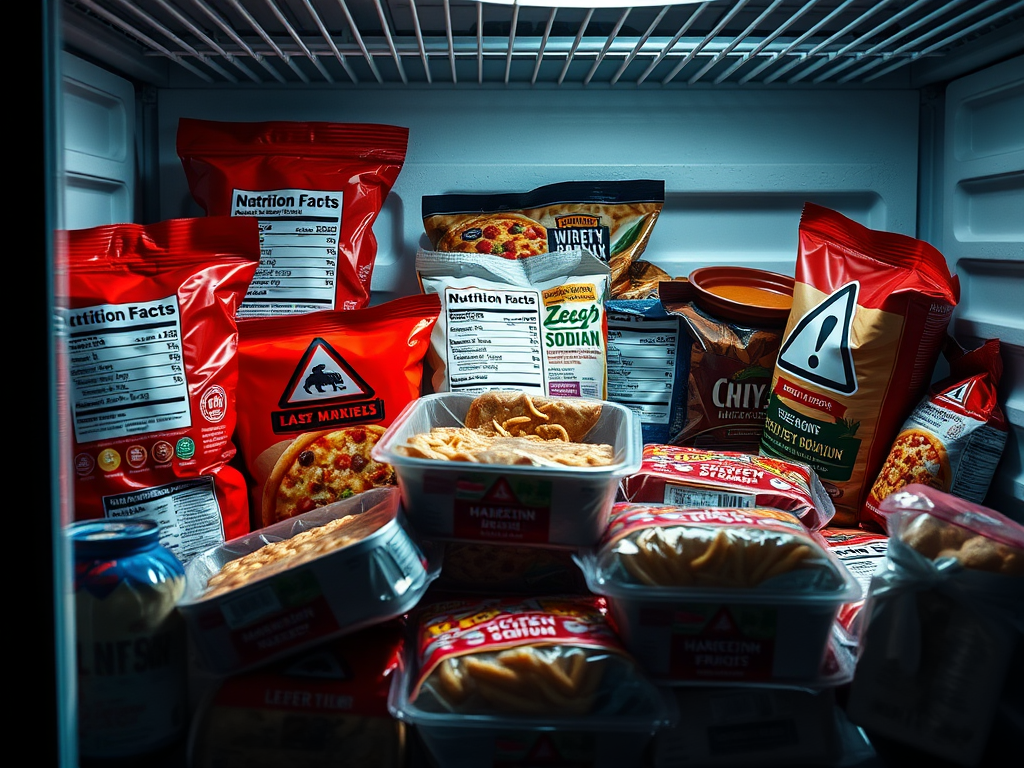
Frozen Dinners: Sodium and Preservative Overload

Many of us turn to frozen dinners for a quick meal. But they often have too much sodium and preservatives. These meals are made to last long and are easy to prepare. Yet, they usually lack in nutritional value.
Frozen meals are processed with lots of sodium and preservatives. This is to make them taste better and last longer. Eating too much sodium can lead to high blood pressure and heart disease.
Common Additives in Frozen Meals
Frozen dinners often have sodium nitrite, sodium nitrate, and sugar or high fructose corn syrup. These add flavor, preserve the food, and improve its texture. But eating them regularly can harm your health.
Sodium nitrite and sodium nitrate are in many frozen meals with meat. They prevent bacteria, but can be risky if eaten too much.
Healthier Alternatives to Consider
Looking for ways to cut down on sodium and preservatives in frozen dinners? Choose meals with less sodium and fewer preservatives. This can help you eat healthier.
Another good option is to make your own frozen meals. Cooking in bulk and freezing portions lets you control what goes into your food. You can also try meal delivery services that offer healthier, preservative-free meals.
Changing your meal habits a bit can greatly improve your health. By choosing healthier frozen meals and being mindful of what you eat, you can enjoy convenience without sacrificing nutrition.
Sugary Breakfast Cereals: A Morning Chemical Cocktail

Your morning bowl of cereal might be more chemical cocktail than nutritious breakfast. Many popular sugary breakfast cereals are loaded with artificial colors and flavors. This makes them a less-than-ideal start to your day.
Artificial Colors and Flavors in Popular Brands
Brightly colored cereals often owe their vibrant hues to artificial colors. These additives have been linked to hyperactivity in children and other health concerns. The artificial flavors used to make these cereals taste sweet and appealing are typically derived from chemical sources.
For instance, many popular brands contain high fructose corn syrup. This sweetener is associated with various health issues when consumed excessively. The combination of artificial colors, flavors, and high fructose corn syrup makes many breakfast cereals a chemical cocktail that’s best avoided.
Better Breakfast Options for Your Family
So, what can you do to make your breakfast healthier? First, read the labels carefully. Look for cereals that are low in sugar and made with wholesome ingredients. Consider alternatives like oatmeal or whole-grain cereals that are low in added sugars and artificial additives.
Preparing your own breakfast from scratch can also be a healthier option. You can make your own granola or breakfast bars using natural ingredients. This ensures that your breakfast is both nutritious and free from unwanted chemicals.
By making informed choices, you can start your day with a breakfast that’s not only delicious but also good for your health.
Packaged Baked Goods: Beyond Empty Calories

Packaged baked goods are easy to grab, but they hide secrets. What’s in your favorite treats might surprise you.
Hydrogenated Oils and High Fructose Corn Syrup Concerns
Packaged baked goods often have hydrogenated oils to last longer. But these oils have trans fats, which can harm your heart. Also, many use high fructose corn syrup, linked to obesity and diabetes.
Choosing packaged baked goods means more than just a quick snack. You’re also taking in ingredients that could harm your health. Knowing about these additives is key to staying healthy.
| Ingredient | Concern | Health Impact |
|---|---|---|
| Hydrogenated Oils | Trans Fats | Increased Risk of Heart Disease |
| High Fructose Corn Syrup | Excessive Sugar | Linked to Obesity and Diabetes |
How to Choose Cleaner Baked Products
To pick healthier options, read labels carefully. Look for products with whole grains and natural sweeteners like honey or maple syrup. Stay away from hydrogenated oils and high fructose corn syrup.
Consider baking your own treats with better ingredients. This way, you control what goes into your food. For store-bought items, choose brands that use natural ingredients and are open about what’s in their products.
Being aware of what’s in packaged baked goods helps you make better choices. It’s about knowing what you eat and taking charge of your health.
Processed Meats: The Nitrate Problem

Many people unknowingly face a health risk from processed meats. Foods like hot dogs, sausages, and deli meats are common in American diets. But they come with a hidden cost. These items often have nitrates and preservatives to last longer and taste better.
Nitrates in these meats help prevent bacteria and keep the color. But they can turn into harmful substances in our bodies. Studies show that eating processed meats can raise the risk of cancer and heart disease.
Hidden Preservatives and Their Health Effects
Processed meats also have sodium nitrite and sodium nitrate. These can lead to health problems like cancer and heart disease. The worry is that these substances can build up in our bodies, causing long-term health issues.
| Preservative | Common Use | Potential Health Risk |
|---|---|---|
| Sodium Nitrite | Meat curing | Cancer, cardiovascular disease |
| Sodium Nitrate | Meat preservation | Cancer, cardiovascular disease |
Healthier Protein Sources to Try Instead
Looking to cut down on processed meats? Try fresh meats like chicken, turkey, and fish. Plant-based proteins like beans, lentils, and tofu are also great. These options are not only lower in nitrates but also packed with nutrients.
Choosing whole foods can greatly improve your diet. Always check labels for fewer additives and preservatives. This way, you can avoid the risks of processed meats and enjoy a healthier diet.
Canned Soups: Sodium Bombs with Extra Chemicals

Canned soups might seem like a quick fix for meals, but they often pack a lot of sodium and artificial stuff. The ease of having a meal ready can be tempting. But it’s important to look at what’s in those cans.
These soups usually have a lot of sodium, sometimes more than a day’s worth of salt. Too much sodium can cause high blood pressure and heart disease. They also have flavor enhancers and artificial ingredients to taste better and last longer.
Flavor Enhancers and Artificial Ingredients
Flavor enhancers like MSG are added to canned soups to boost their taste. But MSG can cause headaches and allergic reactions in some people. Artificial ingredients, like preservatives and colors, are also common in canned soups.
The
Center for Science in the Public Interest says, “Artificial food additives, including those in canned soups, have been linked to various health problems.”
Knowing about these ingredients helps you make better food choices.
Making Your Own Quick Soups at Home
It’s easy to make quick, healthy soups at home. Using fresh ingredients and controlling salt and additives lets you make nutritious meals. Simple recipes with veggies, beans, and lean proteins can be ready in under 30 minutes. They’re a great alternative to canned soups.
Try making a big batch of soup on the weekend and freezing it for later. This saves time and ensures you eat healthy, chemical-free meals.
Instant Noodles: Convenience with Chemical Consequences

Instant noodles are super convenient, but what’s in them? They’re often low in essential nutrients like fiber, protein, and vitamins. But, they’re high in sodium.
What Makes These Noodles Last So Long
Instant noodles have preservatives to last longer. Some common ones are:
- TBHQ (Tertiary Butylhydroquinone), a preservative that can affect your health
- MSG (Monosodium Glutamate), a flavor enhancer that can cause adverse reactions in some individuals
- Artificial colors and flavors that make the noodles more appealing
These additives help the noodles last longer. But they can harm your health if eaten too often.
Nutritious Quick-Meal Alternatives
Looking for healthier options? Try these:
- Homemade noodle soups with fresh veggies and lean proteins
- Stir-fries with pre-cut veggies and your choice of protein
- Pre-cooked lentil or quinoa bowls that can be quickly reheated
These choices are better for you and quicker to make. They’re perfect for when you’re in a hurry.
Pre-made Salad Dressings: Hidden Sugar and Chemical Sources

Pre-made salad dressings might seem like a quick and easy choice for your salad. But they often hide sugars and chemicals. Many commercial dressings mix ingredients that might not fit your healthy eating plans.
Unhealthy Oils and Artificial Flavors
One big worry with pre-made salad dressings is the unhealthy oils they use. Many contain partially hydrogenated oils or processed oils that harm your heart. Also, artificial flavors are used to make them taste better. These can include chemicals that are not good for you.
Common unhealthy oils found in salad dressings include:
- Partially hydrogenated soybean oil
- Canola oil processed with hexane
- Soybean oil
Artificial flavors can hide the taste of bad ingredients and might harm your health. Choosing dressings with natural flavor enhancers like herbs and spices is a better option.
Simple Homemade Dressing Recipes
Making your own salad dressing at home is simple and lets you choose what goes in it. Here are a couple of easy recipes to start with:
Vinaigrette Recipe:
- 2 parts olive oil
- 1 part apple cider vinegar or lemon juice
- 1 teaspoon Dijon mustard
- Salt and pepper to taste
- Optional: herbs like basil or oregano
Creamy Dressing Recipe:
- 1/2 cup Greek yogurt
- 1/4 cup mayonnaise or vegan mayo
- 1 tablespoon lemon juice
- 1 teaspoon honey or maple syrup
- Salt and pepper to taste
By making your own salad dressings, you can skip the hidden sugars and chemicals in many store-bought ones. Try different ingredients to find flavors you like.
Non-Dairy Coffee Creamers: Chemical Whiteners

Non-dairy coffee creamers are a good alternative to dairy. But they often have their own set of chemicals. You might be surprised at what’s in your coffee creamer.
Many non-dairy coffee creamers have a mix of chemicals. They include corn syrup solids and hydrogenated oils. These add flavor and texture, but they can harm your health.
Corn Syrup Solids and Hydrogenated Oils
Corn syrup solids sweeten many non-dairy coffee creamers. They’re made from corn starch, turned into a sweet syrup, then dried. But eating too much corn syrup can lead to obesity and diabetes.
Hydrogenated oils make the creamer thicker and last longer. These oils are made solid by adding hydrogen, which can create trans fats. Trans fats raise the risk of heart disease.
- Corn syrup solids: Linked to obesity and diabetes
- Hydrogenated oils: Can create trans fats, increasing heart disease risk
Natural Alternatives for Your Coffee
Want to avoid chemicals in non-dairy coffee creamers? Try these natural options:
- Milk or cream: Good for those who can handle lactose.
- Coconut cream or oil: Rich in healthy fats, adds creaminess.
- Almond milk or other nut milks: Choose unsweetened and unflavored ones.
Choosing natural alternatives lets you enjoy coffee without chemicals found in many non-dairy creamers.
Five More Chemical-Laden Products to Avoid

When you’re at the grocery store, it’s key to know about more products that are not good for you. They might seem convenient, but they’re full of harmful chemicals. Knowing what to avoid helps you stay safe from these substances.
Microwave Popcorn: The Artificial Butter Problem
Microwave popcorn is a favorite snack, but it has artificial butter flavorings. These have been linked to health problems. Instead, try air-popped popcorn or microwave it in a brown paper bag for a healthier option.
Fruit Snacks: Candy in Disguise
Fruit snacks seem like a healthy choice, but many have high fructose corn syrup and artificial colors. These can lead to obesity and hyperactivity. Pick fruit snacks with natural ingredients or eat fresh fruit instead.
Flavored Yogurts: Sugar and Artificial Color Overload
Flavored yogurts are thought to be good for you, but they often have a lot of sugar and artificial colors. These can cancel out the health benefits of yogurt. Choose plain yogurt and add your own fruit or honey for a better choice.
Margarine and Shortening: The Trans Fat Issue
Margarine and shortening are common in kitchens, but they usually have trans fats. These are bad for your heart. Even though some brands have less trans fat, always check the labels. Use olive oil or avocado oil instead for a safer choice.
Diet Drinks: Zero Calories, Maximum Chemicals
Diet drinks have no calories, but they’re full of artificial sweeteners. These can harm your metabolism and gut health. Try water or unsweetened tea for a better way to stay hydrated.
By knowing about these products and making smart choices, you can cut down on harmful chemicals in your diet. Always read labels and choose products with fewer and more natural ingredients.
How Food Chemicals Affect Your Health Long-Term

Understanding the long-term health effects of food chemicals is key in today’s world. The foods we eat daily may have many additives and chemicals. These can affect our health over time.
Cumulative Effects of Food Additives
The cumulative effects of food additives mean they build up in our bodies. This can lead to health problems. Studies show that long-term exposure to some chemicals can cause obesity, diabetes, and heart disease.
Artificial colors and flavors in processed foods can make kids hyperactive. They might also have other health risks. Preservatives like sodium nitrite in meats can increase cancer risk.
Building Chemical Awareness in Your Diet
Being aware of chemicals in your diet means paying attention to what you eat. Read food labels for additives and artificial stuff. Eating whole, unprocessed foods helps cut down on chemicals.
Cooking at home lets you choose what goes into your food. This way, you avoid unwanted additives. Being informed and proactive helps you eat healthier and avoid harmful chemicals.
Conclusion: Shopping for Nutrients, Not Chemicals
As you’ve walked through your local grocery store with us, you’ve seen that many products are full of chemicals, not nutrients. Knowing about these dangers helps you make better choices for your health.
When you shop, choose whole foods and read labels well to avoid additives. This step helps you avoid chemicals and adopt healthy eating habits.
Your quest to shop for nutrients is about making choices that help your health. Start by adding more whole, nutrient-rich foods to your meals. Then, slowly cut down on processed foods.
These changes will not only boost your health but also help the environment. Every smart choice you make at the grocery store can improve your life and the lives of others.


 trim down and shape up
Leave a comment