


Ever thought about how your digestive health might be more serious than you think? Chronic constipation is a big health problem that affects millions in the U.S. But it’s often misunderstood and ignored.
Your digestive system is key to your overall health. When constipation lasts a long time, it can cause many health problems. It’s important to know the signs of chronic constipation to avoid bigger health issues.
Some people think constipation is just a minor issue. But studies show that ignoring it can lead to serious health problems. This includes issues with metabolism and even the brain. It’s time to take chronic constipation seriously.
Key Takeaways
- Chronic constipation affects more than just digestive comfort
- Persistent bowel issues can signal underlying health problems
- Early recognition of symptoms is critical for prevention
- Digestive health impacts overall physical and mental well-being
- Professional medical consultation is essential for proper management
Understanding Chronic Idiopathic Constipation (CIC): A Growing Health Concern
Chronic idiopathic constipation (CIC) is a complex digestive health problem affecting millions worldwide. It’s more than just occasional discomfort. It creates big challenges for those dealing with it every day.
Defining CIC and Its Prevalence
Chronic idiopathic constipation is a long-term bowel issue without a clear cause. Studies show about 12-15% of adults in the U.S. face CIC. This makes it a big problem in gut health.
- Occurs more frequently in women
- Peak prevalence between ages 30-60
- Often impacts quality of life significantly
Impact on Daily Life and Well-being
CIC can really affect your daily life. People often feel less productive, emotionally upset, and physically uncomfortable. These feelings come from dealing with constipation all the time.
| Symptom Category | Frequency of Occurrence |
|---|---|
| Abdominal Pain | 75% |
| Bloating | 68% |
| Irregular Bowel Movements | 85% |
Current Medical Understanding
Modern research shows CIC involves complex interactions in the body. Doctors are looking into genetics, diet, and environment to understand it better. They aim to find ways to help those suffering.
Understanding CIC requires a comprehensive approach that addresses both physical symptoms and overall patient well-being.
The Alarming Statistics: Emergency Room Visits and Hospitalizations

Gastrointestinal disorders like chronic constipation are big challenges for the US healthcare system. You might be surprised to learn that constipation hospitalizes 92,000 Americans each year. It also leads to 1.3 million visits to American emergency rooms.
The numbers show more than just discomfort. Chronic constipation is a serious health issue that often goes unnoticed until it’s too late. Emergency room data shows how widespread this problem is.
- 92,000 annual hospitalizations are directly linked to constipation
- 1.3 million emergency room visits per year
- Significant economic burden on the healthcare system
- Increased risk of severe complications
These statistics show we need to understand and manage digestive health better. Patients often wait too long to get help. This can lead to more serious medical problems.
“The number of emergency room visits for constipation highlights the urgent need for proactive digestive health awareness.” – Gastroenterology Research Institute
Knowing these numbers is key to understanding the importance of early treatment. Proper management of chronic constipation can prevent emergency medical situations.
Common Symptoms and Warning Signs of Chronic Constipation
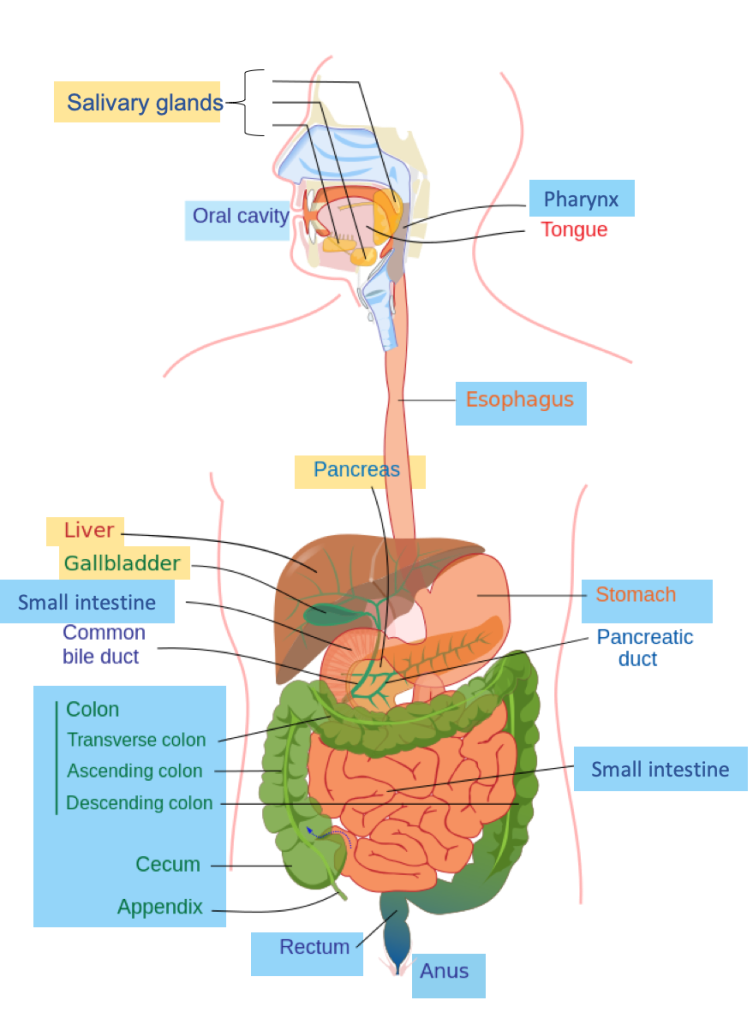
Chronic constipation can show up in many ways, affecting your daily life. Knowing these signs helps you spot digestive health problems early. This way, you can get the right medical help.
Physical Manifestations of Digestive Distress
Constipation is more than just not going to the bathroom often. You might also see:
- Less than three bowel movements per week
- Hard, dry, or lumpy stools
- Straining during defecation
- Feeling of incomplete bowel evacuation
Associated Symptoms to Watch
IBS constipation can also bring other uncomfortable symptoms, like:
- Fatigue and reduced energy levels
- Persistent headaches
- Recurring abdominal pain
- Occasional nausea and vomiting
When to Seek Medical Help
Watch for warning signs that mean you should see a doctor:
- Symptoms last for more than two weeks
- Severe abdominal pain with constipation
- Unexpected weight loss
- Blood in stool
- Unexplained changes in bowel habits
Early detection and intervention can prevent more serious digestive complications.
Medical Conditions Associated with Chronic Constipation
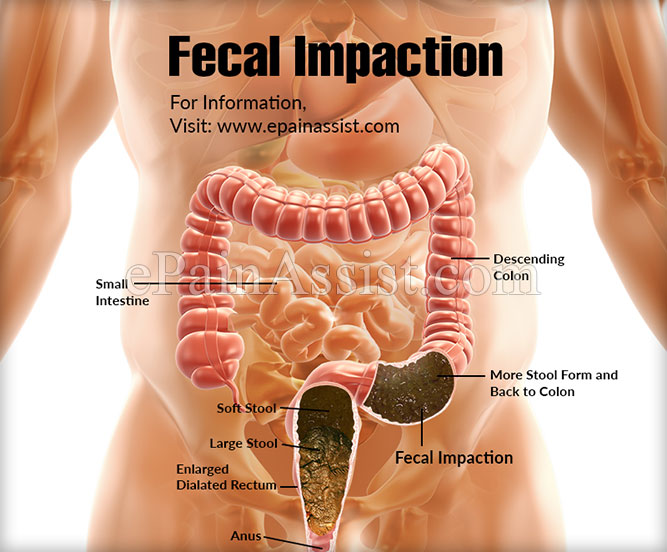
Chronic constipation is more than just a minor issue. It can signal serious health problems that need immediate medical care. Knowing about these connections helps you take better care of your health.
Many serious health conditions are linked to chronic constipation:
- Hypothyroidism: A thyroid disorder that slows down your metabolism and digestive processes, often causing significant bowel movement difficulties
- Hyperparathyroidism: An endocrine condition that disrupts calcium regulation and can directly impact digestive system functionality
- Neurological disorders affecting nerve signals to the digestive tract
- Autoimmune conditions that compromise gut motility
Mental health also affects digestion. Anxiety and depression can slow down digestion, leading to constipation. These conditions change hormones that affect gut movement and health.
Constipation can be a sign of a serious illness. It might point to problems with your endocrine, nervous, or metabolic systems. If you have chronic constipation, see a doctor to check for other health issues.
Your body communicates through symptoms – listening carefully could prevent more serious health challenges.
If you have long-term constipation and other symptoms like weight changes, fatigue, or mood swings, see a doctor. They can do tests to find the cause.
The Role of Gut Microbiome in Digestive Health
Your gut microbiome is key to good digestive health. It’s home to trillions of microorganisms. These tiny creatures work together, affecting your bowel and gut health.
Understanding Dysbiosis in the Gut
Dysbiosis means your gut’s balance of good and bad bacteria is off. This imbalance can cause big problems with digestion. It might even lead to chronic constipation and other gut issues.
- Disrupts normal digestive processes
- Reduces nutrient absorption
- Weakens immune system response
Microbiome Balance and Bowel Function
A balanced microbiome helps your bowels move smoothly. It keeps your intestines strong. But, if the balance is lost, you might face digestion problems and constipation.
Probiotics and Gut Health
Probiotics can fix the balance in your gut. Specific bacterial strains can help. They can ease symptoms of bowel problems by boosting good bacteria.
- Lactobacillus species
- Bifidobacterium strains
- Saccharomyces boulardii
Talking to health experts can guide you. They can help you find the right probiotics for your gut. This can improve your digestive health.
Why Chronic Constipation Deserves More Serious Attention

Chronic constipation is more than just a minor issue. It’s a serious health problem that needs attention from doctors and individuals. It can affect many parts of your health, not just your digestion.
Let’s look at why chronic constipation is so important:
- Potential damage to the digestive health ecosystem
- Increased risk of serious medical complications
- Negative impact on mental and physical quality of life
Digestive health experts warn that untreated chronic constipation can lead to significant complications. These may include:
- Hemorrhoids
- Anal fissures
- Rectal prolapse
- Bowel obstruction
“Chronic constipation is not just a minor inconvenience – it’s a serious health concern that requires proactive management.” – Dr. Sarah Thompson, Gastroenterology Specialist
Your body tries to tell you something through constipation. If you ignore these signs, your health risks can get worse. This can harm your overall health.
| Potential Health Risks | Long-Term Consequences |
|---|---|
| Chronic Inflammation | Increased Autoimmune Vulnerability |
| Gut Microbiome Disruption | Compromised Immune Function |
| Metabolic Disturbances | Potential Weight Management Challenges |
Understanding the seriousness of chronic constipation helps you take care of your health. It’s a step towards better digestion and overall well-being.
Dietary Factors and Their Impact on Bowel Function

Your diet is key to keeping your bowels healthy and avoiding constipation. Knowing what foods can cause problems helps you make better choices for your health.
Fiber Requirements for Optimal Digestion
Fiber is vital for avoiding constipation and keeping your bowels regular. Adults need 25-30 grams of fiber each day. You can get this from:
- Whole grains
- Fresh fruits and vegetables
- Legumes
- Nuts and seeds
Hydration’s Critical Role
Drinking enough water is crucial for smooth digestion. Water makes stool softer and helps with waste elimination. Aim for 8 glasses of water a day to help your bowels move well.
Problem Foods to Avoid
Some foods can make constipation worse, especially dairy in kids and adults. Foods to watch out for include:
- Processed cheese
- Highly processed meats
- Refined carbohydrates
- Too much dairy
Eating poorly can really hurt your digestion. By knowing which foods to avoid, you can help your body digest better and lower constipation risks.
The Hidden Dangers of Long-term Constipation

Chronic constipation is more than just a short-term problem. It can lead to serious health issues that affect your life greatly.
Ignoring chronic bowel problems can cause many health problems. These issues can harm many parts of your body.
- Increased risk of hemorrhoids and anal fissures
- Potential development of rectal prolapse
- Higher chances of developing intestinal blockages
- Potential neurological complications from toxin buildup
Your digestive system is key to getting rid of waste and toxins. Chronic constipation can cause inflammation and weaken your body.
Long-term constipation can lead to serious health risks, including:
- Increased bacterial overgrowth in the intestines
- Potential damage to intestinal nerve networks
- Compromised immune system functionality
- Higher vulnerability to systemic infections
Early intervention is key to preventing these potentially debilitating health complications.
Seeing the signs of chronic bowel issues and getting medical help is crucial. It can help avoid these dangers and improve your digestive health.
Natural Treatment Approaches and Lifestyle Modifications

Managing chronic constipation needs a holistic approach. This includes many lifestyle strategies. Your journey to better digestive health involves understanding and using natural constipation treatments.
Managing constipation is more than quick fixes. It requires a detailed plan. This plan should cover nutrition, hydration, exercise, and stress management.
Exercise: Your Digestive System’s Best Friend
Regular exercise is key to healthy bowel movements. Certain exercises can help move your intestines and improve digestion.
- Walking 30 minutes daily
- Yoga poses targeting digestive health
- Core-strengthening exercises
- Swimming and cycling
Nutrition and Hydration Strategies
Your diet affects your bowel function. Making smart dietary changes can help. These changes can reduce bad habits and lack of exercise that cause constipation.
- Increase fiber intake gradually
- Drink at least 8 glasses of water daily
- Consume probiotic-rich foods
- Limit processed and low-fiber foods
“Let food be thy medicine and medicine be thy food” – Hippocrates
Stress Management Techniques
Chronic stress hurts your digestive health. Using relaxation techniques can help control your body’s natural processes and boost your well-being.
- Meditation
- Deep breathing exercises
- Regular sleep schedule
- Mindfulness practices
By using these natural methods, you can create a full plan to manage and possibly beat chronic constipation.
Understanding the Risks of Chronic Laxative Use

Laxatives might seem like a quick fix for constipation, but their long-term use can create significant health risks. Many people turn to these medications without understanding the potential dangers of laxatives to their digestive system.
Chronic laxative use can lead to serious gastrointestinal dysfunction. This disrupts your body’s natural bowel function. Your digestive system becomes dependent on these medications. This weakens the intestinal muscles and reduces their ability to move waste effectively.
- Electrolyte imbalances can develop from frequent laxative use
- Nerve damage in the colon may occur with prolonged consumption
- Natural bowel movement mechanisms become increasingly impaired
The conventional causes of constipation often stem from deeper health issues that laxatives cannot resolve. Instead of masking symptoms, you should investigate underlying conditions such as:
- Dietary deficiencies
- Hormonal imbalances
- Medication side effects
- Stress and lifestyle factors
Medical professionals recommend addressing root causes rather than relying on temporary solutions. Consulting a healthcare provider can help you develop a comprehensive strategy for managing digestive health safely and effectively.
Prevention Strategies and Daily Habits
Preventing chronic constipation starts with taking care of your digestive health. Refined grains often don’t have enough fiber for good bowel movements. So, choosing whole grains is key for regular digestion.
Your daily habits are important for avoiding digestive problems. Here are some essential strategies:
- Choose whole grain foods over refined grains
- Maintain consistent hydration throughout the day
- Establish a regular bathroom routine
- Incorporate daily physical activity
- Manage stress levels effectively
Knowing what causes constipation helps you create a good prevention plan. A sedentary lifestyle, not drinking enough water, and bad diet choices all lead to digestive issues.
Your digestive health is a critical component of overall wellness. Small daily changes can make a substantial difference.
To keep your bowels working well, eat foods high in fiber, drink plenty of water, and exercise regularly. Paying attention to your body and fixing digestive problems early can stop bigger issues later.
Conclusion
Chronic constipation is more than just a temporary discomfort. It’s a serious issue that can affect your overall health. Understanding its importance is key to keeping your health in check and avoiding long-term problems.
Your journey to better digestive health starts with awareness and action. Look into different treatments, like changing your diet or lifestyle. Remember, what works for one person might not work for another.
Your health is in your hands. Regular doctor visits, eating mindfully, staying hydrated, and being active are important. Don’t ignore ongoing digestive problems – get medical help if symptoms keep coming back or get worse.
Improving your digestive health takes time, patience, and a thorough approach. By staying informed and dedicated to your health, you can manage and possibly beat chronic constipation.


 trim down and shape up
Leave a comment