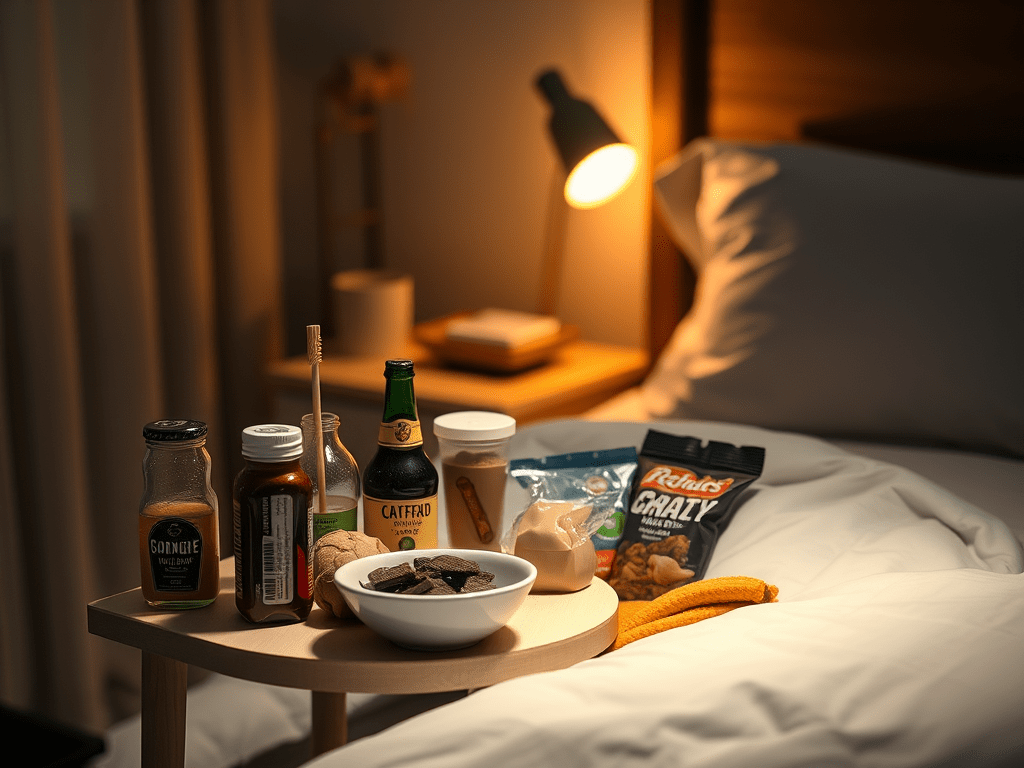


Did you know 70% of Americans struggle with sleep quality? What you eat before bed might be the hidden culprit. It’s important to understand your evening eating habits for sleep to get a good night’s rest.
Some foods can ruin your sleep. They can mess with your body’s natural rhythm and cause stomach problems. The wrong foods can make it hard to sleep well.
This guide will show you seven foods to avoid before bed. Knowing these foods can help you make better choices. This way, you can sleep better and stay healthy.
Key Takeaways
- Sleep quality is directly linked to your evening eating habits
- Certain foods can significantly disrupt your sleep cycle
- Late-night eating requires careful food selection
- Understanding food’s impact on sleep is crucial for rest
- Dietary choices can improve or hinder sleep quality
Understanding the Connection Between Late-Night Eating and Sleep Quality
Your evening eating habits are key to good sleep. Knowing which foods to avoid at night is crucial for better sleep. The link between diet and sleep is more complex than many think.
Digestion needs a lot of energy from your body. Eating foods that cause insomnia close to bedtime makes your digestive system work hard. This disrupts your natural sleep cycle.
The Science Behind Nighttime Digestion
Your body’s internal clock, or circadian rhythm, is important for digestion and sleep. Experts say eating big meals late at night can cause several problems:
- Increased metabolic activity
- Elevated body temperature
- Hormone disruption
- Reduced melatonin production
How Food Timing Affects Your Sleep Cycle
Eating late at night makes your body focus on digestion instead of sleep. This keeps your brain active, stopping you from getting deep, restful sleep. The energy used for digestion takes away from the recovery your body needs during sleep.
The Three-Hour Rule Before Bedtime
Experts suggest a simple rule: don’t eat big meals three hours before bed. This gives your body time to digest and get ready for sleep. If you’re hungry, light snacks are okay, but avoid heavy or complex meals.
Your sleep quality is directly influenced by what and when you eat. Make conscious choices to support your body’s natural sleep rhythms.
Caffeinated Beverages: Your Sleep’s Worst Enemy

Caffeinated drinks can mess up your sleep, making it hard to relax at night. These drinks have a strong effect that can change your sleep cycle in unexpected ways.
It’s important to know how caffeine stays in your system for up to six hours. Drinking caffeine too close to bedtime can stop your body from winding down. This makes it hard to fall asleep and stay asleep.
- Coffee: The most common culprit with high caffeine content
- Energy drinks: Packed with stimulants that keep you wired
- Black and green tea: Significant caffeine levels that impact sleep
- Certain sodas: Hidden sources of unexpected caffeine
When caffeine gets into your brain, it makes you feel too awake. It blocks the sleep-making receptors in your brain. So, your mind stays active when you need to sleep.
Cutting off caffeinated beverages at least 6 hours before bedtime can dramatically improve your sleep quality.
Try switching to herbal teas like chamomile or warm milk in the evening. These drinks tell your body it’s time to relax and get ready for sleep.
Dark Chocolate: The Hidden Sleep Disruptor

Your late-night dark chocolate habit might be sabotaging your sleep without you realizing it. While dark chocolate is praised for its health benefits, it can be one of the most significant bedtime nutrition mistakes that disrupts your rest.
Dark chocolate contains surprising amounts of caffeine that can interfere with your natural sleep cycle. Unlike milk chocolate, dark chocolate has a higher concentration of cocoa solids. This means more caffeine per serving.
Understanding Caffeine Content in Chocolate
The caffeine levels in dark chocolate vary depending on the cocoa percentage:
- 70-85% cocoa: Approximately 22-60 mg of caffeine per ounce
- 50-69% cocoa: Around 10-40 mg of caffeine per ounce
- Milk chocolate: Typically 1-15 mg of caffeine per ounce
“Even small amounts of caffeine can disrupt your sleep patterns, especially if consumed close to bedtime.” – Sleep Research Institute
Delicious Sleep-Friendly Evening Treats
Instead of reaching for dark chocolate, consider these sleep-supporting alternatives:
- Warm herbal tea
- Small piece of white chocolate
- Banana with a touch of honey
- Handful of cherries
By making smarter choices about your evening snacks, you can protect your sleep quality and wake up feeling refreshed.
Alcoholic Beverages and Their Impact on Sleep Quality

Drinking alcohol might seem like a good way to relax before bed. But it can actually hurt your sleep quality. Alcohol makes you feel sleepy at first, but it really messes with your sleep later on.
Alcohol messes with your sleep cycle, especially if you drink it close to bedtime. You might fall asleep quicker, but your sleep won’t be as good.
- Alcohol cuts down on REM sleep, which is the most important sleep stage
- It makes you wake up more during the night and need to go to the bathroom
- It shortens how long you sleep
- It can make your breathing uneven while you’re sleeping
Your body handles alcohol differently at night. What starts as a calmative can turn into a sleep wrecker. Your body works hard to break down the alcohol, leading to poor sleep.
To keep your sleep good, experts say to stop drinking alcohol at least three hours before bed. If you like to have a drink in the evening, try something lighter or a non-alcoholic option. This way, you won’t mess up your natural sleep pattern.
7 Foods You Should Never Eat Before Bed If You Want a Good Night’s Sleep
Getting a good night’s sleep starts with smart food choices before bed. Your evening meal can greatly affect your sleep quality. It’s important to know which foods to avoid to ensure a peaceful night.
Knowing which foods to avoid before bed can change your sleep for the better. These foods can disrupt your sleep cycles, cause digestive problems, and prevent restful sleep.
Impact on Sleep Cycles
Certain foods can make it hard to fall asleep. Your metabolism and hormone levels are key to good sleep. Some late-night snacks can upset these balances.
- Disrupts natural hormone production
- Increases metabolic activity
- Triggers digestive processes
- Raises body temperature
Nighttime Eating Myths Debunked
Many think any food before bed is okay. This is not true. Your body needs specific conditions to sleep well. Some foods can ruin this process.
| Food Category | Sleep Disruption Level | Reason |
|---|---|---|
| Spicy Foods | High | Increases metabolism and body temperature |
| Caffeine-Rich Foods | Very High | Stimulates the nervous system |
| Sugary Snacks | High | Causes blood sugar fluctuations |
Knowing which foods disrupt sleep helps you make better choices. Mindful eating and avoiding sleep-compromising foods are key to restful nights.
Spicy Foods: Why They Disturb Your Night’s Rest

Spicy foods might taste great, but they can mess up your sleep. Eating spicy foods before bed can lead to a bad night. These foods can cause problems that make it hard to sleep.
The main reasons spicy foods disrupt sleep include:
- Increased body temperature
- Digestive system stimulation
- Potential acid reflux
- Heightened metabolic activity
Your body needs to cool down to sleep. Spicy foods do exactly the opposite. They make your body temperature go up, making it hard to relax.
Digestive issues are another big problem. Spicy foods can cause heartburn, indigestion, and stomach pain. These issues can stop you from falling asleep or wake you up a lot.
Here are some tips for those who love spicy food:
- Have spicy meals 3-4 hours before bed
- Choose milder meals in the evening
- Keep evening meals light and easy to digest
- Drink lots of water to help with spice effects
Knowing how spicy foods affect sleep can help you make better choices. This can lead to better rest and health.
Heavy and Fatty Foods: The Midnight Digestion Challenge

Eating heavy and fatty foods before bed can ruin your sleep. Your body works hard to digest these foods, making it hard to rest well.
Heavy and fatty foods make your stomach work too much at night. This can keep you awake and make your sleep less restful.
How Fat Processing Impacts Your Sleep
Fat-rich foods need a lot of digestion, which can mess with your sleep:
- Increased stomach acid production
- Longer digestion time
- Potential acid reflux
- Higher body temperature during digestion
Here are some tips to avoid digestive problems before bed:
- Don’t eat fatty foods 3-4 hours before bed
- Choose lighter protein sources
- Opt for meals that are easy to digest
Better Evening Meal Alternatives
Choose meals that are good for sleep. Go for lean proteins, complex carbs, and small portions. These foods give you nutrition without upsetting your digestion.
| Food Type | Sleep Impact | Recommended Portion |
|---|---|---|
| Grilled Chicken | Low Disruption | 3-4 oz |
| Steamed Fish | Minimal Digestion | 3-4 oz |
| Quinoa | Easy Metabolism | 1/2 cup |
Choosing meals that are easy on your stomach can improve your sleep. You’ll wake up feeling better and more energized.
Sugary Foods and Refined Carbohydrates Before Bed

Eating sugary foods and refined carbs at night can mess up your sleep. These foods cause your blood sugar to spike and then crash. This messes with your natural sleep patterns.
Consuming these foods before bed makes your body quickly release insulin. This sudden change can make you feel more awake and alert. It also makes it hard to fall asleep and stay asleep.
Your brain gets too active and can’t relax. Refined carbohydrates act like a stimulant. They confuse your body’s clock and stop you from getting deep, restful sleep.
To avoid sugar cravings at night, try these tips:
- Go for complex carbs with a lower glycemic index.
- Choose protein-rich snacks in the evening.
- Don’t eat sugar after 7 PM.
- Drink water instead of sugary drinks.
Knowing how sugary foods affect sleep can help you make better choices. This way, you can have healthier, more restful nights.
Dried Fruits: The Unexpected Sleep Disturber

Dried fruits might seem like a good snack for bedtime. But they can actually mess up your sleep more than you think. They have a lot of natural sugars that can wake you up in the middle of the night.
Natural Sugar Content and Sleep Disruption
Eating dried fruits before bed is a common mistake. The sugar in them can make your blood sugar go up fast. This can lead to:
- Increased energy levels when you should be winding down
- Potential insulin fluctuations
- Disrupted sleep cycles
Your body has to work hard to deal with these sugars. This can stop you from getting into deep sleep. Raisins, dried apricots, and dates are especially bad for late-night eating.
Healthier Bedtime Fruit Options
For better sleep, try these fruit options instead:
- Fresh berries
- Sliced apple
- Small banana
- Kiwi
These fruits give you nutrients without the sugar that messes with your sleep. The right snack before bed can really help you sleep better.
The Ideal Timing for Your Last Meal

Finding the right time for your evening meal can really help your sleep. You should stop eating at least three hours before bed. This lets your body relax and digest your meal fully.
This approach to eating before bed is key. It helps your body process food without interrupting your sleep. Eating too close to bedtime can cause problems like acid reflux and high blood sugar.
By following the three-hour rule, you can plan better. Here are some tips for managing your evening eating:
- Schedule dinner earlier in the evening
- Choose lighter, easy-to-digest meals
- Avoid heavy snacks after dinner
- Drink herbal tea instead of late-night snacking
Your body likes regular eating times. Eating at the same times every day helps your body get ready for sleep. This makes for better sleep and health.
A well-timed meal is a cornerstone of restful sleep and optimal wellness.
Creating a Sleep-Friendly Evening Eating Schedule
Creating the right evening eating schedule can greatly improve your sleep. It’s important to know the right foods to eat before bed. These foods help you sleep better.
Your evening meal plan should be balanced and timed right. You want to give your body nutrients that help you sleep. But avoid eating too much to keep your digestive system calm.
Optimal Evening Meal Plan
A good evening meal can really help your sleep. Here are some tips for what to eat before bed:
- Have your last full meal 3 hours before bedtime
- Choose lean proteins and complex carbs
- Eat sleep-friendly foods like turkey, almonds, and chamomile tea
Portion Control Strategies
It’s important to control how much you eat to sleep well. Here are some tips for portion control:
| Portion Control Tip | Benefit |
|---|---|
| Use smaller plates | Reduces overall food consumption |
| Measure protein servings | Prevents overeating |
| Fill half plate with vegetables | Increases nutrient intake, reduces calorie density |
Pro tip: Listen to your body’s hunger signals and stop eating when you feel satisfied, not stuffed.
By following these tips, you can make an evening eating schedule that helps you sleep better. This will improve your overall health and well-being.
Conclusion
Knowing the worst bedtime snacks is key to good sleep. What you eat in the evening affects your sleep quality. Avoiding certain foods can make you sleep better and wake up feeling refreshed.
Choosing the right foods is important for sleep. Some foods can upset your stomach, speed up your metabolism, or keep your brain active when it should be calm. Being mindful of your food choices before bed is crucial.
Your diet affects your sleep. Opt for light, easy-to-digest foods and stick to a regular eating schedule in the evening. Avoid foods that can disrupt your sleep. This way, you’ll sleep better and wake up with more energy.
Small changes in your eating habits can make a big difference in sleep quality. Plan your meals, watch out for foods that can disrupt sleep, and listen to your body. Better sleep starts with what you eat before bed.

 trim down and shape up
Leave a comment