


Are you unknowingly harming your body during workouts? Many popular exercises seem harmless, but can cause serious injuries. Crunches, sit-ups, and behind-the-neck lat pulldowns might be quietly damaging your health.
Fitness lovers often think common exercises are safe. But the truth is more complex. Your body’s complex mechanics can be stressed by simple movements, leading to long-term damage.
This guide will show you the hidden dangers in your workouts. You’ll learn which exercises seem safe but could lead to chronic pain, joint problems, and long-term health issues.
Key Takeaways
- Not all popular exercises are inherently safe
- Certain movements can cause cumulative joint damage
- Understanding proper form is crucial for preventing injuries
- Some common exercises might require modification
- Long-term health matters more than short-term fitness gains
Understanding the Hidden Risks in Common Exercise Routines
When you go to the gym, you might think you’re doing everything right. But some popular exercises can secretly damage your body over time. Your workout routine could be setting you up for long-term joint problems and potential injuries.
Exercise-related injuries aren’t always dramatic moments of sudden pain. They often develop gradually, with repeated stress on your joints and muscles. Understanding these risks can help you protect your body and maintain peak fitness.
Why Popular Exercises Aren’t Always Safe
Certain exercises might look harmless, but can cause significant damage. For instance, performing a leg press with excessive weight can create dangerous stress on your knees and lower back. The same goes for upright rows, which can create shoulder impingement if not done correctly.
- Improper form increases injury risk
- Excessive weight can damage joints
- Repetitive movements cause cumulative stress
The Science Behind Exercise-Related Injuries
Biomechanics plays a crucial role in understanding exercise risks. Each movement creates specific stress patterns on your body. When you repeatedly perform exercises with poor technique, you’re essentially training your body to move incorrectly.
Long-Term Impact on Joint Health
Your joints aren’t indestructible. Continuous strain from exercises like leg press with excessive weight or incorrect upright rows can lead to chronic pain, reduced mobility, and potential surgical interventions later in life.
“Prevention is always better than cure in fitness.” – Sports Medicine Expert
By understanding these risks, you can modify your workout routine to protect your body while still achieving your fitness goals.
Crunches and Sit-ups: The Silent Spine Destroyers

Your favorite ab workout might be harming you more than helping. Crunches and sit-ups are known for putting a lot of pressure on your spine, especially the lower back. These exercises can turn your core workout into a risk for injury.
Traditional crunches put dangerous pressure on your spine. They make your back work like a rusty hinge. Each time you do one, you increase the chance of long-term damage, which could lead to chronic back problems.
- Traditional sit-ups create up to 3,300 newtons of compression on the spine
- Repeated flexing can cause disc herniation and lower back strain
- Risk of injury increases with improper form and high repetitions
Your body needs better care. Try planks instead, which work your core without harming your spine. Planks spread out muscle work, making injuries less likely.
| Exercise | Spine Stress | Core Engagement |
|---|---|---|
| Traditional Crunches | High Compression | Limited Muscle Activation |
| Planks | Minimal Compression | Full Core Engagement |
Being smart about fitness means keeping your body safe while reaching your strength goals. Knowing the risks of crunches helps you make better choices for your workouts.
Behind-the-Neck Exercises: Shoulder Joint Dangers

Your shoulder joints can get hurt during some workouts. Behind-the-neck shoulder press exercises are especially risky. They can damage your rotator cuff muscles and harm your shoulder health.
Extreme external rotation of your shoulder joints raises the risk of injury. Behind-the-neck movements put unnatural stress on your shoulder’s delicate structures.
Impact on Rotator Cuff Health
The rotator cuff has four key muscles that keep your shoulder stable. Doing behind-the-neck exercises too often can cause:
- Micro-tears in muscle tissue
- Impingement syndrome
- Reduced range of motion
- Chronic pain and inflammation
Alternative Shoulder-Safe Movements
Keep your shoulder joints safe by choosing safer exercises:
- Military press with dumbbells
- Front shoulder press
- Lateral raises
- Cable shoulder press
Signs of Shoulder Strain to Watch For
Watch out for these signs of shoulder damage:
- Sharp pain during movement
- Decreased strength in the shoulder area
- Clicking or popping sensations
- Persistent discomfort after workouts
Always focus on proper form and listen to your body. This helps avoid long-term shoulder injuries.
Heavy Leg Press: When More Weight Means More Problems
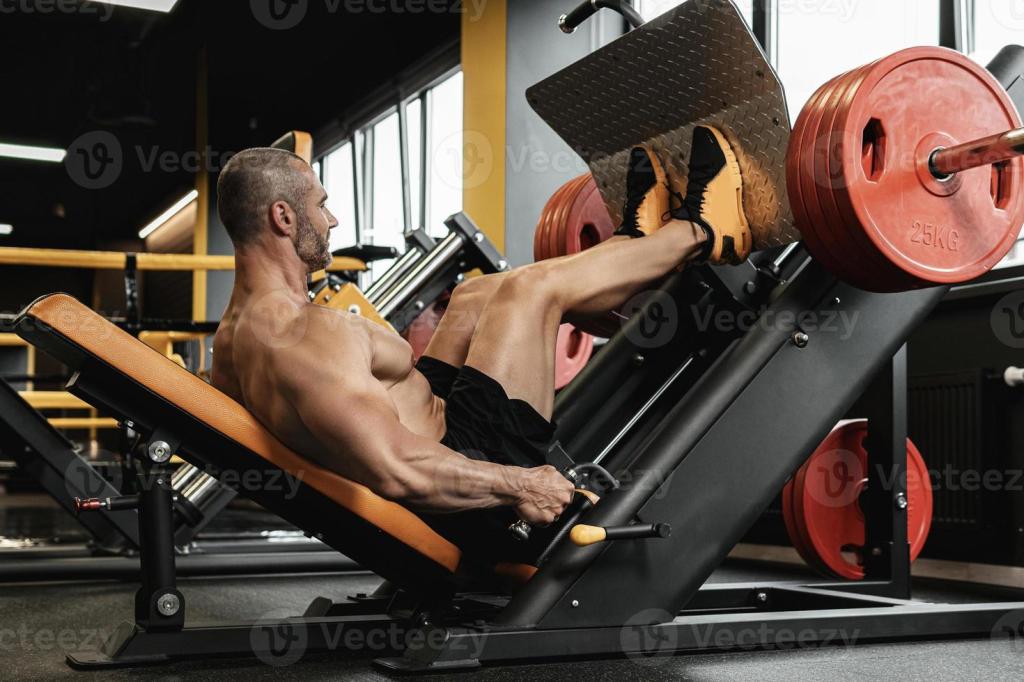
The leg press machine might seem simple, but it can be dangerous if you lift too much. When you lift more than your body can handle, it puts a lot of pressure on your knees and lower back. This can lead to ligament tears or slipped discs.
It’s important to know the risks to stay safe while working out. Lifting too much weight can put too much stress on your body. This can make it hard for your body to move naturally.
- Knee joint compression increases dramatically with heavy loads
- Lower back muscles become vulnerable to sudden strain
- Improper form amplifies injury potential
Experts say it’s better to focus on how you do the exercise, not how much you lift. Quality repetitions trump quantity every time. Your muscles grow best when you move in a controlled way, keeping the tension right.
| Weight Range | Risk Level | Recommended Action |
|---|---|---|
| Below 50% Max Strength | Low Risk | Safe for most fitness levels |
| 50-75% Max Strength | Moderate Risk | Use careful form and controlled movements |
| Above 75% Max Strength | High Risk | Consult a professional trainer |
To avoid injuries, start with lighter weights and slowly add more. Always listen to your body and never sacrifice form for the sake of lifting more.
Upright Rows and Shoulder Impingement Risk

Upright rows might seem like a good shoulder exercise. But they can harm your joint health. Lifting the weight too close to your body can pinch the tendons in your shoulder. This can lead to long-term damage and chronic pain.
Understanding Shoulder Movement Mechanics
Your shoulder joint is complex with many moving parts. Upright rows stress the rotator cuff tendons. The way you move your arm can make the tendons get compressed.
Safer Alternatives for Shoulder Development
Try these safer shoulder exercises instead:
- Lateral raises with lighter weights
- Cable face pulls
- Dumbbell external rotations
- Seated dumbbell shoulder press
Prevention and Recovery Strategies
To protect your shoulder, follow these tips:
- Focus on proper form and controlled movements.
- Gradually increase the weight you lift.
- Listen to your body’s pain signals.
- Do regular stretching and mobility exercises.
Remember, shoulder health is about smart, strategic training—not pushing through pain.
Common Form Mistakes in Traditional Deadlifts

Deadlifts are powerful exercises that can change your fitness routine. But many athletes risk injury by lifting with a rounded back. This is not safe.
The safest deadlift form is with a flat back and a tight core. Keeping your spine straight protects your lower back from harm.
- Keep your spine neutral during the entire lift
- Engage your core muscles before lifting
- Distribute weight evenly across your feet
- Avoid jerking or sudden movements
Knowing the right deadlift mechanics is key to avoiding injuries. Your back should stay straight from start to finish. This makes lifting safer.
| Incorrect Form | Correct Form |
|---|---|
| Rounded back | Flat, neutral spine |
| Loose core muscles | Tight, engaged core |
| Uneven weight distribution | Balanced foot placement |
Trainers suggest starting with lighter weights to get your form right. Focus on doing it right, not just lifting more.
Hyperextension Exercises: Back Problems Waiting to Happen
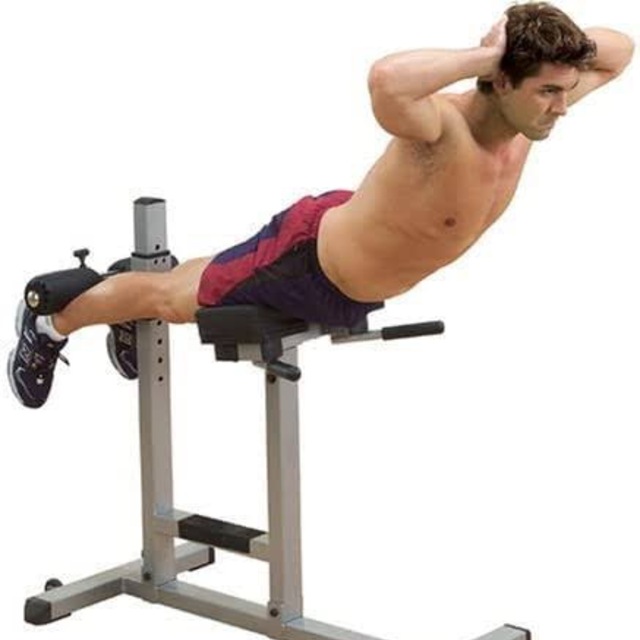
Your workout might harm your spine without you knowing. Hyperextension exercises, seen as good for the back, can actually be dangerous. They might hurt your long-term health.
When you stretch your spine too far, it can hurt your vertebrae and ligaments. This can lead to serious back injuries. Many people think they’re getting stronger, but they’re really risking damage.
Spinal Compression Risks
Back extensions with overextension can cause big health problems:
- Increased pressure on spinal discs
- Potential nerve root compression
- Accelerated wear on vertebral joints
- Chronic lower back pain
“Your spine is not a rubber band—treat it with respect and caution.” – Dr. Sarah Reynolds, Orthopedic Specialist
Better Ways to Strengthen Your Lower Back
There are safer ways to strengthen your back instead of hyperextension:
- Bird dog exercise
- Planks with proper form
- Bridges
- Gentle supermans
Keeping your spine safe means knowing its limits. Smart training beats aggressive movements any day.
The Truth About Deep Squats and Joint Health

Deep squats are a big deal in fitness, with many arguing about their safety and benefits. They are great for your lower body, but doing them wrong can hurt your joints.
It’s key to know how to do deep squats right to keep your joints safe. Going too deep without proper form can be harmful. Your knee and hip health depend on how you do the squat and how flexible you are.
- Check how flexible you are before trying deep squats
- Make sure to keep your body aligned right
- Start with just your body weight to get the hang of it
- Slowly add more depth and weight as you get better
Not everyone can do deep squats safely. How your body is built affects how deep you can squat. Some people can do deep squats without harm, while others might hurt their joints by going too far.
Experts say to:
- Get advice from a fitness coach
- Know your body’s limits
- Focus on doing the squat right, not how deep
- Try other exercises if deep squats hurt you
“Perfect form trumps extreme range of motion every time.” – Professional Strength Coach
Good training means listening to your body and knowing that one approach doesn’t fit all. Keep your joints safe, focus on doing the squat right, and move forward slowly.
Conclusion: Making Your Workouts Safer and More Effective
Protecting your body during exercise is key. Knowing the risks of common moves like the overhead press is crucial. Focus on proper technique and listening to your body, not just lifting heavy.
Trainers say to build strength and flexibility slowly. Check your current fitness and mobility before trying hard exercises. An overhead press with bad shoulder mobility can hurt your joints. So, spend time on stretching and learning the right technique.
Knowing how to avoid injuries is important. Get help from certified trainers who can make plans just for you. Regular checks and improving your technique keep you safe and effective.
Your health is more important than quick gains. Be mindful in your workouts, use the right form, and know your limits. This way, you can stay strong, flexible, and healthy for the long run.



 trim down and shape up
Leave a comment