


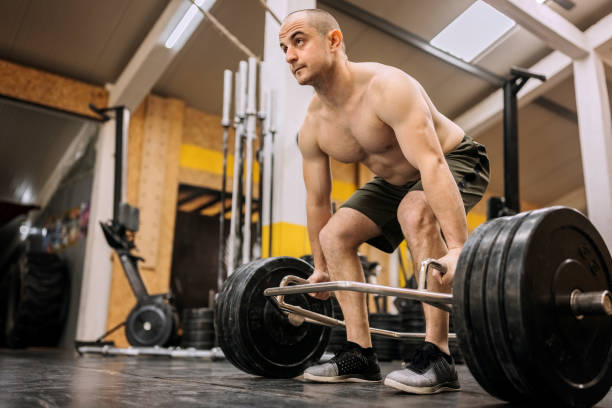
Are you tired of conventional deadlifts that leave you battling lower back strain and limiting your strength potential? What if there were a revolutionary lifting technique that could transform your workout and minimize injury risks?
Trap bar deadlifts represent a game-changing approach to strength training. By utilizing a unique hexagonal bar design, this exercise offers athletes and fitness enthusiasts an alternative method to using a trap bar for deadlifts that maximizes muscle engagement while reducing potential injury risks.
The trap bar provides multiple benefits and techniques for optimal results, creating a more biomechanically efficient movement pattern that allows you to lift heavier weights with improved form and reduced stress on your spine.
Key Takeaways
- Reduces lower back strain during lifting
- Increases overall lifting potential
- Provides more natural movement mechanics
- Suitable for various fitness levels
- Enhances overall strength development
Understanding the Trap Bar: Design and Purpose
The trap bar represents a revolutionary piece of strength training equipment that has transformed how athletes and fitness enthusiasts approach deadlifting. Designed to provide a unique lifting experience, this specialized bar offers significant advantages for using a trap bar for deadlifts.
Lifters seeking key benefits of trap bar vs. traditional deadlifts will appreciate the innovative hexagonal design that sets this equipment apart from standard barbells. The trap bar’s distinctive shape allows for a more natural and biomechanically efficient lifting motion.
Evolution of the Trap Bar Design
Originally developed in the mid-1980s by powerlifter Al Gerard, the trap bar emerged as a solution to reduce lower back strain during deadlifts. Its groundbreaking design addressed several critical limitations of traditional lifting techniques.
- Reduced spinal compression
- Improved lifting mechanics
- Enhanced comfort during heavy lifts
Mechanical Advantages of Hexagonal Shape
The unique hexagonal shape provides multiple mechanical benefits for lifters. By allowing you to stand inside the bar’s frame, the trap bar creates a more centered lifting position that distributes weight more evenly.
| Design Feature | Biomechanical Benefit |
|---|---|
| Centered Grip | Reduces lateral spinal stress |
| Neutral Hand Position | Minimizes shoulder and wrist strain |
| Balanced Weight Distribution | Improves overall lifting stability |
Weight Capacity and Construction Materials
Modern trap bars are engineered with high-grade steel, typically supporting weights between 500-1000 pounds. The robust construction ensures durability and performance for serious strength training enthusiasts.
“The trap bar revolutionizes how we approach strength training by providing a safer, more efficient lifting mechanism.” – Strength Training Expert
Why Use a Trap Bar for Deadlifts? Benefits and Techniques for Optimal Results
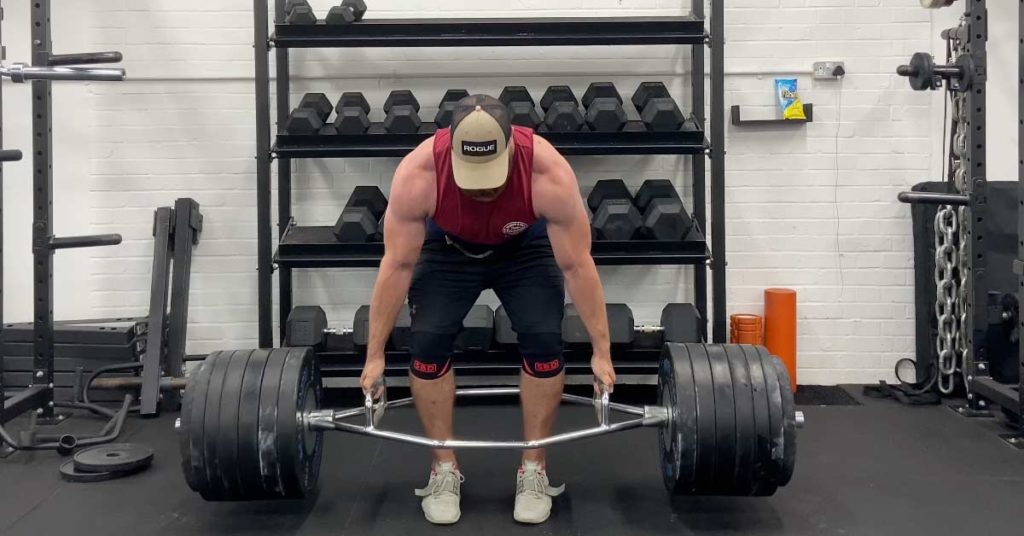
Trap bar deadlifts offer a game-changing approach to strength training that can revolutionize your workout routine. This unique lifting method provides several critical advantages that set it apart from traditional deadlifting techniques.
The primary benefits of trap bar deadlifts include:
- Reduced lower back strain by creating a more natural lifting path
- Improved lifting mechanics through centered weight distribution
- Better grip position that minimizes wrist and forearm stress
When you perform a trap bar deadlift, you’ll notice immediate differences in your body’s biomechanics. The hexagonal design allows you to step inside the bar, which shifts the weight closer to your center of gravity. This positioning dramatically reduces the potential for reduced lower back strain compared to conventional deadlifts.
Your improved lifting mechanics become evident as the trap bar enables a more upright torso position. This alignment helps distribute force more evenly across your muscle groups, particularly targeting your quadriceps, glutes, and core muscles with exceptional precision.
The better grip position of the trap bar creates a natural hand placement that feels more comfortable and secure. Lifters can maintain a neutral grip, which minimizes joint stress and allows for more powerful, confident lifting movements.
“The trap bar transforms traditional deadlifting into a more accessible and safer strength training method.” – Strength Training Experts
By incorporating trap bar deadlifts into your training regimen, you’ll experience a more biomechanically efficient lift that supports both performance and injury prevention.
Comparing Trap Bar vs. Traditional Deadlifts
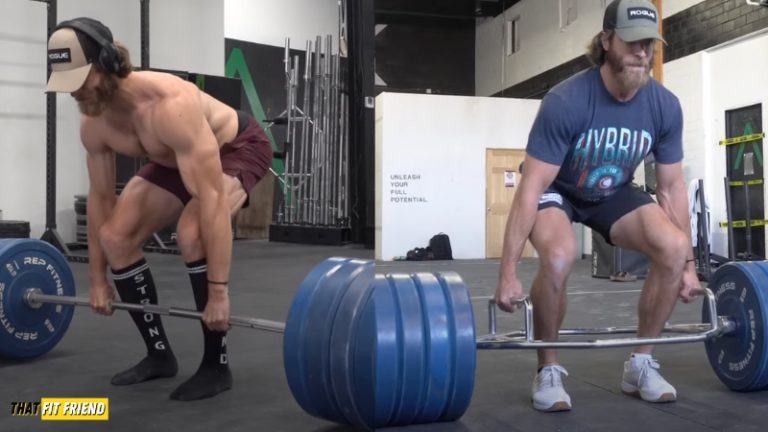
When it comes to strength training, understanding the key differences between trap bar and traditional deadlifts can dramatically improve your workout effectiveness. Both variations offer unique advantages, but they impact your body in distinctly different ways.
The trap bar deadlift presents several significant advantages that make it an attractive alternative to traditional deadlifts. Notably, the key benefits of trap bar vs. traditional deadlifts include improved biomechanics and reduced lower back strain.
Force Distribution Differences
Your body experiences force distribution differently with each deadlift variation. The trap bar allows you to lift with a more vertical torso, which creates a more balanced weight distribution. This design helps you:
- Minimize stress on your lower back
- Distribute weight more evenly across muscle groups
- Maintain a more natural lifting position
Impact on Muscle Activation
Muscle engagement varies between these two lifting techniques. While traditional deadlifts heavily target the posterior chain, trap bar deadlifts provide a more comprehensive muscle activation pattern.
| Muscle Group | Traditional Deadlift | Trap Bar Deadlift |
|---|---|---|
| Quadriceps | Moderate Activation | High Activation |
| Lower Back | High Stress | Reduced Strain |
| Glutes | High Activation | Moderate Activation |
Safety Considerations Between Variations
Safety should always be your priority in strength training. The trap bar design inherently reduces lower back strain by allowing a more upright lifting posture. This makes it an excellent option for athletes recovering from injuries or those with existing back concerns.
“The trap bar transforms deadlifting from a potentially risky movement to a more joint-friendly exercise.” – Strength Training Expert
By understanding these nuanced differences, you can select the deadlift variation that best supports your fitness goals and physical condition.
Proper Form and Technique Fundamentals
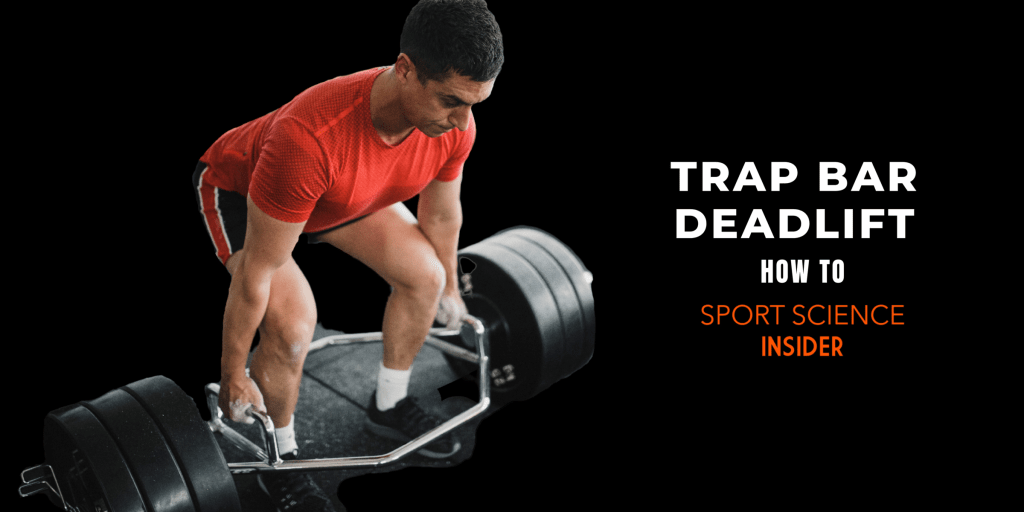
Learning how to perform a trap bar deadlift with proper form is crucial for maximizing strength and preventing injury. The trap bar deadlift requires a specific approach that differs from traditional barbell deadlifts.
Mastering the technique involves several key components that ensure safe and effective lifting:
- Maintain a neutral spine throughout the entire movement
- Keep your core engaged and tight
- Position your body centered within the trap bar
- Distribute weight evenly across your feet
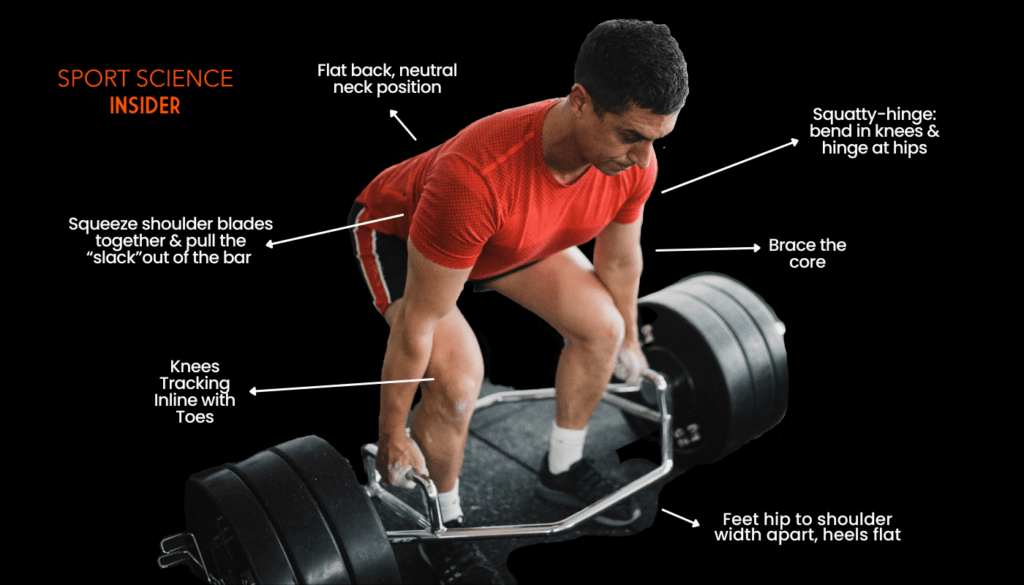
When performing a trap bar deadlift with proper form, you’ll want to focus on your body mechanics. Start by standing inside the hexagonal bar with feet shoulder-width apart. Bend your knees and hinge at the hips, keeping your chest up and back straight.
The key to executing a perfect trap bar deadlift is maintaining proper alignment. Your shoulders should be directly above the handles, creating a straight line from head to heels. This positioning helps distribute weight efficiently and reduces strain on your lower back.
“Technique trumps weight every time in strength training.” – Professional Strength Coach
Breathe strategically during the lift: inhale before lifting, brace your core, and exhale as you complete the upward movement. This breathing pattern helps stabilize your core and maintain proper form throughout the exercise.
- Tip: Practice with lighter weights initially
- Focus on movement quality over lifting heavy
- Use mirrors or video recording to check your technique
By concentrating on these fundamental aspects of how to perform a trap bar deadlift with proper form, you’ll develop a strong foundation for building strength and preventing potential injuries.
Setting Up Your Trap Bar Deadlift Position
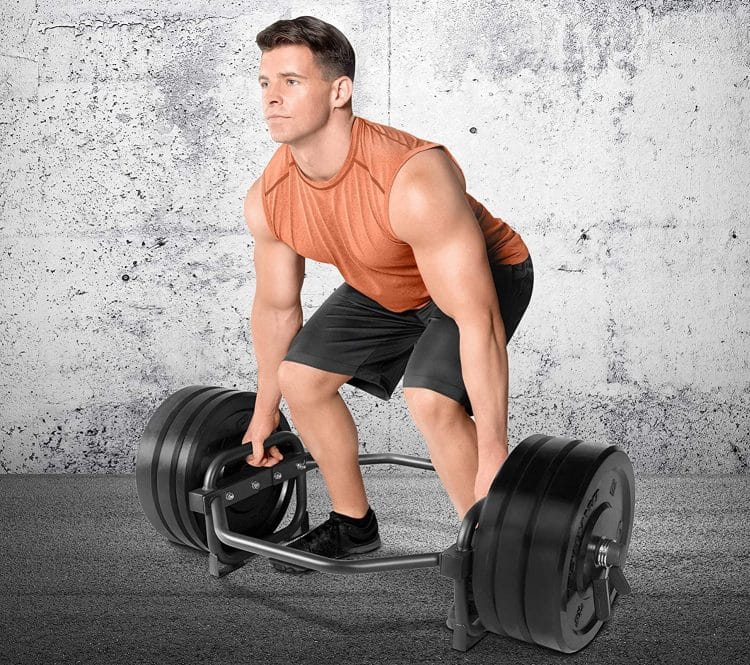
Mastering the trap bar deadlift requires precision in your setup. Your starting position determines the effectiveness and safety of the entire lift. Understanding the nuanced details of foot placement, hand positioning, and overall stance can dramatically improve your performance.
Foot Placement Fundamentals
To step into the trap bar, position yourself at the center with your feet hip-width apart. The handles should be perfectly aligned with the middle of your feet. This centered approach creates optimal balance and weight distribution, minimizing unnecessary strain on your body.
- Center your body within the hexagonal bar
- Align feet at hip-width distance
- Ensure handles match the foot midpoint
Grip and Lat Engagement Techniques
Grip the handles firmly using a neutral grip with palms facing inward. Before initiating the lift, engage your lats by slightly pulling the handles toward you. This preparatory action creates tension and stabilizes your upper body for a more controlled movement.
Optimizing Your Starting Stance
Set your posture by pushing your hips back, bending your knees slightly, and maintaining a chest-up position. Your spine should remain straight, with your head aligned perfectly with your spine. This biomechanically efficient position prepares you for a powerful, safe lift.
“Perfect positioning is the foundation of an effective trap bar deadlift” – Strength Training Experts
By meticulously following these setup guidelines, you’ll maximize your trap bar deadlift’s potential while minimizing injury risk.
Common Mistakes and How to Avoid Them
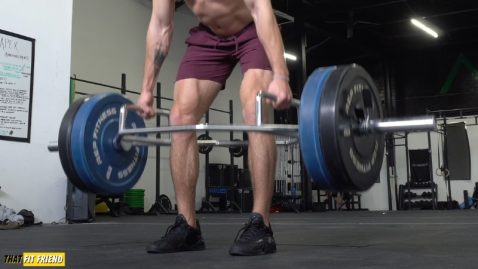
Trap bar deadlifts can be incredibly effective, but many lifters fall into common pitfalls that compromise their performance and safety. Understanding these common mistakes to avoid when using a trap bar for deadlifts is crucial for maximizing your strength training results.
One of the biggest mistakes is rounding your back during the lift. Spinal positioning plays a critical role in preventing injury and maintaining proper biomechanics. A rounded back puts excessive strain on your vertebrae and can lead to serious long-term damage.
- Maintain a neutral spine throughout the entire movement
- Engage your core muscles to support proper alignment
- Keep your chest up and shoulders pulled back
Rushing through the movement — especially during the lowering phase — is another mistake many lifters make. Controlled, deliberate movements are key to effective trap bar deadlifts. The descent should be as controlled as the lift itself, protecting your muscles and joints from unnecessary stress.
- Slow down your eccentric (lowering) phase
- Focus on maintaining proper form
- Use a weight that allows full control of the movement
Additional critical errors include improper foot placement and neglecting grip strength. Your feet should be centered within the trap bar, with weight distributed evenly. Weak grip can compromise your entire lift, so consider using grip-strengthening exercises to support your deadlift performance.
Technique trumps weight every time in trap bar deadlifts.
Progressive Loading Strategies for Strength Gains
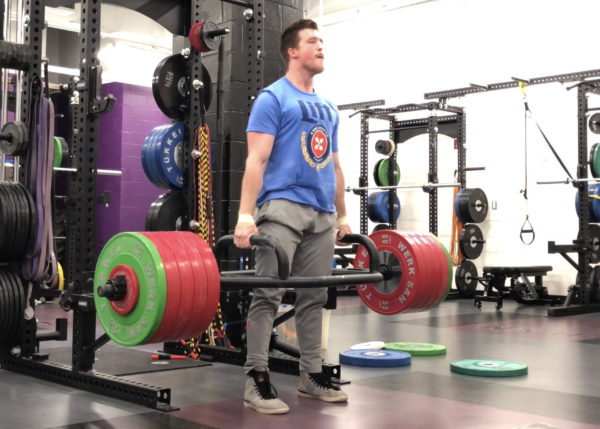
Developing a strategic approach to trap bar deadlifts can dramatically improve your strength and performance. Progressing effectively requires careful planning and understanding of your body’s adaptation mechanisms.
When implementing progressive loading, focus on gradual increments that challenge your muscles without compromising form. Brace your core by tightening your abs as if preparing for a punch. This helps protect your spine during the lift and ensures stable movement patterns.
Building Your Base Strength
Start with fundamental strength development by mastering these key strategies:
- Begin with lighter weights to perfect technique
- Consistently perform 3-4 sets of 8-12 repetitions
- Focus on controlled movements
- Drive through your heels to lift the weight by extending your hips and knees simultaneously
Advanced Loading Techniques
As you progress, implement more sophisticated loading methods:
- Increase weight incrementally (2-5% per week)
- Utilize percentage-based training
- Stand tall at the top without leaning back
- Incorporate tempo variations
Deload Protocols
Recovery is crucial for continuous strength gains. Integrate strategic deload weeks every 4-6 weeks to prevent plateaus and reduce injury risk. During these periods, reduce training volume and intensity while maintaining movement patterns.
“Strength is not just about lifting heavy, but lifting smart.” – Professional Strength Coach
Incorporating Trap Bar Deadlifts into Your Training Program
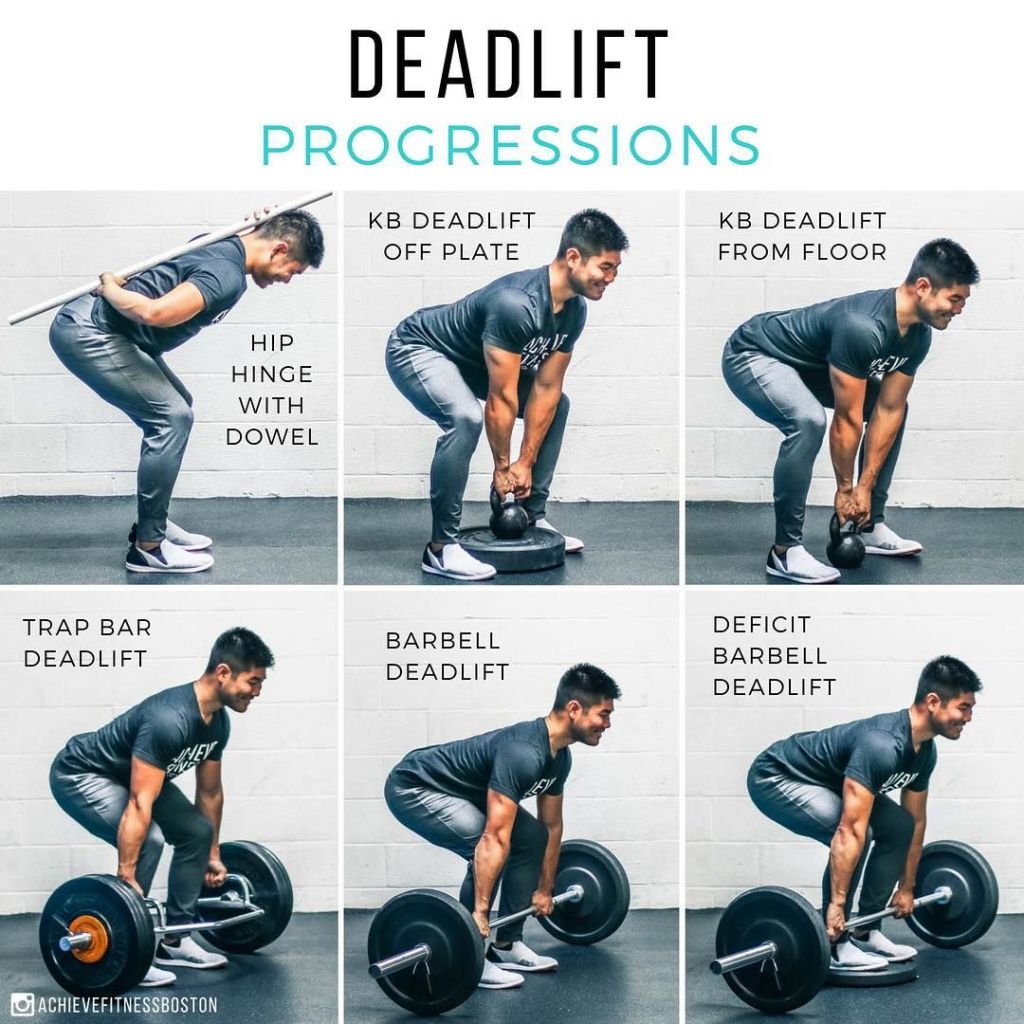
Integrating trap bar deadlifts into your strength training routine requires strategic planning and careful consideration of your fitness goals. The versatility of trap bar deadlifts makes them an excellent addition to various workout programs.
When designing your training approach, consider these key factors for optimal results:
- Frequency: Begin with 2-3 sessions per week
- Repetition ranges: 3-5 sets of 6-10 repetitions
- Progressive overload: Gradually increase weight and intensity
To lower the bar with control, push your hips back and bend your knees while keeping your back flat throughout the descent. This technique ensures proper muscle engagement and reduces injury risk.
| Training Goal | Recommended Volume | Intensity Level |
|---|---|---|
| Strength Building | 4-5 sets | 80-90% 1RM |
| Muscle Hypertrophy | 3-4 sets | 65-75% 1RM |
| Power Development | 3-5 sets | 50-60% 1RM with explosive movement |
Pro tip: Balance trap bar deadlifts with complementary exercises like squats and Romanian deadlifts to create a well-rounded strength training program.
“Proper technique is the foundation of effective strength training” – Mark Rippetoe
Remember to listen to your body and adjust your training program accordingly. Consistency and proper form are key to maximizing the benefits of trap bar deadlifts.
Addressing Limitations and Potential Drawbacks
While trap bar deadlifts offer numerous benefits, they aren’t without potential limitations. Understanding these drawbacks helps you make informed decisions about incorporating them into your training routine.
The disadvantages of trap bar deadlifts primarily revolve around muscle development and specific training goals. One significant concern is that they don’t target the posterior chain as directly as conventional deadlifts, which may limit hamstring and glute development.
Posterior Chain Development Challenges
Traditional deadlifts excel at engaging posterior chain muscles more intensely. With trap bar deadlifts, you might experience:
- Reduced hamstring activation
- Less direct glute engagement
- Decreased hip hinge mechanics
Equipment and Accessibility Issues
Not all gyms have trap bars readily available. This equipment limitation can pose challenges for consistent training, especially for those working out in smaller fitness centers or home gyms.
| Training Consideration | Trap Bar Deadlift Impact |
|---|---|
| Posterior Chain Development | Moderate to Limited |
| Equipment Availability | Restricted |
| Sport-Specific Training | Varies by Athletic Discipline |
Sport-Specific Limitations
Athletes in certain sports might find trap bar deadlifts less beneficial. Powerlifters, Olympic weightlifters, and sports requiring specific hip hinge mechanics may prefer traditional deadlift variations.
Despite these potential drawbacks, trap bar deadlifts remain an excellent exercise for many strength training goals. Your individual fitness objectives will determine their suitability in your workout program.
Conclusion
Mastering trap bar deadlifts can transform your strength training approach. By understanding why to use a trap bar for deadlifts, you unlock a powerful technique that reduces injury risk while maximizing muscle engagement. The benefits and techniques for optimal results make this exercise a game-changer for athletes and fitness enthusiasts seeking efficient, safe strength development.
The key to success lies in proper form, progressive loading, and consistent practice. Your trap bar deadlift journey involves learning optimal positioning, understanding muscle activation patterns, and gradually increasing weight to challenge your body. Implementing these strategies will help you build comprehensive strength across multiple muscle groups with reduced strain on your lower back.
Whether you’re a beginner or an experienced lifter, trap bar deadlifts offer versatility that traditional deadlifts cannot match. By focusing on technique and listening to your body, you can customize this exercise to fit your fitness goals. Integrating trap bar deadlifts into your training program provides a robust pathway to improved strength, muscle development, and overall athletic performance.
Remember that continuous learning and adaptation are crucial. Stay patient with your progress, prioritize proper form over lifting heavy weights, and enjoy the transformative power of this dynamic strength training movement. Your commitment to mastering trap bar deadlifts will yield significant gains in your fitness journey.


 trim down and shape up
Leave a comment