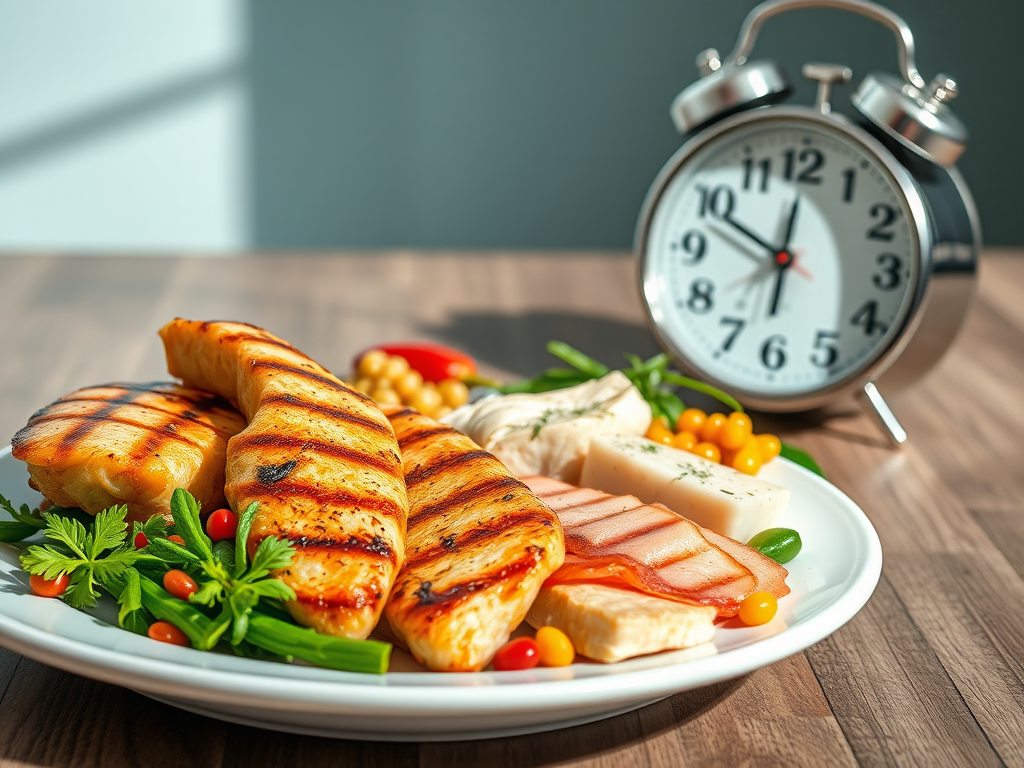


Ever thought about a secret time to eat protein for better muscle growth? Athletes and fitness fans have been searching for the best protein timing for building muscle. They want to get ahead in their nutrition game.
Protein timing isn’t just about eating protein whenever you want. It’s a smart plan that can really help your muscles grow and recover. Whether you’re a pro athlete or just working out, knowing how to eat protein can change your results.
Building muscles is more than just eating protein. The right protein schedule is about when and how you eat it. This helps your muscles grow and recover best.
Key Takeaways
- Protein timing plays a crucial role in muscle development
- Strategic protein consumption can enhance muscle growth
- Understanding nutrient absorption is key to muscle building
- Total daily protein intake matters as much as timing
- Individual metabolic differences impact protein utilization
Understanding Protein’s Role in Muscle Development
Protein is key to building and repairing muscles. Your body needs the right nutrients to grow and fix muscles. Knowing how protein works helps you eat better for muscle recovery and growth.
Essential Amino Acids and Muscle Protein Synthesis
Muscle protein synthesis is how your body makes new muscle proteins. This process is vital for muscle growth. Essential amino acids are the main parts that start this process:
- Leucine is the most effective amino acid for starting muscle protein synthesis
- Complete proteins have all nine essential amino acids
- Branched-chain amino acids help repair muscles faster
How Protein Supports Muscle Recovery
After hard workouts, muscles need good food to heal and grow. Protein helps fix tiny muscle tears from exercise. Eating protein at the right time can really help your muscles recover.
The Science Behind Protein Utilization
Your body breaks down protein into amino acids. These amino acids are then used to build muscle. Not all protein is used the same way. Things like protein quality, when you eat it, and how your body works affect how well you use protein for muscles.
Protein is not just about quantity, but quality and strategic consumption.
Is There a Best Time to Eat Protein for Muscle Growth

Fitness fans often ask about the best time to eat protein for muscle growth. Many think there’s a special moment to eat it, but research shows it’s more complex. The main thing is how much protein you eat in a day, not when.
Timing isn’t everything for building muscle. Your muscles need a steady flow of protein all day. Growth depends on several things:
- Total protein consumption
- Overall nutrition quality
- Training intensity
- Individual metabolic differences
It’s not when you eat, but how much that matters for muscle gains. Eating protein at different times can be better than just after working out. Your body uses protein all day for muscle repair and growth.
“Consistent protein intake trumps timing precision in muscle development.” – Sports Nutrition Research
Eat protein every 3-4 hours. Make sure each meal has 20-30 grams of good protein. This helps your muscles grow all day long.
While timing might help a bit, don’t worry too much about it. Just aim to eat enough protein every day through healthy meals.
The Truth About the Anabolic Window

The idea of the anabolic window has been a big deal in fitness and nutrition. People thought there was a 30-minute window after working out to eat protein for muscle growth. But new studies show this view is too narrow.
Learning about protein absorption can help you build muscle better. Muscle protein synthesis doesn’t stop right after exercise, as many believe.
Debunking Post-Workout Timing Myths
There are many myths about the anabolic window in fitness. Let’s look at some of the biggest ones:
- Immediate protein intake is the only way to build muscle
- Missing the 30-minute window destroys muscle growth potential
- Large protein doses are always better than a balanced intake
Research-Based Evidence on Protein Timing
Studies show a more flexible approach to post-workout nutrition. Your body can still use protein for hours after exercise, not just in a short window.
| Timing Approach | Muscle Protein Synthesis Impact |
|---|---|
| Immediate Post-Workout | Moderate Impact |
| 1-2 Hours Post-Workout | Significant Impact |
| 3-5 Hours Post-Workout | Continued Moderate Impact |
Understanding Nutrient Partitioning
Nutrient partitioning is key in how your body uses protein. Your overall daily protein intake and distribution matter more than strict post-workout timing. Aim for consistent, quality protein all day to help muscles grow and recover.
Daily Protein Distribution Strategies

To get the most protein, you need a smart plan for your daily food. Eating protein all day helps build muscles and keeps you healthy. Spreading out your protein across meals boosts muscle growth and keeps your energy up.
Here are some easy ways to eat more protein:
- Start with a protein-rich breakfast, like Greek yogurt, eggs, or smoothies
- Make sure every meal has lean protein
- Have protein snacks on hand
- Use protein powders to add to your diet
Your breakfast is key to protein. A protein-packed breakfast boosts your metabolism and keeps you energized all day. Try to get 20-30 grams of protein at each big meal. Add more to your snacks.
Here are some creative ways to increase your protein:
- Put protein powder in your oatmeal or smoothies
- Choose Greek yogurt over regular yogurt
- Add lean meats to your salads
- Snack on nuts and seeds
Remember, eating protein regularly is essential for muscle growth and recovery.
By using these tips, you can spread out your protein intake all day. This ensures your body gets the nutrients it needs for top performance and muscle growth.
Pre-Workout Protein Consumption Benefits

Getting ready for tough workouts starts with the right pre-workout protein. Knowing when to eat can boost your performance and muscle growth.
Eating protein before you exercise is key. It helps your muscles get ready for the challenge ahead. It also keeps your energy up during your workout.
Optimal Pre-Exercise Nutrition Strategies
Here are some tips for pre-workout protein:
- Have 20-25 grams of protein 30-60 minutes before you start.
- Choose proteins that are easy to digest.
- Add some carbs for extra energy.
Timing Your Pre-Workout Meals
When you eat before working out matters a lot. Here’s a simple guide:
| Timing | Protein Amount | Recommended Sources |
|---|---|---|
| 60-90 minutes before workout | 20-25g | Whey protein, Greek yogurt |
| 30-45 minutes before workout | 15-20g | Protein shake, lean chicken |
Picking the right protein before and after your workout can really help. Try different times and types to see what works for you.
Post-Exercise Protein Timing

Maximizing muscle recovery starts right after your workout. The protein synthesis window is key. It’s when your muscles are ready to take in nutrients and repair. Knowing when to eat protein is crucial for muscle growth and recovery.
Your body is more open to nutrients after exercise. Muscle cells are ready to absorb nutrients, helping with repair and growth. It’s best to eat protein within 30-60 minutes after your workout for better muscle recovery.
- Consume 20-30 grams of high-quality protein post-exercise
- Choose fast-absorbing protein sources like whey protein
- Combine protein with quick-digesting carbohydrates
Different proteins help in different ways for muscle recovery. Whey protein gives quick amino acids, while casein protein releases nutrients slowly. Your fitness goals and how hard you work out will determine the best protein and when to eat it.
Nutrition scientists emphasize that consistent protein intake matters more than strict timing windows.
Eating protein at the right time boosts muscle growth, lessens soreness, and speeds up recovery. By following these nutrition tips, you can improve your muscle-building and fitness outcomes.
Nighttime Protein Intake and Recovery

Maximizing muscle recovery doesn’t stop when you hit the pillow. Your nighttime nutrition plays a crucial role in supporting muscle growth and repair. Protein consumption before bed can be a strategic approach to enhance your body’s recovery process.
When you’re sleeping, your body enters an optimal state for muscle protein synthesis. Pre-sleep protein benefits extend beyond simple nutrition. By selecting the right protein sources, you can provide your muscles with sustained nutrients throughout the night.
Exploring Pre-Sleep Protein Advantages
Slow-digesting protein options become your nighttime allies in muscle recovery. These proteins release amino acids gradually, supporting muscle repair and growth during extended rest periods.
- Casein protein: Digests slowly, providing a steady amino acid release
- Greek yogurt: Rich in protein with sustained absorption
- Cottage cheese: High-quality protein source with minimal digestive impact
Selecting Optimal Protein Quality
Not all proteins are created equal. Your pre-sleep protein should focus on protein quality and digestibility. Proteins with complete amino acid profiles work best for overnight muscle recovery.
Choose proteins that provide sustained nutrient delivery while you sleep.
Aim for 30-40 grams of slow-digesting protein before bedtime. This strategic approach can enhance muscle protein synthesis, support recovery, and potentially improve overall muscle development.
Quality Sources of Protein for Muscle Building

Choosing the right protein is key to building muscle. The debate over plant versus animal protein is big in fitness and nutrition. Knowing about protein quality helps you pick the best foods for muscle growth.
Animal proteins usually have all the amino acids your muscles need. They are great for building muscle. Here are some top animal proteins:
- Chicken breast
- Lean beef
- Wild-caught salmon
- Greek yogurt
- Eggs
Plant proteins are also popular for those looking for other options. They might need more planning, but they can still help grow muscle. Good plant proteins include:
- Quinoa
- Lentils
- Tempeh
- Pea protein powder
- Hemp seeds
Adding protein-rich snacks to your day can help a lot. Protein bars, Greek yogurt with nuts, or hard-boiled eggs keep amino acids flowing for muscle repair and growth.
“Not all proteins are created equal. Quality matters more than quantity when supporting muscle development.” – Sports Nutrition Research
Focus on lean, unprocessed proteins with a full amino acid mix. Your muscles will appreciate the smart food choices.
Conclusion
Getting the right protein timing for muscle building is simpler than you think. The most important thing is how much protein you eat, not when. While timing can help a bit, being consistent and choosing quality protein is key to reaching your fitness goals.
Studies show that finding the best time to eat protein for muscle growth isn’t straightforward. Your metabolism, how you train, and your daily routine all affect what works best for you. Try to eat protein at regular intervals to help your muscles grow and recover.
What’s more important than perfect timing is eating high-quality protein that fits your needs. Whether you’re an athlete or someone who works out, knowing about protein timing can help you build muscle and recover better. Try different methods and listen to your body to find what suits you best.
In the end, a consistent approach to protein is what will give you the best results in the long run. Mix good nutrition, balanced workouts, and enough rest to reach your muscle-building goals. Start your fitness journey with smart, strategic nutrition choices.



 trim down and shape up
Leave a comment