


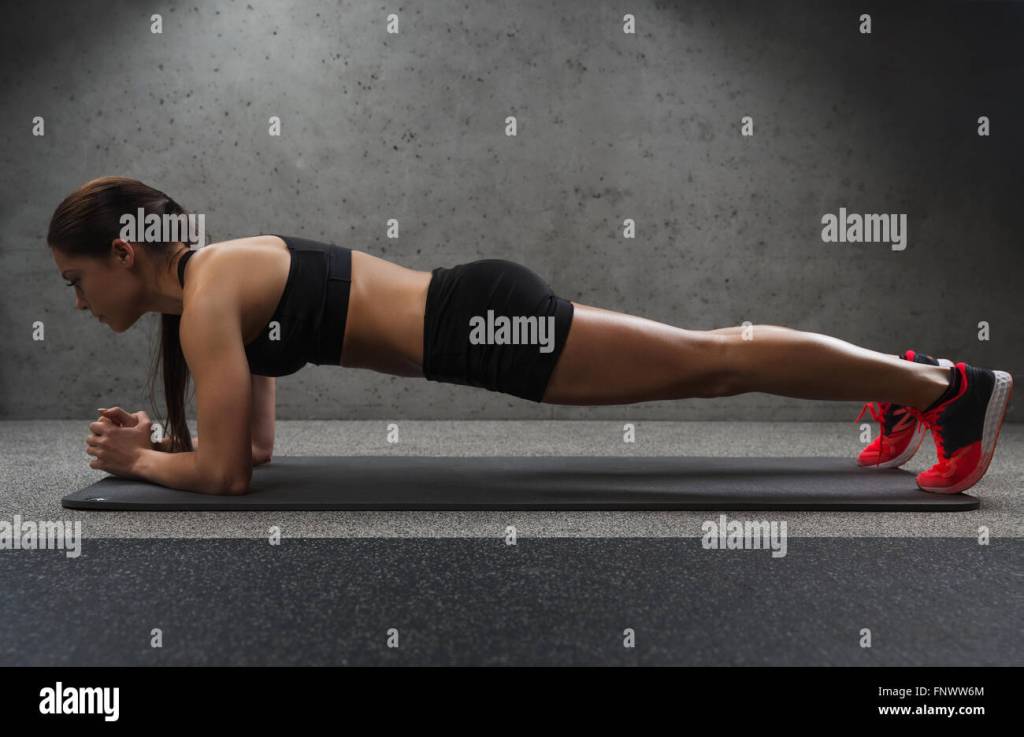
Imagine transforming your fitness with just 20 seconds of daily effort. You can build remarkable core strength and stability without going to the gym or buying expensive equipment.
Core strength isn’t just about six-pack abs. It’s about building a strong foundation for your body’s movement and performance. The plank exercise is a great way to improve stability and muscle endurance in a short time.
This simple yet powerful workout targets many muscle groups at once. It’s perfect for busy people who want to get the most out of their time. By spending just 20 seconds a day, you can boost your core strength and overall physical fitness.
Key Takeaways
- Core strength can be developed in just 20 seconds daily
- No equipment is required for this effective exercise
- Planks engage multiple muscle groups simultaneously
- Consistent practice leads to improved stability
- The exercise is suitable for all fitness levels
Understanding Core Strength and Its Importance for Overall Health
Your core is more than just visible muscles. It’s the body’s central powerhouse, supporting every movement. A strong core is key to your health and physical performance, not just looks.
Benefits of a Strong Core Beyond Aesthetics
Core stability offers many health benefits beyond looks. A strong core acts as a protective shield for your body. It impacts your physical wellness in many ways:
- Reduces the risk of back injuries
- Improves balance and coordination
- Enhances athletic performance
- Supports better posture improvement
How Core Stability Affects Daily Activities
Your back health relies on core strength. Every movement, from lifting groceries to sitting, needs your core. Weak muscles can lead to poor body mechanics and injuries.
The Connection Between Core Strength and Posture
Proper core stability affects your posture. Strong core muscles align your spine, reducing back and neck stress. Think of your core as a natural support system that keeps your body balanced and protected.
Building a strong core is more than looks. It’s about setting a foundation for long-term health and preventing problems.
Why Planks Are Superior to Traditional Ab Exercises
Core strengthening is not the same for all exercises. Planks outshine sit-ups and crunches in fitness. Traditional ab exercises like sit-ups and crunches don’t fully develop the core.
Planks offer more than just ab workouts. Unlike sit-ups, which focus on a few muscles, planks work many at once. This full-body effort brings several benefits:
- Comprehensive muscle activation across the core, shoulders, and back
- Reduced risk of lower back strain
- Improved overall body stability
- Enhanced functional strength for daily activities
Planks are better than crunches in many ways. Crunches can harm the spine with repeated strain. Planks, on the other hand, build strength that helps in everyday life.
“A 20-second plank can be more beneficial than 100 traditional crunches” – Fitness Experts
Make your core strong with planks. They engage stabilizer muscles and improve alignment. This way, you’re not just building strength, but also a strong foundation for fitness.
This exercise improves core strength and stability in just 20 seconds per day
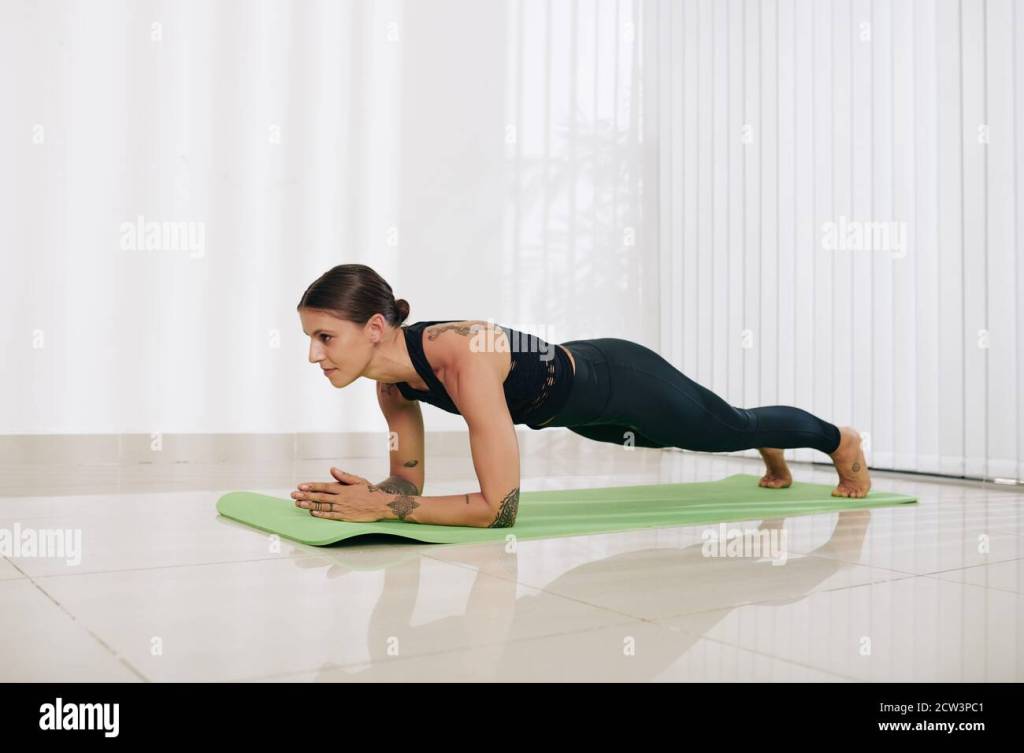
Finding a quick way to strengthen your core doesn’t need to take hours. A simple 20-second plank can change your workout routine. It brings big results with just a little time.
Short planks are a new way to build core strength. They’re different from long workouts. These quick exercises offer great benefits for your body.
The Science Behind Short-Duration Planks
Studies show that short planks are very effective. They work your muscles fast and improve stability. Your body works many muscles at once in just seconds.
- Activates core muscles quickly and efficiently
- Reduces strain on the lower back compared to extended plank holds
- Improves overall muscle endurance
Why Less Can Be More in Core Training
It’s not about doing lots of reps. Quality trumps quantity in core training. A 20-second plank can do more than long, less intense exercises.
“Intensity matters more than duration in core strengthening exercises” – Fitness Research Institute
| Exercise Type | Time Invested | Muscle Engagement |
|---|---|---|
| Traditional Planks | 3-5 minutes | Moderate |
| 20-Second Planks | 20-60 seconds | High Intensity |
Adding short planks to your daily routine can boost your core strength. You don’t need to spend hours working out. The secret is to keep the right form and focus on engaging your muscles during those seconds.
Perfect Plank Form: A Step-by-Step Guide
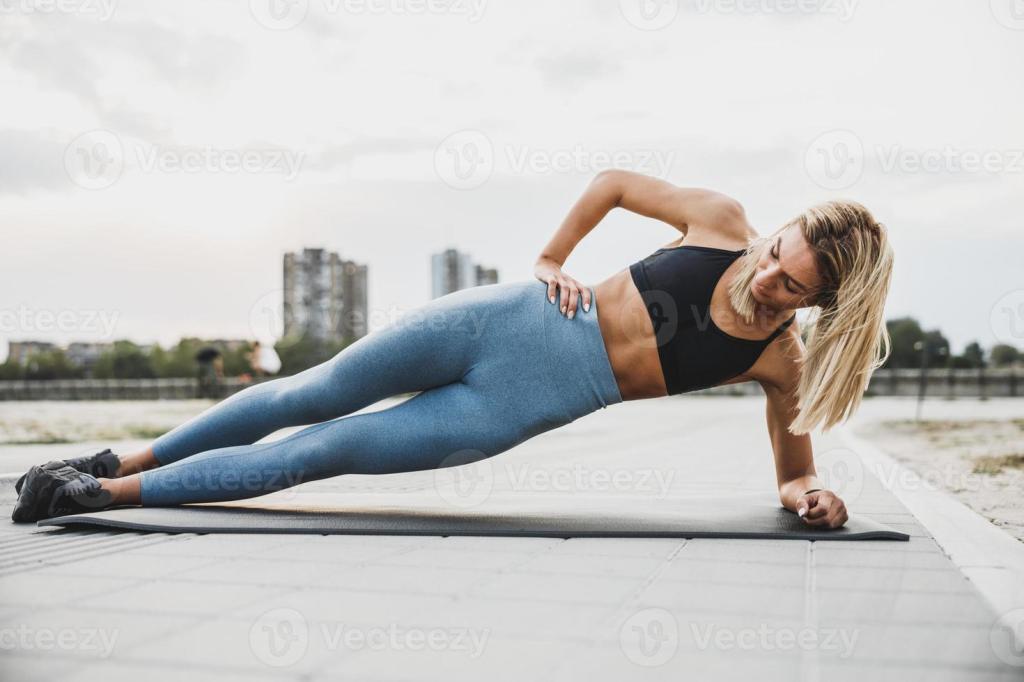
Mastering the proper plank technique is key to building core strength and avoiding injuries. The plank form needs precision and focus to get the most out of this exercise.
- Begin in a prone position on the floor
- Place your forearms directly under your shoulders
- Keep your body straight from head to heels
- Engage your core muscles tightly
- Maintain a neutral neck position
When learning to hold a plank, focus on these important alignment points:
- Spine Alignment: Keep your back flat, avoiding sagging or arching
- Shoulder Positioning: Ensure shoulders are directly above your elbows
- Leg Engagement: Squeeze your glutes and quads for stability
Here are some key technique tips for a good plank form:
| Focus Area | Correct Technique |
|---|---|
| Head Position | Look at the floor, keeping your neck neutral |
| Breathing | Take slow, controlled breaths |
| Core Activation | Pull your belly button toward your spine |
Quality is more important than quantity in planks. Focus on keeping perfect form for the whole 20-second hold. Don’t sacrifice your technique to hold longer.
Common Plank Mistakes and How to Avoid Them

Getting the plank right is more than just the pose. Many people face small but big mistakes. These can mess up their workout and even hurt them.
Alignment is key for a good plank. Your body should be straight from head to heels. This makes a strong base for working your core.
Critical Alignment Issues to Watch
- Sagging hips: Prevents core engagement and strains the lower back
- Raised buttocks: Reduce muscle activation and create improper body positioning
- Collapsed shoulders: Diminishes upper body stability and core strength
Breathing Techniques During Planks
Breathing right during planks is important but often missed. Holding your breath can make you tense and lower your performance.
- Inhale deeply through your nose
- Exhale slowly through your mouth
- Maintain steady, controlled breathing
When doing planks, breathe smoothly and regularly. This keeps oxygen flowing, lowers muscle tension, and helps keep your core strong. Remember, quality trumps quantity in plank exercises.
Pro tip: Think of your breath as a way to center your body and maintain focus during the plank.
Maximizing Your 20-Second Plank for Best Results
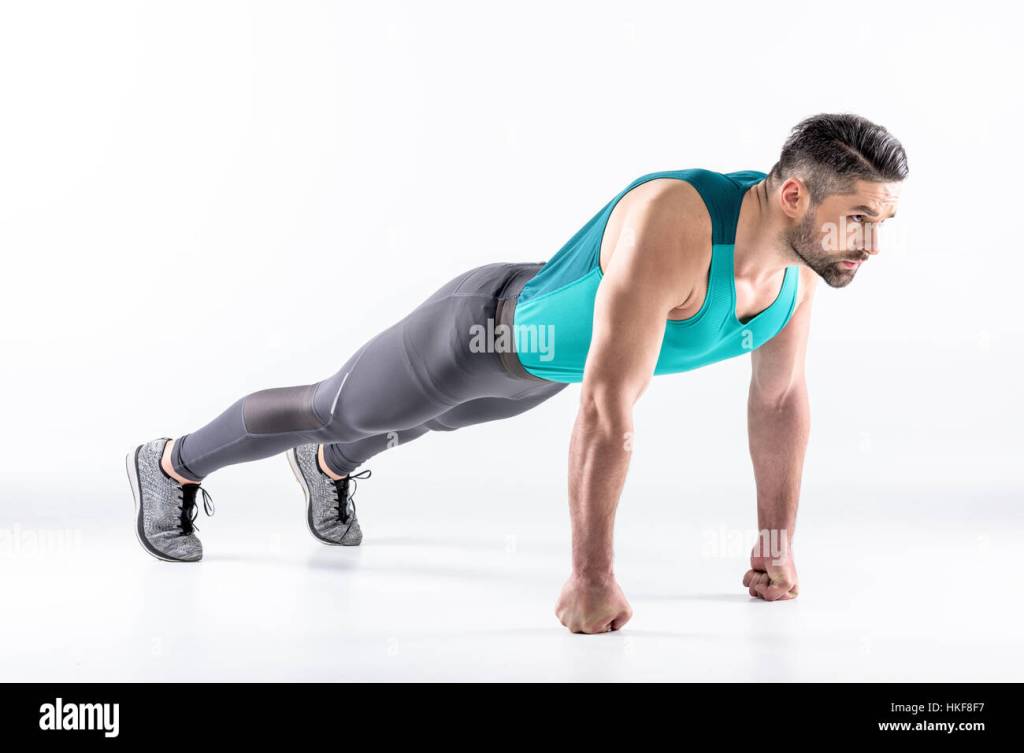
Your 20-second workout can give you strong core strength if done right. It’s not about how long you plank, but how well you engage your muscles.
To get the most out of your plank, follow these tips:
- Maintain full-body tension throughout the 20-second duration
- Keep your body in a perfectly straight line from head to heels
- Engage your core muscles intentionally with each breath
- Create mental focus during the short workout interval
Mental preparation is key to a good plank. See these 20 seconds as a chance to really work your muscles. Visualization techniques can help you push through the brief but intense exercise.
Your body’s position is crucial for a good plank. Make sure your shoulders are over your elbows, squeeze your glutes, and press your toes into the ground. These small changes can make a big difference in your core strength.
“Intensity trumps duration in core strengthening exercises” – Fitness Experts
Quality is more important than quantity in your 20-second workout. Focus on precise muscle engagement and keep your form perfect. This way, you’ll get more out of your plank than longer, less focused workouts.
Progressive Plank Variations to Challenge Your Core

As you build core strength, it’s time to try plank variations. These changes will keep your muscles challenged and prevent plateaus. Your journey doesn’t end with basic planks. It’s time to try advanced modifications to boost your fitness.
Progressing in your plank workout is key. Start by mastering these core-changing plank variations:
- High plank with shoulder taps
- Plank with leg lifts
- Side plank variations
- Dynamic moving planks
Advanced Modifications for Increased Difficulty
The high plank is a great base for tougher core exercises. Adding shoulder taps to your high plank engages stabilizing muscles and boosts body control. Here’s how to do it:
- Start in a standard high plank position
- Keep your core tight and hips stable
- Lift one hand and tap the opposite shoulder
- Switch sides while keeping proper form
When to Progress to Harder Variations
Pay attention to your body when trying new plank variations. If you can hold a plank for 30-45 seconds with perfect form, it’s time for more. Start slow, focus on technique, and add complexity gradually. This helps avoid injury and builds core strength.
Pro tip: Always prioritize proper form over difficulty. A well-done basic plank is more beneficial than a poorly done advanced one.
Incorporating Planks Into Your Daily Routine

Building core strength doesn’t need hours at the gym. A daily plank routine can fit into any busy schedule. It makes keeping up with core training easier than before.
Your 20-second plank can become a strong habit. Just add it to your daily activities. Here are some ways to do it:
- Morning wake-up ritual: Perform your plank right after getting out of bed
- Work break challenge: Use your lunch break or between meetings
- Evening wind-down: Complete your plank while watching TV
- Commute preparation: Do a quick plank before leaving home
Pro tip: Consistency matters more than perfection in your core training journey. Start small and build momentum. Some days you might feel stronger, others more challenging – that’s completely normal.
“The secret of change is to focus all of your energy not on fighting the old, but on building the new.” – Socrates
Keep track of your progress with a calendar or fitness app. Mark each day you complete your plank. This will motivate you to keep up with your daily plank routine. Remember, 20 seconds might seem short, but it can make a big difference in core stability when done regularly.
Tracking Your Progress and Setting Core Strength Goals

It’s important to keep track of your core strength progress. This helps you stay motivated and reach your fitness goals. Planks are a great way to see how your core stability improves over time.
Tracking your fitness journey means watching key performance indicators closely. Setting fitness goals helps you stay focused. It also lets you measure how much you’ve improved in core strength.
Measurable Improvements to Look For
- Increased plank hold time
- Better body alignment during exercise
- Reduced muscle fatigue
- Enhanced overall stability
When you’re increasing your plank time, start small. Add 5-10 seconds to your plank time each week. This slow increase helps prevent injuries and builds steady strength.
When to Increase Duration and Intensity
Your body will tell you when it’s time for harder plank exercises. Look out for these signs:
- You can hold perfect form for 30 seconds
- No big muscle shaking during holds
- Feeling little strain in your core
“Progress is impossible without change, and those who cannot change their minds cannot change anything.” – George Bernard Shaw
Remember, regular practice is essential for building core strength. Always listen to your body and progress at a pace that feels right.
Combining Planks with Other Bodyweight Exercises
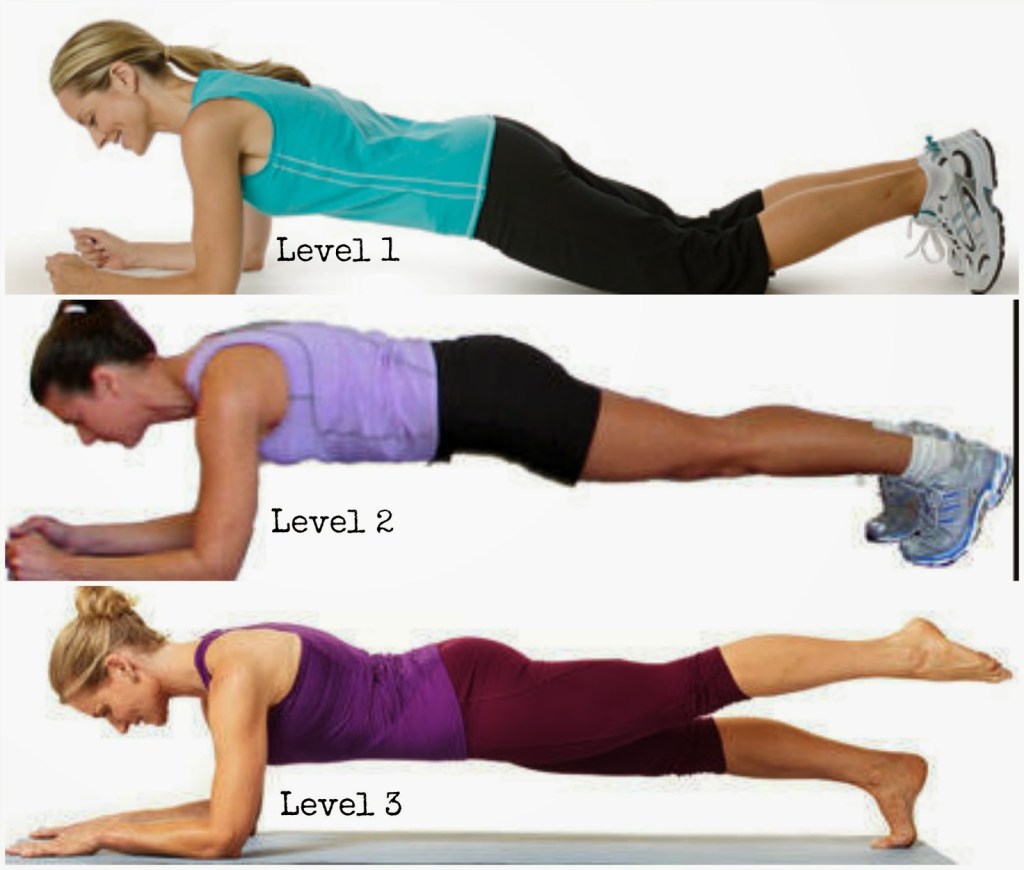
Adding planks to your workout routine can boost your fitness. Planks are great for your core. But mixing them with other exercises can make you stronger and more conditioned.
When you mix bodyweight exercises, they work better together. A good routine might include:
- Push-ups to complement core stability
- Squats for lower body engagement
- Mountain climbers to intensify core work
- Burpees for full-body conditioning
Plan your workout to switch between muscle groups. For instance, a 20-minute circuit could be:
- 30-second plank
- 10 push-ups
- 15 bodyweight squats
- 20 mountain climbers
“Variety is the spice of fitness – mix your bodyweight exercises to keep your body challenged and engaged.”
It’s important to keep the right form and add more challenges as you get better. This way, you’ll keep pushing your core strength and fitness.
Safety Considerations and Contraindications
Plank safety is key when you’re working on your core. Planks are great for building strength. But it’s important to take steps to avoid injuries.
Some people need to be more careful with planks. This is especially true for those with certain health issues:
- Individuals with recent back or shoulder injuries
- Pregnant women in later trimesters
- People with chronic lower back pain
- Those recovering from abdominal surgeries
Knowing when to skip planks is important if you feel:
- Sharp or persistent pain during the exercise
- Unusual muscle strain
- Dizziness or lightheadedness
- Compromised balance or stability
Always talk to a healthcare professional before starting any new exercise routine. Your body’s signals are important. If something feels wrong, stop right away and get medical advice.
Safe exercise is about listening to your body and understanding its limits.
Proper form and gradual progression are crucial for plank safety. Begin with shorter times and keep your alignment right to lower injury risk.
Conclusion
Getting stronger doesn’t need to take hours. Just 20 seconds a day can change your fitness game. This simple plank routine is an efficient workout that fits into any busy schedule.
This exercise is easy to do and works well. It’s a quick addition to your daily routine that targets many muscles at once. It’s perfect for anyone, whether you’re busy with work, school, or fitness.
Being consistent is more important than how hard you work. Stick with this short but powerful exercise for big health gains. Start now, listen to your body, and slowly get stronger. You’ll see how a little time each day can lead to big results.
Try this easy way to get fit. Your journey to a stronger core starts with just 20 seconds a day. It shows that big changes can come from small, smart steps.


 trim down and shape up
Leave a comment