


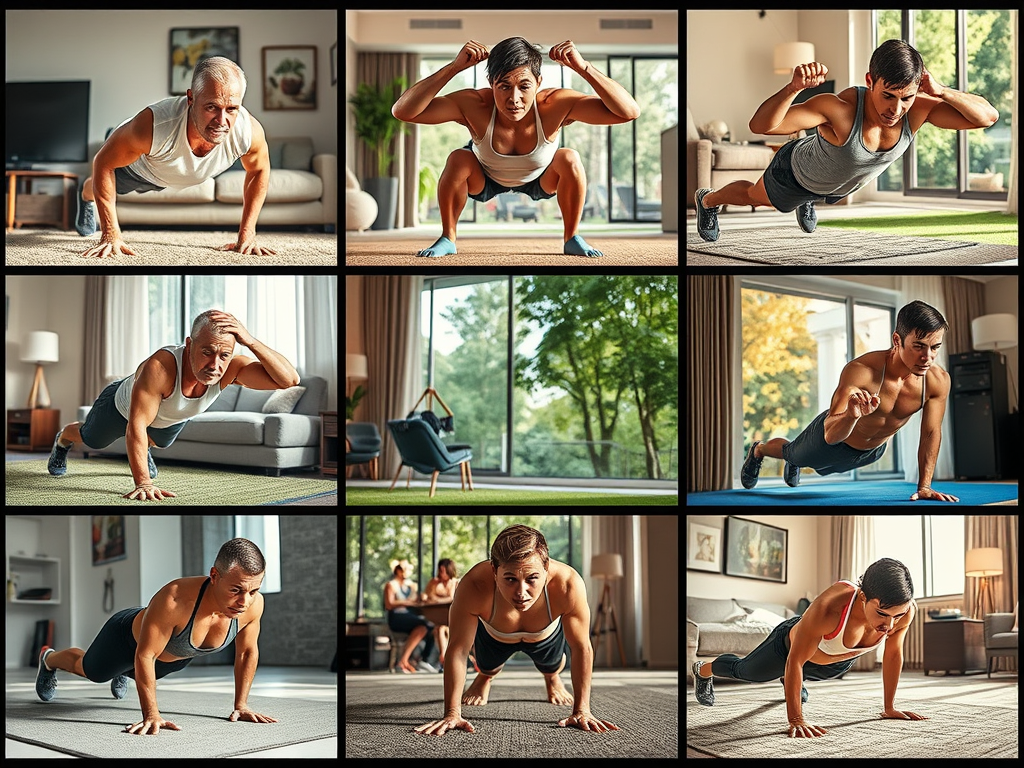
Did you know 74% of Americans don’t meet muscle-strengthening activity guidelines? Body-weight exercises are a great way to build strength without needing expensive gear or gym memberships. These workouts can change your fitness routine, helping you build muscle and get stronger anywhere.
Bodyweight strength training lets you challenge your muscles with just your body’s resistance. You can do these exercises in hotel rooms or living rooms. They make fitness easy and convenient, helping you get stronger, more flexible, and improve your physical performance.
Body-weight exercises are great for busy people, travelers, or anyone who loves fitness. They need little space and no equipment. This makes them perfect for staying fit, no matter where you are.
Key Takeaways
- Body-weight exercises can be performed anywhere
- No equipment is required for an effective workout
- Strength training is possible without a gym membership
- Flexibility and convenience are primary advantages
- Suitable for all fitness levels and ages
Understanding the Power of Bodyweight Training
Bodyweight training is a game-changer in fitness. It lets you build muscle and gain strength without any weights. You only need your own body to get a great workout.
Your body is the ultimate fitness tool. Functional strength exercises use your body’s natural resistance. This leads to strong muscle growth and better overall fitness.
Unlike gym machines, bodyweight training works many muscles at once. This helps you develop your body fully.
Benefits of Equipment-Free Workouts
- Zero equipment required
- Can be performed anywhere
- Minimal financial investment
- Scalable difficulty levels
- Improved body awareness and control
Science Behind Bodyweight Exercises
Studies show bodyweight training makes muscles adapt. Muscle recruitment patterns during these exercises work stabilizer muscles better than weights. This leads to more balanced strength and less injury risk.
Building Strength Without Weights
Progressive overload is crucial in bodyweight training. By changing how you do exercises, you keep pushing your muscles. Techniques like adjusting body angles and adding new movements help you get stronger.
“Your body is the gymnasium, and willpower is your membership card.” – Fitness Philosophy
Push-Ups: The Ultimate Upper Body Builder

Push-ups are a key part of full-body bodyweight training. They can change your home workouts for the better. This exercise needs no equipment and works wonders for your upper body strength. By getting good at push-ups, you can build muscle, strengthen your core, and boost your fitness without going to the gym.
It’s important to know how to do push-ups right to get the most out of them and avoid injuries. Your body should be in a straight line from head to heels. Keep your core tight and your hands wider than your shoulders. If you’re new, try doing push-ups on your knees or against a wall.
- Targets multiple muscle groups simultaneously
- Builds chest, shoulder, and tricep strength
- Improves core stability
- Requires no special equipment
There are many push-up variations to help you get better. Start with regular push-ups and then try harder ones like:
- Diamond push-ups
- Decline push-ups
- Plyometric push-ups
- One-arm push-ups
To make push-ups a part of your home workouts, do 3 sets of 10-15 reps. As you get stronger, do more reps or try harder versions to keep challenging yourself.
| Push-Up Variation | Difficulty Level | Primary Muscle Groups |
|---|---|---|
| Standard Push-Up | Beginner | Chest, Triceps, Shoulders |
| Diamond Push-Up | Intermediate | Triceps, Chest |
| Plyometric Push-Up | Advanced | Chest, Shoulders, Explosive Power |
Remember, being consistent is key in full-body bodyweight training. Stick to proper form and slowly increase the challenge to keep improving your strength and fitness.
Mastering the Perfect Squat Form

Squats are key for building strength and are great for full-body workouts. They work many muscles at once. This makes them a must-have for any fitness plan.
Common Squat Mistakes to Avoid
Getting the squat right is important. Many people don’t realize they’re doing it wrong. This can hurt their workout results.
- Allowing knees to collapse inward
- Not maintaining a neutral spine
- Lifting heels off the ground
- Inadequate depth in squat movement
Squat Variations for Different Fitness Levels
As you get stronger, you’ll need to change how you squat. Progression is key to continuous improvement.
- Beginner: Wall squats and assisted bodyweight squats
- Intermediate: Standard bodyweight squats
- Advanced: Jump squats and single-leg variations
Targeting Multiple Muscle Groups
Squats are a powerful move for full-body workouts. They work your legs, glutes, and core. This gives you a strong workout.
“Squats are not just an exercise, they’re a fundamental movement pattern that translates directly to real-world physical capabilities.” – Fitness Experts
Mastering squats boosts your everyday strength and sports skills.
Plank Variations for Core Strength
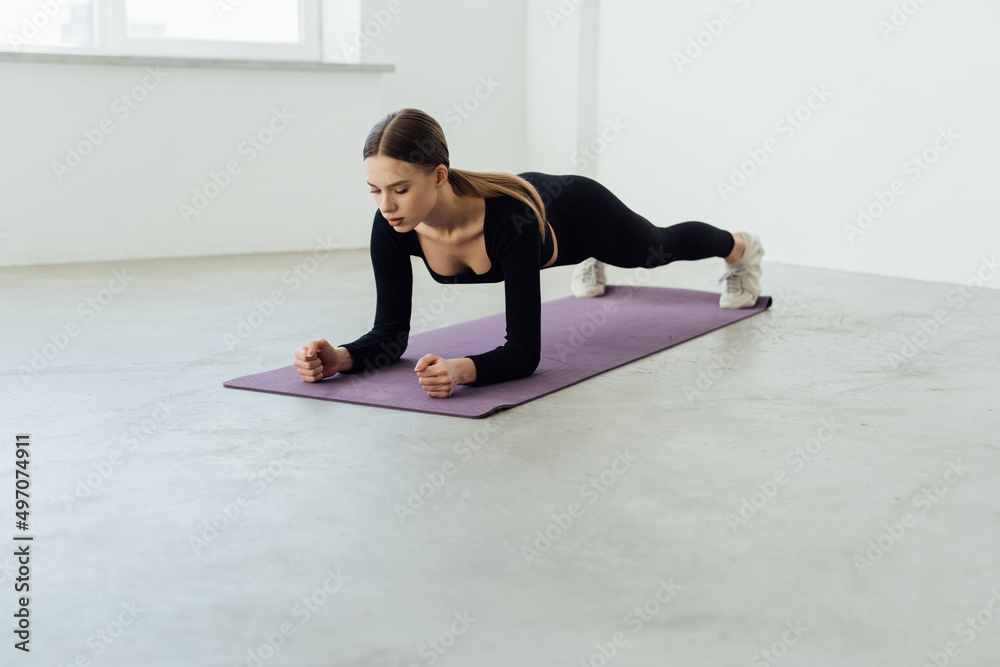
Planks are key in effective calisthenics exercises. They can change your home workouts. These exercises work your whole core, building strength and stability without any equipment.
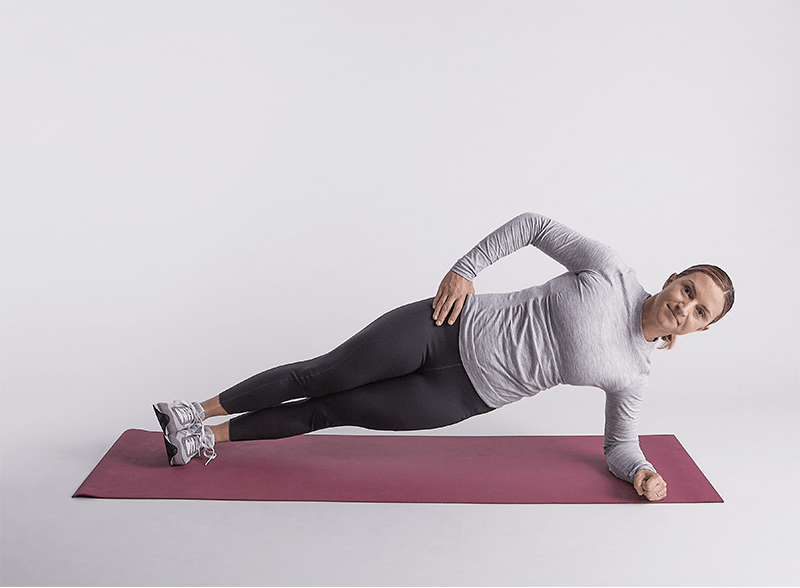
Getting the plank right is important. Start with the standard forearm plank. Keep your body straight from head to heels. Use your core, squeeze your glutes, and keep your spine neutral for best results.
- Standard Forearm Plank: Hold for 30-60 seconds
- Side Plank: Targets obliques and lateral core muscles
- Plank with Shoulder Taps: Adds dynamic movement to challenge stability
- Plank Jacks: Combines core strength with cardio elements
To get better at planks, increase your hold time and try harder variations. Beginners can start with 15-second holds. More experienced people can aim for 2-minute static planks or complex movements.
Core strength is not just about aesthetics – it’s about creating a strong foundation for all physical activities.
Adding planks to your workouts can improve your posture and reduce back pain. It also boosts your athletic performance. Try to do plank variations 2-3 times a week for the best results.
Glute Bridges: Activating Your Posterior Chain
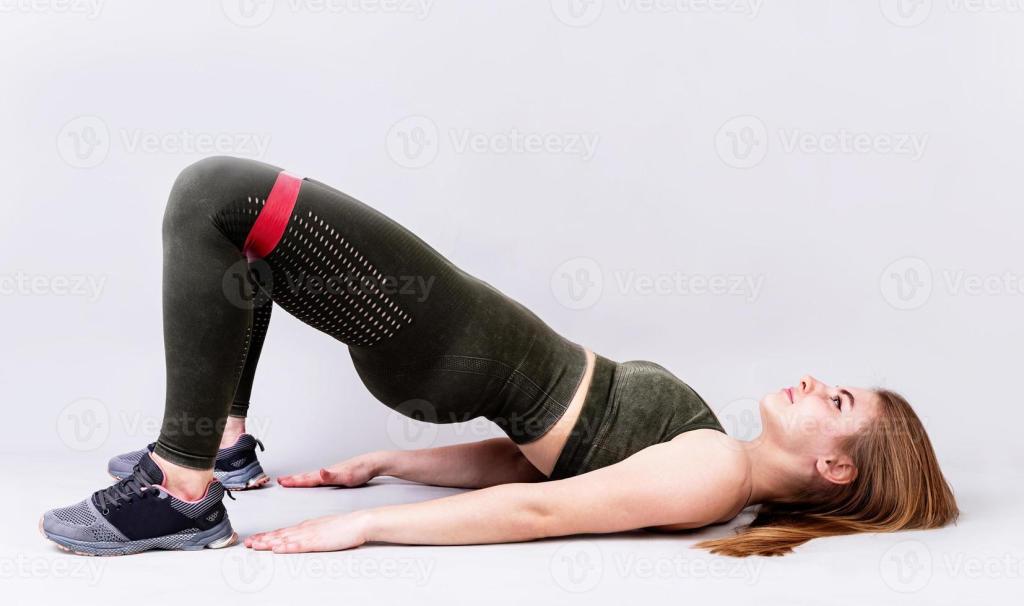
Glute bridges are a great way to build muscle without using weights. This exercise targets your glutes, hamstrings, and core. It’s simple yet very effective.
Doing glute bridges right can really boost your lower body strength. They’re perfect for anyone wanting to get fit without needing much equipment.
Progressive Overload Techniques
To keep pushing your muscles, try these overload strategies for glute bridges:
- Increase repetitions gradually
- Add tempo variations
- Incorporate single-leg modifications
- Use resistance bands for added tension
“Consistency is key in bodyweight strength training. Small, incremental changes lead to significant improvements.” – Fitness Expert
Form and Execution Tips
Getting the form right is key for glute bridges. It helps you work your muscles better and avoid injuries. Here’s how to do it right:
- Lie flat on your back with knees bent
- Keep feet hip-width apart
- Press through heels, lifting hips
- Squeeze glutes at the top of the movement
- Lower slowly with control
Remember, quality repetitions are more important than quantity when building muscle without weights.
Walking Lunges and Their Benefits

Walking lunges are a great exercise for strengthening your body. They work many muscles at once. This helps improve balance, coordination, and strength in your lower body.
Unlike static lunges, walking lunges also boost your heart rate. This makes them a fantastic workout for your whole body.
When doing walking lunges, you work several important muscles:
- Quadriceps
- Hamstrings
- Glutes
- Calves
- Core stabilizers
To do walking lunges right, stand with your feet apart. Step forward and lower your back knee, keeping your front knee bent at 90 degrees. Push off your front foot to move your back leg forward, repeating the motion.
Beginners should aim for 10-12 lunges per leg. As you get stronger, do more and try different versions like reverse walking lunges or weighted walking lunges.
“Walking lunges are not just an exercise, they’re a movement that builds functional strength from the ground up.” – Fitness Professionals
Adding walking lunges to your routine can greatly enhance your fitness and lower-body strength. You don’t need much equipment to do them.
12 Body-Weight Exercises You Can Do Anywhere To Build Strength
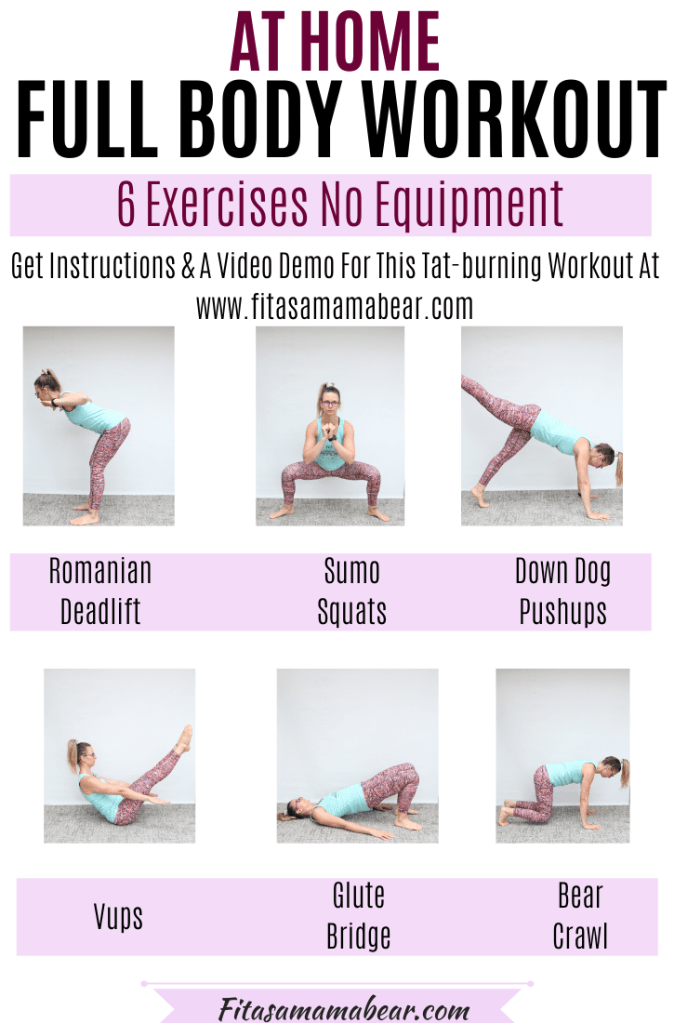
You don’t need fancy equipment or a gym to stay fit. A simple travel workout plan can be effective anywhere. These 12 body-weight exercises will boost your strength and fitness, keeping you consistent.
Creating Your Workout Schedule
Creating a good workout plan is all about strategy. Your home routines should cover all muscle groups and keep getting harder. Here are some tips for scheduling:
- Alternate between upper and lower body workouts
- Plan 3-4 workout sessions per week
- Allow 48-hour recovery between muscle group sessions
Intensity Guidelines
Good body-weight training is about the right intensity. Start simple and add more as you get better.
| Fitness Level | Repetitions | Sets | Rest Period |
|---|---|---|---|
| Beginner | 8-12 | 2-3 | 60-90 seconds |
| Intermediate | 12-15 | 3-4 | 45-60 seconds |
| Advanced | 15-20 | 4-5 | 30-45 seconds |
Rest and Recovery Tips
Rest is key in any workout plan. Listen to your body and follow these tips:
- Get enough sleep (7-9 hours)
- Stay hydrated
- Eat protein-rich foods
- Do gentle stretching
Remember, being consistent is more important than how hard you work. Make sure your exercises challenge you but don’t hurt you.
Advanced Bodyweight Movements: Burpees and Box Jumps
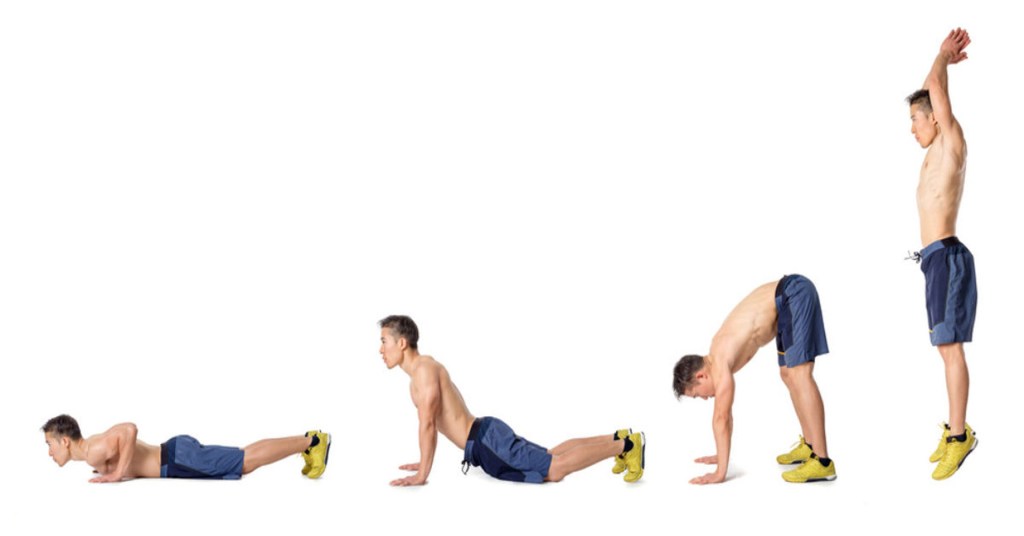
Burpees and box jumps are two of the top exercises that can change your workout. They mix strength, power, and heart health into one intense session.
Burpees work your whole body at once. They use your core, chest, arms, and legs in quick moves. You start standing, then squat, do a push-up, and jump up.
- Improves cardiovascular fitness
- Builds total-body strength
- Burns significant calories
- Requires zero equipment
Box jumps boost your lower body strength and coordination. They help you get better at quick, powerful movements. Start with a low box and get taller as you get stronger.
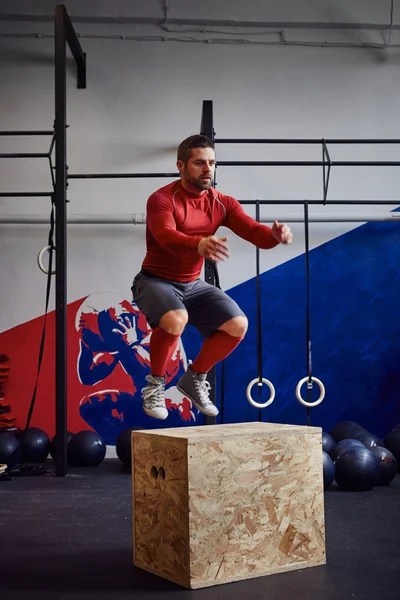
“Advanced bodyweight exercises like burpees and box jumps can dramatically enhance your fitness level without needing expensive gym equipment.”
Start with the right form and add more reps slowly. Beginners should master the technique first. Always warm up well and listen to your body to avoid injuries.
Building Endurance Through Jumping Jacks and Mountain Climbers
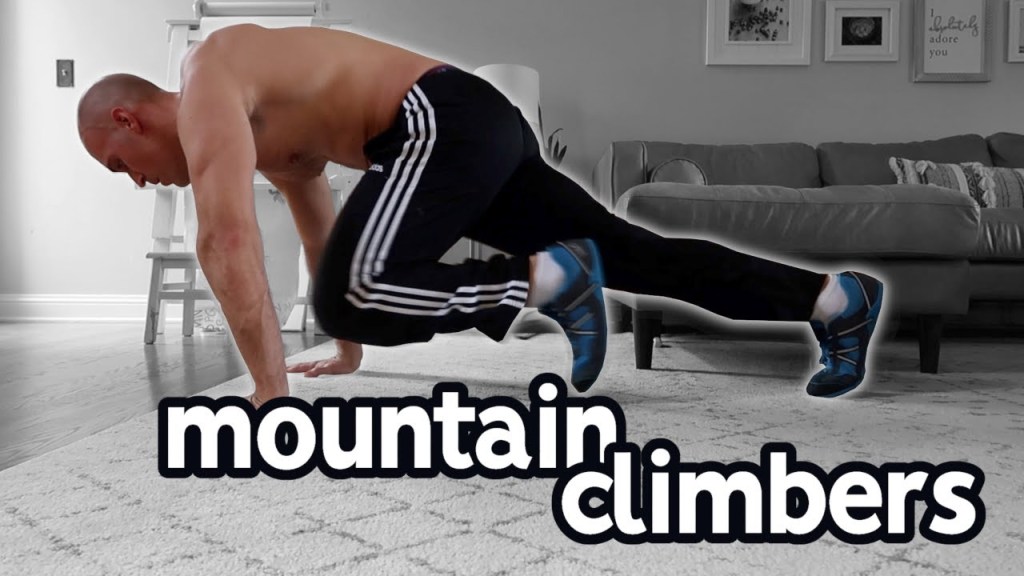
No-equipment workouts are great for boosting your heart health. Jumping jacks and mountain climbers are two exercises that can improve your endurance. They don’t need any special equipment.
These exercises work many muscles at once. They also give a tough workout for your heart. They’re great for anyone wanting to get fit fast and easy.
Cardiovascular Benefits
Jumping jacks and mountain climbers offer big heart health benefits:
- They make your heart beat faster.
- They burn lots of calories quickly.
- They boost your body’s ability to use energy.
- They help improve how well your body moves together.
Proper Form Techniques
Doing these workouts right is key to getting the most out of them and staying safe.
| Exercise | Key Form Points | Common Mistakes |
|---|---|---|
| Jumping Jacks |
- Land softly on balls of feet
- Keep core engaged
- Maintain upright posture
- Stiff landings
- Hunched shoulders
- Uncontrolled movements
| Mountain Climbers |
- Keep hips low
- Maintain a straight back
- Quick, controlled leg switches
- Sagging hips
- Slow movements
- Inconsistent pace
Adding jumping jacks and mountain climbers to your workouts will boost your heart health and strength all over your body.
Targeting Lower Body: Standing Calf Raises and Dead Bugs
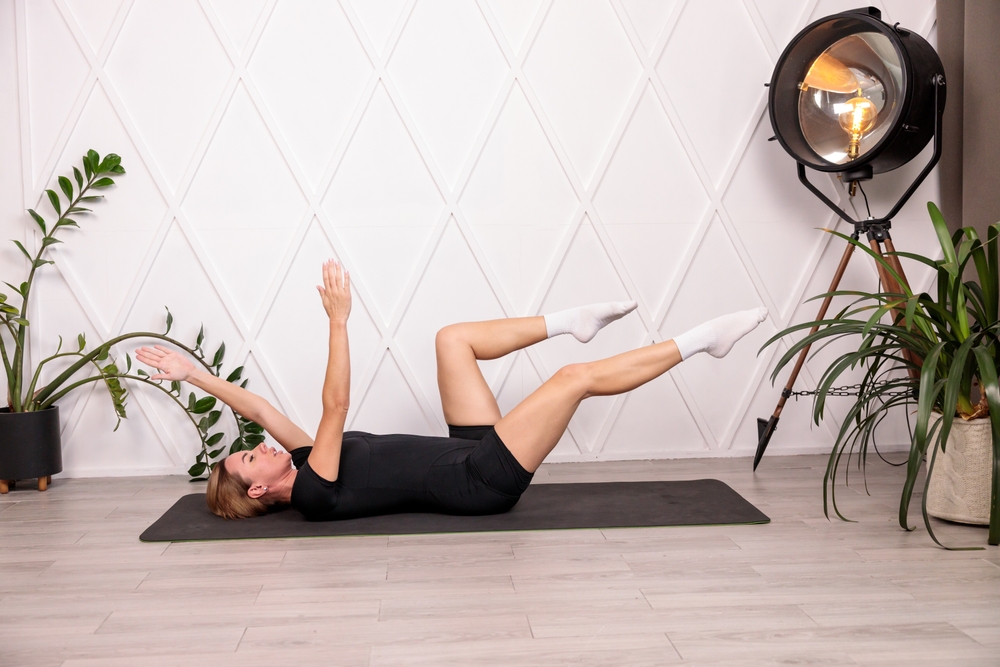
Bodyweight strength training focuses on specific muscle groups. Standing calf raises and dead bugs are great for improving lower body strength and core stability.
Standing calf raises are excellent for building lower leg muscles without equipment. They make your lower legs stronger and more defined. This supports your athletic performance. Here’s how to do them right:
- Stand with feet hip-width apart
- Rise onto your toes, engaging calf muscles
- Hold for a moment at the top of the movement
- Slowly lower back to the ground
Dead bugs are a key core exercise in bodyweight training. They target deep abdominal muscles and improve core stability. This exercise also helps prevent lower back pain and enhances movement.
To do dead bugs correctly, keep your lower back stable and breathe slowly. Precision matters more than speed in this exercise. Start by lying on your back, extending opposite arm and leg while keeping your core tight.
Pro tip: Quality repetitions beat quantity every time in bodyweight exercises.
Adding standing calf raises and dead bugs to your workout will strengthen your lower body and core. Start with the right form and increase repetitions as you get stronger.
Progressive Overload in Bodyweight Training
Bodyweight strength training is a great way to build muscle without using weights. It works by gradually increasing the challenge to your muscles. This is called progressive overload.
To build muscle without weights, you need to keep challenging your muscles. Your body gets used to things fast. So, you must change how you train to keep growing muscle.
Increasing Exercise Difficulty
There are many ways to increase the challenge in bodyweight training:
- Increase repetition count
- Reduce rest periods between sets
- Modify the exercise angle or leverage
- Add tempo variations
- Incorporate more complex movement patterns
Measuring Your Progress
It’s important to track your progress in bodyweight training. Here are some ways to do it:
- Track total volume of repetitions
- Record workout performance metrics
- Assess muscle definition and body composition
- Evaluate strength improvements through advanced movement variations
Remember, consistent challenge is the secret to continuous muscle growth in bodyweight training.
Conclusion
Your fitness journey can change with effective calisthenics exercises that need no equipment. Body-weight exercises use your own weight to build strength. This makes for a powerful workout you can do anywhere.
These exercises are great for everyone, from beginners to experienced athletes. They offer challenges that fit your fitness level.
Full-body bodyweight training is a great way to get stronger, more flexible, and improve your heart health. The exercises in this guide show how simple actions can lead to big changes. Your hard work will show in your results.
Begin with small steps and grow slowly. Always focus on doing the exercises right and listening to your body. Every workout brings you closer to better fitness, strength, and health.
With dedication and the right approach, you can reach your physical goals using just your body weight. Fitness is a personal journey. It’s about trying new things, adapting, and learning all the time.
See these body-weight exercises as tools to help you get stronger, more enduring, and confident. With each repetition, you’ll see your abilities grow.


 trim down and shape up
Leave a comment