


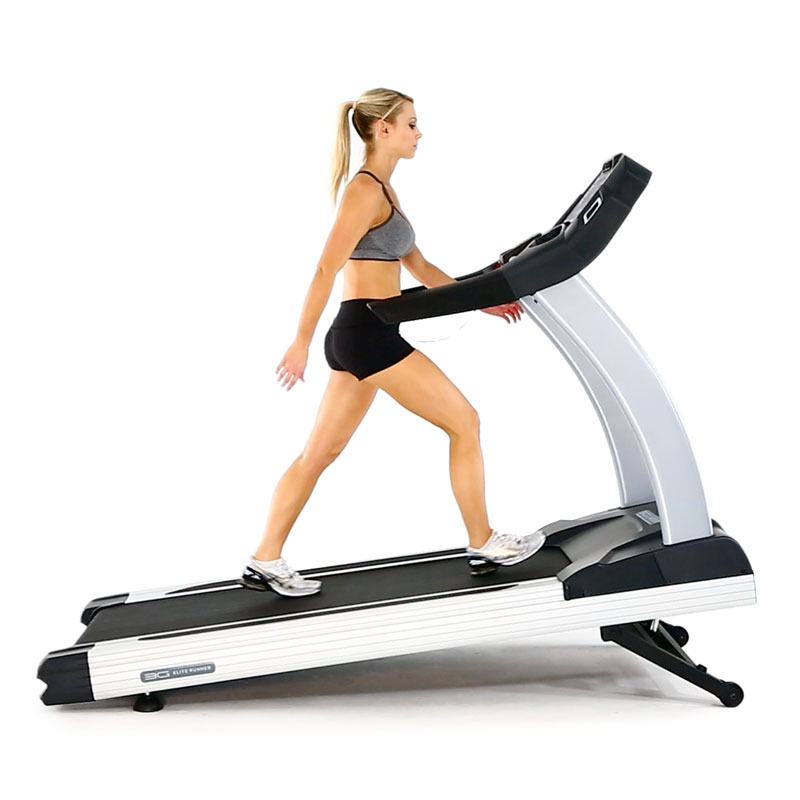
Are you tired of boring workouts that don’t really help? What if changing how you walk could make a big difference? Walking has become popular, and scientists say incline walking is a key to better fitness.
The fitness world is excited about a new idea that changes how we think about cardio. Is incline walking the secret to getting fit faster? Studies show it might be more than just a trend. Walking uphill can turn a simple walk into a workout that burns calories and builds muscle.
Getting fit doesn’t have to be hard or hurt. Incline walking is a gentle yet effective way to get in shape. It’s a smart choice for improving heart health, building strength, and boosting metabolism without too much strain.
Key Takeaways
- Incline walking can dramatically enhance workout efficiency
- Low-impact exercise with high-intensity results
- Scientifically proven method for fitness improvement
- Suitable for various fitness levels
- Targets multiple muscle groups simultaneously
The Shift from Running to Walking: Why Cardio Lovers Are Reconsidering Their Workouts
For years, people thought running or jogging was the best way to stay fit. They believed that only high-intensity running could lead to real fitness gains. But now, a big change is happening in the fitness world.
Runners and those who love cardio are starting to doubt the idea that running is always better. This change comes from a few important discoveries:
- More people are thinking about joint health and long-term fitness.
- Studies are showing that walking has surprising fitness benefits.
- Walking is seen as a great option for people of all fitness levels.
Walking is no longer seen as a second-class exercise. Experts now know that walking, especially uphill, can be very good for your heart. It’s also easier on your body.
The most effective workout is the one you can consistently perform without injury.
Old beliefs about walking are fading away. Cardio lovers are finding out that walking is a gentle yet effective way to stay fit. It’s a way to keep exercising without hurting your joints.
As more research comes out, walking is becoming a top choice for workouts. Your fitness journey might look very different than you thought.
Understanding the Power of Incline: What Makes Walking Uphill Different

Walking uphill can change your workout in big ways. Adding incline makes walking a more effective workout than jogging. The benefits of using a treadmill with elevation are surprising.
Walking uphill changes your body in amazing ways. The way your body moves uphill is different from walking on flat ground. It challenges your muscles and heart in unique ways.
The Biomechanical Magic of Uphill Movement
Incline walking works your muscles in special ways. Your body fights against gravity, which means:
- Enhanced posterior chain muscle activation
- Greater engagement of your glutes and hamstrings
- Increased core muscle recruitment
- Modified joint angles that improve overall biomechanics
Elevating Your Workout Intensity
Walking uphill makes your workout more intense. Even a small incline raises your heart rate and burns more calories. Just a 5-10% grade can significantly boost calorie burn and cardiovascular challenge.
The steeper the incline, the more your body must work to overcome gravitational resistance.
Using a treadmill with elevation does more than just burn calories. You’ll build stronger muscles, improve your heart health, and get a low-impact workout that’s as good as high-intensity exercises.
You May Burn More Calories Walking Uphill Than Jogging on a Flat Road

Walking uphill can change your fitness routine. It might surprise you to know you can burn more calories walking uphill than jogging on flat ground. The reason is the unique challenges of incline walking.
Walking uphill has several benefits:
- Increased muscle engagement throughout your entire body
- Higher energy expenditure due to gravitational resistance
- Lower perceived exertion compared to traditional high-impact exercises
Walking uphill is fascinating. Your body works harder to fight gravity. This means your muscles work harder with each step, making it a more intense workout than jogging.
Studies show that a brisk walk on a 10-15% incline can burn as many calories as jogging. Your body gets a big metabolic boost, working many muscles at once.
The Metabolic Advantage of Incline Walking
Many things affect how many calories you burn. Your weight, walking speed, and the incline all matter. Steeper inclines usually burn more calories, making your workout better and more efficient.
Walking uphill isn’t just a workout—it’s a strategic approach to fitness that maximizes your body’s potential.
Adding uphill walking to your routine is a smart move. It’s a low-impact, high-reward exercise that challenges old cardio ideas.
Building Muscle Strength and Definition Through Incline Walking

Incline walking is a great way to boost your lower-body fitness. It’s more than just a cardio workout. It helps build muscle strength and definition, focusing on your glutes, hamstrings, and calves.
Walking uphill works your muscles in a unique way. Your glutes, hamstrings, and calves get a tougher workout. This makes muscle building more intense.
Muscle Groups Targeted During Incline Walking
- Glutes: Activated more intensely with each uphill step
- Hamstrings: Stretched and strengthened through increased resistance
- Calves: Engaged more deeply than on flat terrain
Studies show incline walking works these muscles harder than flat jogging. The uphill motion requires more muscle effort. This creates a natural resistance training effect without extra weights.
Muscle Activation Mechanics
Walking uphill means your body fights gravity, engaging muscles deeper. Each step requires more effort from your lower body muscles. This leads to better muscle tone and strength over time.
The controlled, sustained muscle contractions during incline walking provide a unique strength-building opportunity that traditional cardio often misses.
Adding incline walking to your fitness routine offers a more complete lower-body workout. It goes beyond just cardio exercise.
Is Incline Walking the Secret to Faster Fitness Gains? The Science Says Yes!

Fitness lovers are finding a new way to boost their workout results. Is incline walking the secret to faster fitness gains? The answer from science is a big yes, and it could change your workout forever.
Studies show that incline walking is a powerful way to get fit. It works by activating your metabolism, using more muscles, burning calories better, and being easier on your joints than running.
Discover the benefits of incline walking over flat jogging through new research. Walking uphill changes your body in ways that flat exercises can’t. It’s a game-changer for your fitness.
| Fitness Parameter | Incline Walking | Flat Surface Jogging |
|---|---|---|
| Calorie Burn Rate | 30-40% Higher | Standard Rate |
| Muscle Engagement | Multiple Muscle Groups | Limited Muscle Activation |
| Joint Stress | Low Impact | High Impact |
The facts are clear: incline walking is a smarter way to reach your fitness goals. Adding uphill walks to your routine makes your workouts more effective and safer from injuries.
“Incline walking represents a breakthrough in exercise science, providing a low-risk, high-reward approach to fitness.” – Dr. Emily Rodriguez, Sports Physiologist
The Joint-Friendly Advantage: Why Incline Walking Is Easier on Your Body

Fitness lovers are finding a new workout that’s kind to your body and still gets great results. Incline walking is a standout exercise that focuses on keeping your joints healthy and supports long-term fitness.
Traditional high-impact workouts can be tough on your joints. But incline walking offers a gentler way to stay fit. It helps avoid the harsh impacts that usually hurt knees and ankles.
Reduced Impact on Your Body’s Crucial Joints
Incline walking helps your joints in several ways:
- Maintains continuous ground contact during movement
- Distributes body weight more evenly across muscle groups
- Decreases repetitive impact loading on your knee and ankle joints
- Provides lower ground reaction forces compared to running
Sustainable Fitness for Years to Come
Incline walking is gentle on your joints, making it easier to keep up with your fitness goals. Your body will thank you for choosing an exercise that supports joint health while delivering impressive cardiovascular benefits.
Choosing joint-friendly workouts means you can keep improving without worrying about injuries or wear and tear.
Maximizing Fat Loss and Metabolic Impact with Treadmill Elevation

Discover how incline walking can boost your treadmill workout. It’s not just walking; it’s a way to burn calories and increase your metabolism.
Incline walking has a big impact on your body. It makes you burn fat more efficiently. Here’s why:
- Increases energy expenditure by 3-5 times compared to flat walking
- Activates more muscle groups simultaneously
- Elevates post-exercise oxygen consumption
- Enhances metabolic rate for hours after your workout
Walking uphill makes your body work harder. This effort means you burn more calories and lose fat faster. It’s a great way to get fit without the high-impact stress of other workouts.
To get the most out of incline walking, try these tips:
- Start with a 3-5% incline for beginners
- Gradually increase to 10-15% as fitness improves
- Mix intervals of flat and elevated walking
- Maintain a steady pace that challenges but doesn’t exhaust you
Studies show that regular incline walking can greatly improve your metabolic health. It’s a smart choice for keeping fit and losing fat over time.
Incline Walking Versus Running: Comparing Cardio Workout Efficiency

The debate between incline walking and running is ongoing among fitness lovers. Your choice of workout can greatly affect calorie burning and fitness gains. Knowing the differences between these two cardio methods can help you choose the best training.
Cardio workout efficiency is more than just speed. Incline walking has unique benefits that can rival or even beat running in several areas:
- Lower joint impact compared to running
- Higher muscle engagement on slopes
- Potential for more sustainable long-term training
HIIT Incline Training Strategies
High-intensity interval training (HIIT) with incline walking is a top-notch cardio workout. Your HIIT incline training can be set up to burn calories efficiently while reducing injury risk. Try these interval techniques:
- Alternate between 3-5% and 8-10% inclines
- Vary walking speeds during intervals
- Use 30-second high-intensity bursts followed by 60-90 second recovery periods
Calorie Burning on Slopes: The Numbers Behind the Science
Calorie burning on slopes offers interesting insights into workout efficiency. Walking at a 10% incline can burn up to 50% more calories than flat-surface walking. Studies show that incline walking works your body in ways regular exercise can’t, engaging more muscles and boosting metabolism.
Your results will depend on your body weight, fitness level, and how hard you work. The key is to stay consistent and keep challenging yourself in your incline walking routine.
Practical Tips for Incorporating Uphill Walking into Your Fitness Routine

Improving your cardio workout doesn’t need to be hard. Uphill walking is a simple yet effective way to boost your fitness. You can use a treadmill or walk outdoors. Here are some tips to help you get the most out of your uphill walks.
Getting Started with Incline Walking
Start your uphill walking journey with these steps:
- Begin with a gentle 2-3% incline for the first week
- Slowly increase the incline by 1% each week
- Start with 20-30 minute walks
- Keep an eye on your heart rate and how hard it feels
Workout Structure and Progression
Your uphill walking plan should mix challenge and endurance. Switch between flat and uphill walking to avoid muscle tiredness and keep things interesting. Try these workout types:
- Interval training: Mix 2-minute flat walks with 2-minute uphill walks
- Steady-state incline walks: Walk at a steady 5-7% elevation
- Pyramid workouts: Increase and then decrease the incline during your walk
Always warm up, cool down, and listen to your body. The secret to successful uphill walking is regular, progressive training that fits your fitness level.
Conclusion
Incline walking is a game-changer for your fitness journey. It’s backed by science and offers many benefits. These benefits make cardio training more effective and less stressful on your joints.
Adding incline walking to your routine can help you reach your fitness goals faster. This method is proven to be effective, working for people of all fitness levels. You can use a treadmill or find hills outside to get started.
Consistency is crucial when using incline walking. Start with gentle slopes and increase the difficulty as you get stronger. Your body will grow stronger and more resilient with each step.
Try incline walking to transform your cardio workouts. It’s not just exercise; it’s a way to maximize your fitness with science on your side.


 trim down and shape up
Leave a comment