


Did you know that one in four older Americans falls each year? These falls can have serious effects on your independence. Falls are the leading cause of injuries among seniors, leading to many deaths and disabilities.
But here’s the good news: it’s not just about being strong. It’s about being fast. This is the key to preventing falls.
Preventing falls doesn’t mean lifting heavy weights or spending hours at the gym. The truth is, it’s easier than you think. As you get older, being able to react quickly and stay balanced becomes more important. There’s a specific fitness that can protect you from injuries.
This article will show you a new way to prevent falls that goes beyond just getting strong. You’ll learn about a targeted exercise plan. This plan can help you stay mobile, confident, and independent for years to come.
Key Takeaways
- Falls are a significant health risk for seniors over 65
- Speed and reaction time matter more than raw strength
- Specific exercises can dramatically reduce fall risk
- You can improve muscle power at any age
- Fall prevention is about smart, targeted training
Why Muscle Power Matters More Than Strength Alone
New research shows muscle power is different from muscle strength. Strength is about lifting heavy weights. But muscle power is about how quickly you can move. As you age, moving fast is key to prevent falls and keep your independence.
Your muscles change with age in two ways:
- Muscle strength: The maximum force your muscles can produce
- Muscle power: Your ability to generate force rapidly
Moving fast is crucial. Imagine catching yourself during a fall. This needs quick muscle reaction, not just strength. Your muscles must react fast to unexpected movements, which gets harder with age.
| Muscle Characteristic | Impact on Fall Prevention |
|---|---|
| Muscle Strength | Limited protection against sudden movements |
| Muscle Power | Critical for quick reactions and balance |
The main difference is speed. Muscle power lets you react fast in situations where strength won’t do – like stopping a fall on a slippery floor. As you age, building muscle power is vital to stay mobile and lowering injury risk.
Muscle power is your body’s emergency brake system – it keeps you safe when unexpected movements occur.
The Science Behind Age-Related Muscle Power Decline
As you get older, your body changes a lot. These changes affect how well your muscles work. Knowing why muscle power goes down can help you stay strong and independent.
How Fast Your Muscles Fade After 50
Muscle power and strength are different. Muscle power fades before strength, which is a big problem for older adults. Studies show that after 50, muscle power can drop by up to 4% each year. This is much faster than strength declines.
- Muscle power is about how fast and strongly muscles contract
- As you age, your nerves work less well
- Fast-twitch muscles, which are important for quick movements, wear out faster

The Connection Between Power Loss and Fall Risk
If your muscles can’t move quickly, you’re more likely to get hurt or lose your independence. This loss of muscle power makes it harder to react and stay balanced when you move suddenly.
“Muscle power is the key to maintaining mobility and preventing falls in older adults.” – Dr. Research Specialist
| Age Group | Muscle Power Decline Rate | Fall Risk Increase |
|---|---|---|
| 50-60 years | 2-3% annually | Moderate |
| 60-70 years | 4-5% annually | High |
| 70+ years | 5-6% annually | Very High |
Knowing about these changes helps you take steps to keep your muscles healthy as you age.
Understanding the Difference Between Strength and Power

Understanding the difference between strength and power is key to preventing falls. Strength is about lifting heavy weights slowly. Power training is about moving quickly, whether it’s a weight or your body.
Strength is like pushing a heavy door open slowly. Power is like catching yourself fast when you stumble. Power training is better for older adults to stay mobile and avoid falls.
- Strength: Slow, controlled movements with maximum force
- Power: Fast, explosive movements that generate force quickly
- Quick movements help prevent falls by improving reaction time
Your body needs to react fast in emergencies. When you’re about to fall, slow movements won’t help. You need explosive power to adjust your balance or grab support.
| Characteristic | Strength Training | Power Training |
|---|---|---|
| Movement Speed | Slow and controlled | Fast and explosive |
| Muscle Fiber Engagement | Primarily slow-twitch | Activates fast-twitch muscle fibers |
| Fall Prevention Effectiveness | Limited | High |
Power training helps you react fast to unexpected movements. This reduces your fall risk and keeps you independent as you age.
Your Brain’s Critical Role in Maintaining Balance and Speed
Your brain is the main controller for muscle power and movement. The connections between your brain and muscles are key for balance, speed, and quick reactions as you age. Knowing how these connections work can help prevent falls and keep you independent.

Your brain controls muscle power through a complex network of nerve connections. These pathways send signals that control how muscles move, how fast, and how well they work together. Without strong connections, your body can’t react as quickly.
Why Nerve Health Determines Your Reaction Time
Nerve health is crucial for how fast you can react. As you get older, the communication between your brain and muscles can slow down. This makes quick movements harder. Training can keep these connections sharp, helping you control your muscles better and avoid falls.
- Neural signals control muscle activation
- Reaction time depends on the speed of the nerve connection
- Quick neural responses prevent falling
The Shocking Truth About Muscle-Controlling Nerve Loss
The aging process can be tough on your nervous system. You can lose up to half your muscle-controlling nerves as you age. By your 60s, up to 50% of the nerves that make your muscles work may be gone. This greatly affects your physical abilities.
| Age Group | Nerve Connection Health | Potential Impact |
|---|---|---|
| 20-40 years | Optimal neural connections | High muscle responsiveness |
| 40-60 years | Moderate neural decline | Slight reduction in reaction time |
| 60+ years | Significant neural loss | Increased fall risk |
The good news is that targeted training can help maintain and even improve these neural connections. This keeps your brain and muscles working together efficiently.
Experts Recommend This Exercise to Prevent Falls as You Age
Power training isn’t just for elite athletes. It’s a game-changer for staying mobile and preventing falls as you age. The key is in exercises that boost muscle power and reflexes.

How Power Training Builds Fast-Twitch Muscle Fibers
As you get older, your muscles lose their quick response. Power training targets fast-twitch fibers. These are key for fast movements and balance. You don’t have to be in top shape to benefit from it.
- Strengthens muscles for explosive movements
- Improves reaction time and coordination
- Reduces fall risk by enhancing muscle response
Why Quick Movements Protect Your Independence
Power training enhances fast-twitch fibers and reflexes for staying upright. These exercises help you:
- Catch yourself fast when losing balance
- React quicker to unexpected obstacles
- Keep muscle strength and neural connections
The goal is not just muscle strength, but muscle quickness and responsiveness. Focusing on power training helps keep you mobile. This way, you can stay independent and active for years to come.
Why Traditional Exercise Isn’t Enough to Prevent Falls
Many older adults think walking, swimming, and yoga keep them safe from falls. But these exercises don’t really stop balance-related accidents. They’re good for staying fit, but miss the mark on preventing falls.
Walking and yoga don’t keep your speed and reaction sharp. They mainly build:
- Slow, controlled movements
- General flexibility
- Basic endurance
To really stop falls, you need to challenge your body with quick, powerful moves. Your muscles need special training for fast movements and quick reactions.
The main difference is in how intense the movements are. Slow exercises boost fitness, but fast, strong movements train for quick responses in falls. Your brain and muscles must learn fast, precise actions for real-world balance.
Traditional exercises build muscle endurance, but don’t help you catch yourself in a stumble. Power training, on the other hand, focuses on fast muscle use. This is key to staying independent and avoiding dangerous falls.
Your body adapts to the type of physical challenge you provide – slow movements create endurance, while fast movements develop power and reaction speed.
See your workouts as a full plan to prevent falls. Adding explosive, focused movements to your routine can greatly lower fall risks and boost your physical strength.
Getting Started with Safe Power Training Techniques
Power training might seem scary, but it’s easier to start safely than you think. It’s great for seniors wanting to stay mobile or anyone looking to boost their fitness. These methods will help you build muscle power safely and effectively.

Best Machines for Beginners
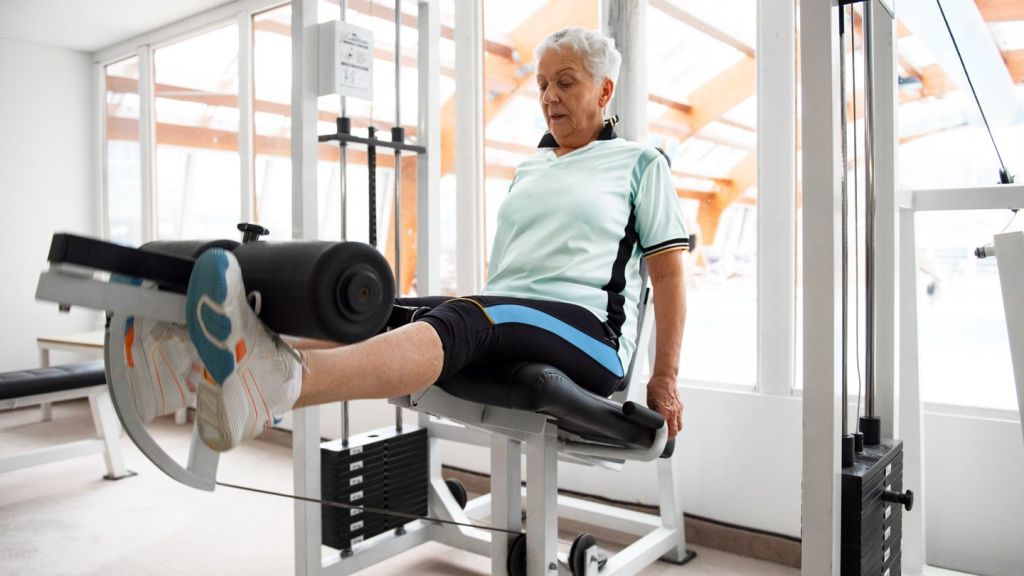
Machines like the leg press or chest press are perfect for newbies. They offer a safe, controlled way to move. These machines have many benefits:
- Provide stable support during movements
- Guide your body through proper exercise technique
- Reduce the risk of injury for inexperienced users
- Allow focused muscle engagement
“Start with lighter weights and focus on speed rather than resistance,” recommends fitness expert Dr. Sarah Klein.
Effective Bodyweight Exercises You Can Do at Home
You can also work out at home without special gear. Try these exercises to build power:
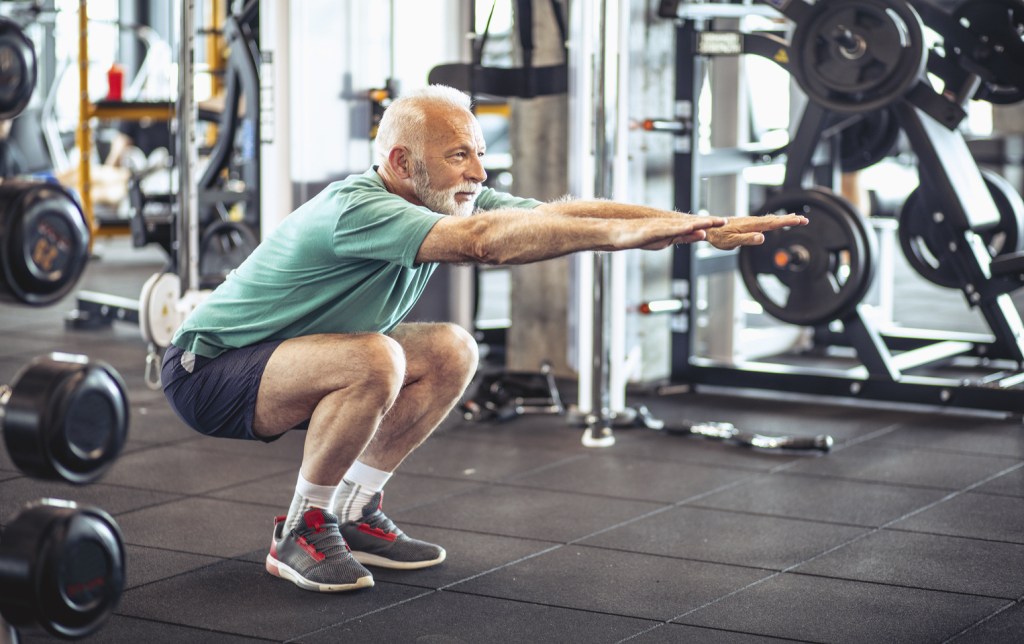
- Bodyweight squats at a faster pace
- Quick sit-to-stands from a chair
- Stair climbs
Pro tip: Focus on explosive, quick movements while keeping proper form to boost muscle power.
Remember, the key is to train consistently and safely. Start slow, listen to your body, and increase intensity as you get stronger and more confident.
Building Your Power Training Routine for Maximum Results
Creating a good power training routine is all about planning. It helps prevent falls and keeps you moving well. Your workouts should focus on quality, challenging your muscles and nervous system. Here are the essential parts of a great power training program.
Begin with a balanced routine that works many muscle groups. Aim for 2-3 workouts a week, with enough rest in between. Each session should include:
- Lower body power exercises
- Upper body movements
- Core stability challenges
Your training should focus on quick, explosive moves. Even doing 10-12 reps fast can help a lot over time. Quality always trumps quantity. As you get better, add a weighted vest to make it harder and keep improving your power.
It’s important to keep getting stronger by adding more weight or a challenge. Start with bodyweight exercises and then move to harder ones. Here are some ways to progress:
- Increase movement speed
- Add light resistance
- Modify exercise complexity
Always listen to your body and adjust exercises if needed. The goal is to keep training consistently and safely. Your routine should push you, but still be doable.
Remember: Consistency matters more than intensity when preventing falls and maintaining independence.
Common Mistakes to Avoid When Training for Fall Prevention

Training for fall prevention needs careful attention. Many older adults make mistakes that can harm their safety and training. It’s important to know these mistakes to keep safe and build muscle power.
Knowing and avoiding common mistakes is key to your fall prevention journey. Here are some errors to watch out for:
- Lifting too heavy weights that prevent explosive movements
- Moving too slowly during exercises
- Progressing training intensity too quickly
- Skipping warm-up and mobility work
- Continuing to train through pain
- Insufficient recovery between training sessions
Understanding Safe Progression Techniques
Safe training means knowing the difference between good fatigue and injury signs. Sharp pain, joint discomfort, or soreness lasting more than 48 hours are red flags.
To use proper progression techniques, follow these steps:
- Gradually increase movement speed
- Add resistance incrementally
- Slowly increase the repetition count
- Reduce rest periods cautiously
- Advance to more complex movement patterns
For personalized advice, talk to a physical therapist or certified trainer for senior fitness. They can create a plan that boosts your fall prevention training while reducing injury risks.
Conclusion
Protecting yourself from falls is not about accepting physical limits. It’s about smart training that keeps your body quick. Research shows muscle power drops faster than strength as we age, raising fall risks. Targeted power training can help rebuild fast muscle reactions, keeping you safe and independent.
The exercises and techniques in this article guide you to stay physically strong. Experts say power training is key for aging and mobility. With regular practice, you can boost balance, reaction time, and stability in just 4-6 weeks.
Your fall prevention journey begins today. Start with simple exercises at home, try gym machines, or work with a fitness pro. The key is to take action. Your independence, confidence, and life quality are worth it. Remember, it’s never too late to strengthen your body and lower fall risks.
Take charge of your health today. Your future self will thank you for the steps you take now. Keep moving, prevent falls, and keep your independence.



 trim down and shape up
Leave a comment